Rum aged in barrel
1344×768 · AVIF · CC BY 4.0
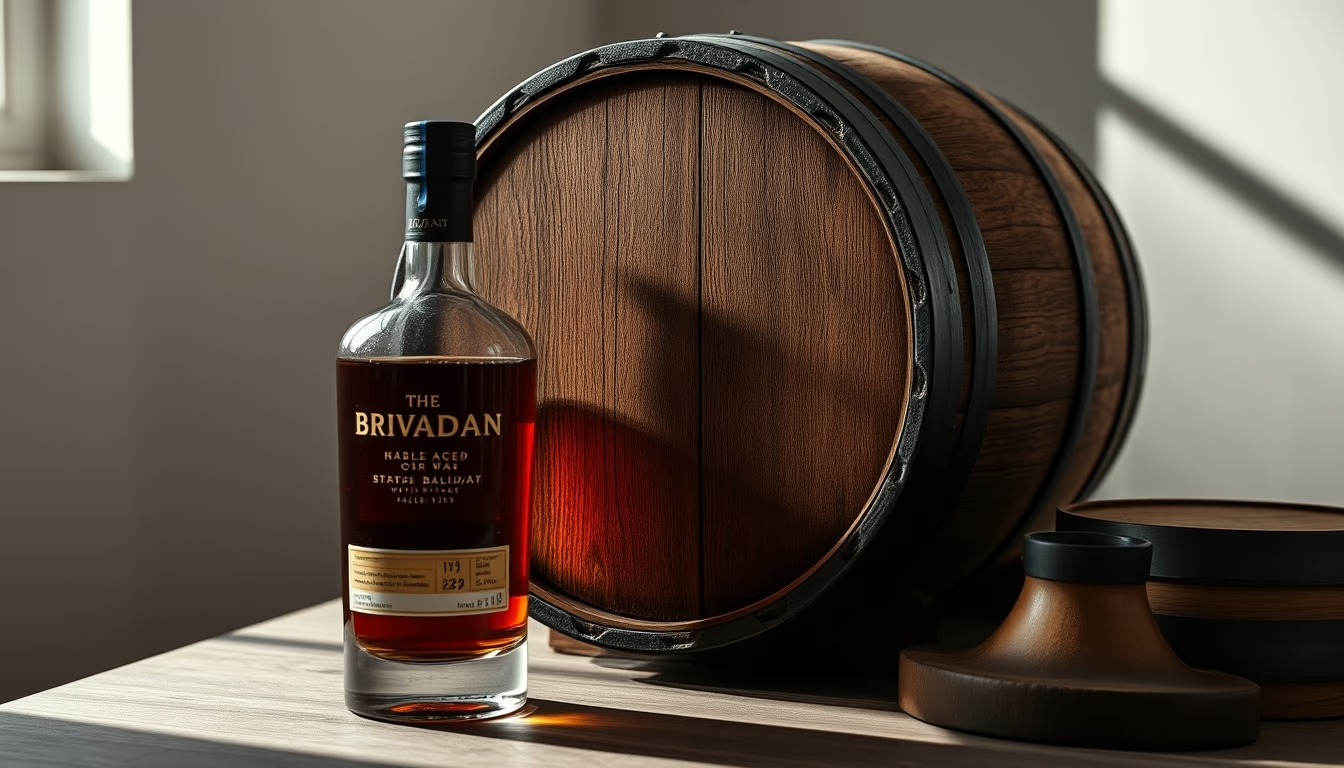
Aging rum in oak barrels is essential for developing color, aroma, and flavor, a process influenced by wood type, maturation time, and tropical climate.
About this subject
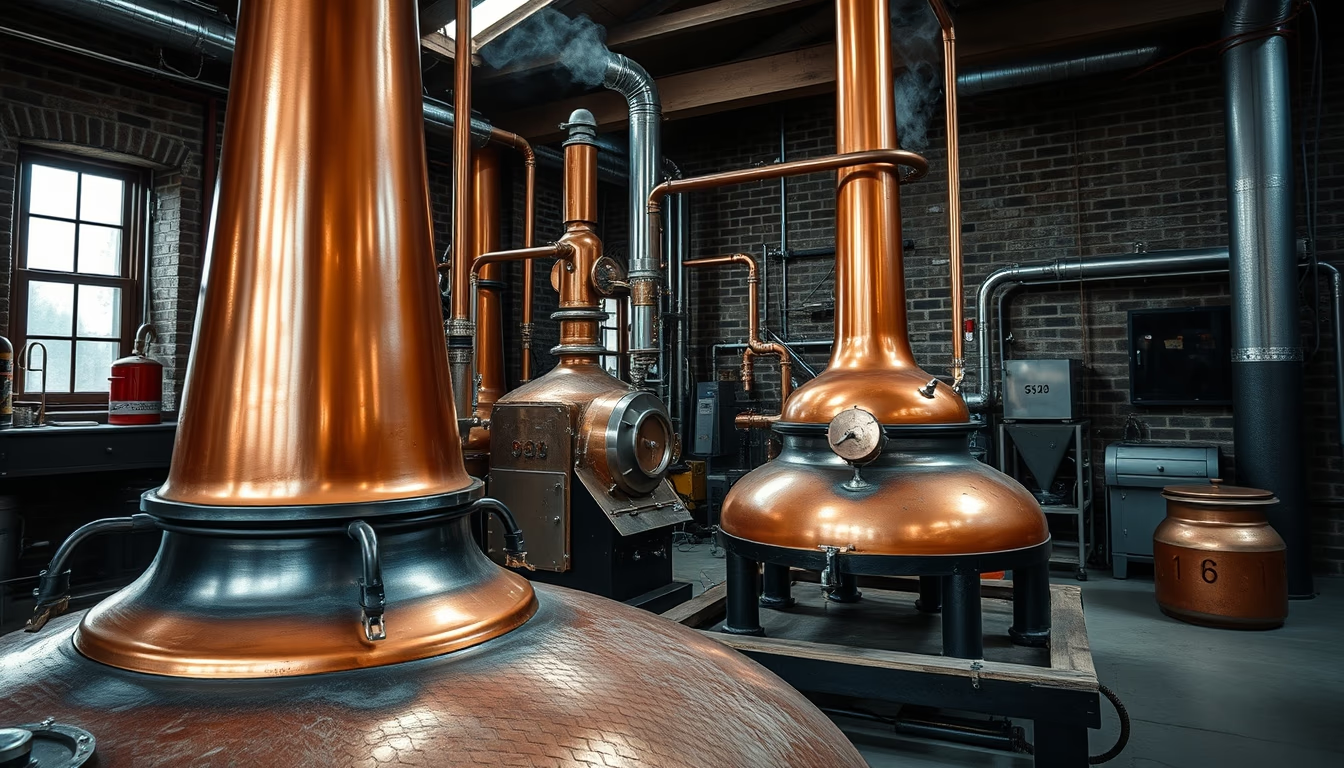
Aging rum in barrels is a crucial step that transforms the freshly distilled spirit into a complex and refined beverage. Unlike other spirits, rum can be aged in American or European oak barrels, often reused from other industries such as bourbon, sherry, or wine barrels. These barrels impart notes of vanilla, caramel, spices, and dried fruits, depending on the wood type and previous treatment.
The climate where rum ages has a significant impact. In tropical regions of the Caribbean and Latin America, high temperatures and humidity accelerate the interaction between the liquid and the wood, causing rum to age faster than in temperate climates. This is known as the 'angel's share,' which can reach up to 10% per year in tropical barrels. Consequently, tropical rums often achieve maturity in less time, while European or American rums require more years.
Regulations vary among producing countries. In some regions, like Puerto Rico and Venezuela, the law requires a minimum aging period for rum to be called 'aged.' Elsewhere, such as Jamaica, the process is more flexible. Additionally, the type of barrel directly influences the profile: toasted American oak barrels bring sweetness, while sherry casks add nutty and fruity notes.
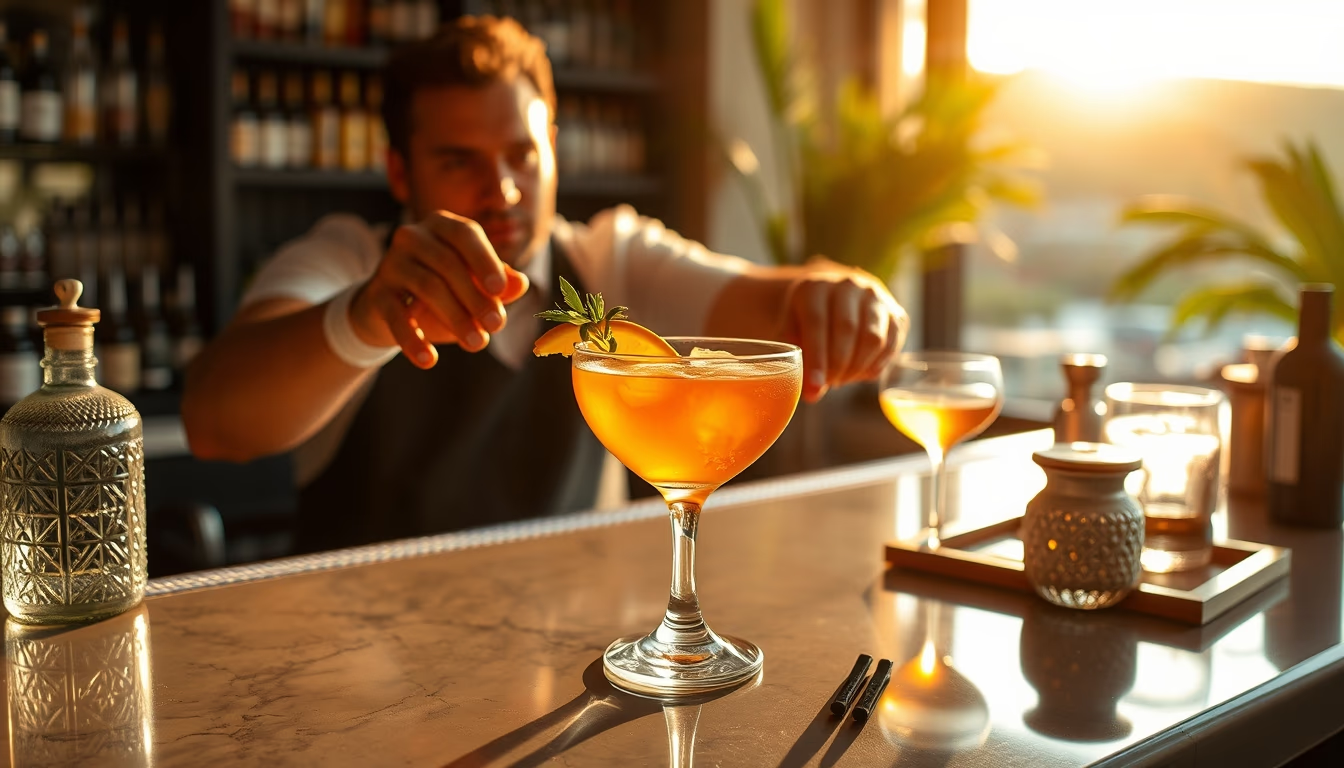
Barrel-aged rum is often classified by age, but the term 'solera' (common in Spanish-style rums) indicates a blending system that mixes different vintages. The final result is a balance between the original distillate and the compounds extracted from the wood, creating a spirit enjoyed both neat and in classic cocktails.
Frequently Asked Questions
Why is rum aged in oak barrels?
Oak is porous and allows micro-oxygenation, which softens the spirit and extracts compounds like lignin and vanillin, responsible for aromas and flavors. The wood also imparts color and structure to the rum.
How long does rum need to be aged to be considered good?
There is no fixed time; it depends on climate and style. In tropical climates, 3 to 5 years may suffice, while in temperate climates, 8 to 12 years are common. Balance between wood and spirit is more important than age alone.
What is the difference between aged rum and unaged rum?
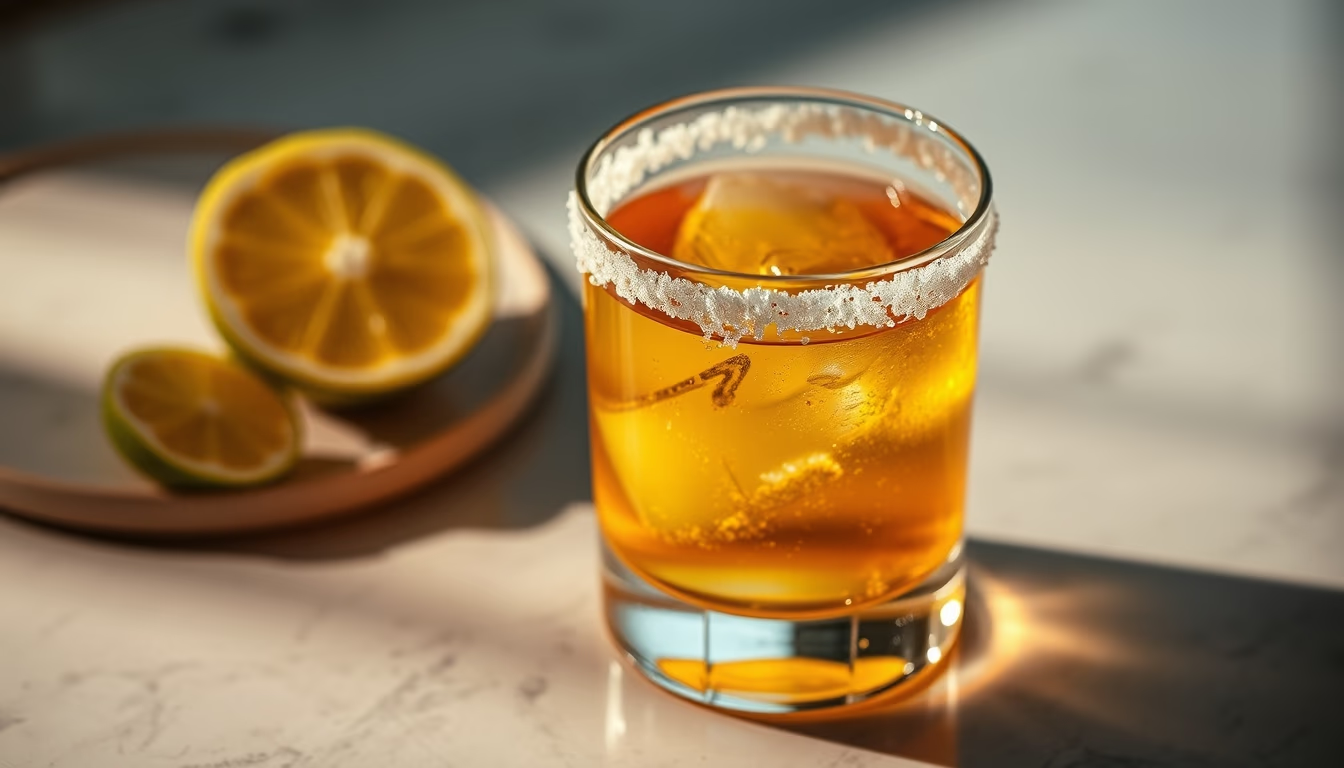
Unaged rum (white) is usually filtered to remove color and has a more neutral, alcohol-forward profile. Aged rum acquires amber color, complex flavors, and a smoother mouthfeel, making it ideal for sipping neat or in premium cocktails.
Direct URL
https://pub-c7d6a6ea828543ac903a74a341ccb2e1.r2.dev/imagens/rum-aged-in-barrel-minimalist-composition-p3.avifHow to credit
Include a visible link back to UtilizAí. Copy one of the snippets below:
<a href="https://xn--utiliza-eza.com/en/midia/imagens/rum-aged-in-barrel-minimalist-composition-p3">Rum aged in barrel</a> by <a href="https://xn--utiliza-eza.com">UtilizAí</a>, licensed under <a href="https://creativecommons.org/licenses/by/4.0/">CC BY 4.0</a>.
[Rum aged in barrel](https://xn--utiliza-eza.com/en/midia/imagens/rum-aged-in-barrel-minimalist-composition-p3) by [UtilizAí](https://xn--utiliza-eza.com), CC BY 4.0
License: CC-BY-4.0