Rum aged in barrel
1344×768 · AVIF · CC BY 4.0
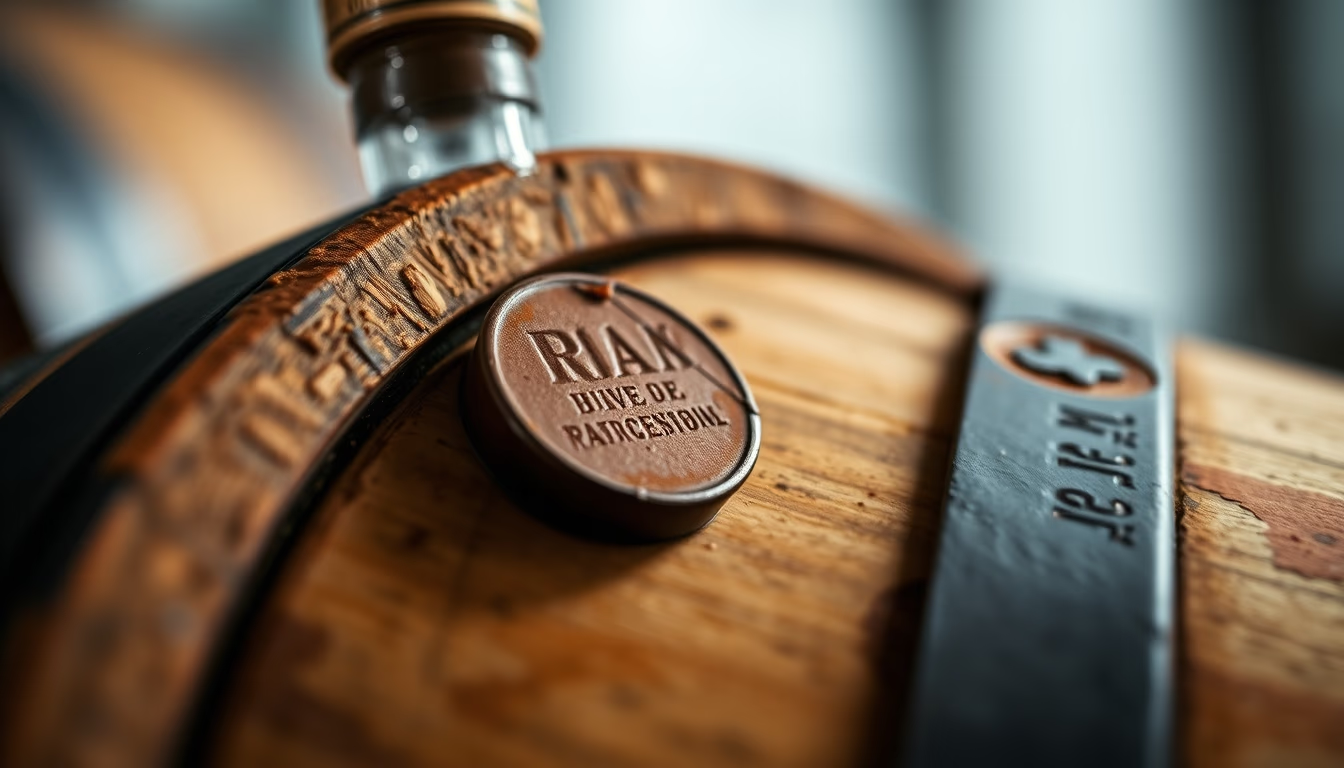
Rum aging in oak barrels: discover how wood transforms flavor, color, and aroma, influenced by tropical climate and barrel type.
About this subject
Aging rum in oak barrels is a defining process for the spirit's quality and complexity. Unlike whiskey, rum can be aged in American or European oak barrels, often previously used for bourbon, sherry, or wine. This reuse gives the rum notes of vanilla, caramel, dried fruit, and spices, depending on the barrel type and maturation time. New or heavily toasted barrels add tannins and pronounced woody notes, while ex-bourbon barrels smooth the profile, bringing natural sweetness.
Tropical climates in producing countries like Jamaica, Cuba, Barbados, and Puerto Rico accelerate aging due to high temperatures and diurnal temperature shifts. While a Scottish rum would take decades to achieve certain complexity, a tropical rum can reach maturity in just a few years, with higher evaporation (the "angel's share") and more intense extraction of wood compounds. This results in richer flavors and darker colors, even over shorter periods. In temperate regions like Europe, the process is slower and more gradual, producing smoother, more elegant rums.
Barrel type also directly influences the final product. American oak barrels are common for their porosity and notes of coconut and vanilla, while European oak offers more astringent tannins and aromas of ripe fruit and spices. Many producers use barrels that have gone through multiple uses, reducing wood impact and allowing the original rum distillate (from molasses or cane juice) to shine. Techniques like solera or blending different ages create consistency and complexity, common in premium rums.
Fun fact: "rum barrel proof" is bottled directly from the barrel without dilution, preserving the alcohol concentration and flavors acquired during aging. In contrast, "rum aged in glass" or with added caramel is not considered barrel-aged. Each country's legislation defines minimum time and material requirements for a rum to be labeled "aged", ranging from 1 to 3 years in oak. In Brazil, aged rum production has grown, with distilleries experimenting with native woods like jequitibá and amburana, creating unique flavor profiles.
Frequently Asked Questions
Why is the barrel type so important for rum aging?
The barrel type defines the aromatic profile and tannin extraction. American oak (ex-bourbon) gives vanilla and coconut; European oak provides fruit and spices. New or heavily toasted barrels intensify woodiness, while used barrels soften the flavor.
How does tropical climate affect rum aging?
Hot climates with temperature swings accelerate the interaction between rum and wood, increasing evaporation (angel's share) and compound extraction. This allows quicker maturation and stronger flavors compared to temperate climates.
What does 'rum aged in barrel' mean legally?
Legally, it varies by country. In the US, rum must age at least 2 years in oak to be labeled 'aged'. In the Caribbean, many producers set their own standards. The key is that the rum has contact with wood without artificial coloring or flavoring.
Direct URL
https://pub-c7d6a6ea828543ac903a74a341ccb2e1.r2.dev/imagens/rum-aged-in-barrel-macro-closeup-p2.avifHow to credit
Include a visible link back to UtilizAí. Copy one of the snippets below:
<a href="https://xn--utiliza-eza.com/en/midia/imagens/rum-aged-in-barrel-macro-closeup-p2">Rum aged in barrel</a> by <a href="https://xn--utiliza-eza.com">UtilizAí</a>, licensed under <a href="https://creativecommons.org/licenses/by/4.0/">CC BY 4.0</a>.
[Rum aged in barrel](https://xn--utiliza-eza.com/en/midia/imagens/rum-aged-in-barrel-macro-closeup-p2) by [UtilizAí](https://xn--utiliza-eza.com), CC BY 4.0
License: CC-BY-4.0