Rum aged in barrel
1344×768 · AVIF · CC BY 4.0
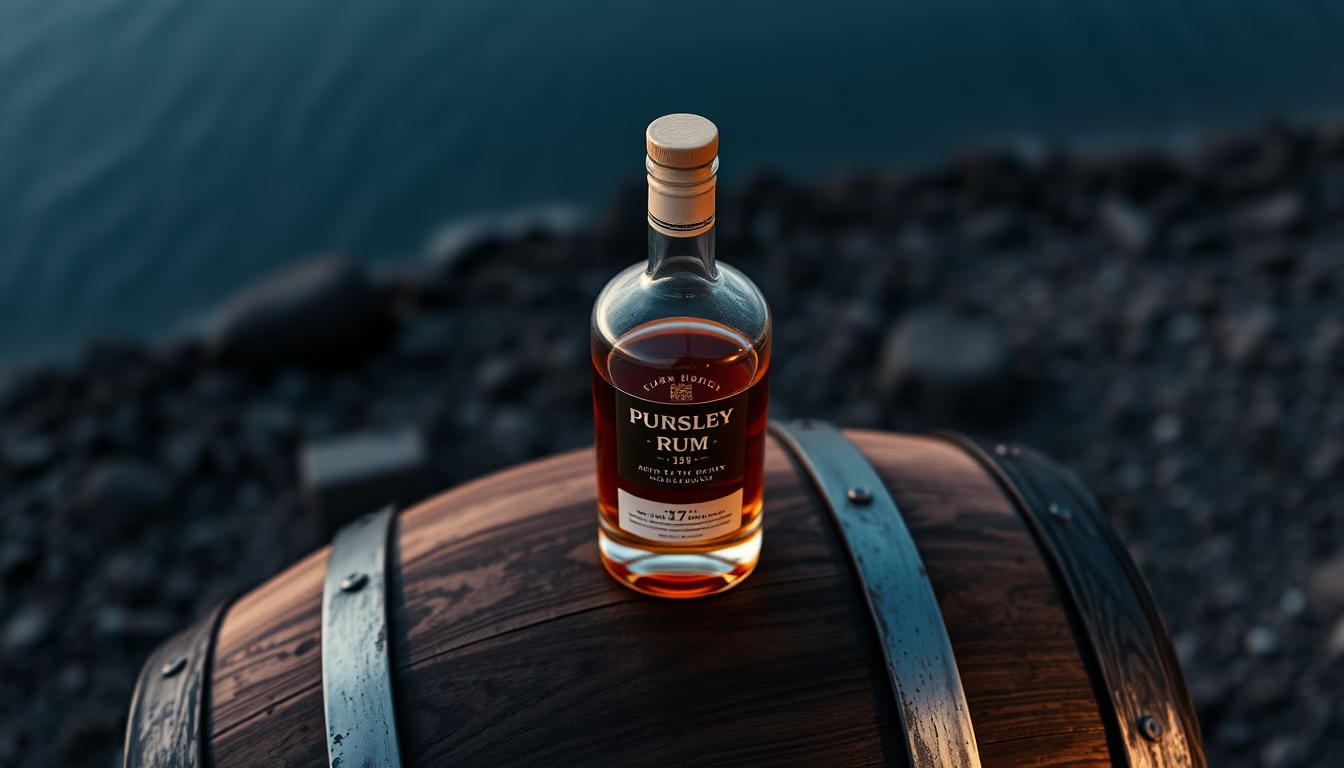
The aging process of rum in oak barrels is essential for developing flavor, color, and aroma. Discover how wood choice and time influence the spirit.
About this subject
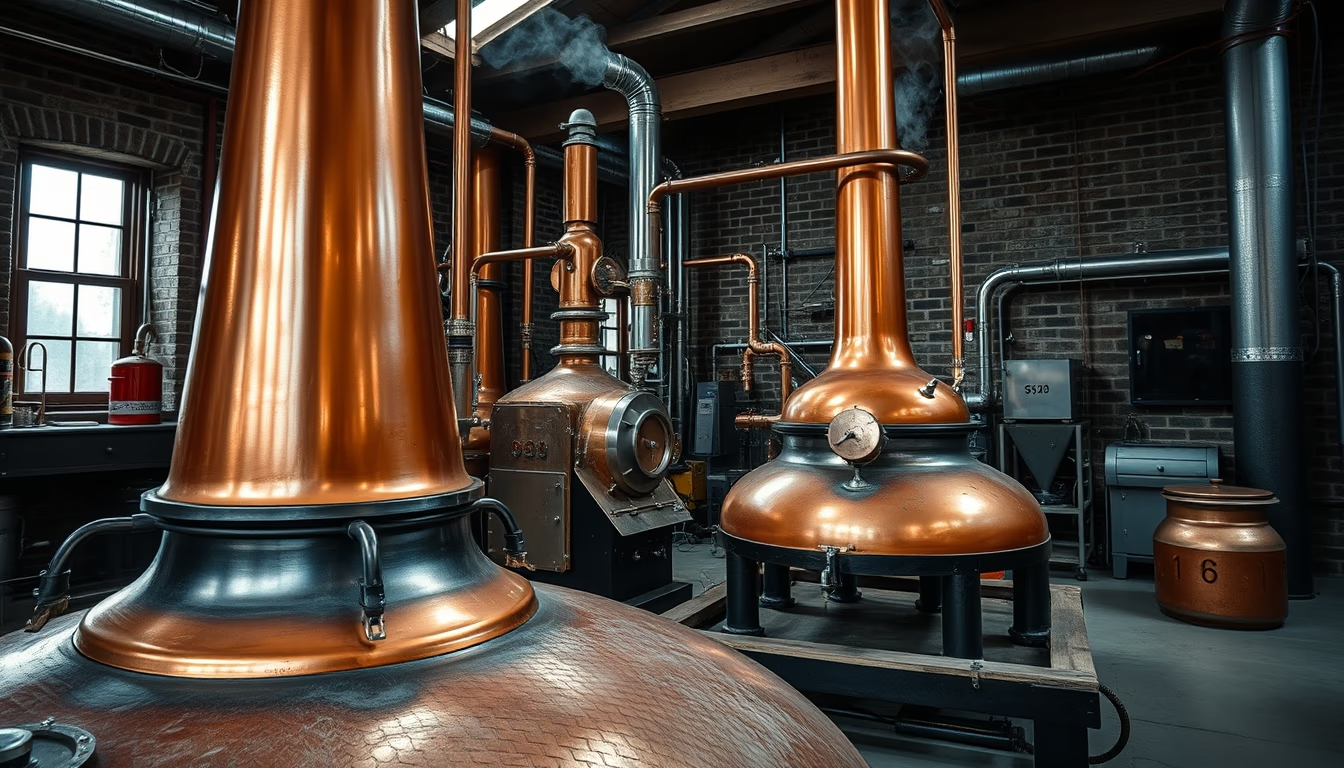
Aging rum in oak barrels is a crucial step that transforms the newly distilled spirit into a complex and refined beverage. During this process, rum extracts compounds from the wood, such as vanillin, tannins, and lactones, contributing notes of vanilla, caramel, spices, and dried fruits. The interaction with oxygen through the barrel's pores also mellows the alcohol and integrates flavors.
The choice of barrel type directly impacts the final profile. American oak barrels, often used for bourbon, impart sweet, vanilla notes, while European oak (Spanish or French) provides firmer tannins and dried fruit flavors. Many rum producers reuse barrels that previously aged bourbon, whiskey, or sherry, adding layers of complexity. Barrel size also matters: smaller barrels have greater surface contact, accelerating flavor extraction.
Aging time varies by style and regulation. While white rums are often filtered to remove color, many aged rums spend 3 to 15 years in barrels. In the Caribbean, the tropical climate accelerates maturation, so a 5-year-old rum from Barbados may have a profile equivalent to a 15-year-old Scotch whisky. Evaporation, known as the "angel's share," can lose up to 10% per year in warm regions.
The rum industry values barrels that have had previous use, as they transfer residual flavors. Some producers use techniques like double aging or finishing in Port or Madeira wine barrels to create unique profiles. Aging not only improves flavor but also adds economic value, with older rums fetching high prices in the collector's market.
Frequently Asked Questions
How important is the type of oak in rum aging?
The oak type directly influences the sensory profile. American oak imparts sweet vanilla and caramel notes, while European oak provides tannins and dried fruit flavors. Previously used barrels (e.g., bourbon) also transfer residual flavors.
How long does it take to age rum?
It varies from 3 to 15 years or more, depending on style and climate. In tropical regions, aging is faster due to temperature and humidity. White rums are typically unaged or filtered to remove color.
What is the 'angel's share' in rum production?
It refers to the evaporation of alcohol and water during aging. In warm climates, it can reach 10% per year. This process concentrates flavors and contributes to the rum's complexity.
Direct URL
https://pub-c7d6a6ea828543ac903a74a341ccb2e1.r2.dev/imagens/rum-aged-in-barrel-aerial-drone-shot-p1.avifHow to credit
Include a visible link back to UtilizAí. Copy one of the snippets below:
<a href="https://xn--utiliza-eza.com/en/midia/imagens/rum-aged-in-barrel-aerial-drone-shot-p1">Rum aged in barrel</a> by <a href="https://xn--utiliza-eza.com">UtilizAí</a>, licensed under <a href="https://creativecommons.org/licenses/by/4.0/">CC BY 4.0</a>.
[Rum aged in barrel](https://xn--utiliza-eza.com/en/midia/imagens/rum-aged-in-barrel-aerial-drone-shot-p1) by [UtilizAí](https://xn--utiliza-eza.com), CC BY 4.0
License: CC-BY-4.0