Rotorua geothermal nz
1344×768 · AVIF · CC BY 4.0
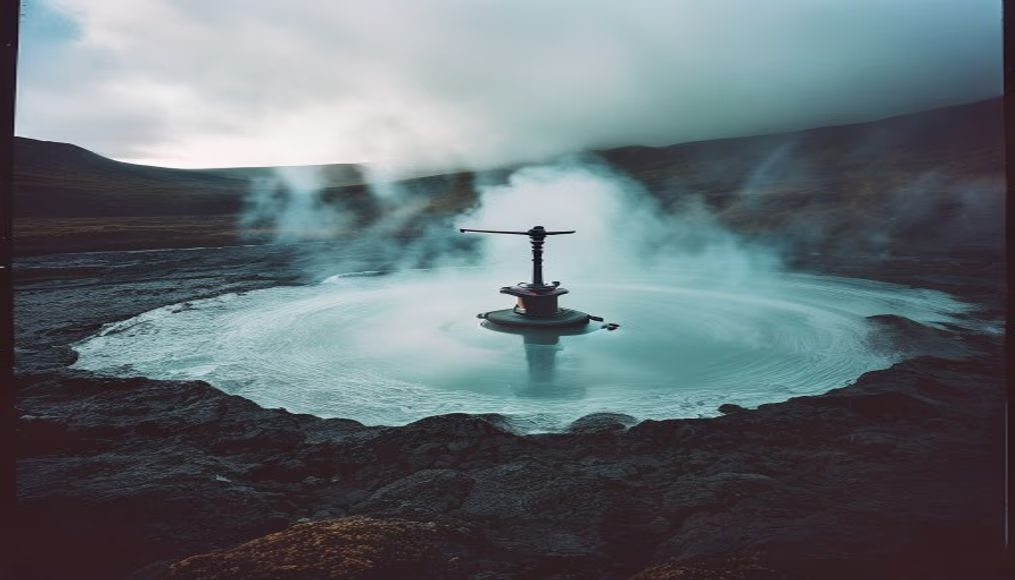
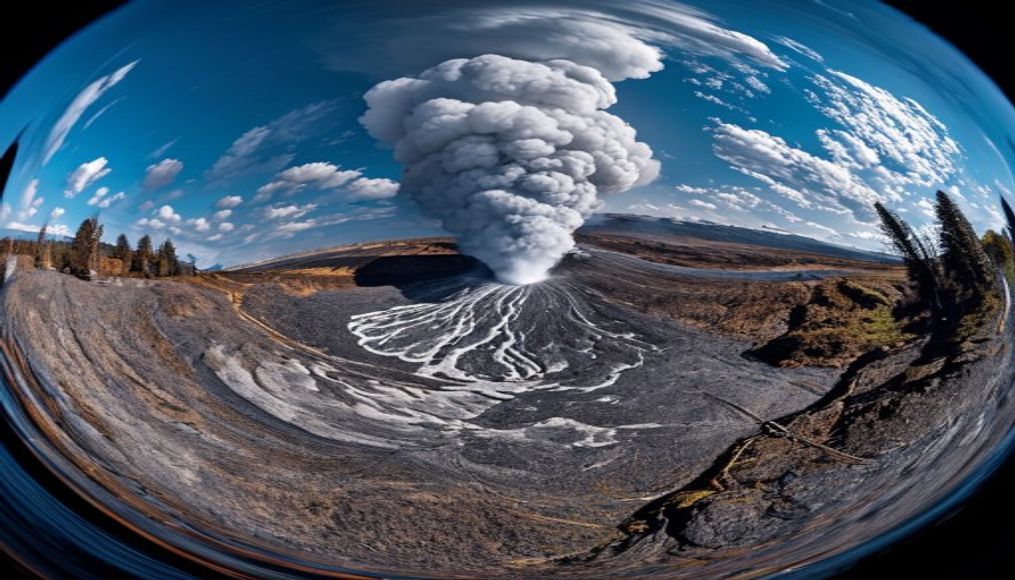
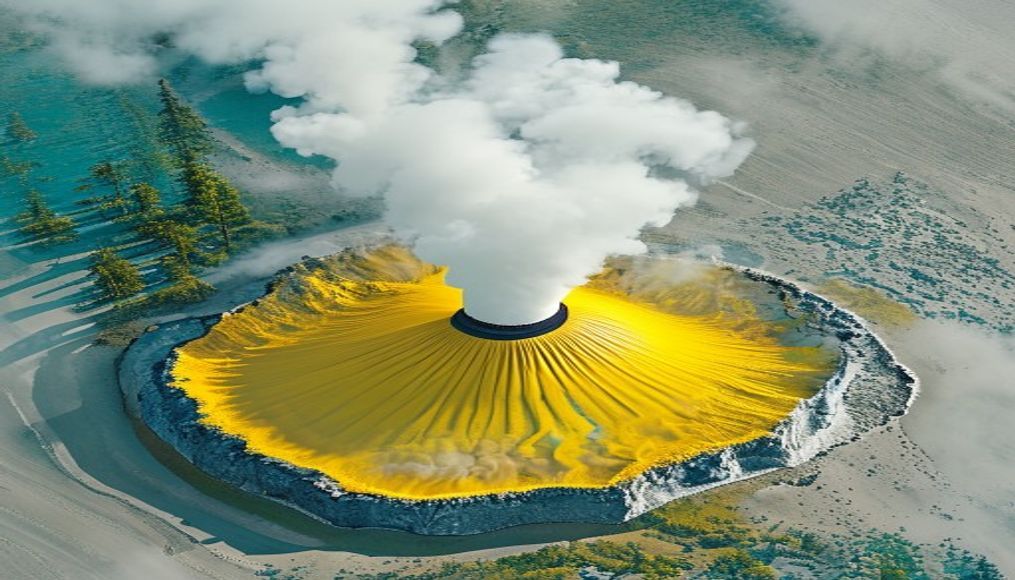
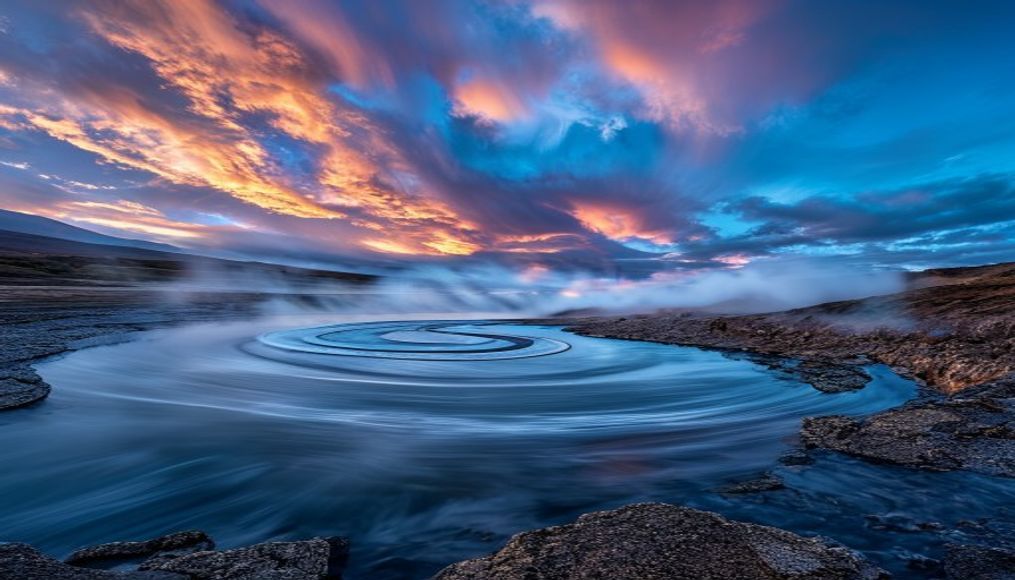
Rotorua, New Zealand, is renowned for its intense geothermal activity featuring geysers, mud pools, and hot springs.
About this subject
Rotorua is located on New Zealand's North Island, within the Taupo Volcanic Zone, one of the most active geothermal areas in the world. The region hosts several geothermal fields, including Whakarewarewa, Te Puia, and Wai-O-Tapu, featuring erupting geysers, bubbling mud pools, and colorful hot springs. The geothermal activity is driven by magma close to the surface, heating underground water that emerges as steam and hot water.
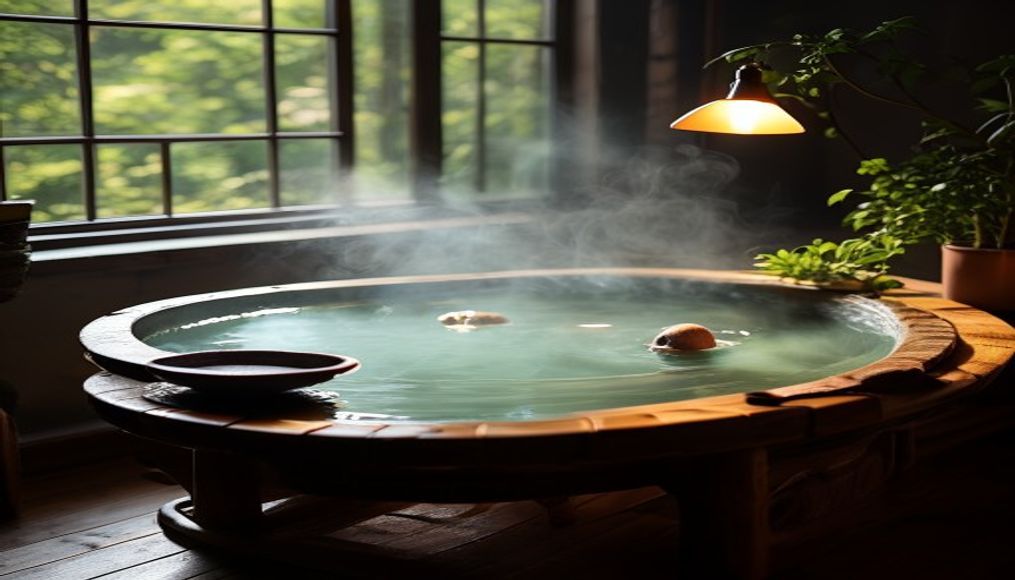
Local Māori, especially the Ngāti Whakaue tribe, have used these hot springs for centuries for cooking, bathing, and heating their homes. The city of Rotorua developed into an international tourist destination, offering experiences that combine volcanic nature and Māori culture. Visitors can explore geothermal parks, attend cultural performances, and relax in thermal spas.
The characteristic sulfur smell in Rotorua comes from the release of volcanic gases such as hydrogen sulfide. Despite the odor, the area is safe for tourism, with well-marked trails and viewing platforms. The hot spring water is rich in minerals like silica and sulfur, believed to have therapeutic properties. At Wai-O-Tapu, the pools display vibrant colors due to different minerals, including arsenic and antimony.
Geothermal activity in Rotorua is constantly monitored by the Institute of Geological and Nuclear Sciences (GNS Science), assessing seismic and volcanic risks. Although eruptions are not imminent, the region experiences small earthquakes and changes in spring activity. Sustainable tourism is encouraged, with practices aimed at preserving the ecological and cultural balance of the site.
Frequently Asked Questions
What causes the geothermal activity in Rotorua?
The activity is caused by magma heat close to the surface in the Taupo Volcanic Zone, which heats underground water. This water emerges as steam and hot water, forming geysers, hot springs, and mud pools.
Is it safe to swim in Rotorua's hot springs?
Yes, in designated and supervised areas. Many thermal spas and public pools offer safe bathing. However, natural unmonitored springs may have dangerous temperatures and acidity levels, so only authorized locations are recommended.
What is the origin of the sulfur smell in Rotorua?
The smell comes from hydrogen sulfide gas released by geothermal activity. Although strong, it is harmless at outdoor concentrations and is a trademark of the region.
Direct URL
https://pub-c7d6a6ea828543ac903a74a341ccb2e1.r2.dev/imagens/rotorua-geothermal-nz-lo-fi-disposable-camera-p2.avifHow to credit
Include a visible link back to UtilizAí. Copy one of the snippets below:
<a href="https://xn--utiliza-eza.com/en/midia/imagens/rotorua-geothermal-nz-lo-fi-disposable-camera-p2">Rotorua geothermal nz</a> by <a href="https://xn--utiliza-eza.com">UtilizAí</a>, licensed under <a href="https://creativecommons.org/licenses/by/4.0/">CC BY 4.0</a>.
[Rotorua geothermal nz](https://xn--utiliza-eza.com/en/midia/imagens/rotorua-geothermal-nz-lo-fi-disposable-camera-p2) by [UtilizAí](https://xn--utiliza-eza.com), CC BY 4.0
License: CC-BY-4.0