Rotorua geothermal nz
1344×768 · JPG · CC BY 4.0
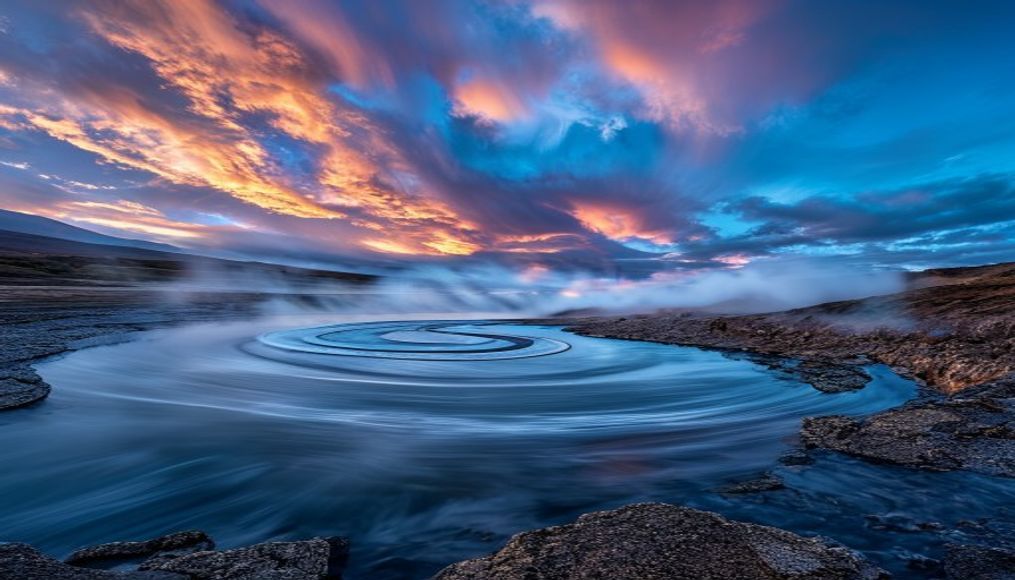
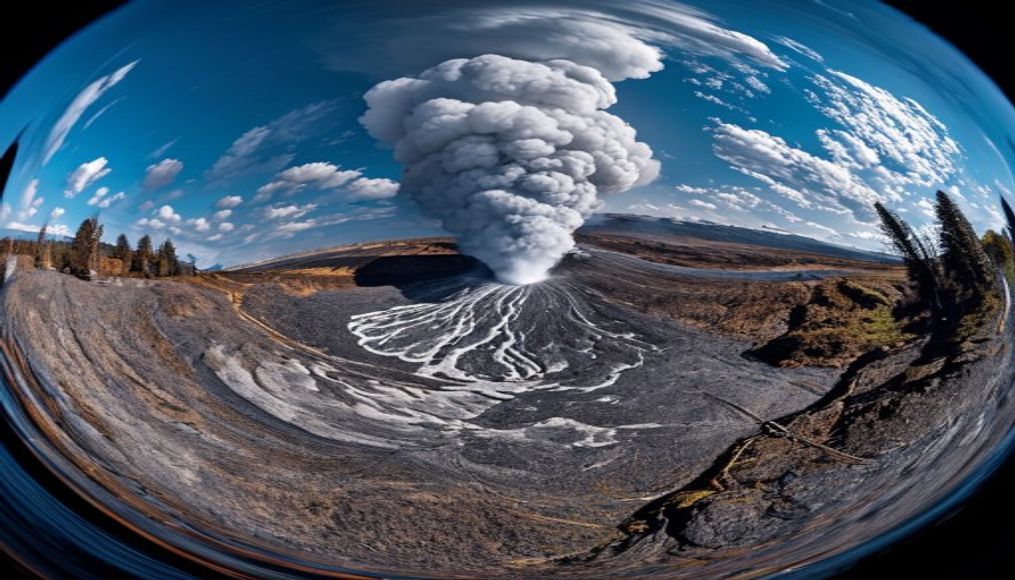
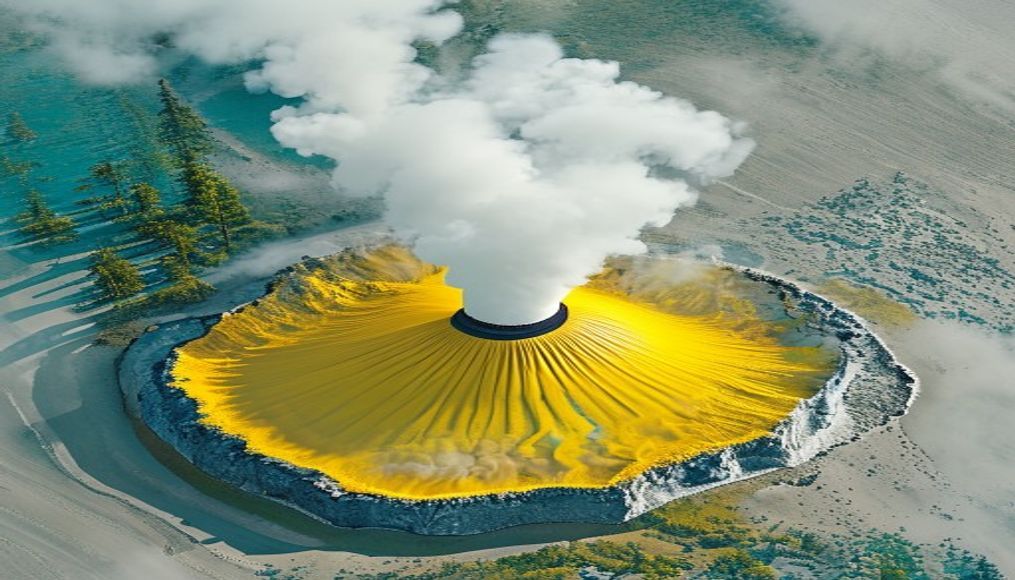
Rotorua, New Zealand, is one of the most active geothermal regions globally, with geysers, hot springs, and sulfurous steam fields that fascinate visitors and scientists alike.
About this subject
Rotorua sits on New Zealand's North Island, within the Taupo Volcanic Zone, a hotspot of geothermal and volcanic activity. This region is shaped by the Pacific Plate subducting beneath the Australian Plate, creating a shallow hydrothermal system that fuels over 500 hot springs and 18 active geysers. The Pohutu Geyser in Whakarewarewa is the most iconic, erupting up to 30 meters high multiple times daily. The pervasive steam is mostly water heated above 200°C deep underground, releasing sulfur and other minerals that give the air its characteristic rotten-egg smell.
For the Maori people, especially the Te Arawa tribe, these thermal springs have been sacred for over 600 years, used for cooking, heating, and healing. The living village of Whakarewarewa offers tours where visitors see traditional uses of the hot water. The area also includes Lake Rotorua, a volcanic caldera formed by an eruption around 240,000 years ago. Its shores host fumaroles and bubbling mud pools, such as those at Hell's Gate and Wai-O-Tapu, famous for the colorful Champagne Pool.
Rotorua's geothermal activity is not only a tourist draw but also a renewable energy source. Since the 1950s, geothermal power plants in the region have supplied about 30% of local electricity needs by harnessing natural steam. However, over-extraction in the 1970s and 1980s caused some geysers to decline, prompting strict regulations. Today, careful monitoring balances environmental preservation and energy use. For long-exposure photographers, the contrast between moving steam clouds and the static landscape creates ethereal images that capture the raw power of the Earth.
Frequently Asked Questions
Why does Rotorua smell like rotten eggs?
The characteristic odor comes from hydrogen sulfide gas released by hot springs and geysers. This gas is harmless at low concentrations, but the strong smell is a sign of the region's intense geothermal activity.
Is it safe to visit the geothermal areas in Rotorua?
Yes, as long as you stay on marked trails and follow safety guidelines. Pool temperatures can exceed 100°C, and the ground around them may be unstable. Guided tours are recommended.
What is the cultural significance of the hot springs to the Maori?
For the Te Arawa tribe, the springs are a gift from the gods, used for cooking, heating homes, and healing illnesses. The Whakarewarewa village preserves these traditions and offers an immersive Maori cultural experience.
Direct URL
https://pub-c7d6a6ea828543ac903a74a341ccb2e1.r2.dev/imagens/rotorua-geothermal-nz-long-exposure-p4.jpgHow to credit
Include a visible link back to UtilizAí. Copy one of the snippets below:
<a href="https://xn--utiliza-eza.com/en/midia/imagens/rotorua-geothermal-nz-long-exposure-p4">Rotorua geothermal nz</a> by <a href="https://xn--utiliza-eza.com">UtilizAí</a>, licensed under <a href="https://creativecommons.org/licenses/by/4.0/">CC BY 4.0</a>.
[Rotorua geothermal nz](https://xn--utiliza-eza.com/en/midia/imagens/rotorua-geothermal-nz-long-exposure-p4) by [UtilizAí](https://xn--utiliza-eza.com), CC BY 4.0
License: CC-BY-4.0