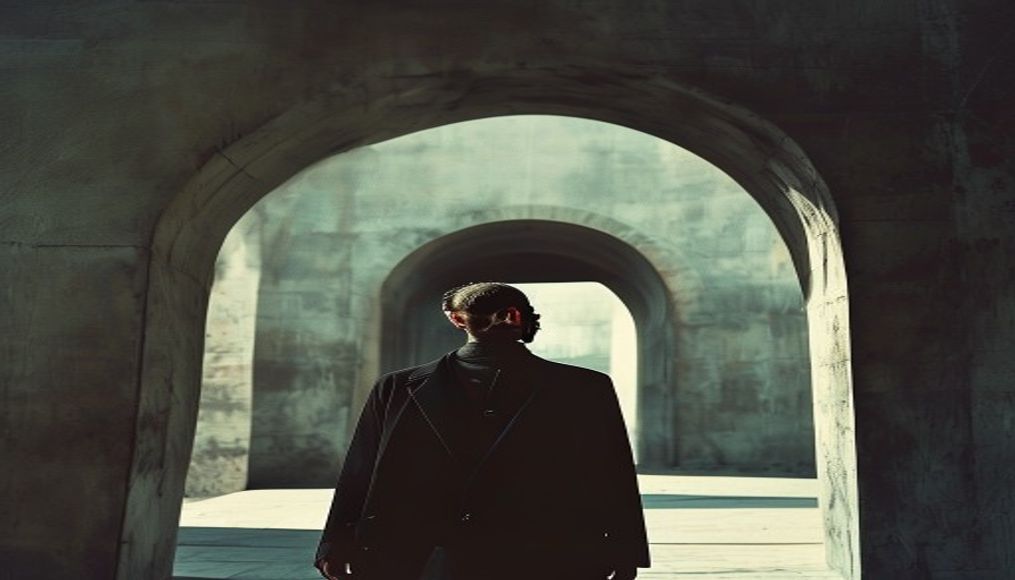
Romanesque cathedral arches
1344×768 · AVIF · CC BY 4.0
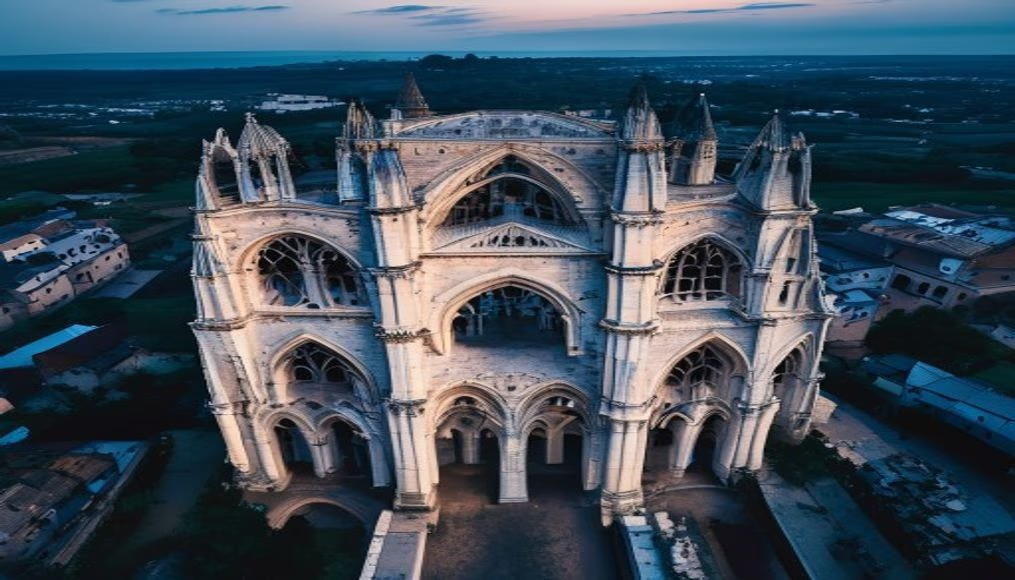
Romanesque cathedral arches are structural and decorative elements that define the medieval architectural style between the 11th and 13th centuries.
About this subject
Romanesque arches are one of the hallmarks of medieval European architecture, especially in cathedrals and monasteries built between the 11th and 13th centuries. Unlike the pointed Gothic arches that succeeded them, Romanesque arches are semicircular, based on the round arch inherited from Roman architecture. This simple and sturdy shape required thick walls and small windows, creating dim and imposing interiors.
The arches were often reinforced by a series of concentric moldings called archivolts, which besides their structural function, served as a backdrop for biblical sculptures and reliefs. These ornate arches were typical in cathedral doorways, such as at the Cathedral of Santiago de Compostela and Cluny Abbey. The use of round arches also extended to interior arcades, separating the central nave from the side aisles.
Technically, Romanesque arches were built with wedge-shaped stones called voussoirs, which support each other through compression. This required great skill from medieval stonemasons and careful static calculation. The absence of flying buttresses, which would appear in Gothic, limited the height of barrel vaults, often bearing down on massive columns and cruciform piers.
Beyond the technical aspect, Romanesque arches carried symbolism: the semicircle represented divine perfection and eternity, contrasting with the transience of earthly life. This architecture reflected the mindset of the time, focused on protection, solidity, and liturgical intimacy. Though less famous than pointed arches today, Romanesque arches are essential to understanding the evolution of religious construction in Europe.
Frequently Asked Questions
What is the difference between Romanesque and Gothic arches?
Romanesque arches are semicircular (round arches), whereas Gothic arches are pointed (ogival). This difference allowed Gothic arches to be taller and slimmer, enabling rib vaults and flying buttresses to distribute weight more effectively.
Why are Romanesque arches semicircular?
They are directly derived from Roman architecture, which used round arches in aqueducts and basilicas. In the Middle Ages, this shape was seen as a symbol of divine perfection and structural solidity, and it was simpler to build with contemporary techniques.
Which cathedrals have notable examples of Romanesque arches?
Highlights include the Cathedral of Santiago de Compostela (Spain), Cluny Abbey (France), Speyer Cathedral (Germany), and Durham Cathedral (England). These buildings preserve archivolted portals and interior arcades typical of the style.
Direct URL
https://pub-c7d6a6ea828543ac903a74a341ccb2e1.r2.dev/imagens/romanesque-cathedral-arches-aerial-drone-shot-p2.avifHow to credit
Include a visible link back to UtilizAí. Copy one of the snippets below:
<a href="https://xn--utiliza-eza.com/en/midia/imagens/romanesque-cathedral-arches-aerial-drone-shot-p2">Romanesque cathedral arches</a> by <a href="https://xn--utiliza-eza.com">UtilizAí</a>, licensed under <a href="https://creativecommons.org/licenses/by/4.0/">CC BY 4.0</a>.
[Romanesque cathedral arches](https://xn--utiliza-eza.com/en/midia/imagens/romanesque-cathedral-arches-aerial-drone-shot-p2) by [UtilizAí](https://xn--utiliza-eza.com), CC BY 4.0
License: CC-BY-4.0