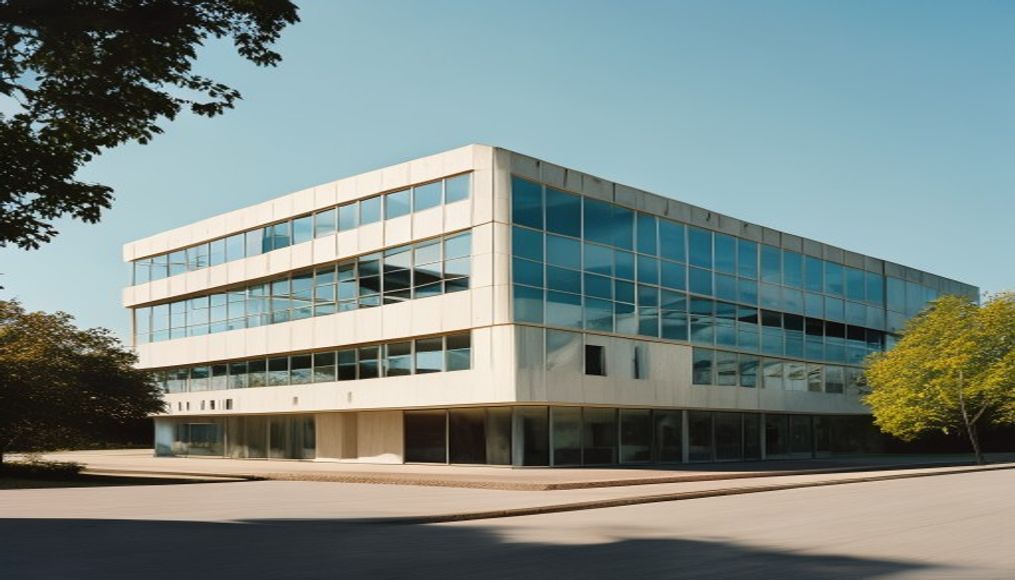
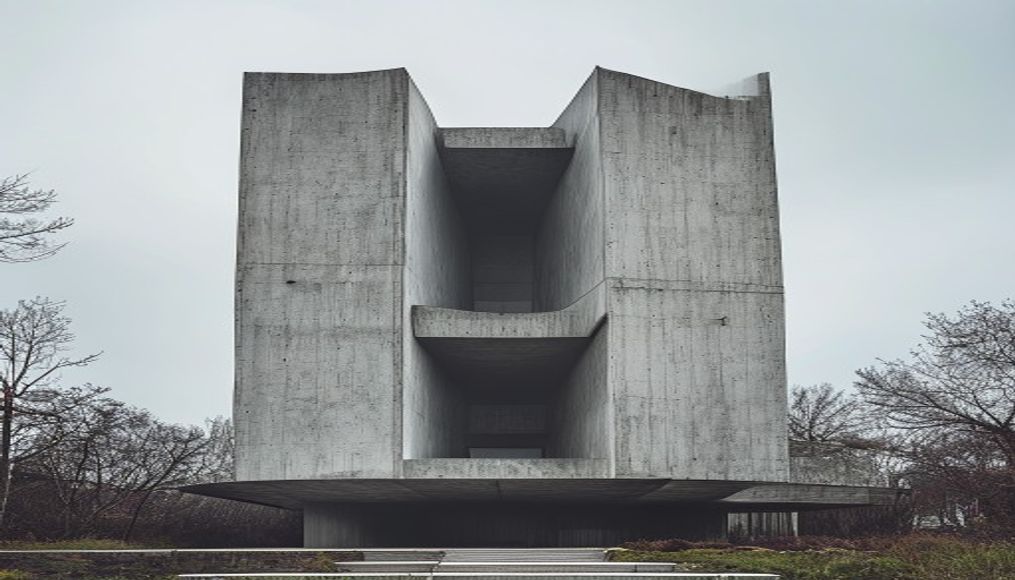
Modernist le corbusier
1344×768 · JPG · CC BY 4.0

Le Corbusier, Swiss-French architect, revolutionized modern architecture with his five points of new architecture, influencing 20th-century global design.
About this subject
Le Corbusier, born Charles-Édouard Jeanneret in 1887, was a pioneer of modern architecture. His functionalist approach, combined with the innovative use of reinforced concrete, defined a new aesthetic and constructive paradigm. Between 1920 and 1930, he formulated the Five Points of New Architecture: pilotis (columns elevating the building), roof garden, free plan, free facade, and ribbon windows. These principles allowed greater spatial flexibility and integration with the surroundings, as exemplified in the Villa Savoye (1929-1931) in Poissy, France.
Another landmark is the Unité d'Habitation in Marseille (1952), a housing block that incorporates shops, school, and leisure, reflecting his vision of a "machine for living." Le Corbusier also worked in urban planning, designing the city of Chandigarh, India, with functional sectors and extensive green spaces. His color palette, based on primary and earthy tones, and the use of proportional modules (Modulor) influenced interior design and corporate architecture.
Although associated with the modernist movement, Le Corbusier also dedicated himself to painting and sculpture, founding Purism with Amédée Ozenfant. His church Notre-Dame du Haut in Ronchamp (1955) breaks with orthogonality, featuring organic forms and dramatic light. Globally recognized, his legacy is controversial: admired for innovation but criticized for projects that neglected local contexts. Nevertheless, his influence persists in contemporary architecture and in fashion editorials that use his buildings as minimalist backdrops.
Frequently Asked Questions
What was Le Corbusier's main contribution to modern architecture?
Le Corbusier formulated the Five Points of New Architecture, establishing principles such as pilotis, roof garden, and free plan, revolutionizing building design.
Where are Le Corbusier's most famous works located?
Iconic works include Villa Savoye (France), Unité d'Habitation (Marseille), the city of Chandigarh (India), and the Notre-Dame du Haut church (Ronchamp).
How did Le Corbusier influence urban planning?
He proposed functional cities with zoned sectors, as in Chandigarh, and advocated residential towers in parks, influencing modern urban planning.
Direct URL
https://pub-c7d6a6ea828543ac903a74a341ccb2e1.r2.dev/imagens/modernist-le-corbusier-high-fashion-editorial-p4.jpgHow to credit
Include a visible link back to UtilizAí. Copy one of the snippets below:
<a href="https://xn--utiliza-eza.com/en/midia/imagens/modernist-le-corbusier-high-fashion-editorial-p4">Modernist le corbusier</a> by <a href="https://xn--utiliza-eza.com">UtilizAí</a>, licensed under <a href="https://creativecommons.org/licenses/by/4.0/">CC BY 4.0</a>.
[Modernist le corbusier](https://xn--utiliza-eza.com/en/midia/imagens/modernist-le-corbusier-high-fashion-editorial-p4) by [UtilizAí](https://xn--utiliza-eza.com), CC BY 4.0
License: CC-BY-4.0