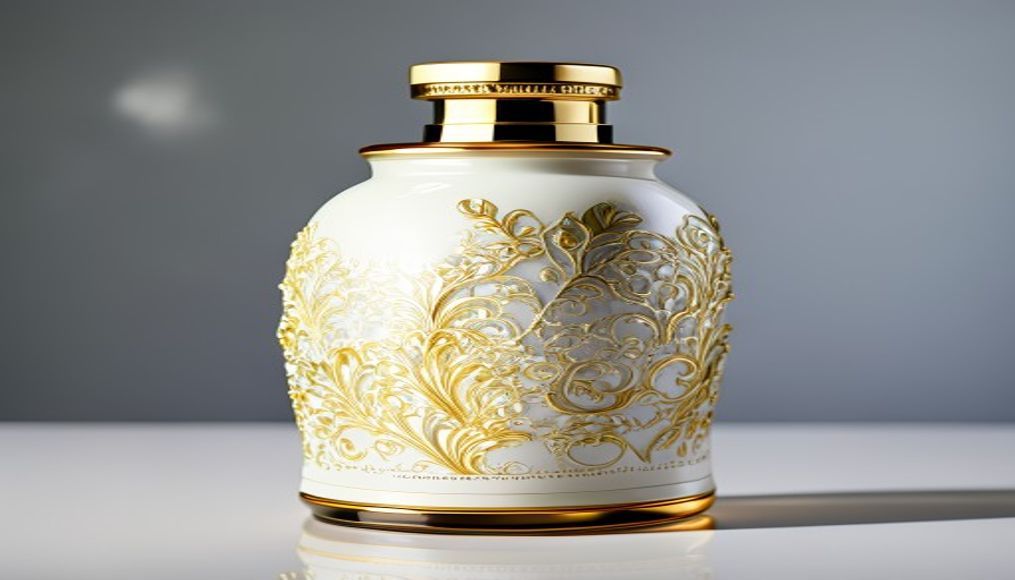
Rococo interior gold
1344×768 · AVIF · CC BY 4.0
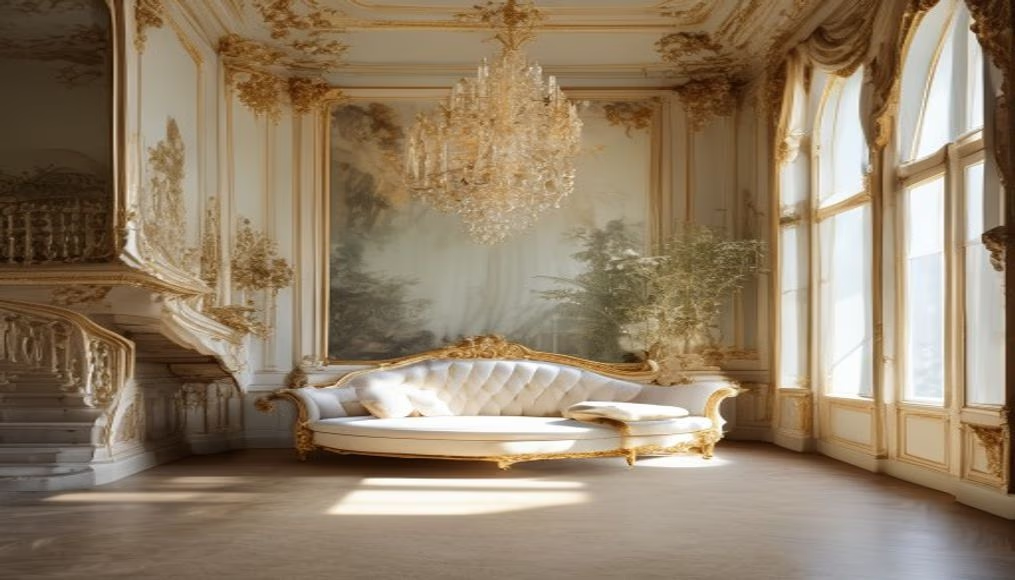
Gold in Rococo interior design symbolized opulence and lightness, combining asymmetrical curves and gilded details in 18th-century European palaces.
About this subject
Rococo emerged in early 18th-century France as a reaction against the formalism of the late Baroque. Characterized by light ornaments, sinuous curves, and pastel colors, the style aimed to create intimate and graceful spaces, often bathed in gold. Gilding was applied to frames, mirrors, furniture, and wall panels, reflecting candlelight and enhancing the sense of movement and delicacy.
One of the most emblematic examples is the Hall of Mirrors at the Palace of Versailles, though Rococo spread across Europe, especially in Austria, Germany, and Italy, where it acquired local variations. In Germany, the Sanssouci Palace in Potsdam features Rococo interiors with abundant gold and natural motifs like shells and foliage. The technique of gold leaf gilding was complex: artisans applied thin sheets over gesso or wood, then burnished them to achieve intense luster.
Interestingly, despite its opulence, Rococo was criticized by contemporaries as superficial and frivolous. However, its influence persisted in later styles, such as Neoclassicism (which rejected decorative excess) and later the Rococo Revival in the 19th century. In Brazil, examples of Rococo influence can be found in late colonial architecture, such as the Church of São Francisco de Assis in Ouro Preto, which blends Baroque and Rococo elements with gilded woodcarving.
Gold in Rococo was not merely ornamental: it symbolized wealth, power, and the pursuit of aesthetic pleasure. Each gilded detail contributed to a dreamlike, fantastical atmosphere, inviting sensory delight. Despite its association with the pre-revolutionary French aristocracy, the style endures as a landmark of human creativity in interior decoration.
Frequently Asked Questions
What differentiates Rococo from Baroque in interior decoration?
Rococo is lighter, more delicate and intimate, with asymmetrical curves and pastel colors. Baroque is more dramatic, heavy, and monumental, with strong contrasts and deep shadows.
Why was gold so widely used in Rococo?
Gold symbolized wealth and power, but also reflected candlelight, creating a shimmering and cozy atmosphere. Moreover, it complemented the pastel tones and organic forms typical of the style.
Where can I find examples of Rococo interiors in Brazil?
Rococo influence appears in colonial churches in Minas Gerais, such as the Church of São Francisco de Assis in Ouro Preto, with gilded carving and curvilinear elements. Also, the Catete Palace in Rio de Janeiro has rooms decorated in this style.
Direct URL
https://pub-c7d6a6ea828543ac903a74a341ccb2e1.r2.dev/imagens/rococo-interior-gold-minimalist-composition-p2.avifHow to credit
Include a visible link back to UtilizAí. Copy one of the snippets below:
<a href="https://xn--utiliza-eza.com/en/midia/imagens/rococo-interior-gold-minimalist-composition-p2">Rococo interior gold</a> by <a href="https://xn--utiliza-eza.com">UtilizAí</a>, licensed under <a href="https://creativecommons.org/licenses/by/4.0/">CC BY 4.0</a>.
[Rococo interior gold](https://xn--utiliza-eza.com/en/midia/imagens/rococo-interior-gold-minimalist-composition-p2) by [UtilizAí](https://xn--utiliza-eza.com), CC BY 4.0
License: CC-BY-4.0