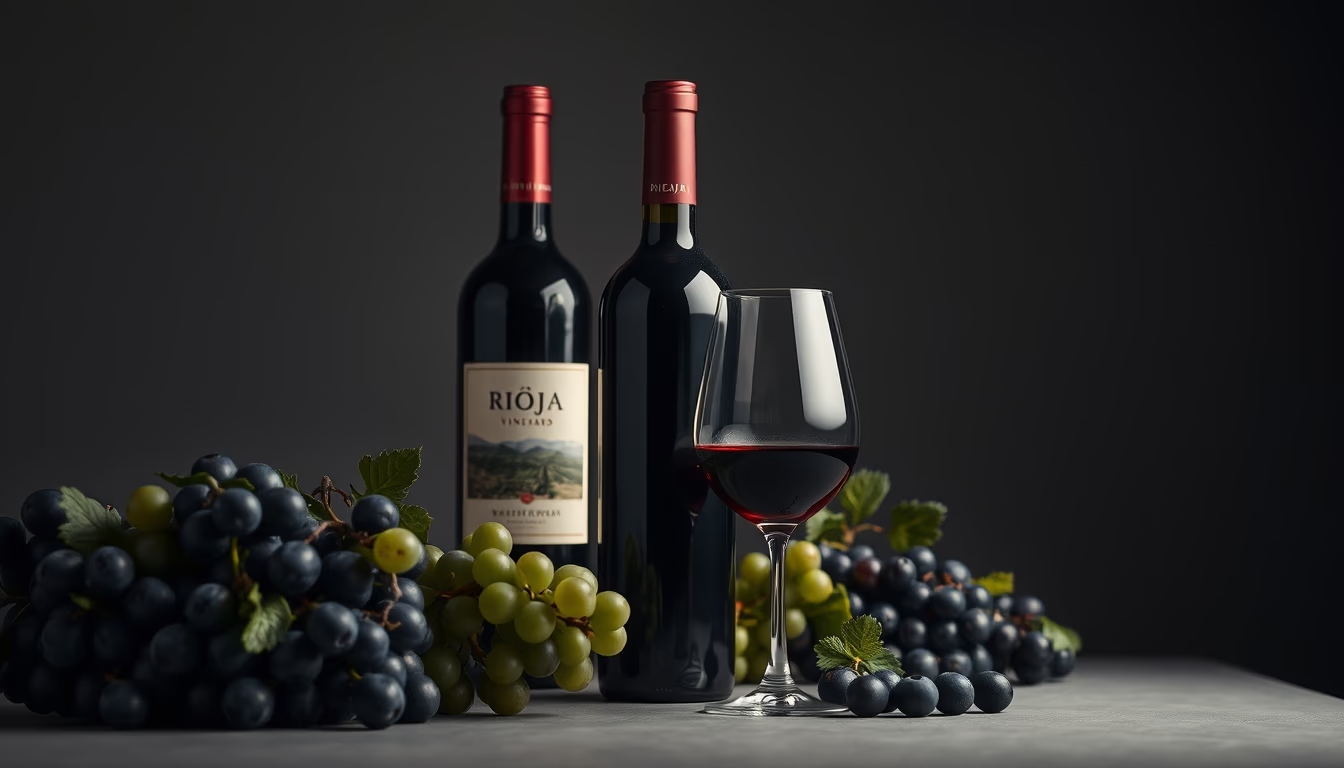
Rioja spain vineyards
1344×768 · AVIF · CC BY 4.0

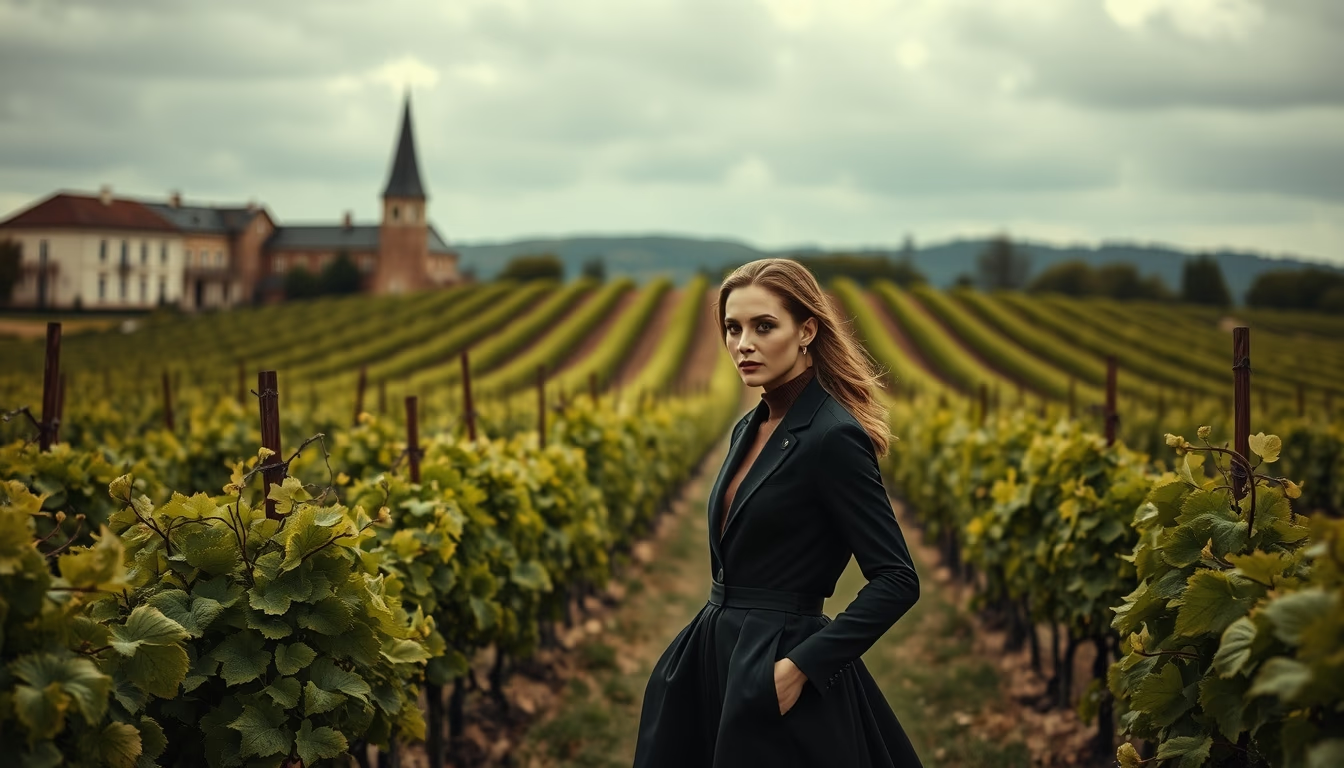
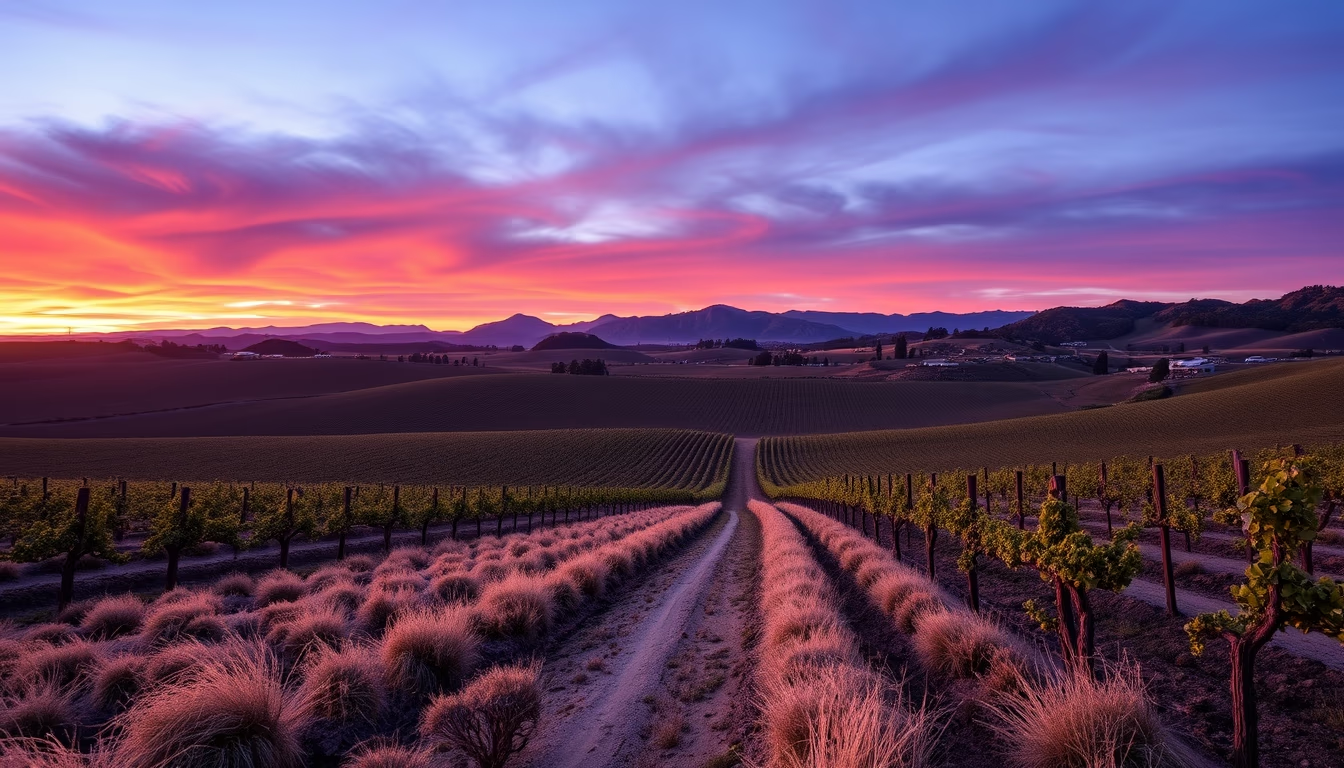
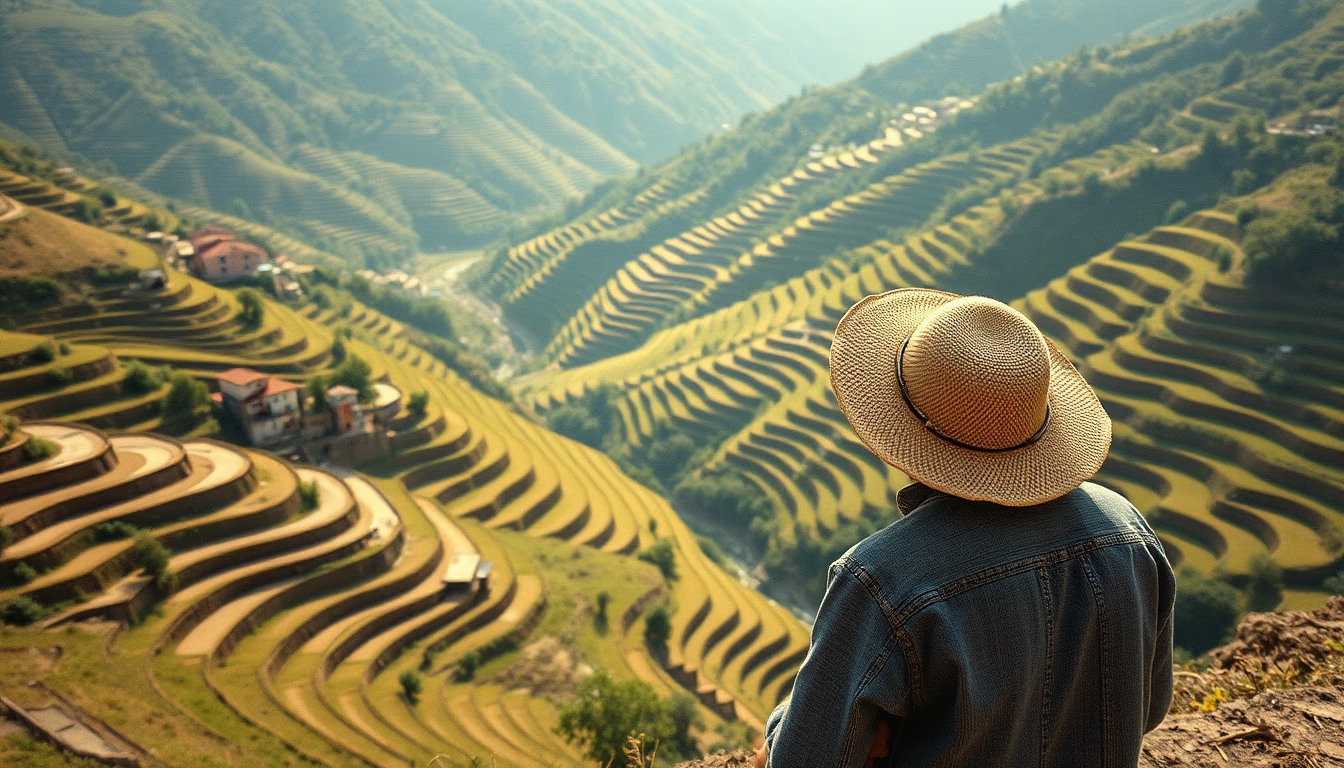
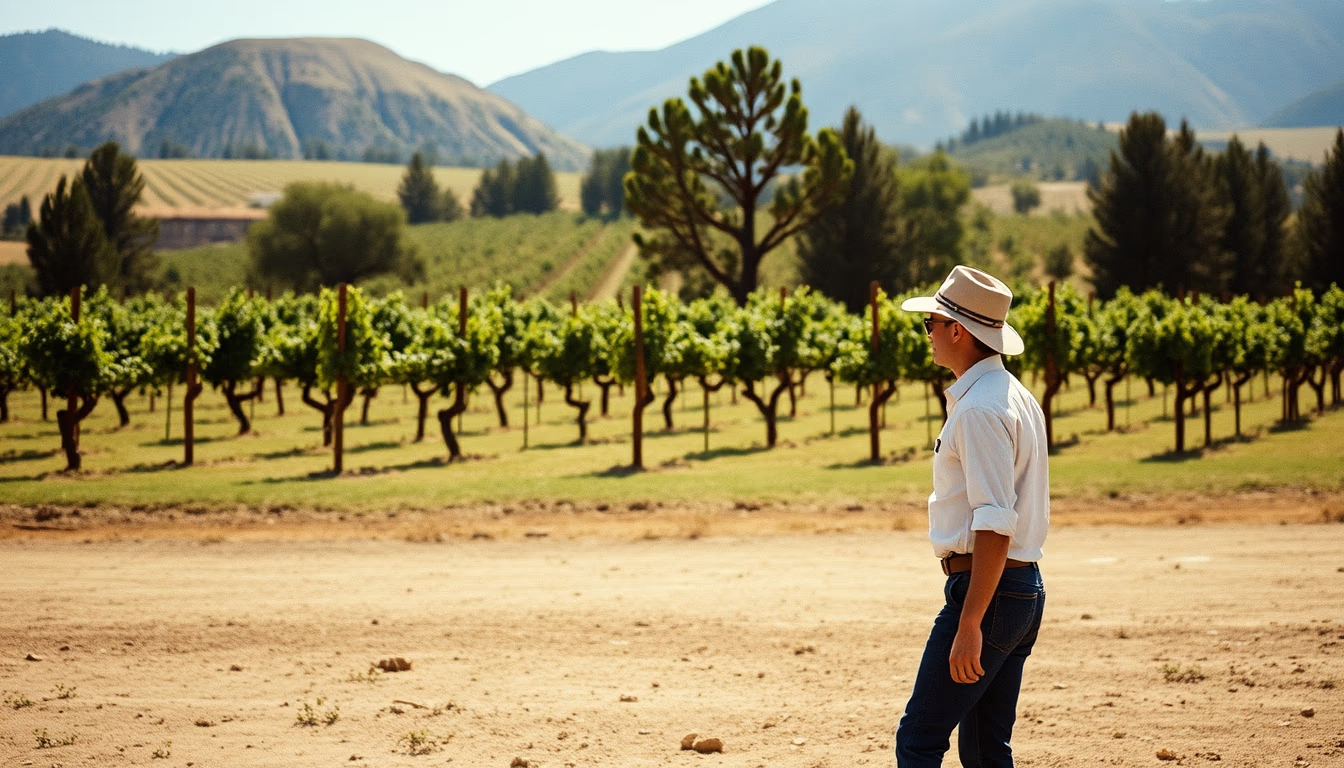
The vineyards of Rioja, Spain, constitute one of the world's most renowned wine regions, with centuries-old tradition and qualified Denomination of Origin status.
About this subject
The Rioja wine region, located in northern Spain, is globally renowned for its full-bodied red wines, especially those made from the Tempranillo grape. Bordered by the Ebro River and its tributaries, the area spans three autonomous communities: La Rioja, the Basque Country (Álava), and Navarre. Winemaking history in the region dates back to the Phoenicians and Romans, but it was in the 19th century, with the phylloxera outbreak in France, that French winemakers migrated to Rioja, bringing aging techniques in oak barrels that defined the classic style of local wines.
Rioja wines are classified according to strict aging criteria: Crianza (minimum two years, with one in barrel), Reserva (three years, with one in barrel), and Gran Reserva (five years, with two in barrel). The main red grape varieties include Tempranillo, Garnacha, Graciano, and Mazuelo, while whites are led by Viura. The region's soils are diverse, with the calcareous clay of Rioja Alta contributing elegance, and the more alluvial soils of Rioja Baja producing higher alcohol, fruit-forward wines.
Beyond wine quality, the vineyard landscape in Rioja is striking, with gentle hills and terraces following the Ebro River. The region houses numerous wineries, from traditional ones like Marqués de Riscal and CVNE to contemporary architectural projects such as Ysios winery, designed by Santiago Calatrava. Wine tourism is strong, with wine routes and events like the Batalla del Vino in Haro. Rioja's Denomination of Origin was one of Spain's first, established in 1925, and was elevated to DOCa (Denominación de Origen Calificada) in 1991, the highest quality tier in the Spanish system.
Frequently Asked Questions
What are the main grape varieties grown in Rioja?
The main red grapes are Tempranillo, Garnacha, Graciano, and Mazuelo. For white wines, Viura is predominant, along with Malvasía and Garnacha Blanca.
What is the difference between Rioja Alta, Rioja Alavesa, and Rioja Baja?
Rioja Alta has clay-limestone soils and moderate altitude, producing elegant wines. Rioja Alavesa has more limestone soils and balanced acidity. Rioja Baja is warmer and lower, yielding full-bodied, high-alcohol wines.
What does the Gran Reserva classification mean in Rioja wines?
Gran Reserva is the highest aging category: red wines must age at least 5 years, with 2 years in oak barrel and 3 years in bottle. These are complex wines suitable for long aging.
Direct URL
https://pub-c7d6a6ea828543ac903a74a341ccb2e1.r2.dev/imagens/rioja-spain-vineyards-studio-editorial-portrait-fresh5.avifHow to credit
Include a visible link back to UtilizAí. Copy one of the snippets below:
<a href="https://xn--utiliza-eza.com/en/midia/imagens/rioja-spain-vineyards-studio-editorial-portrait-fresh5">Rioja spain vineyards</a> by <a href="https://xn--utiliza-eza.com">UtilizAí</a>, licensed under <a href="https://creativecommons.org/licenses/by/4.0/">CC BY 4.0</a>.
[Rioja spain vineyards](https://xn--utiliza-eza.com/en/midia/imagens/rioja-spain-vineyards-studio-editorial-portrait-fresh5) by [UtilizAí](https://xn--utiliza-eza.com), CC BY 4.0
License: CC-BY-4.0