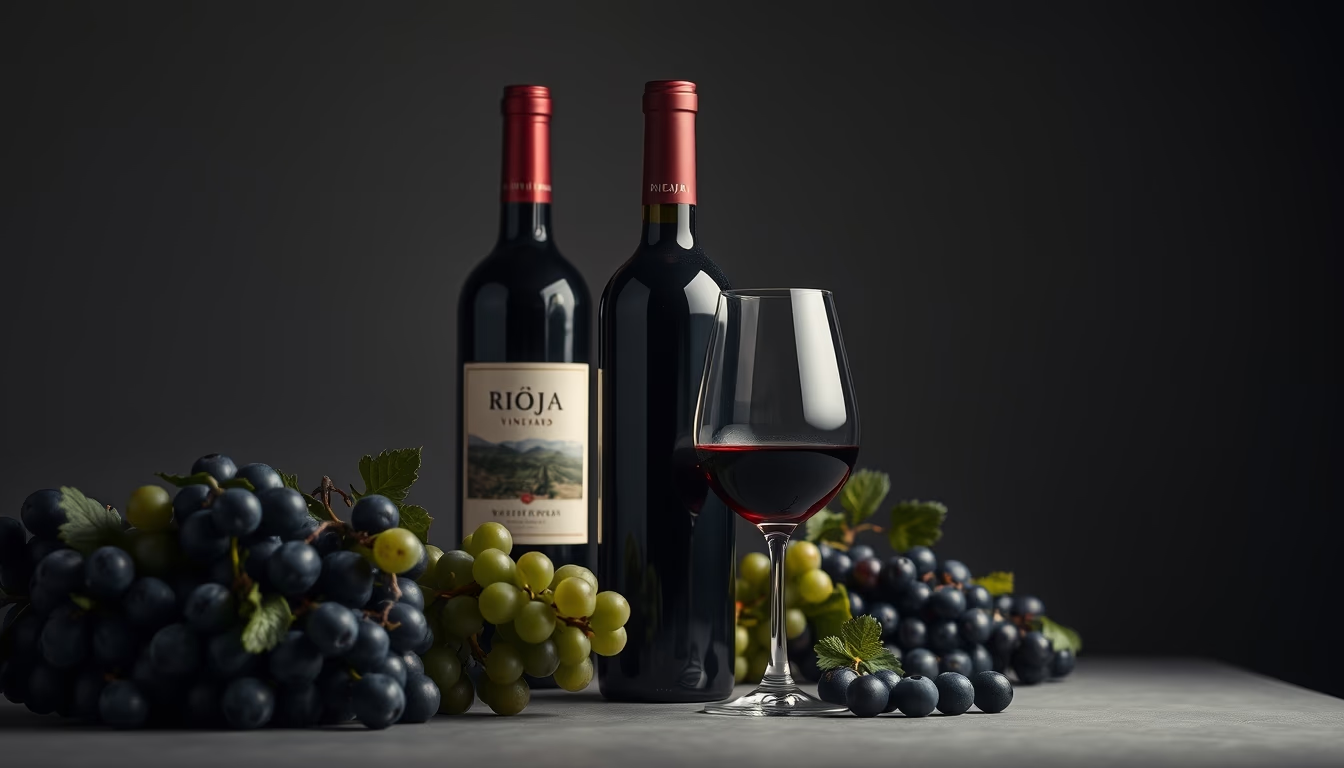
Rioja spain vineyards
1344×768 · AVIF · CC BY 4.0
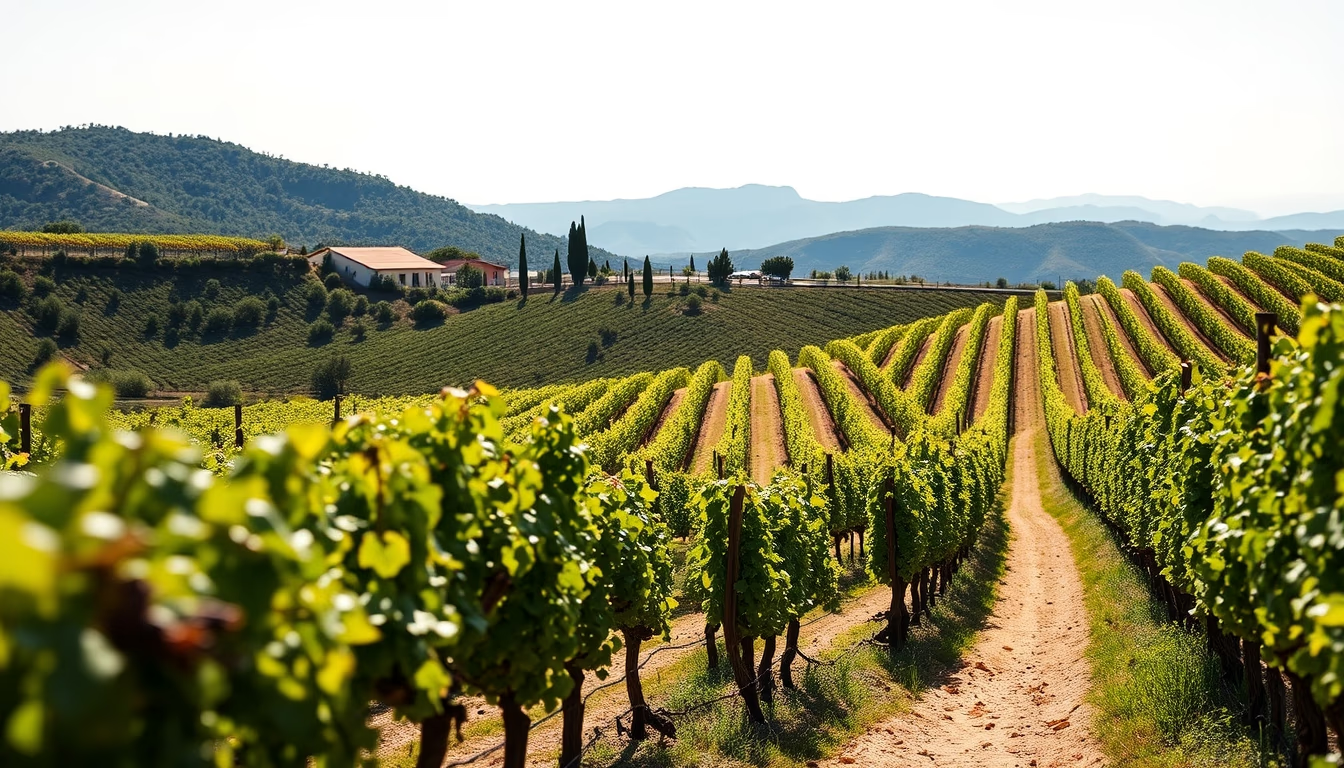
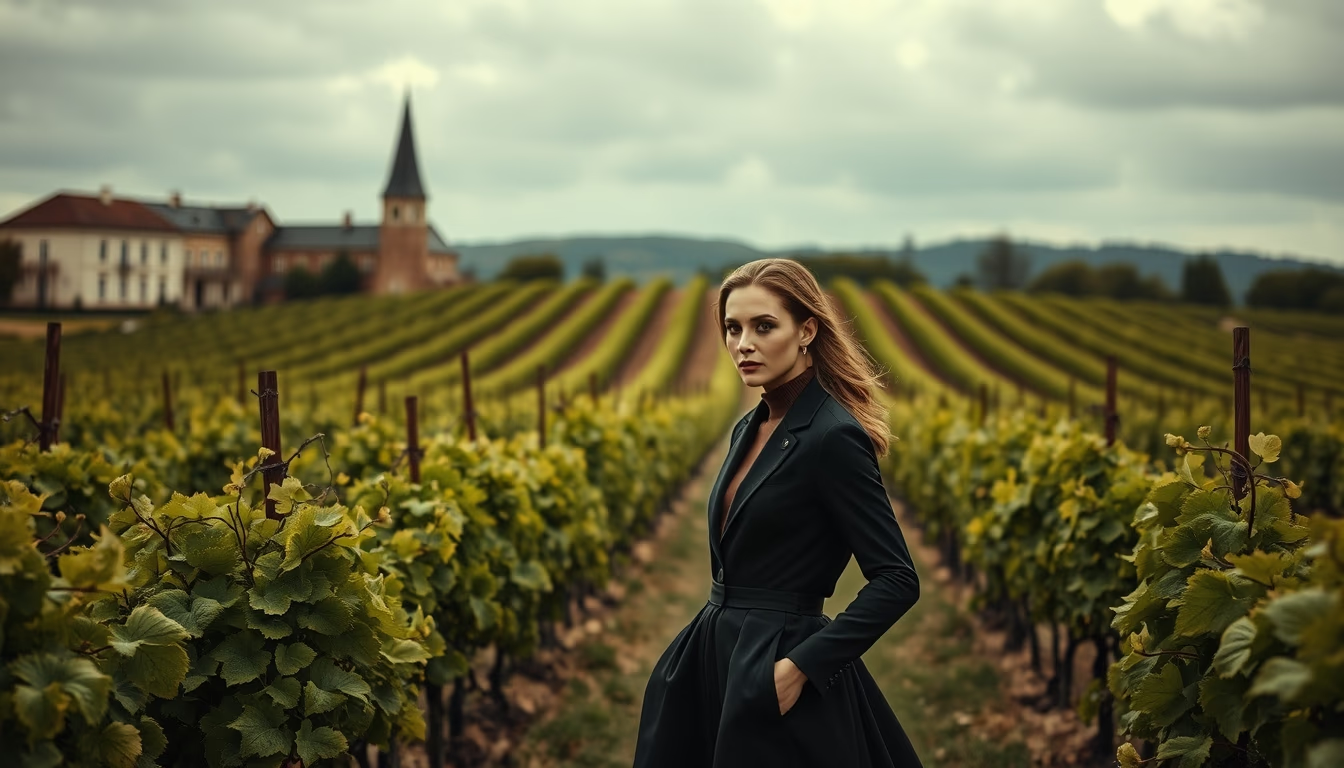
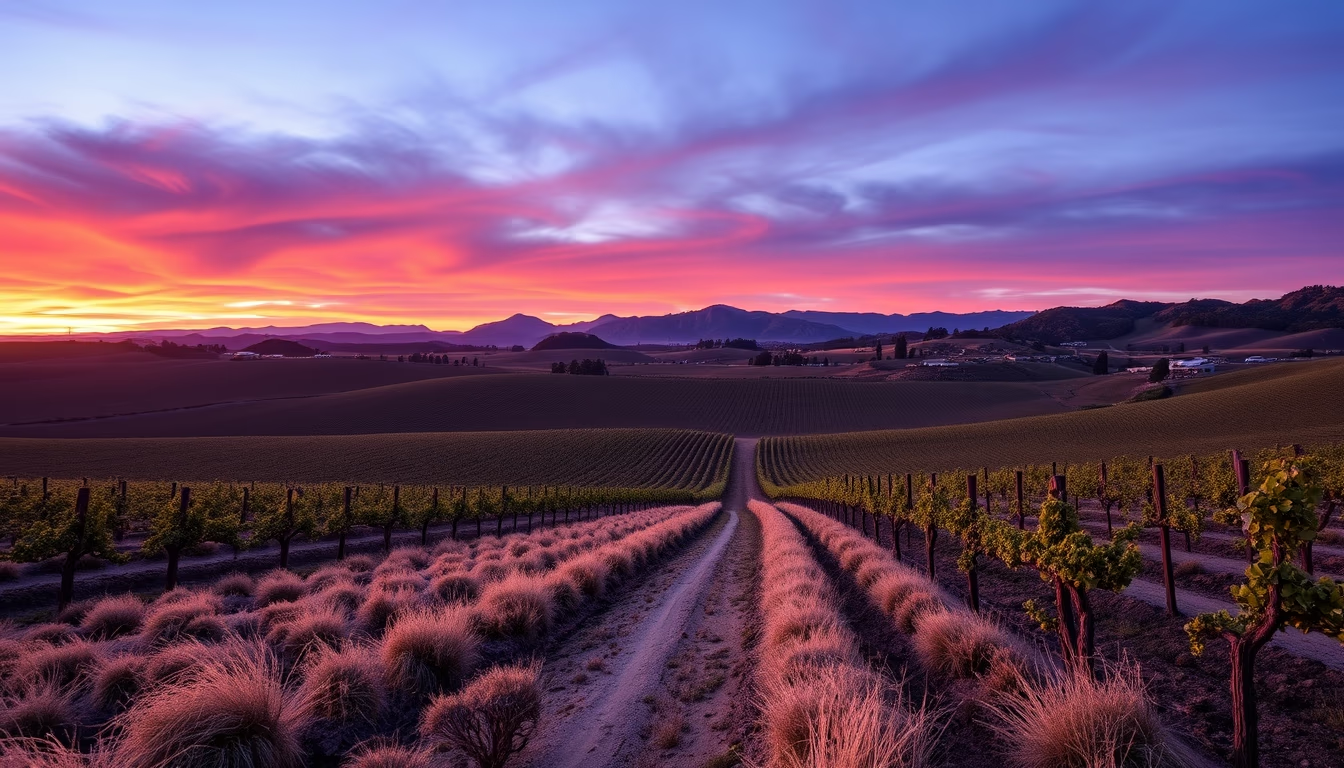
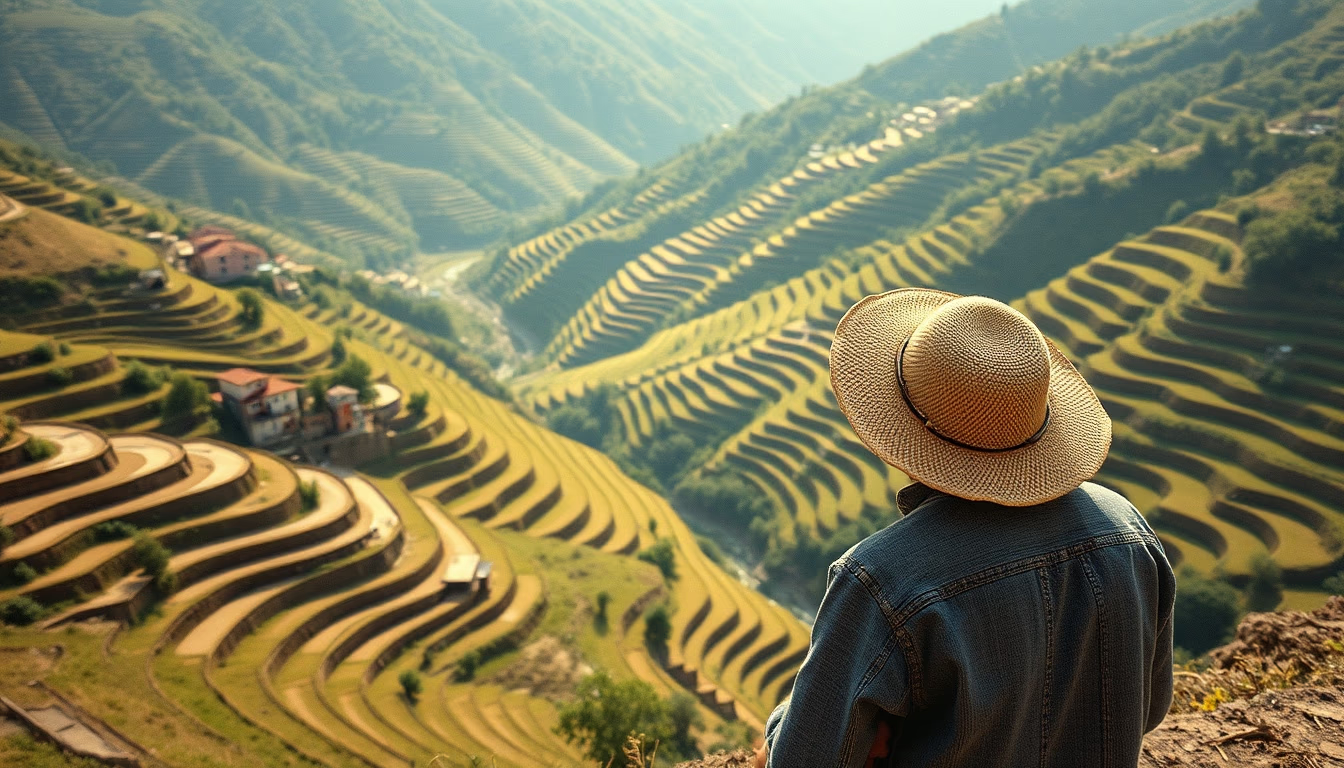
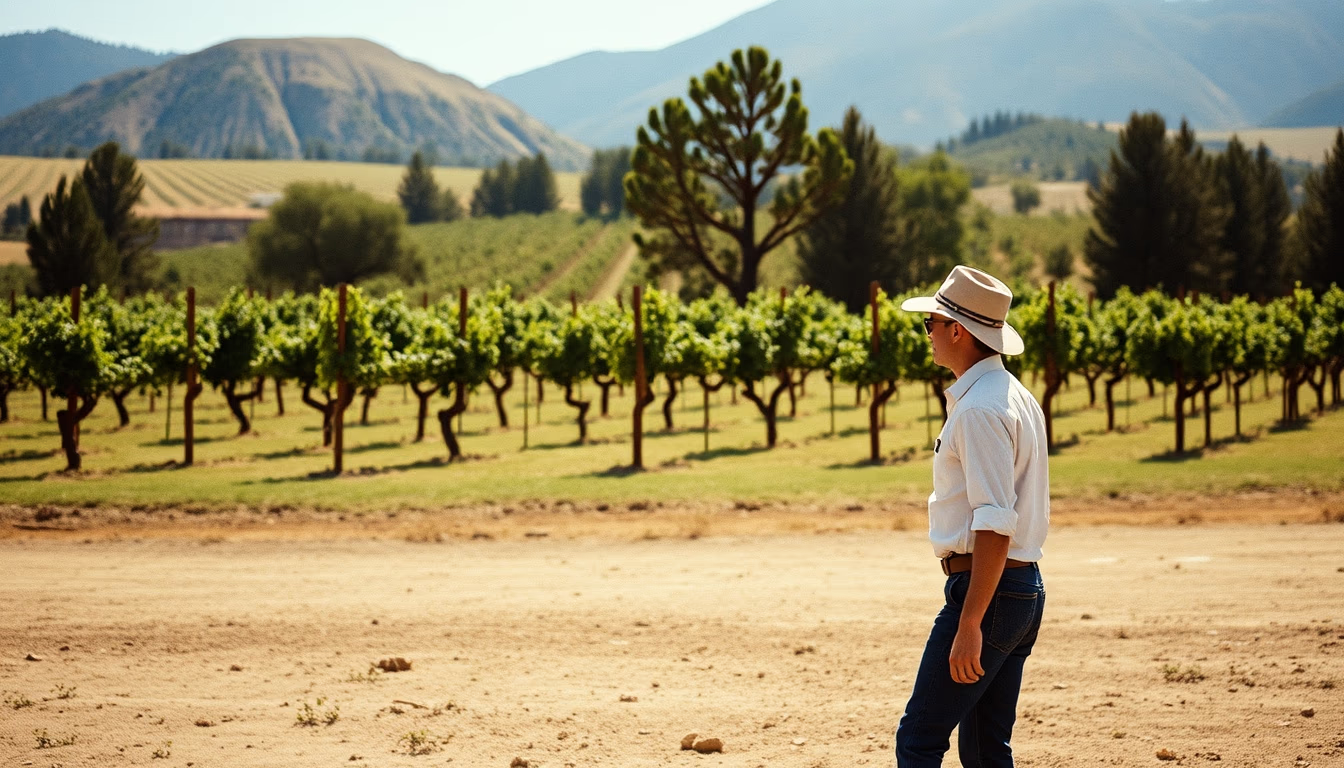
Rioja vineyards in Spain form an iconic landscape of ancient winemaking tradition and globally recognized denomination of origin.
About this subject
The Rioja wine region, located in northern Spain, is one of the most prestigious in the world. Bordered by the Ebro, Oja, and Najerilla rivers, it encompasses three sub-regions: Rioja Alta, Rioja Alavesa, and Rioja Oriental (formerly Rioja Baja). Each has distinct soil and microclimate characteristics, resulting in wines with unique personality. Rioja Alta, with high altitude and Atlantic climate, produces elegant and long-lived wines. Rioja Alavesa, on limestone soils, is known for its structured reds. Rioja Oriental, warmer and drier, yields full-bodied and fruity wines.
The Rioja Denomination of Origin was the first recognized in Spain in 1925, and it was elevated to DOCa (Qualified Denomination of Origin) in 1991, one of only two regions with that status in the country. Winemaking tradition dates back to Roman times, but it was in the 19th century, with the arrival of Bordeaux techniques, that the region modernized. The main red grapes are Tempranillo (the queen of the region), Garnacha, Graciano, and Mazuelo; white grapes include Viura, Malvasia, and Garnacha Blanca.
Rioja wines are classified by aging: Criança (at least two years, six months in barrel), Reserva (three years, one year in barrel), and Gran Reserva (five years, two years in barrel). This rigorous classification ensures quality and consistency. The vineyard landscape, with endless rows of vines and a backdrop of mountain ranges like the Sierra de Cantabria, is a cultural and natural heritage celebrated by wine lovers and travelers. Besides wine, Rioja offers rich gastronomy, with dishes such as roast lamb and piquillo peppers.
Frequently Asked Questions
What are the main grapes grown in Rioja?
The main red grapes are Tempranillo, Garnacha, Graciano, and Mazuelo. Whites include Viura, Malvasia, and Garnacha Blanca.
What is the difference between Rioja, Rioja Alta, and Rioja Alavesa?
Rioja is the overall region, divided into three sub-regions: Rioja Alta (high altitude, Atlantic climate, elegant wines), Rioja Alavesa (limestone soils, structured reds), and Rioja Oriental (warmer, full-bodied wines).
What do the terms Criança, Reserva, and Gran Reserva mean in Rioja wines?
They are aging classifications. Criança: minimum 2 years (6 months in barrel). Reserva: minimum 3 years (1 year in barrel). Gran Reserva: minimum 5 years (2 years in barrel).
Direct URL
https://pub-c7d6a6ea828543ac903a74a341ccb2e1.r2.dev/imagens/rioja-spain-vineyards-minimalist-composition-fresh8.avifHow to credit
Include a visible link back to UtilizAí. Copy one of the snippets below:
<a href="https://xn--utiliza-eza.com/en/midia/imagens/rioja-spain-vineyards-minimalist-composition-fresh8">Rioja spain vineyards</a> by <a href="https://xn--utiliza-eza.com">UtilizAí</a>, licensed under <a href="https://creativecommons.org/licenses/by/4.0/">CC BY 4.0</a>.
[Rioja spain vineyards](https://xn--utiliza-eza.com/en/midia/imagens/rioja-spain-vineyards-minimalist-composition-fresh8) by [UtilizAí](https://xn--utiliza-eza.com), CC BY 4.0
License: CC-BY-4.0