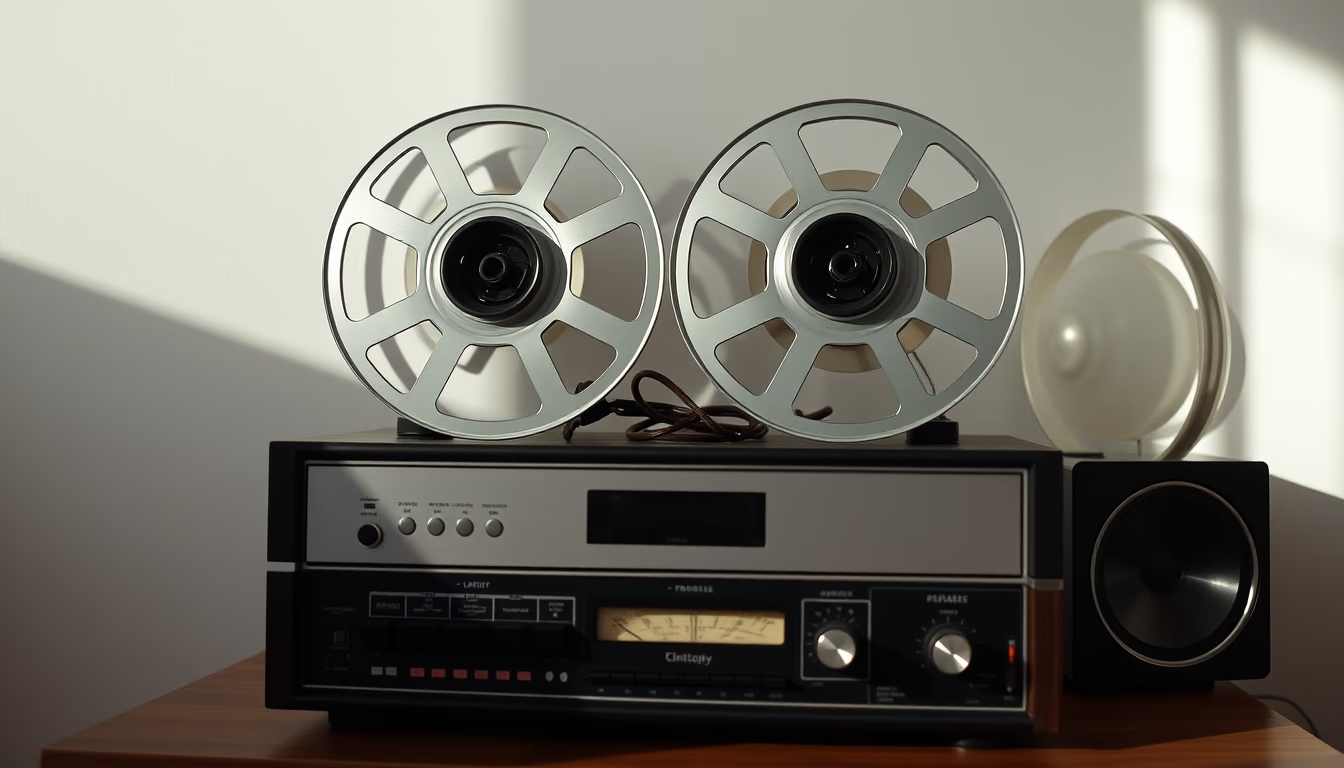
Reel to reel tape player
1344×768 · AVIF · CC BY 4.0
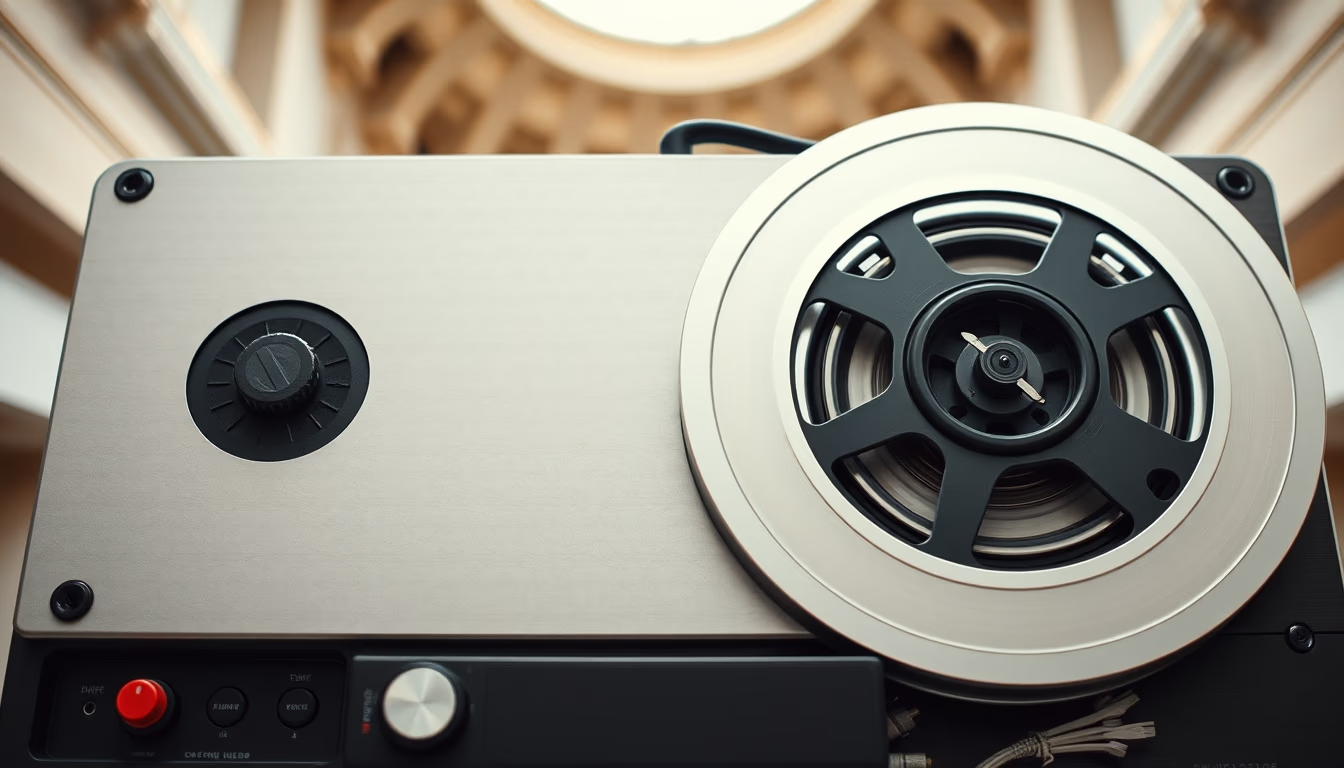
The reel-to-reel tape recorder was a milestone in analog recording, widely used in studios and by audiophiles from the 1950s to the 1980s.
About this subject
The reel-to-reel tape recorder uses magnetic tape wound between two reels to record and play back audio. Emerging in the 1940s from German magnetophon technology, it quickly became the professional studio standard. Brands like Ampex, Revox, and Nagra produced iconic models that enabled high-fidelity recording and tape editing by cutting.
Culturally, the reel-to-reel defined the golden age of radio and television, and was essential for music production until digital recorders arrived. In Brazil, units like the Revox A77 were used by stations such as Rádio Nacional. Magnetic tape offered harmonic richness that many sound engineers still seek, leading to a resurgence among producers who value analog sound.
Technically, machines varied in speed (e.g., 7.5 or 15 ips) and track count (mono, stereo, or multitrack up to 24 tracks in professional models). Quality depended on head calibration and tape formulation. Audiophiles preserve these machines and original tapes, as the natural compression and gentle saturation add character to recordings.
Today, reel-to-reel is a collector's item and also a tool in mastering studios aiming for vintage sound. The industrial design, with exposed reels and metal chassis, has become an aesthetic icon, often photographed in architectural and retro settings.
Frequently Asked Questions
How does a reel-to-reel tape recorder work?
Magnetic tape passes over recording and playback heads while unwinding from one reel to another. The recording head magnetizes the tape according to the audio signal, and the playback head reads that magnetization.
What is the difference between reel-to-reel and cassette?
Reel-to-reel uses wider tape (typically 1/4 inch) and higher speeds, offering superior fidelity. Cassette is compact and was popular for home use, with lower quality.
Why is analog sound still valued?
Analog recording adds natural compression and gentle harmonic distortion, considered musical. Many producers and audiophiles prefer this sound for its texture and warmth, which digital formats struggle to replicate.
Direct URL
https://pub-c7d6a6ea828543ac903a74a341ccb2e1.r2.dev/imagens/reel-to-reel-tape-player-architectural-photography-fresh4.avifHow to credit
Include a visible link back to UtilizAí. Copy one of the snippets below:
<a href="https://xn--utiliza-eza.com/en/midia/imagens/reel-to-reel-tape-player-architectural-photography-fresh4">Reel to reel tape player</a> by <a href="https://xn--utiliza-eza.com">UtilizAí</a>, licensed under <a href="https://creativecommons.org/licenses/by/4.0/">CC BY 4.0</a>.
[Reel to reel tape player](https://xn--utiliza-eza.com/en/midia/imagens/reel-to-reel-tape-player-architectural-photography-fresh4) by [UtilizAí](https://xn--utiliza-eza.com), CC BY 4.0
License: CC-BY-4.0