Reel to reel tape player
1344×768 · AVIF · CC BY 4.0
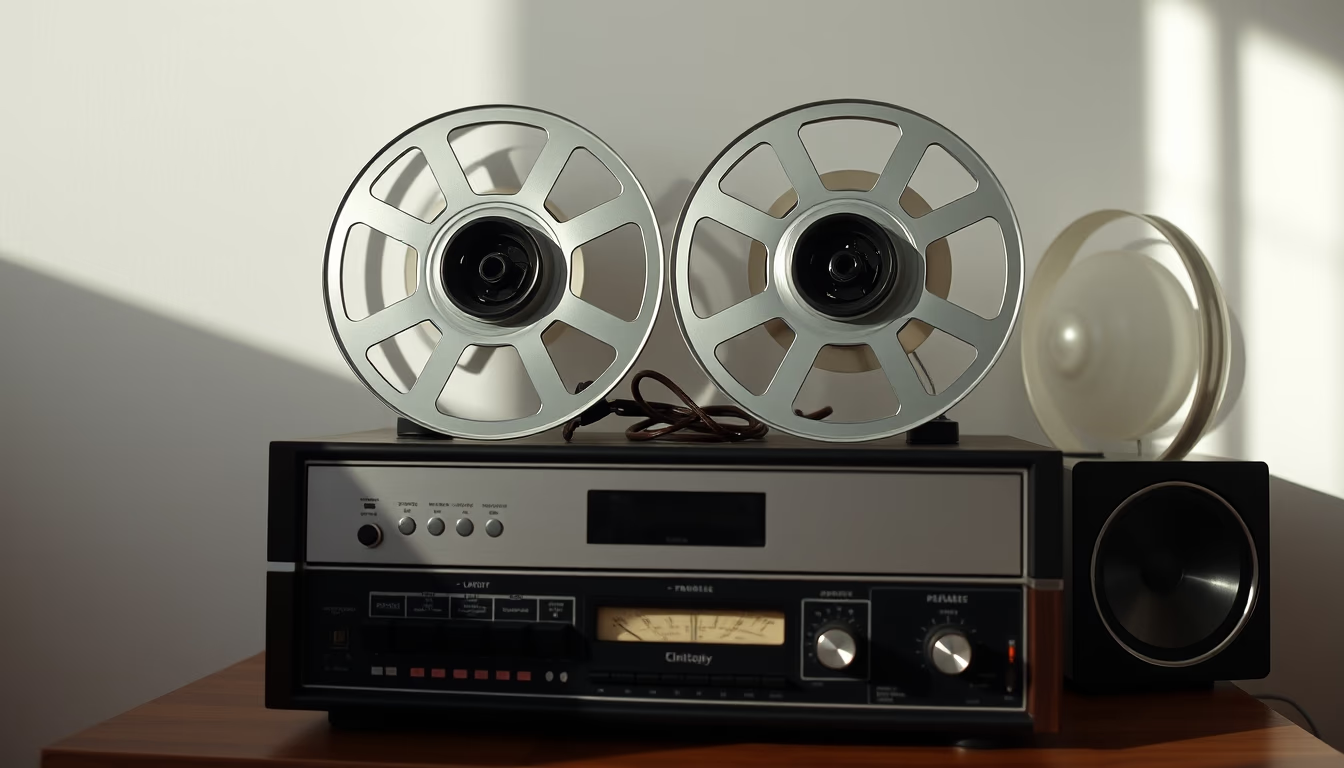
The open-reel tape recorder, a landmark in audio recording history, transformed music production and broadcasting in the 20th century.
About this subject
The open-reel tape recorder, also known as reel-to-reel, was the primary professional audio recording format from its invention in Germany in the 1930s until the rise of the cassette and digital recording. The technology relies on magnetic tape passing over recording and playback heads, driven by a precision motor. Companies like Ampex, Studer, and Sony developed iconic models that enabled tape splicing and editing, revolutionizing record production and radio broadcasting.
Unlike the compact cassette, the open-reel format offered wider tape and higher speeds (such as 15 ips or 30 ips), resulting in superior frequency response and lower noise. This made it the studio standard through the 1980s. Musicians like the Beatles and Pink Floyd used reel-to-reel recorders to create groundbreaking albums, exploring techniques such as overdubbing and magnetic tape loops.
Beyond professional use, consumer-grade models from brands like Akai and Teac allowed enthusiasts to make their own recordings and mix tapes. Maintenance requires regular head cleaning and demagnetization, and the tape is sensitive to extreme temperatures and humidity. The vinyl revival and vintage aesthetic have rekindled interest in reel-to-reel recorders among audiophiles and collectors, who appreciate their analog sound signature and the tactile nature of large reels.
Frequently Asked Questions
What is the difference between an open-reel recorder and a cassette?
Open-reel uses wider tape and higher speeds (15 or 30 inches per second), offering superior audio quality and lower noise. The compact cassette is slower and narrower, prioritizing portability and convenience.
Are reel-to-reel recorders still used today?
Yes, though rare, they are prized by audiophiles and recording engineers seeking a characteristic analog sound. They are also used in mastering and by musicians who prefer the tactile process of tape editing.
How does magnetic tape recording work?
A tape coated with magnetic particles passes over a recording head that aligns its magnetic domains according to the audio signal. During playback, the read head captures these variations and converts them back to sound. The tape can be erased and rerecorded.
Direct URL
https://pub-c7d6a6ea828543ac903a74a341ccb2e1.r2.dev/imagens/reel-to-reel-tape-player-minimalist-composition-fresh18.avifHow to credit
Include a visible link back to UtilizAí. Copy one of the snippets below:
<a href="https://xn--utiliza-eza.com/en/midia/imagens/reel-to-reel-tape-player-minimalist-composition-fresh18">Reel to reel tape player</a> by <a href="https://xn--utiliza-eza.com">UtilizAí</a>, licensed under <a href="https://creativecommons.org/licenses/by/4.0/">CC BY 4.0</a>.
[Reel to reel tape player](https://xn--utiliza-eza.com/en/midia/imagens/reel-to-reel-tape-player-minimalist-composition-fresh18) by [UtilizAí](https://xn--utiliza-eza.com), CC BY 4.0
License: CC-BY-4.0