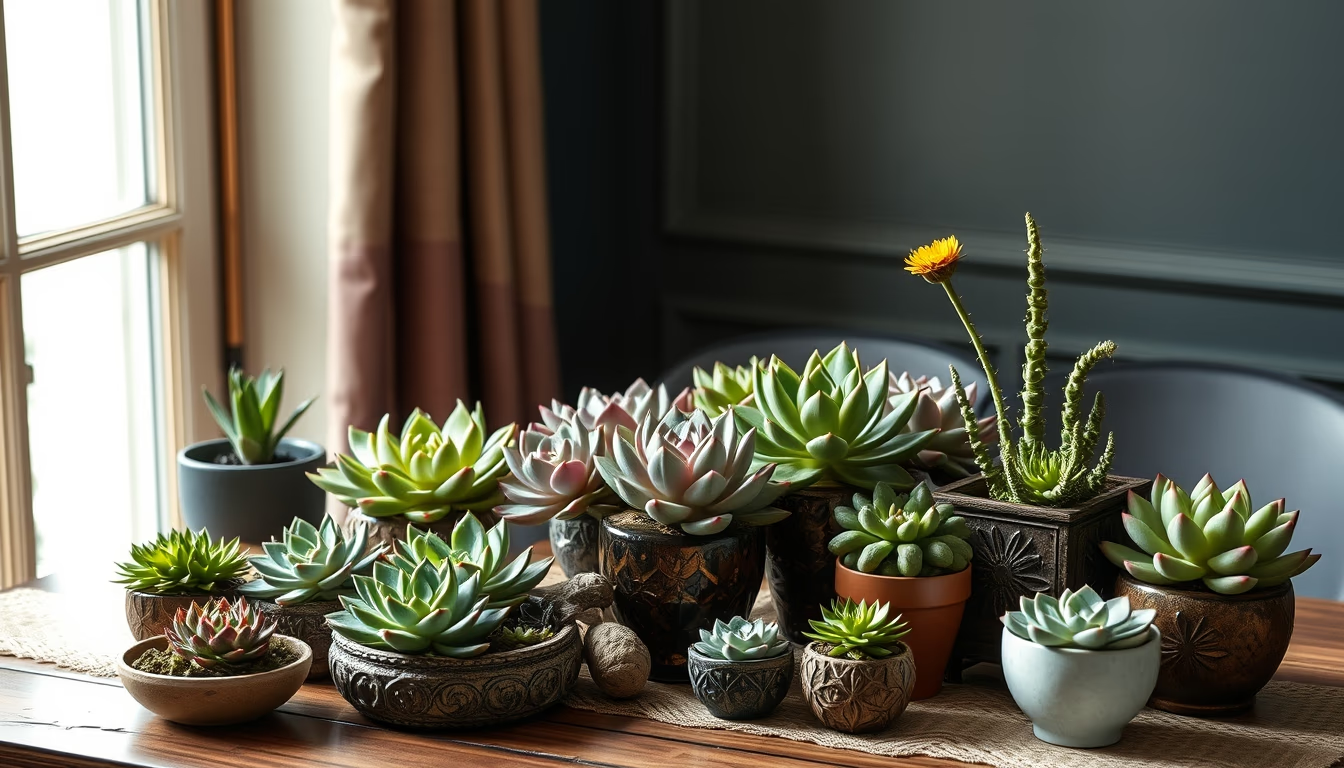
Rare plant nursery
1344×768 · AVIF · CC BY 4.0
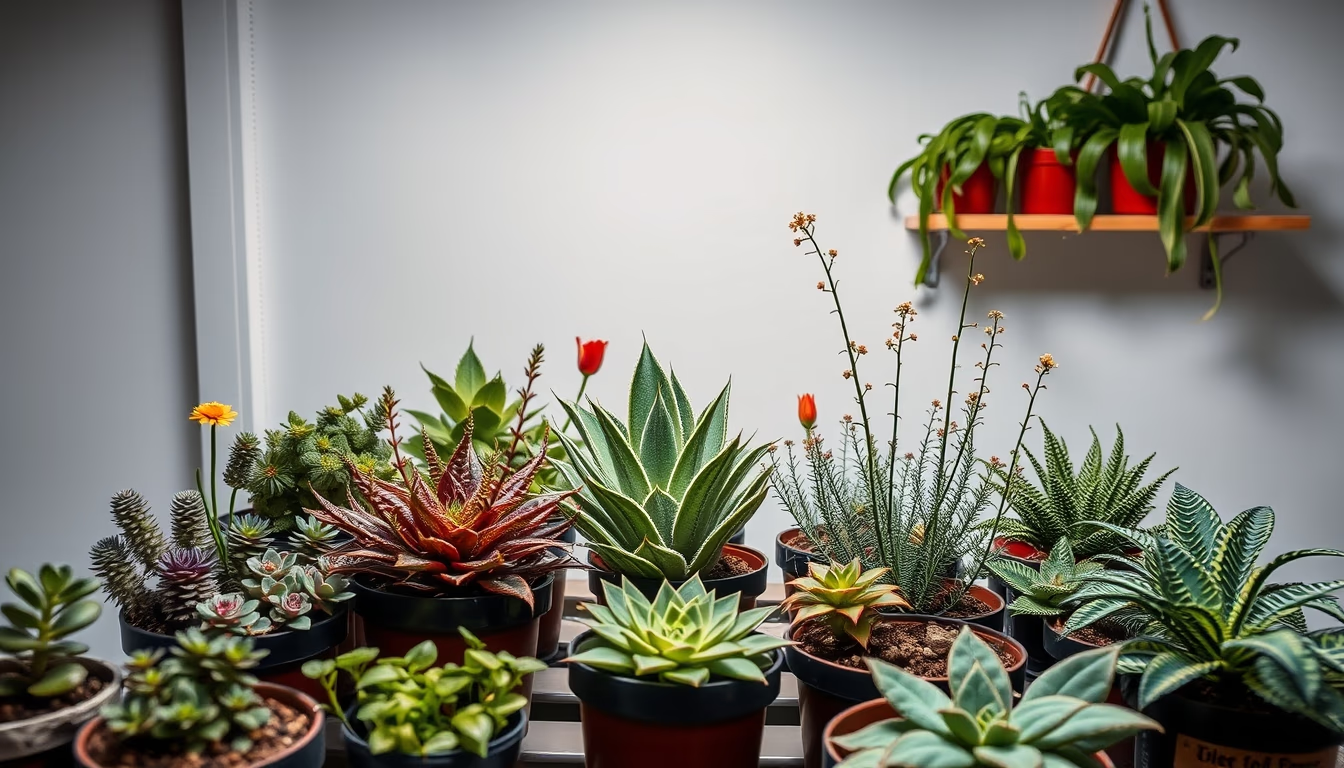
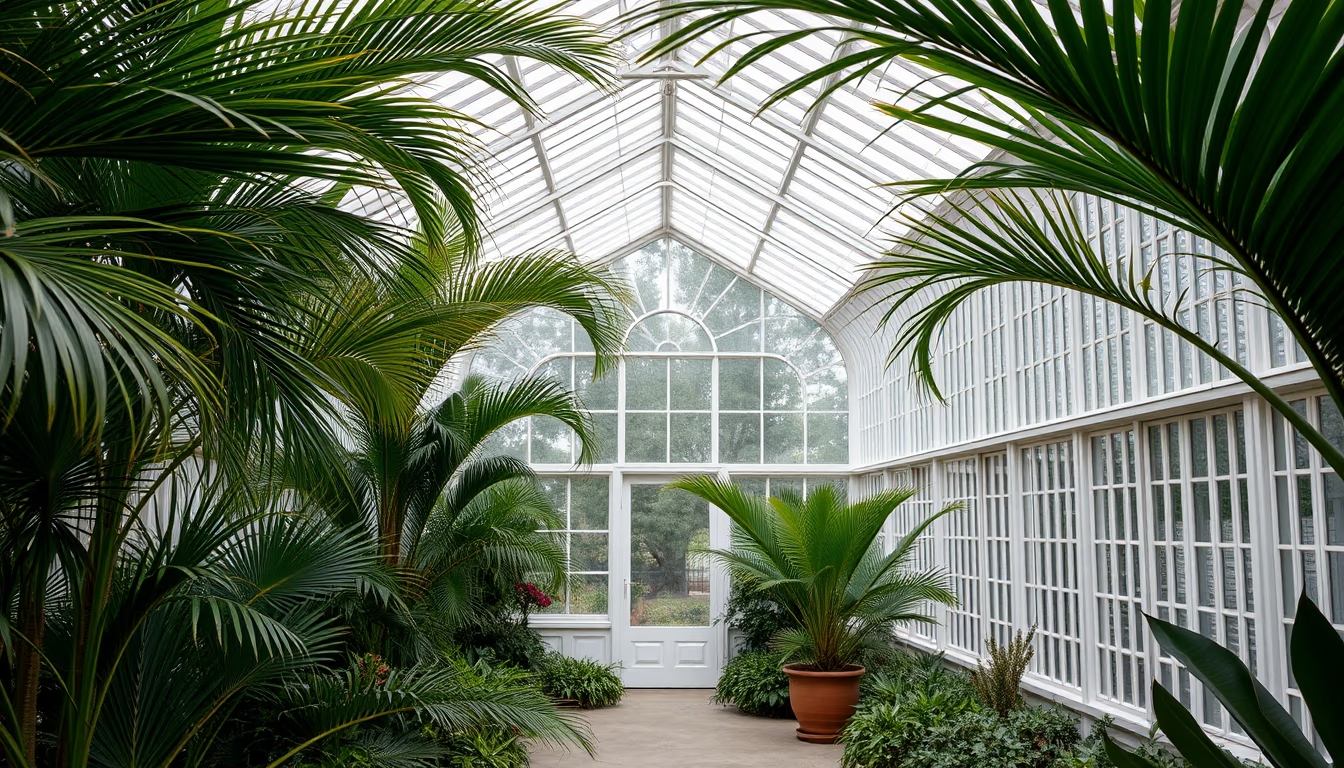
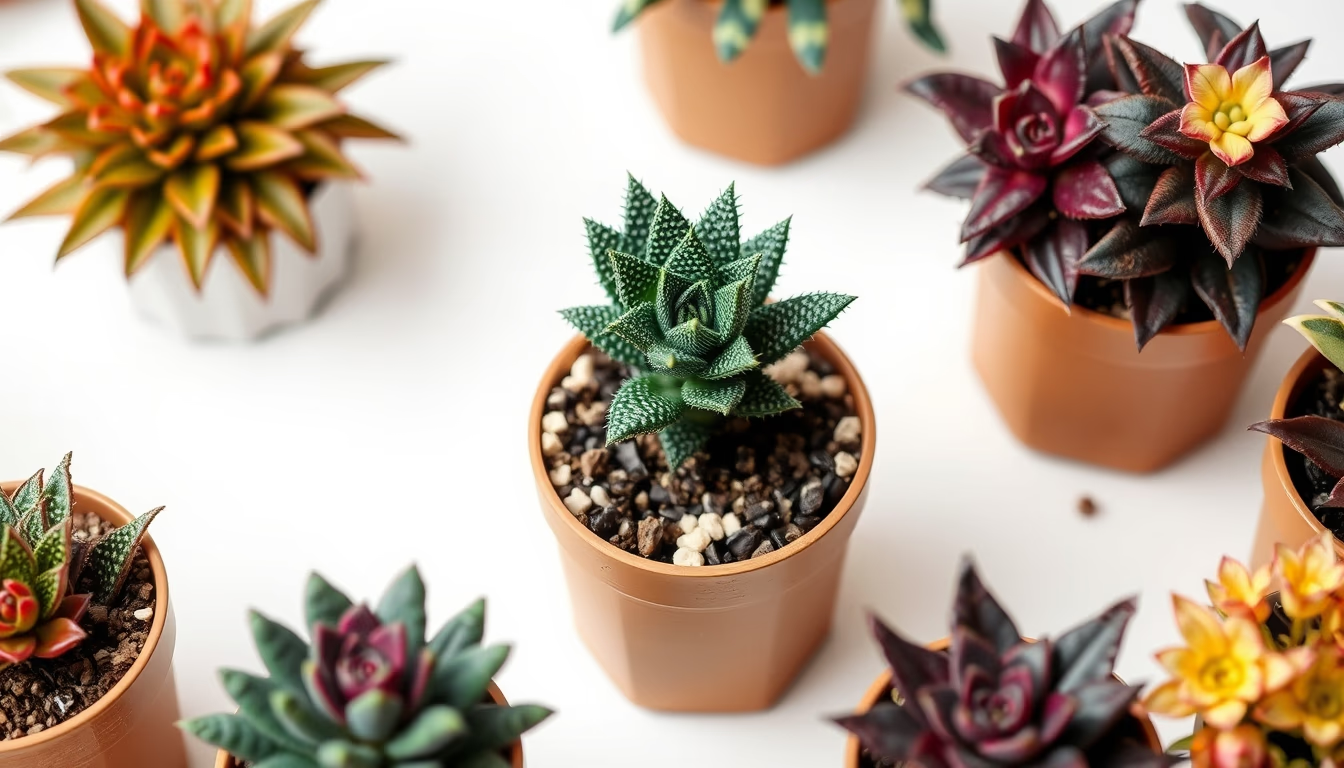
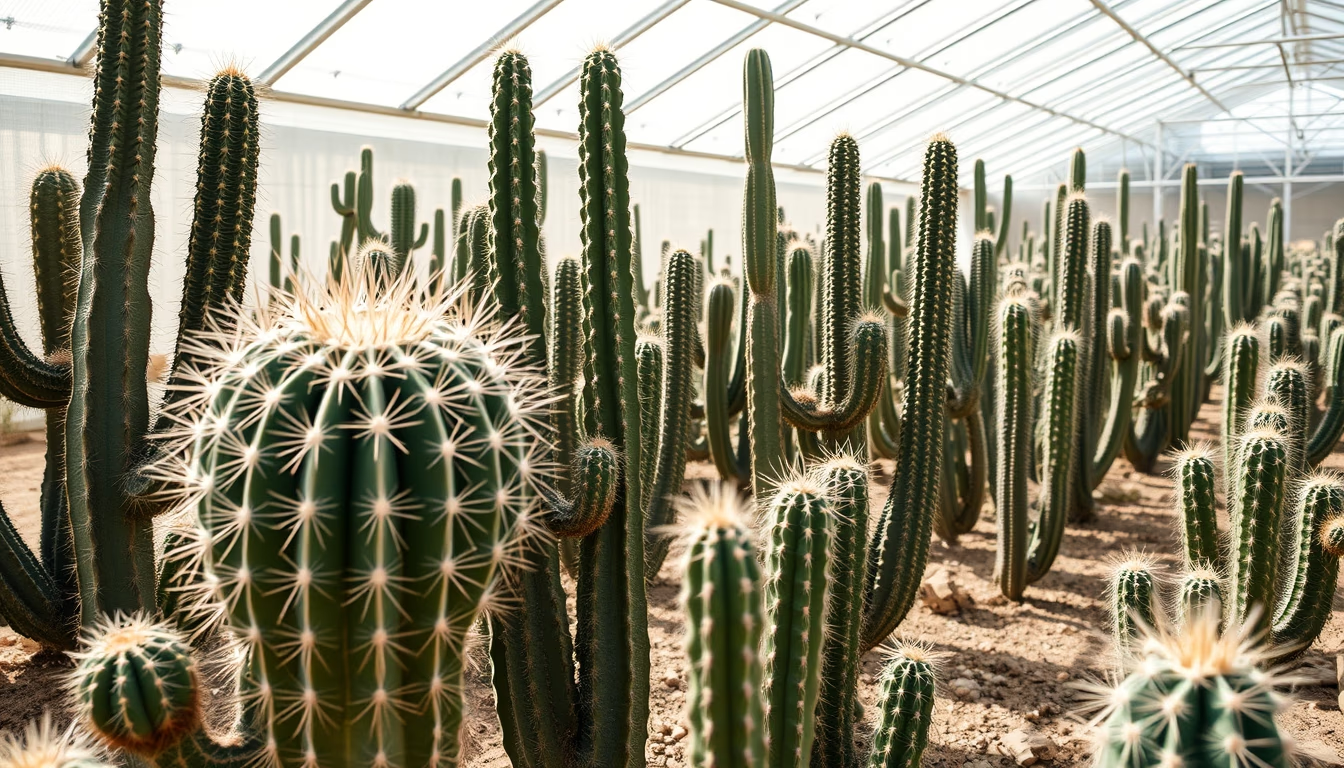
Viveiros especializados em plantas raras conservam espécies ameaçadas e oferecem variedades únicas para colecionadores e paisagistas.
Sobre o tema
Um viveiro de plantas raras é um estabelecimento dedicado à propagação, cultivo e comercialização de espécies botânicas incomuns ou ameaçadas de extinção. Diferente de viveiros convencionais, que focam em plantas ornamentais comuns, esses locais atuam como bancos de germoplasma vivos, preservando variedades que podem desaparecer na natureza devido à perda de habitat, mudanças climáticas ou coleta predatória. Muitos desses viveiros colaboram com jardins botânicos e institutos de pesquisa para manter populações geneticamente diversas.
Esses viveiros costumam abrigar espécies como suculentas raras, orquídeas exóticas, carnívoras, cicadáceas e araceae de coleção. Por exemplo, a Encephalartos woodii, uma das plantas mais raras do mundo, é propagada vegetativamente em viveiros especializados. O cultivo exige condições específicas de temperatura, umidade e substrato, além de conhecimento técnico sobre germinação, enxertia e micropropagação. Muitas vezes, as plantas são identificadas com códigos de rastreabilidade para evitar o comércio ilegal.
No Brasil, viveiros de plantas raras ganham destaque na Mata Atlântica e no Cerrado, biomas com alta endemismo. Espécies como a orquídea Cattleya walkeriana ou a palmeira-juçara (Euterpe edulis) são cultivadas para reduzir a pressão sobre populações naturais. Além do valor ecológico, essas plantas têm apelo estético e econômico: uma rara Monstera obliqua pode valer centenas de reais. A digitalização do comércio, com marketplaces especializados, ampliou o acesso a colecionadores no mundo inteiro.
Curiosidade: alguns viveiros funcionam como santuários, repatriando espécies confiscadas pelo Ibama ou pela Polícia Federal. O cultivo ex situ é uma estratégia complementar à conservação in situ, e cada exemplar vendido pode incluir um certificado de origem. Para o entusiasta, visitar um viveiro de plantas raras é uma imersão na biodiversidade e no trabalho minucioso de preservação.
Perguntas frequentes
O que é um viveiro de plantas raras?
É um local especializado na propagação e venda de espécies botânicas incomuns ou ameaçadas, atuando na conservação ex situ e no abastecimento de colecionadores e paisagistas.
Quais plantas são consideradas raras?
Plantas com distribuição geográfica restrita, populações pequenas, ou ameaçadas de extinção. Exemplos incluem orquídeas como Cattleya walkeriana, suculentas como Haworthia truncata, e carnívoras como Drosera regia.
Como identificar um viveiro de plantas raras confiável?
Verifique se o viveiro possui licença do órgão ambiental (no Brasil, o Registro no CNPJ e licença do Ibama), fornece certificados de origem e oferece informações sobre a procedência legal das plantas.
URL direta
https://pub-c7d6a6ea828543ac903a74a341ccb2e1.r2.dev/imagens/rare-plant-nursery-studio-still-life-fresh4.avifComo creditar
Inclua um link visível de volta pro UtilizAí. Copie um dos snippets abaixo:
<a href="https://xn--utiliza-eza.com/midia/imagens/rare-plant-nursery-studio-still-life-fresh4">Rare plant nursery</a> by <a href="https://xn--utiliza-eza.com">UtilizAí</a>, licensed under <a href="https://creativecommons.org/licenses/by/4.0/">CC BY 4.0</a>.
[Rare plant nursery](https://xn--utiliza-eza.com/midia/imagens/rare-plant-nursery-studio-still-life-fresh4) by [UtilizAí](https://xn--utiliza-eza.com), CC BY 4.0
Licença: CC-BY-4.0