Rare plant nursery
1344×768 · AVIF · CC BY 4.0
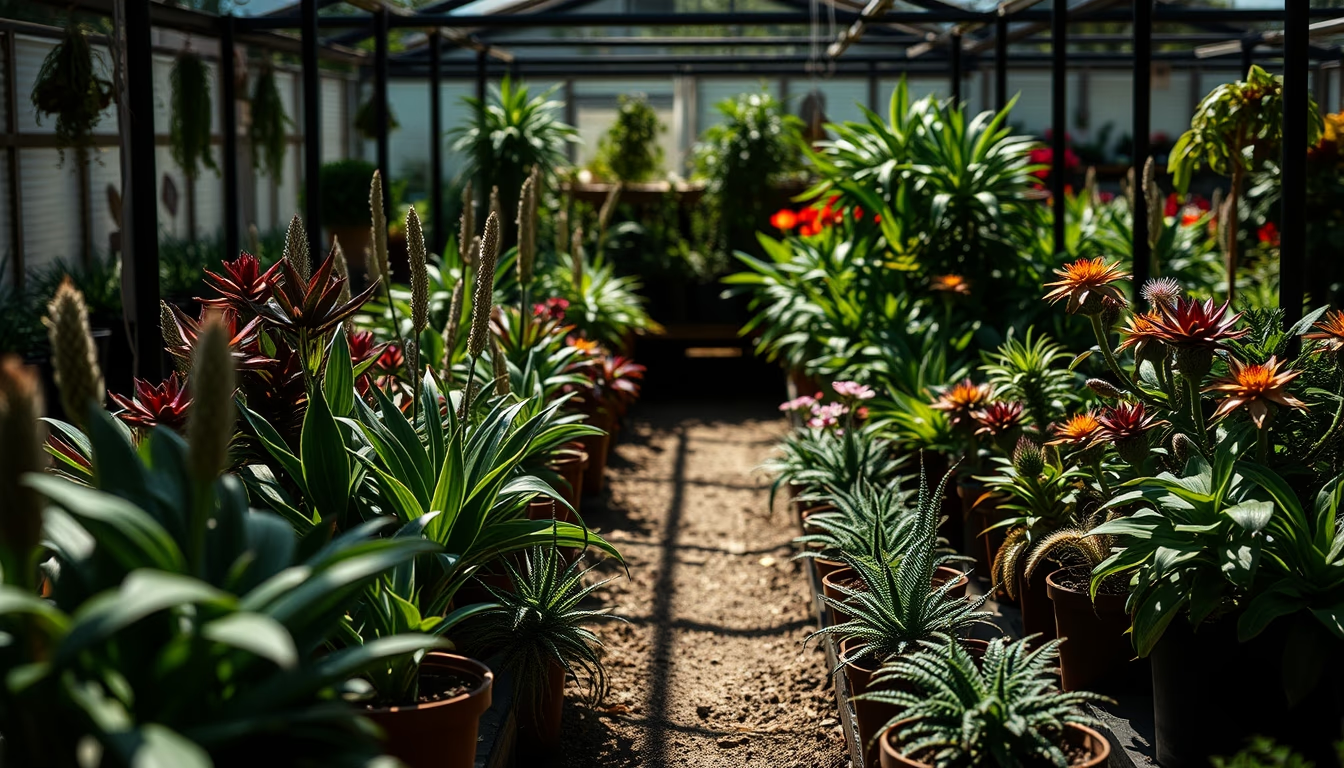
A rare plant nursery is a facility dedicated to propagating and conserving threatened plant species, often rare in the wild.
About this subject
A rare plant nursery is a specialized facility dedicated to the propagation and cultivation of plant species with restricted distribution, low population numbers, or high extinction risk. These nurseries play a critical role in ex situ conservation by maintaining living collections that serve as genetic reservoirs. Unlike common commercial nurseries, they focus on endemic, threatened, or ecologically and scientifically important species, often collaborating with botanical gardens, universities, and environmental agencies.
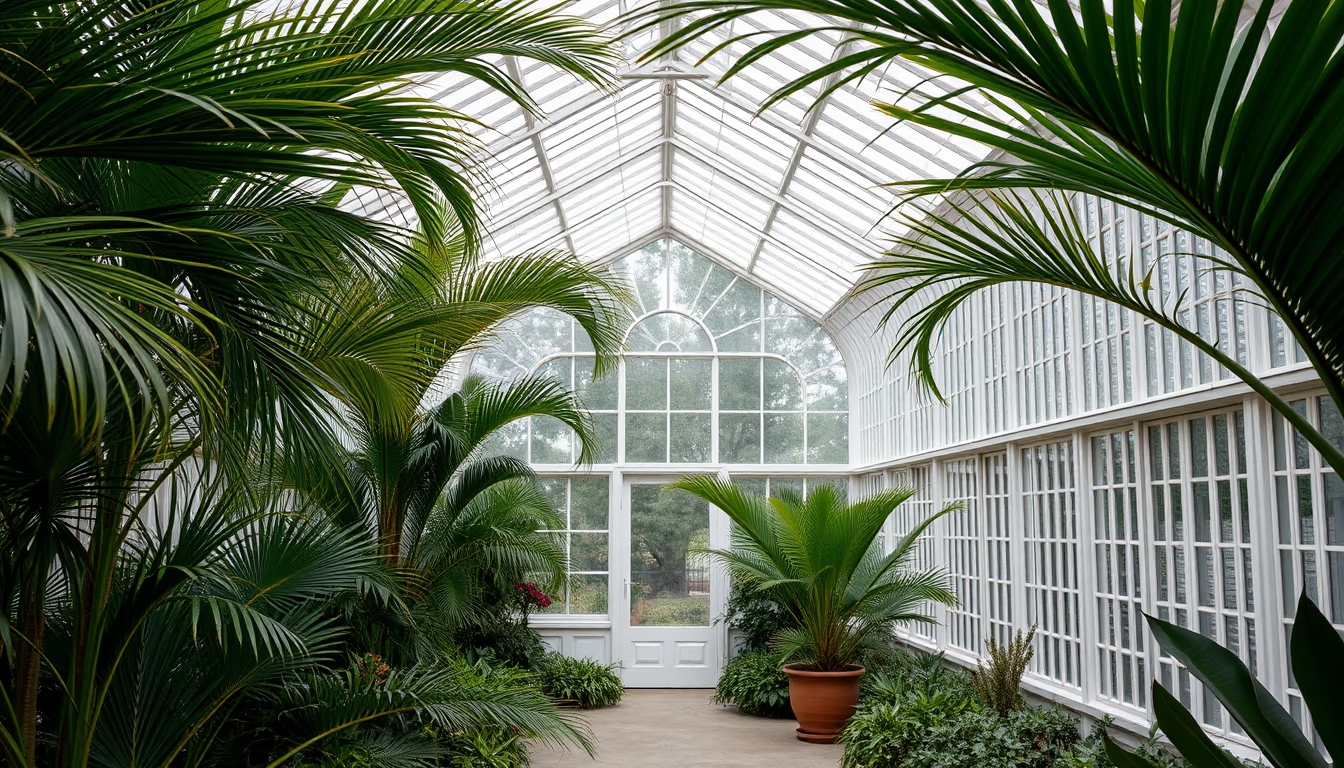
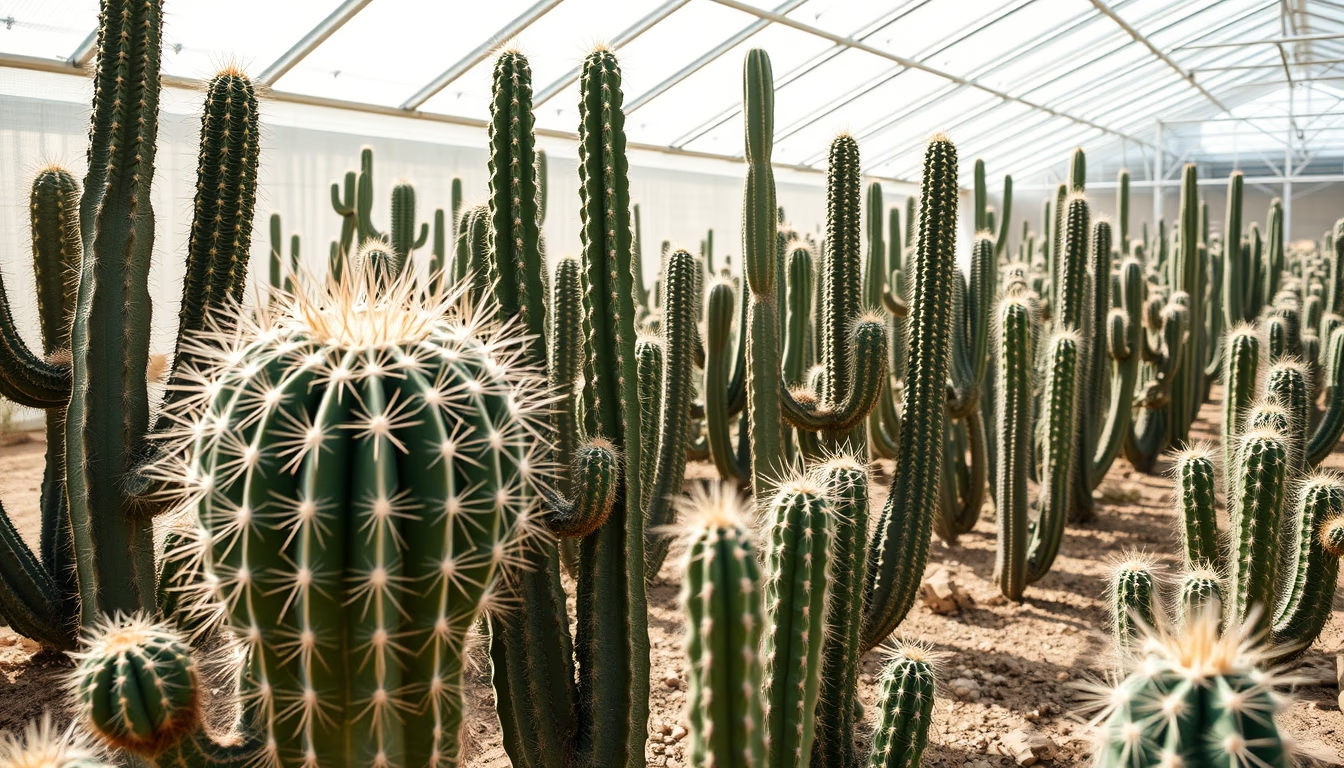
Propagation techniques vary by species and include seed germination, cuttings, grafting, and tissue culture. Rare orchids, endangered cacti, and endemic palms require specific soil, humidity, and light conditions replicated in controlled greenhouses. Some nurseries use misting systems and specialized substrates to mimic natural habitats, which is crucial for seeds that depend on symbiotic microorganisms in the wild.
These nurseries produce seedlings for reintroduction programs in degraded or protected areas, supply material for scientific research, and support environmental education. Notable examples include the nursery at the Rio de Janeiro Botanical Garden, which conserves Atlantic Forest species, and the Millennium Seed Bank in the UK, which stores seeds from thousands of rare plants. Propagating a rare species can take years, such as certain palms that require decades to flower.
Many rare plant nurseries also serve private collectors, provided collection is legal and sustainable. However, demand for exotic species necessitates strict oversight to prevent illegal trafficking. Today, these nurseries are vital allies in combating biodiversity loss, ensuring future generations can know plants that might otherwise disappear.
Frequently Asked Questions
What distinguishes a rare plant nursery from a common nursery?
Rare plant nurseries focus on conserving threatened, endemic, or scientifically important species using specialized propagation techniques and maintaining genetic banks. Common nurseries prioritize ornamental or agricultural species that are easy to grow.
What techniques are used to propagate rare plants?
Techniques include seed germination with specific treatments, cuttings, grafting, and tissue culture. Special substrates and controlled environments are often needed to replicate natural habitat conditions.
How do rare plant nurseries help conservation?
They produce seedlings for reintroduction into native areas, store genetic material, support research, and promote environmental education. They also prevent destructive collection by legally supplying plants to collectors.
Direct URL
https://pub-c7d6a6ea828543ac903a74a341ccb2e1.r2.dev/imagens/rare-plant-nursery-rembrandt-lighting-dramatic-shadows-fresh9.avifHow to credit
Include a visible link back to UtilizAí. Copy one of the snippets below:
<a href="https://xn--utiliza-eza.com/en/midia/imagens/rare-plant-nursery-rembrandt-lighting-dramatic-shadows-fresh9">Rare plant nursery</a> by <a href="https://xn--utiliza-eza.com">UtilizAí</a>, licensed under <a href="https://creativecommons.org/licenses/by/4.0/">CC BY 4.0</a>.
[Rare plant nursery](https://xn--utiliza-eza.com/en/midia/imagens/rare-plant-nursery-rembrandt-lighting-dramatic-shadows-fresh9) by [UtilizAí](https://xn--utiliza-eza.com), CC BY 4.0
License: CC-BY-4.0