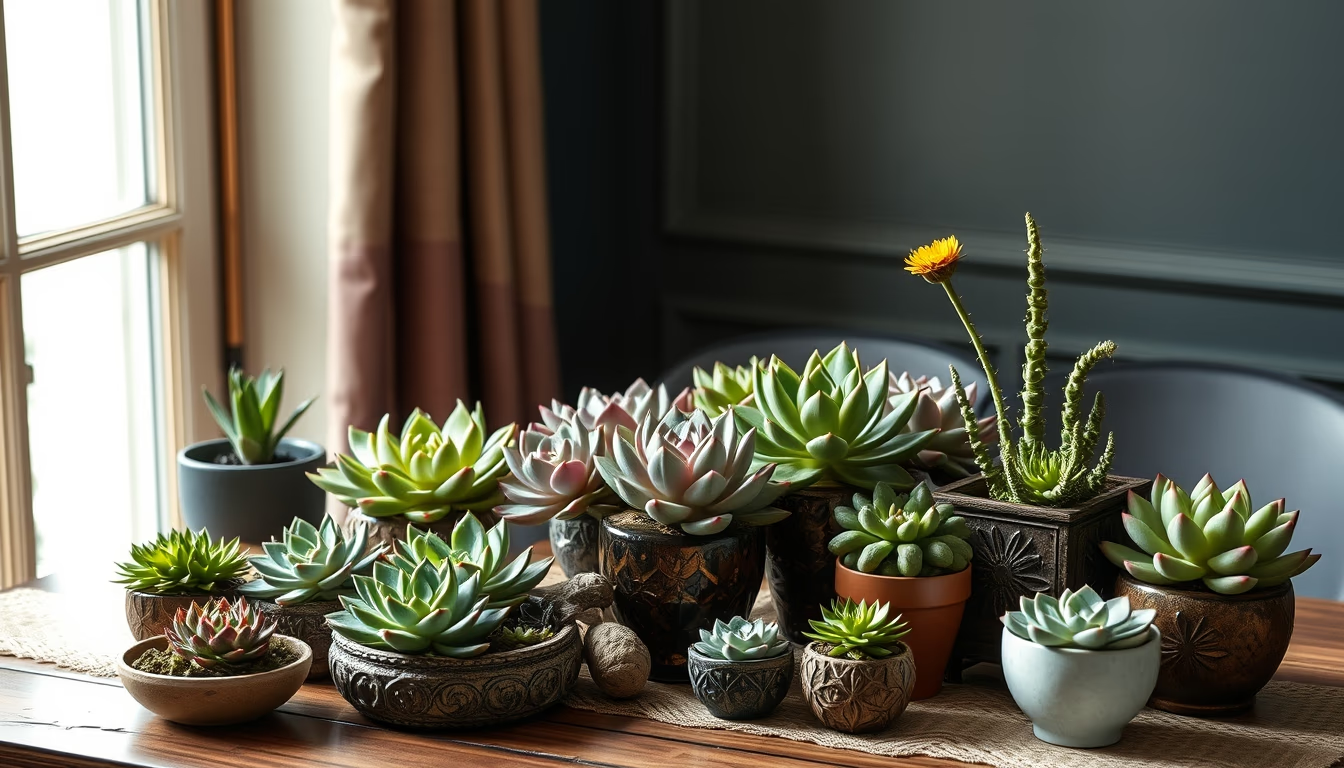
Rare plant nursery
1344×768 · AVIF · CC BY 4.0
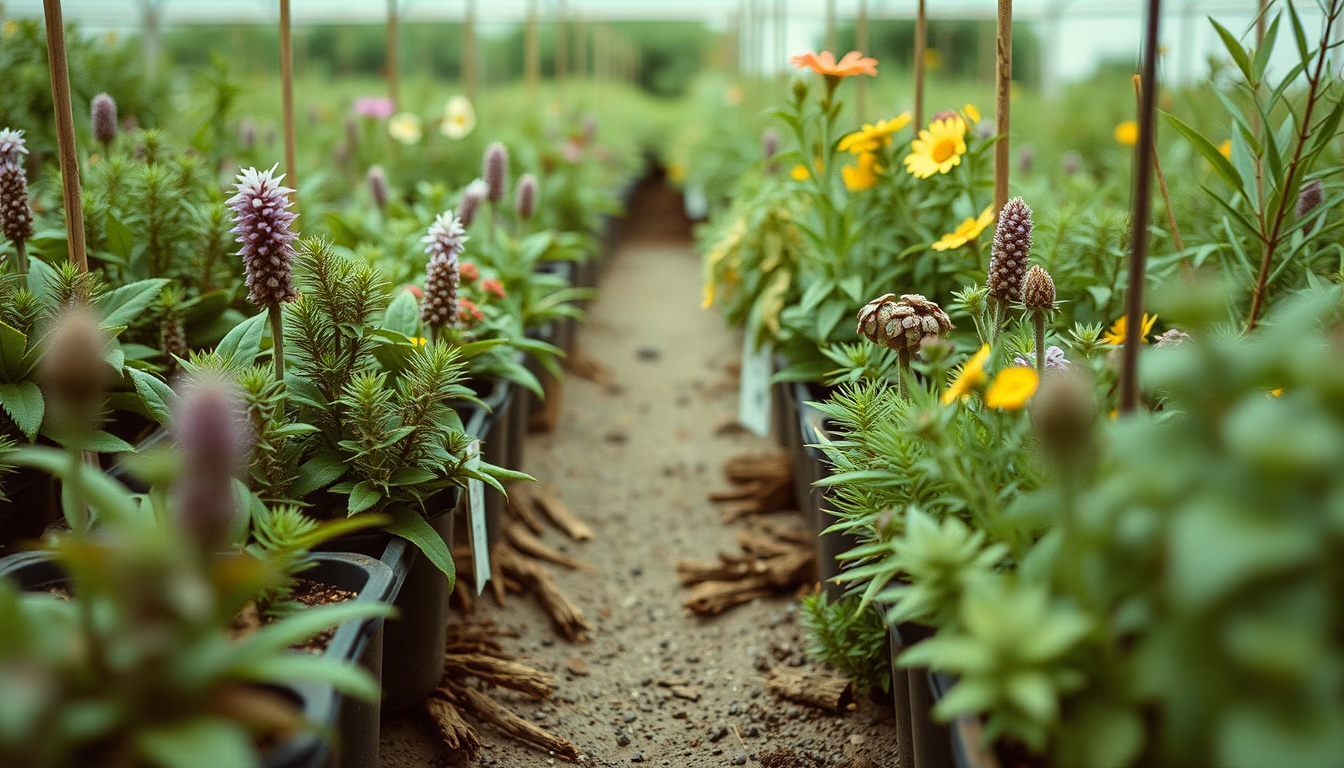
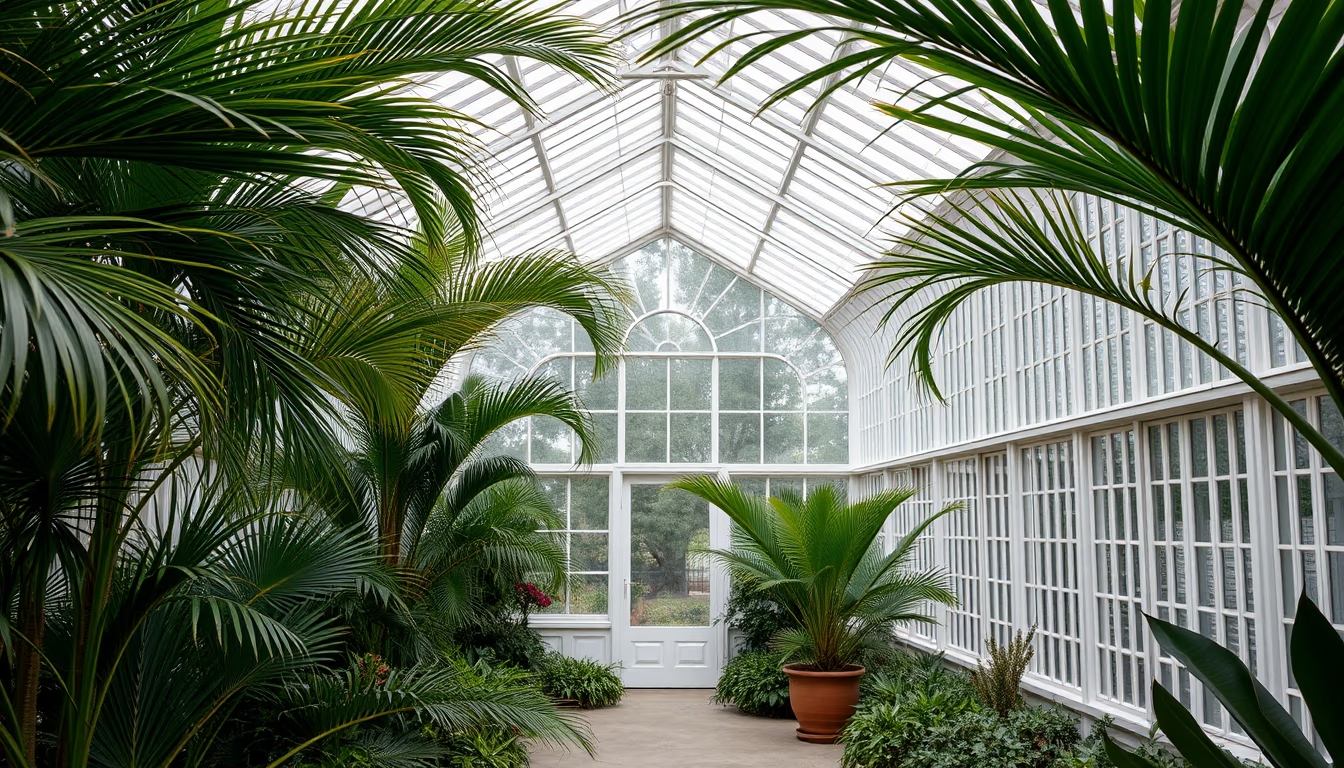
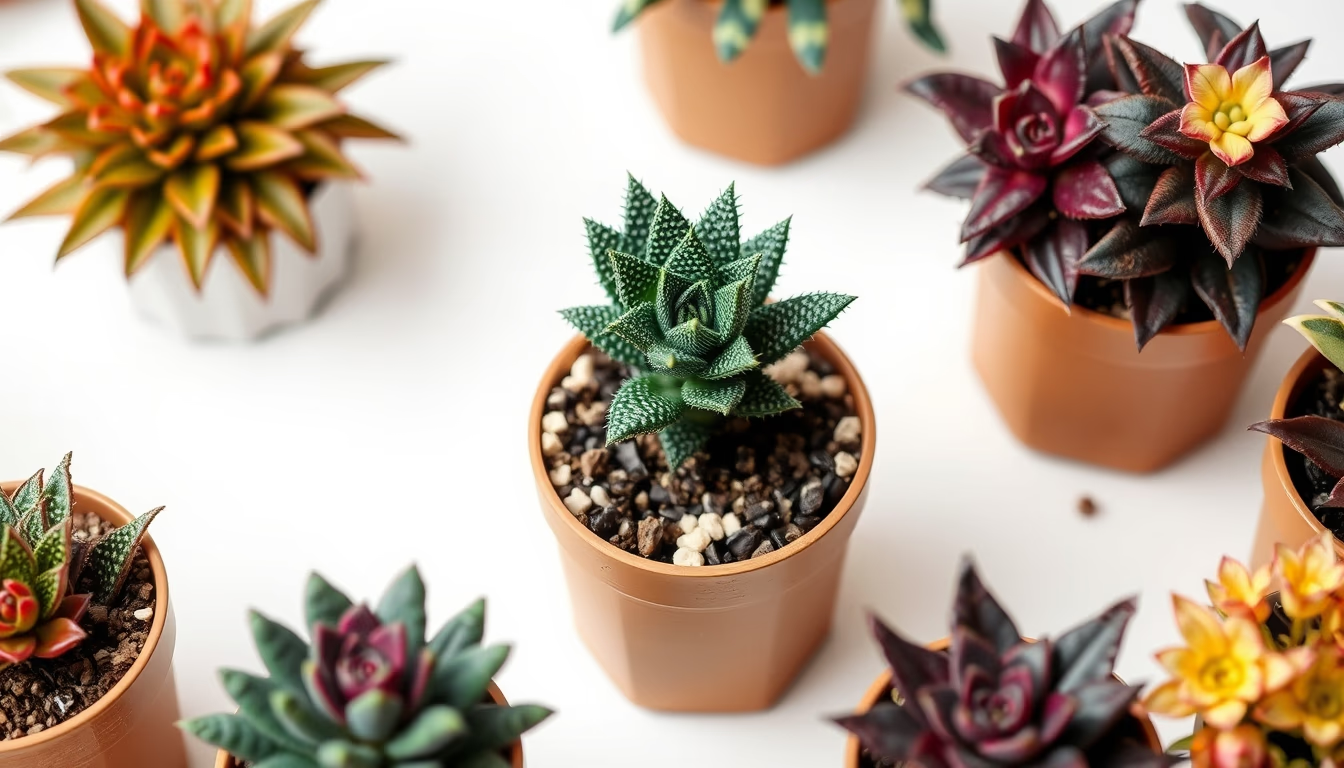
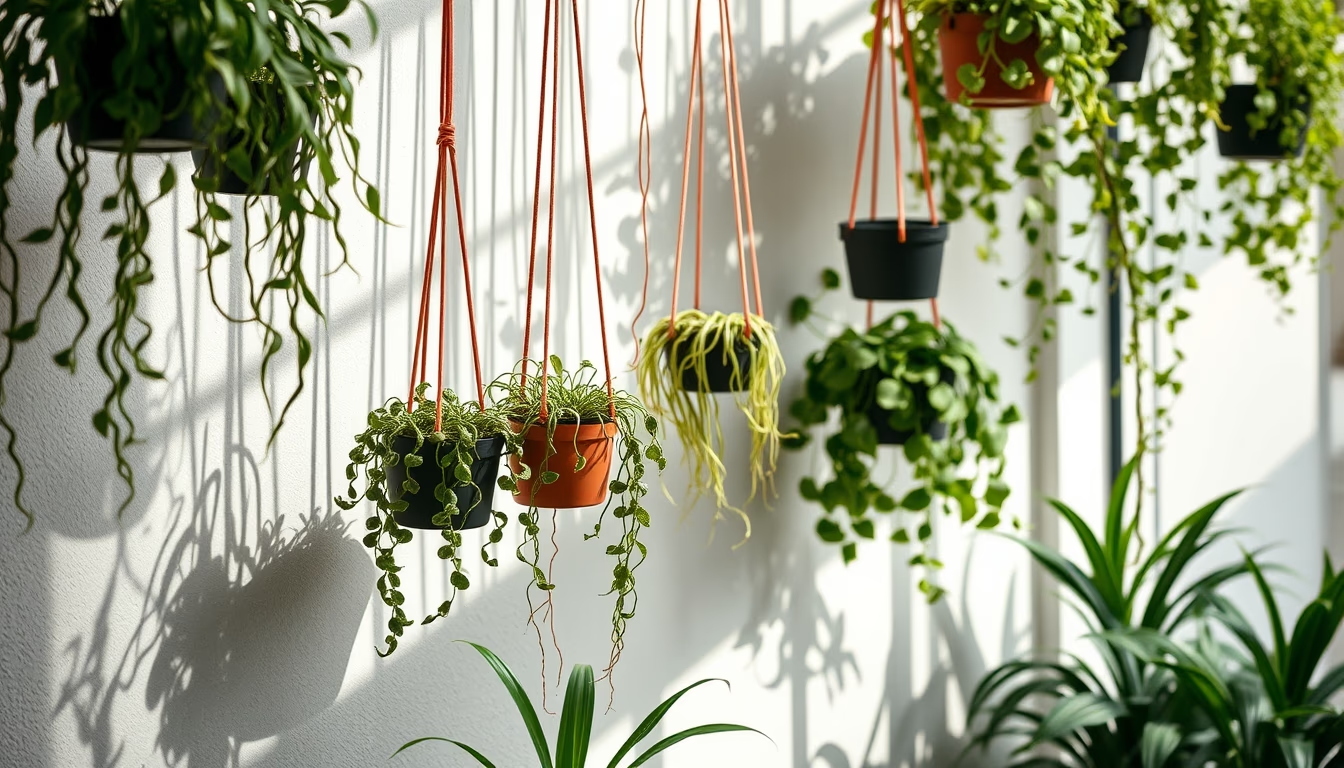
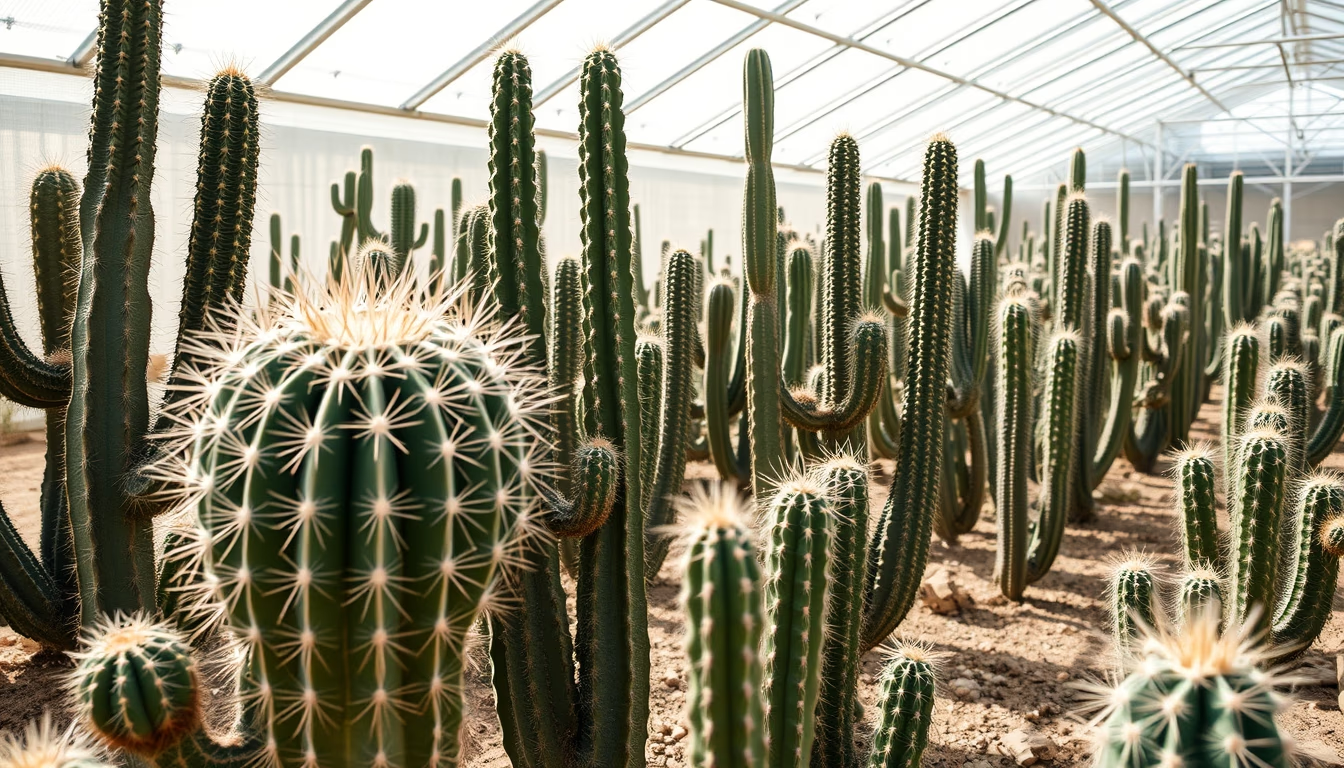
Specialized nursery for rare plants, crucial for conservation of endangered species and horticultural diversity.
About this subject
A rare plant nursery is a facility dedicated to propagating, cultivating, and selling uncommon or endangered botanical species, often difficult to find in mainstream markets. These nurseries play a critical role in ex situ conservation by maintaining living collections that serve as genetic reservoirs for reintroduction projects and research. In Brazil, for instance, specialized nurseries for orchids, bromeliads, and native cacti help protect flora threatened by habitat destruction in biomes like the Atlantic Forest and Cerrado.
Beyond ecological value, these nurseries are important sources for collectors, botanists, and landscape designers seeking plants with unique traits, such as unusual colors, shapes, or evolutionary histories. Many rare species require specific cultivation conditions, including special substrates, controlled humidity, or symbiotic relationships with mycorrhizal fungi, demanding advanced technical knowledge from growers. Techniques like tissue culture and in vitro germination are commonly used to increase success rates and reduce illegal wild collection.
Globally, rare plant nurseries also contribute to conservation efforts against climate change and illegal trade. Institutions such as the Royal Botanic Gardens, Kew in England maintain conservation nurseries that share genetic material with international networks. However, buyers must verify the legality and origin of plants to avoid fueling illegal trafficking. Certified nurseries associated with conservation networks, such as the Brazilian Network of Botanical Gardens, offer greater reliability.
Frequently Asked Questions
What characterizes a rare plant in a nursery?
Rare plants are those with restricted distribution, low population density, or threatened status. In nurseries, they include endemic species, slow-growing varieties, or those requiring specific cultivation conditions.
How can I tell if a rare plant nursery is trustworthy?
Check for environmental licenses, legal provenance certificates, and affiliations with conservation networks such as the Brazilian Network of Botanical Gardens. Avoid purchasing species without documentation.
What are the main challenges in growing rare plants?
Challenges include replicating specific environmental conditions, managing pests and diseases, and ensuring successful reproduction, often requiring advanced techniques like tissue culture.
Direct URL
https://pub-c7d6a6ea828543ac903a74a341ccb2e1.r2.dev/imagens/rare-plant-nursery-lo-fi-disposable-camera-fresh3.avifHow to credit
Include a visible link back to UtilizAí. Copy one of the snippets below:
<a href="https://xn--utiliza-eza.com/en/midia/imagens/rare-plant-nursery-lo-fi-disposable-camera-fresh3">Rare plant nursery</a> by <a href="https://xn--utiliza-eza.com">UtilizAí</a>, licensed under <a href="https://creativecommons.org/licenses/by/4.0/">CC BY 4.0</a>.
[Rare plant nursery](https://xn--utiliza-eza.com/en/midia/imagens/rare-plant-nursery-lo-fi-disposable-camera-fresh3) by [UtilizAí](https://xn--utiliza-eza.com), CC BY 4.0
License: CC-BY-4.0