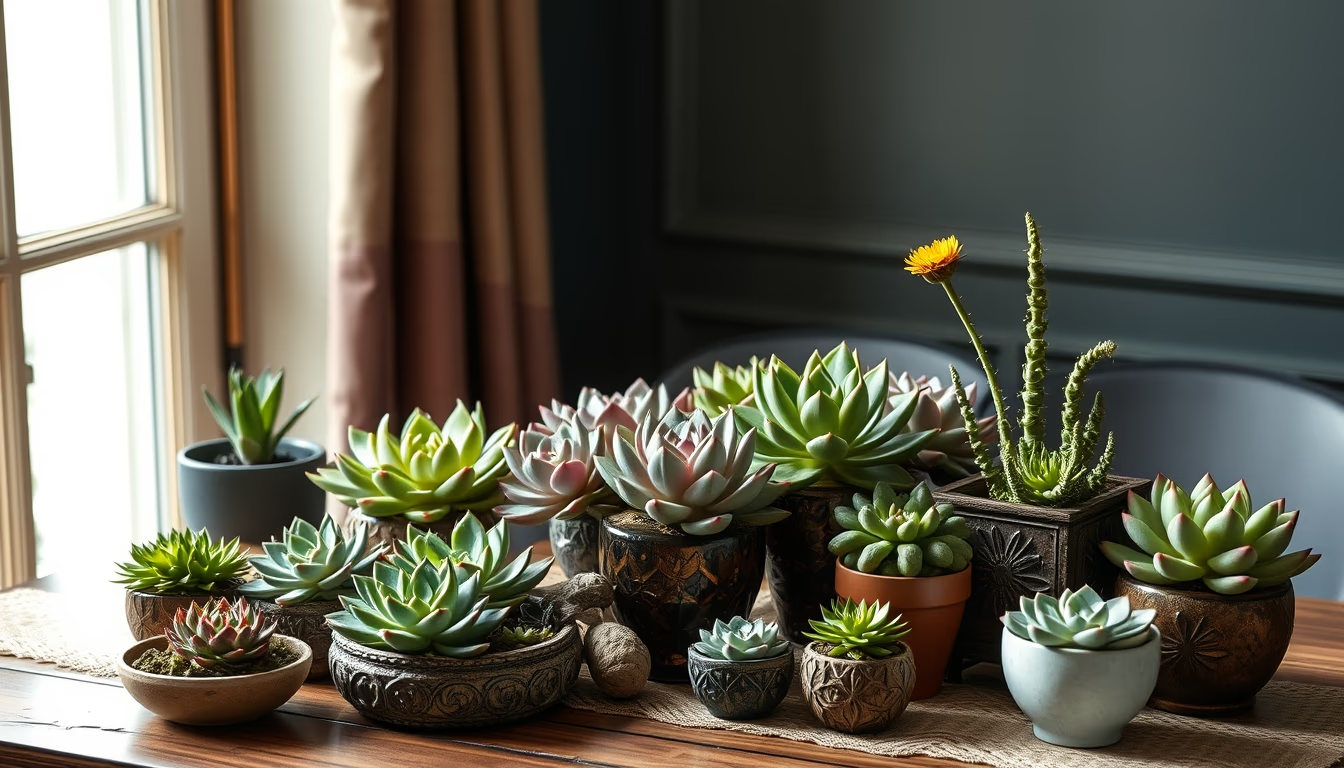
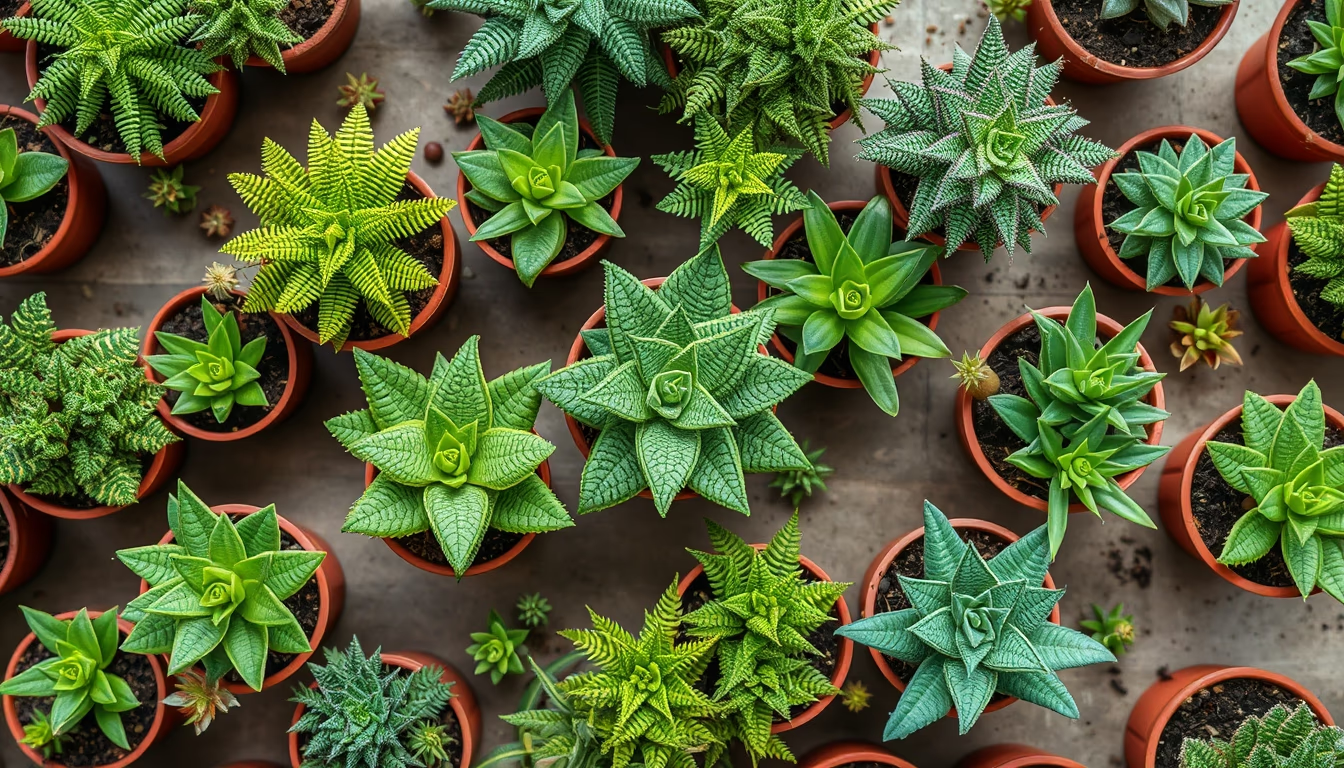
Rare plant nursery
1344×768 · AVIF · CC BY 4.0
How rare plant nurseries operate and why they are essential for biodiversity conservation and the collector market.
About this subject
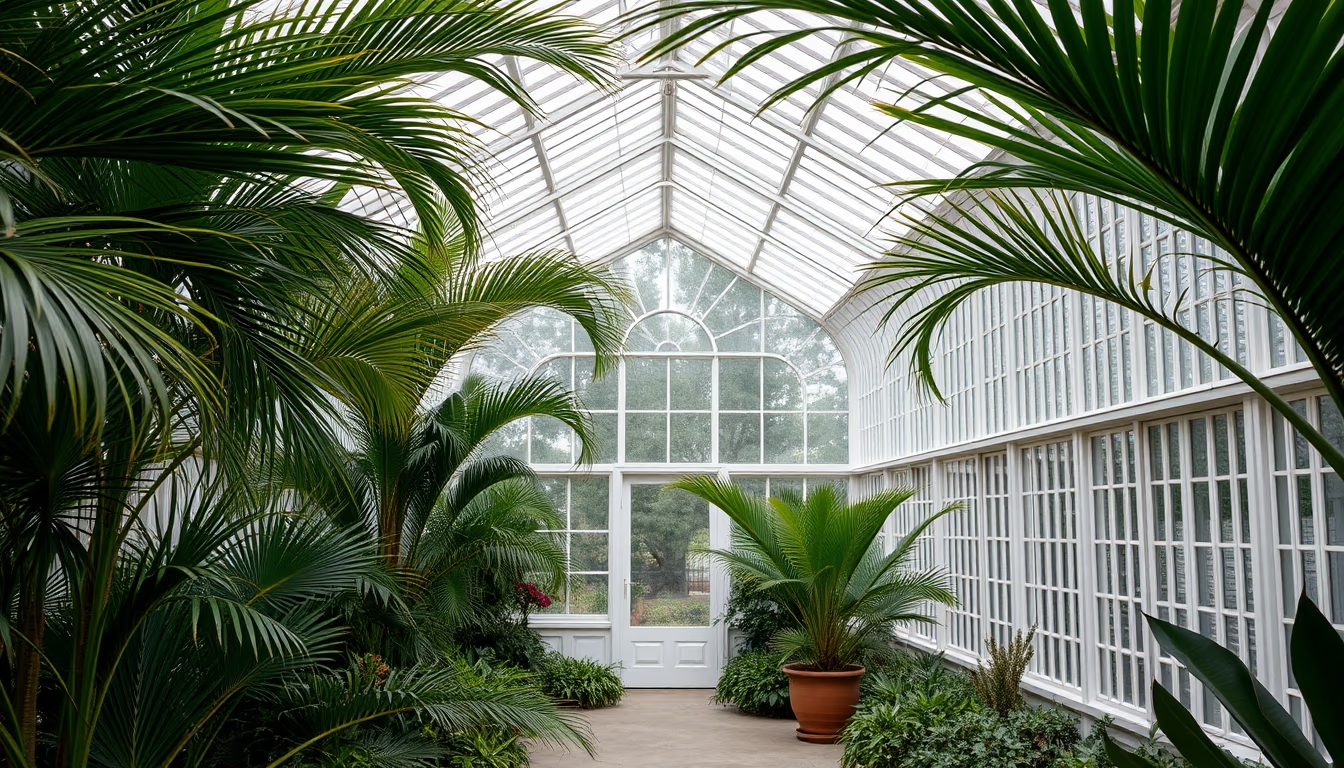
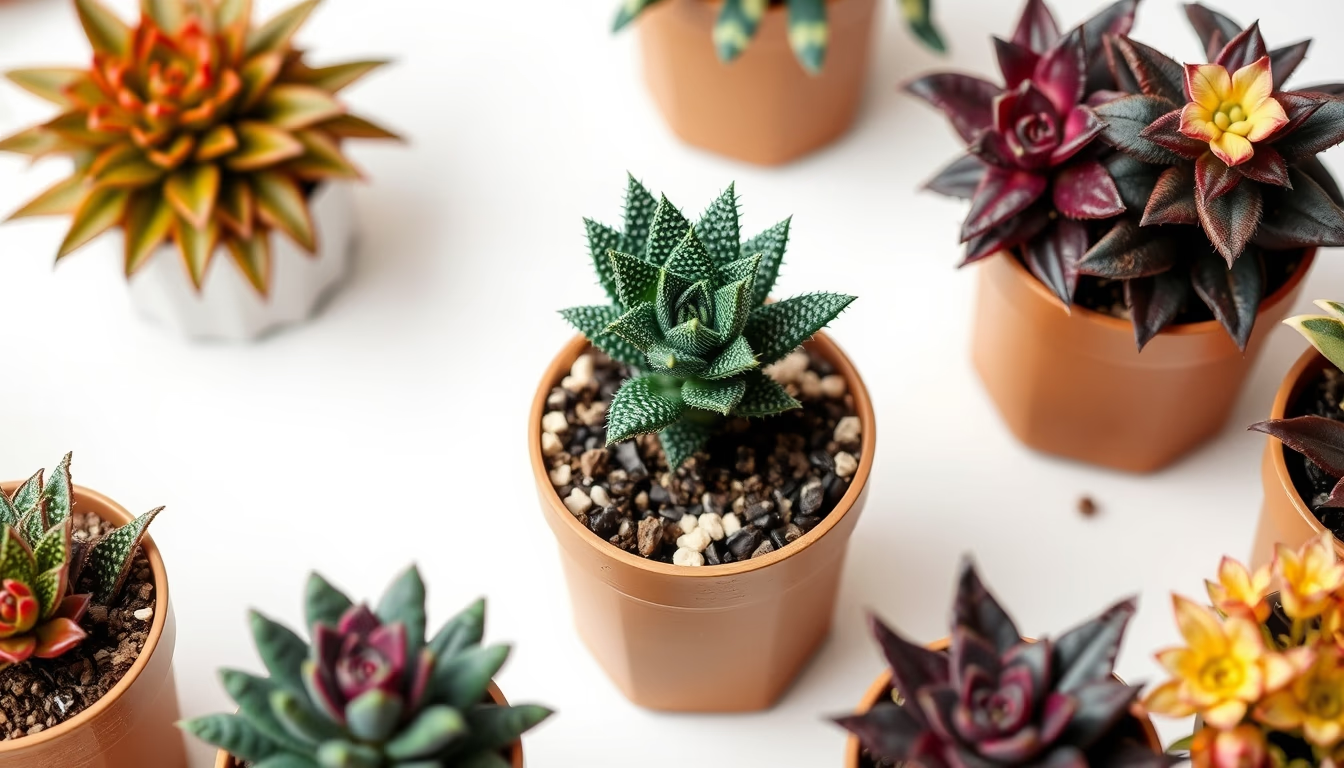
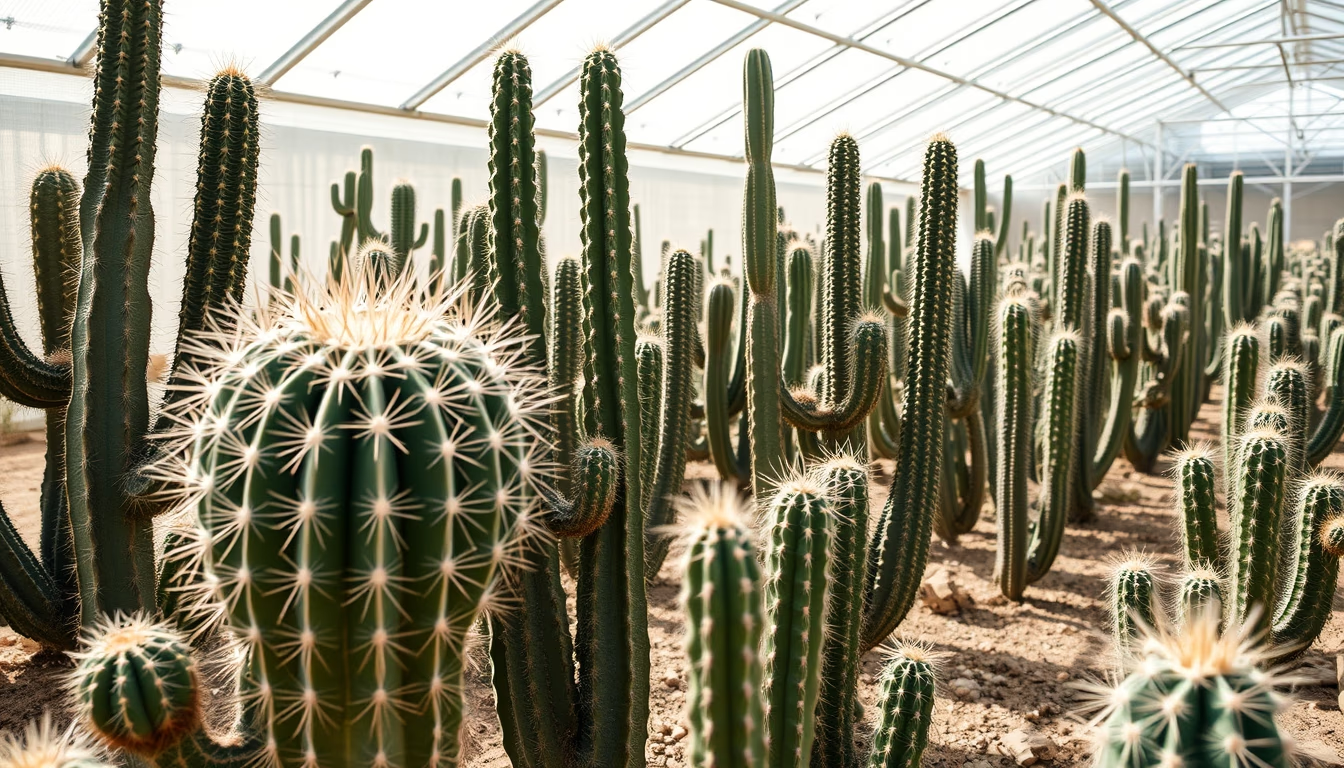
Rare plant nurseries are specialized facilities that cultivate, propagate, and sell plant species with restricted distribution, threatened status, or high ornamental value. Unlike conventional nurseries, they require deep technical knowledge in germination, grafting, and micropropagation, along with controlled climate and substrate conditions to replicate specific habitats. Many of these plants, such as rare orchids from the Atlantic Forest or endemic cacti from the Cerrado, are protected by environmental laws, and nurseries serve as ex situ conservation centers by maintaining germplasm banks and reintroducing individuals into the wild.
In Brazil, the trade of rare plants is regulated by Ibama and requires permits for collecting and cultivating threatened species. Legalized nurseries help reduce illegal extraction by offering certified seedlings at affordable prices. Popular species include the giant water lily (Victoria amazonica), the juçara palm (Euterpe edulis), and various bromeliads of the genus Nidularium. Beyond ecological value, these plants drive a growing niche market, with collectors willing to pay hundreds of reais for rare specimens.
Propagation demands specific techniques: many rare plant seeds have prolonged dormancy requiring scarification or stratification. In vitro micropropagation is used for species with low germination rates, like certain orchids that may take years to bloom. Nurseries also invest in environmental education, offering tours and courses on responsible cultivation. The global trend toward native gardening boosts the sector, but demand must be balanced with conservation to prevent overcollection.
Frequently Asked Questions
Is it legal to buy rare plants in Brazil?
Yes, as long as they come from nurseries registered with Ibama, which provide invoices and certificates of origin. Endangered species can only be traded with specific permits, and collection from the wild is prohibited without a license.
What care is needed when growing rare plants?
Each species has unique requirements for light, humidity, and substrate. It is recommended to research the ideal conditions and replicate the natural microclimate. Many rare plants are sensitive to sudden changes and require gradual acclimatization.
How does a rare plant nursery contribute to conservation?
Nurseries maintain genetic banks of threatened species, produce seedlings for reintroduction into natural habitats, and reduce pressure from illegal extraction by offering cultivated specimens. They also promote environmental education about the importance of biodiversity.
Direct URL
https://pub-c7d6a6ea828543ac903a74a341ccb2e1.r2.dev/imagens/rare-plant-nursery-isometric-flat-lay-fresh6.avifHow to credit
Include a visible link back to UtilizAí. Copy one of the snippets below:
<a href="https://xn--utiliza-eza.com/en/midia/imagens/rare-plant-nursery-isometric-flat-lay-fresh6">Rare plant nursery</a> by <a href="https://xn--utiliza-eza.com">UtilizAí</a>, licensed under <a href="https://creativecommons.org/licenses/by/4.0/">CC BY 4.0</a>.
[Rare plant nursery](https://xn--utiliza-eza.com/en/midia/imagens/rare-plant-nursery-isometric-flat-lay-fresh6) by [UtilizAí](https://xn--utiliza-eza.com), CC BY 4.0
License: CC-BY-4.0