Rare plant nursery
1344×768 · AVIF · CC BY 4.0

Viveiros especializados em plantas raras são essenciais para a conservação de espécies ameaçadas, propagando exemplares únicos para colecionadores e jardins botânicos.
Sobre o tema
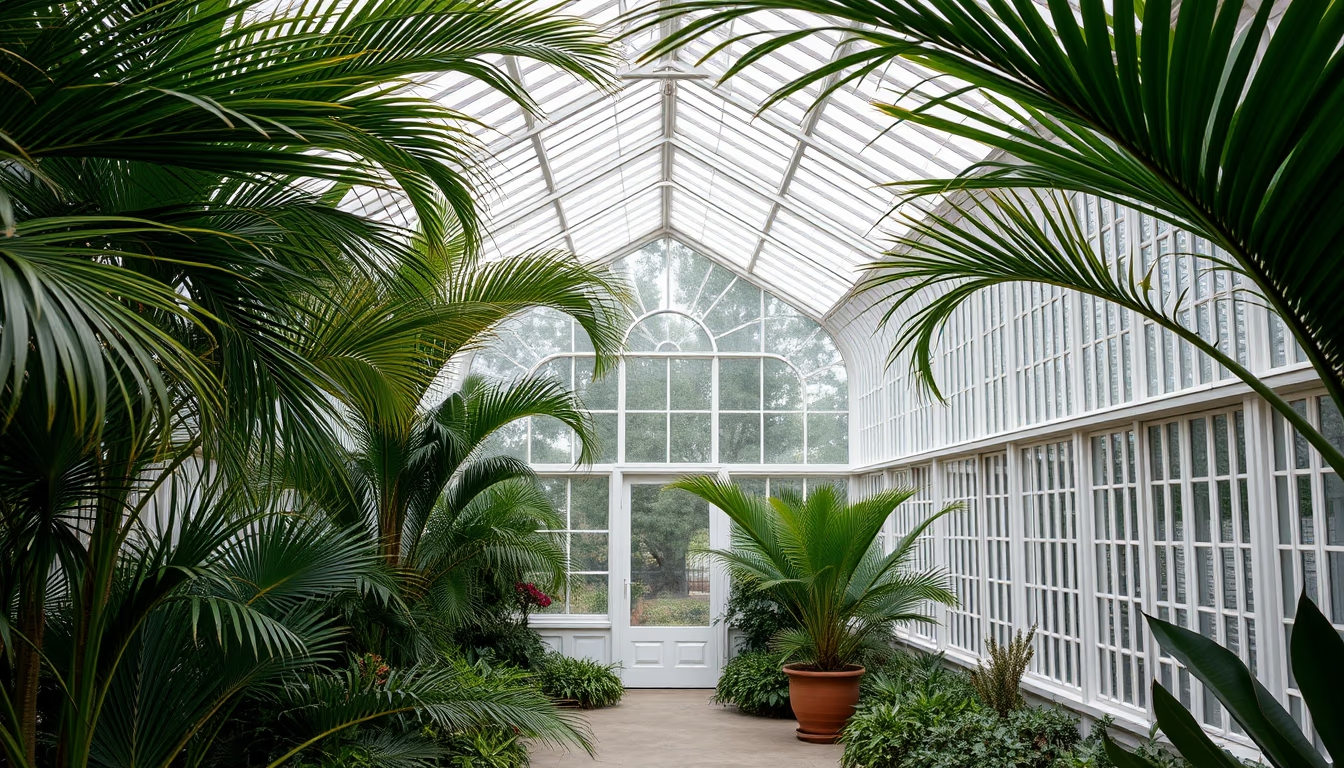
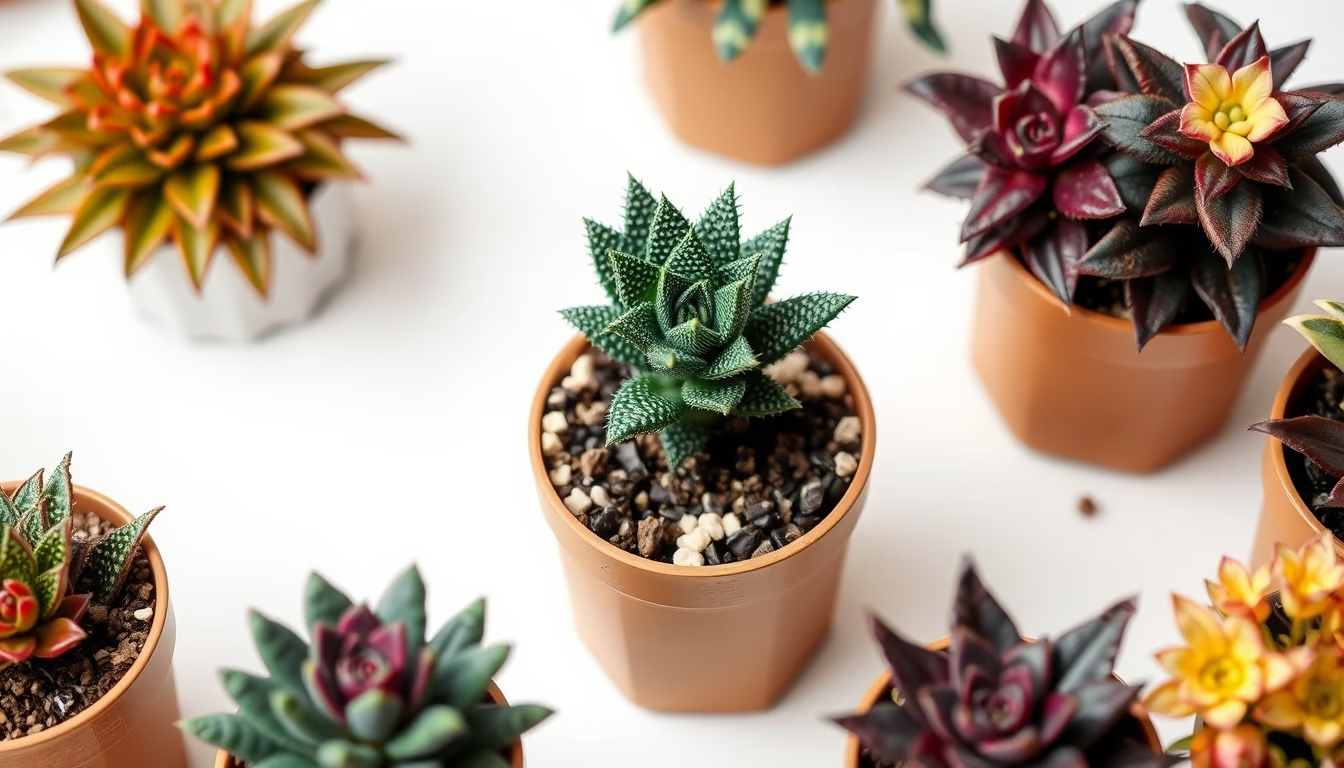
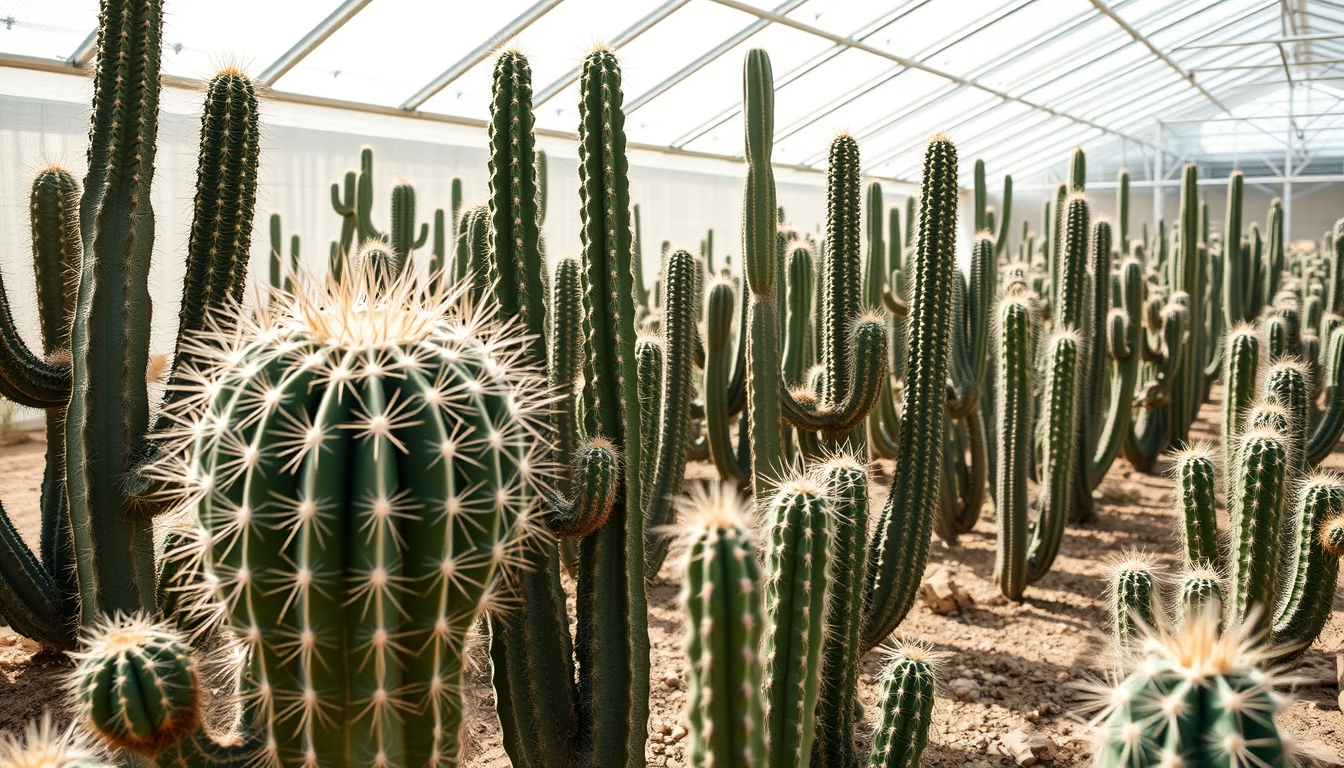
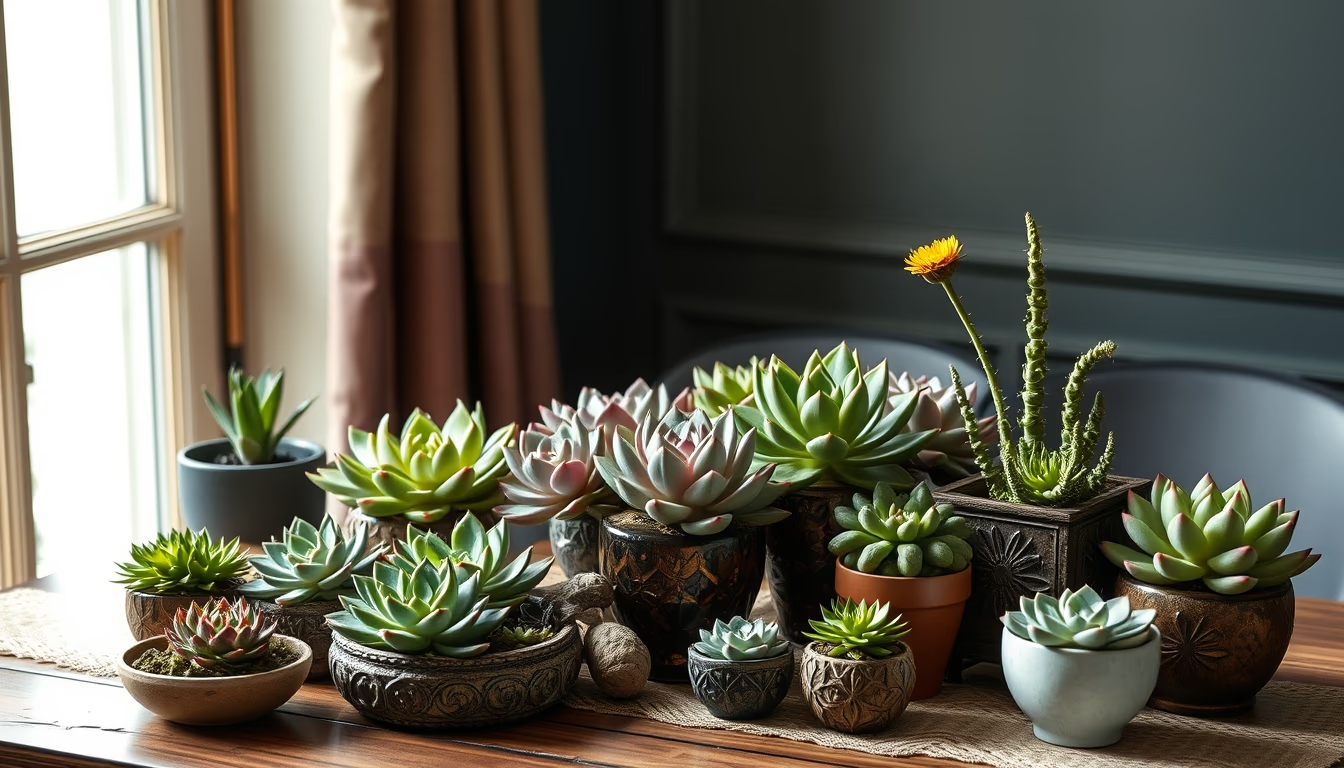
Os viveiros de plantas raras são instituições dedicadas ao cultivo e preservação de espécies botânicas ameaçadas de extinção. Muitas dessas plantas são endêmicas de regiões específicas, como a Mata Atlântica ou o Cerrado, e sofrem com a perda de habitat. Esses viveiros utilizam técnicas avançadas, como cultura de tecidos e propagação vegetativa, para multiplicar exemplares geneticamente diversos. Além de abastecerem colecionadores particulares e jardins botânicos, eles fornecem material para programas de reintrodução em áreas naturais protegidas. Por exemplo, o bromélia-tanque (Neoregelia johannis), criticamente ameaçada em seu habitat original, é propagada com sucesso em viveiros especializados, garantindo sua sobrevivência ex situ. A atuação desses centros é crucial para a manutenção da biodiversidade, permitindo que espécies raras continuem a existir fora de seu ambiente natural. Muitos viveiros mantêm parcerias com universidades e institutos de pesquisa, contribuindo para estudos sobre ecologia e fisiologia vegetal. No Brasil, iniciativas como a Rede de Bancos de Sementes e a Rede de Viveiros da Mata Atlântica são exemplos de esforços coordenados para preservar a flora ameaçada. A documentação fotográfica desses viveiros, como a presente imagem, registra o trabalho minucioso de coleta, sementeira e manutenção de espécies que, sem essa intervenção, poderiam desaparecer.
Perguntas frequentes
Qual a principal função de um viveiro de plantas raras?
A principal função é a conservação ex situ de espécies ameaçadas, propagando plantas para reintrodução na natureza, pesquisa científica e fornecimento a colecionadores e jardins botânicos.
Como esses viveiros evitam a perda de diversidade genética?
Eles utilizam técnicas como cultura de tecidos e sementes de múltiplas origens para manter a variabilidade genética. Além disso, mantêm registros detalhados de origem e cruzamentos.
Quais espécies brasileiras são comumente propagadas nesses viveiros?
Exemplos incluem orquídeas raras como Cattleya lobata, bromélias como Neoregelia johannis e palmeiras como Butia purpurascens, todas ameaçadas por desmatamento e extrativismo.
URL direta
https://pub-c7d6a6ea828543ac903a74a341ccb2e1.r2.dev/imagens/rare-plant-nursery-documentary-photography-fresh10.avifComo creditar
Inclua um link visível de volta pro UtilizAí. Copie um dos snippets abaixo:
<a href="https://xn--utiliza-eza.com/midia/imagens/rare-plant-nursery-documentary-photography-fresh10">Rare plant nursery</a> by <a href="https://xn--utiliza-eza.com">UtilizAí</a>, licensed under <a href="https://creativecommons.org/licenses/by/4.0/">CC BY 4.0</a>.
[Rare plant nursery](https://xn--utiliza-eza.com/midia/imagens/rare-plant-nursery-documentary-photography-fresh10) by [UtilizAí](https://xn--utiliza-eza.com), CC BY 4.0
Licença: CC-BY-4.0