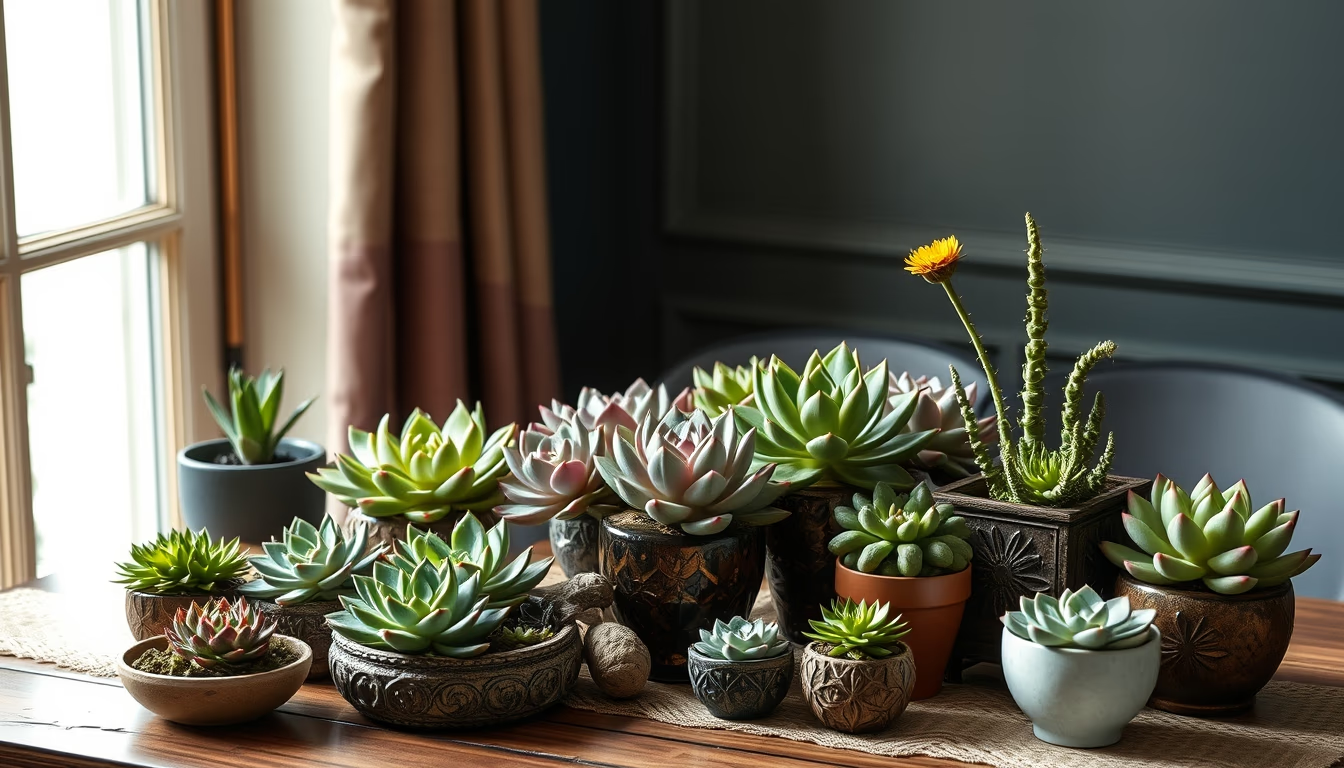
Rare plant nursery
1344×768 · AVIF · CC BY 4.0
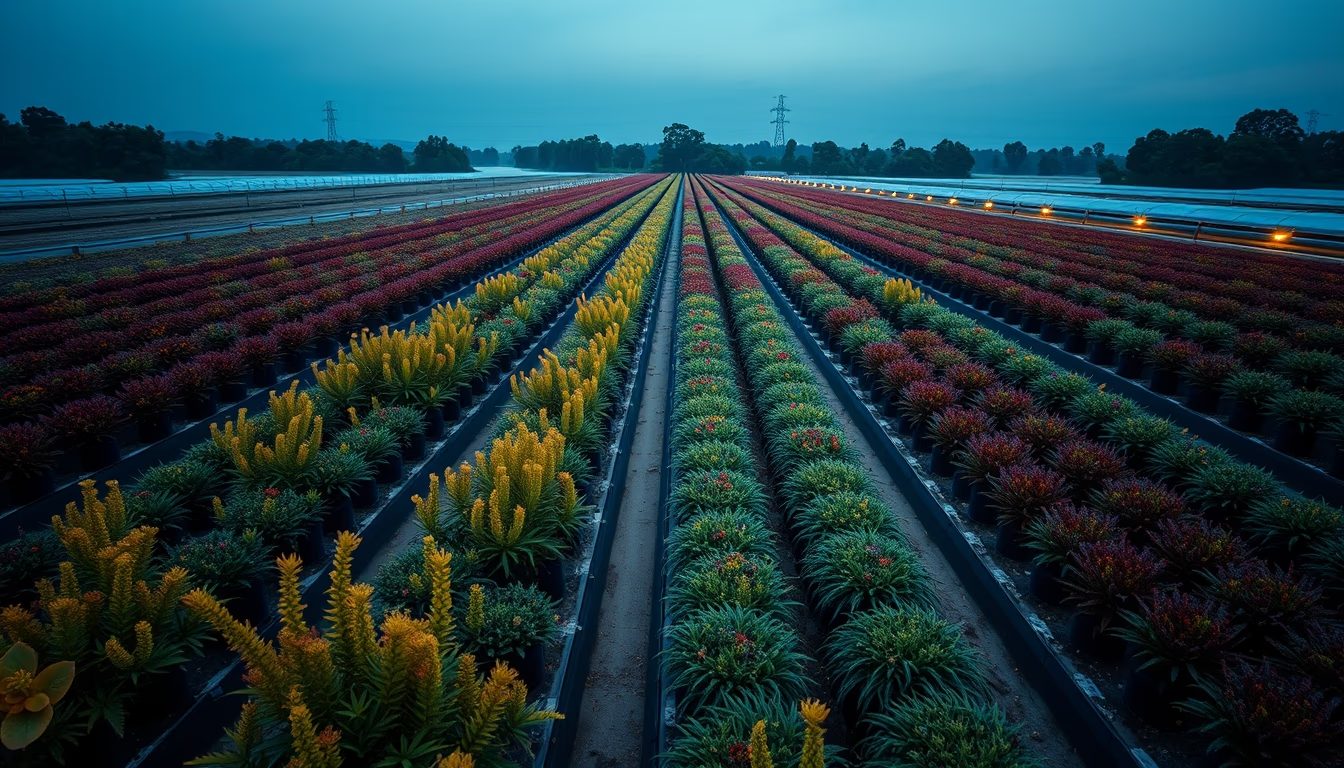
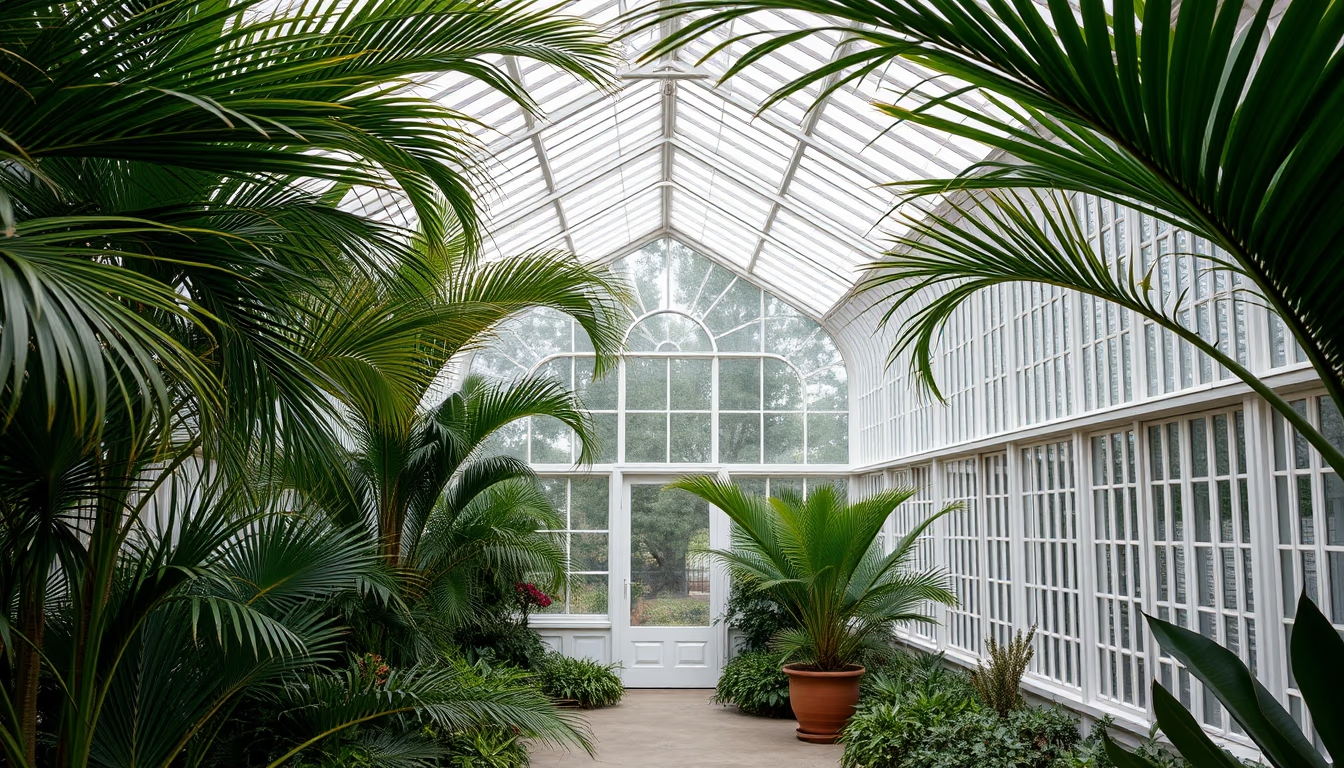
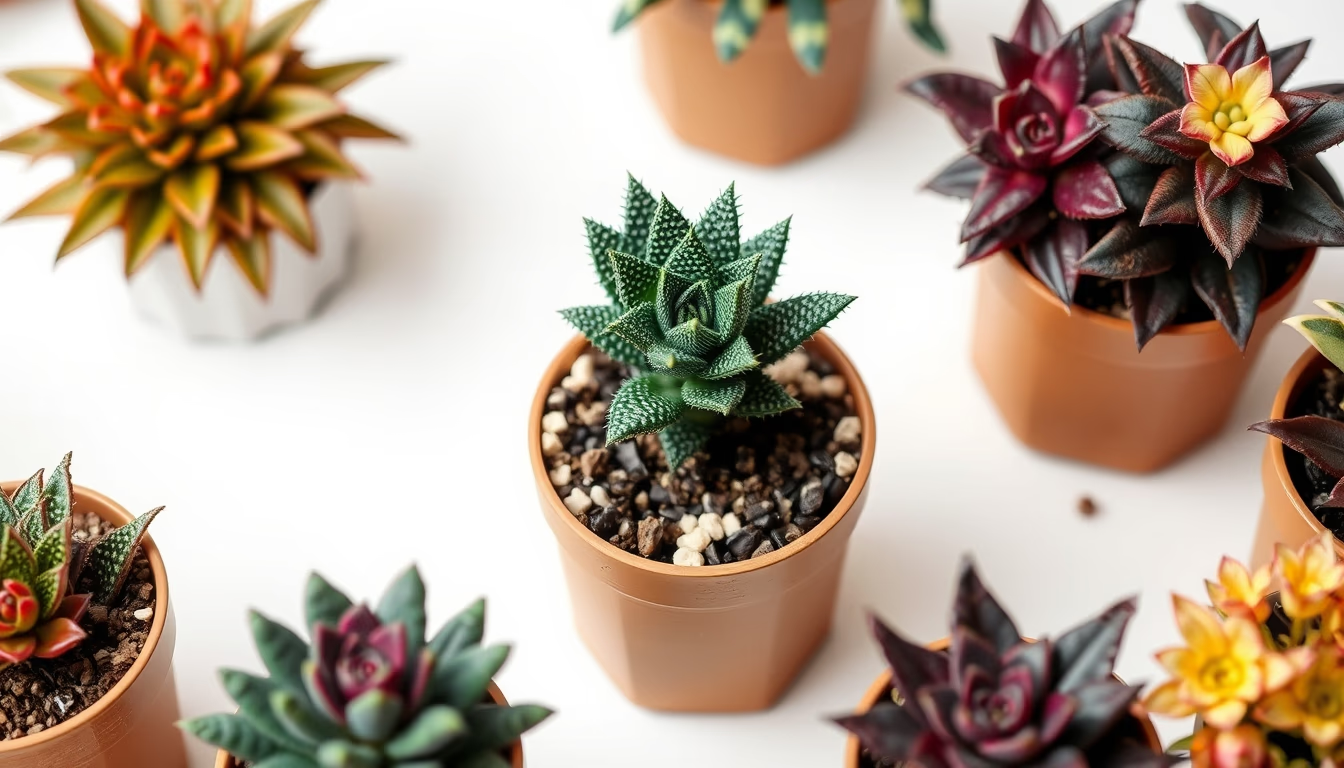
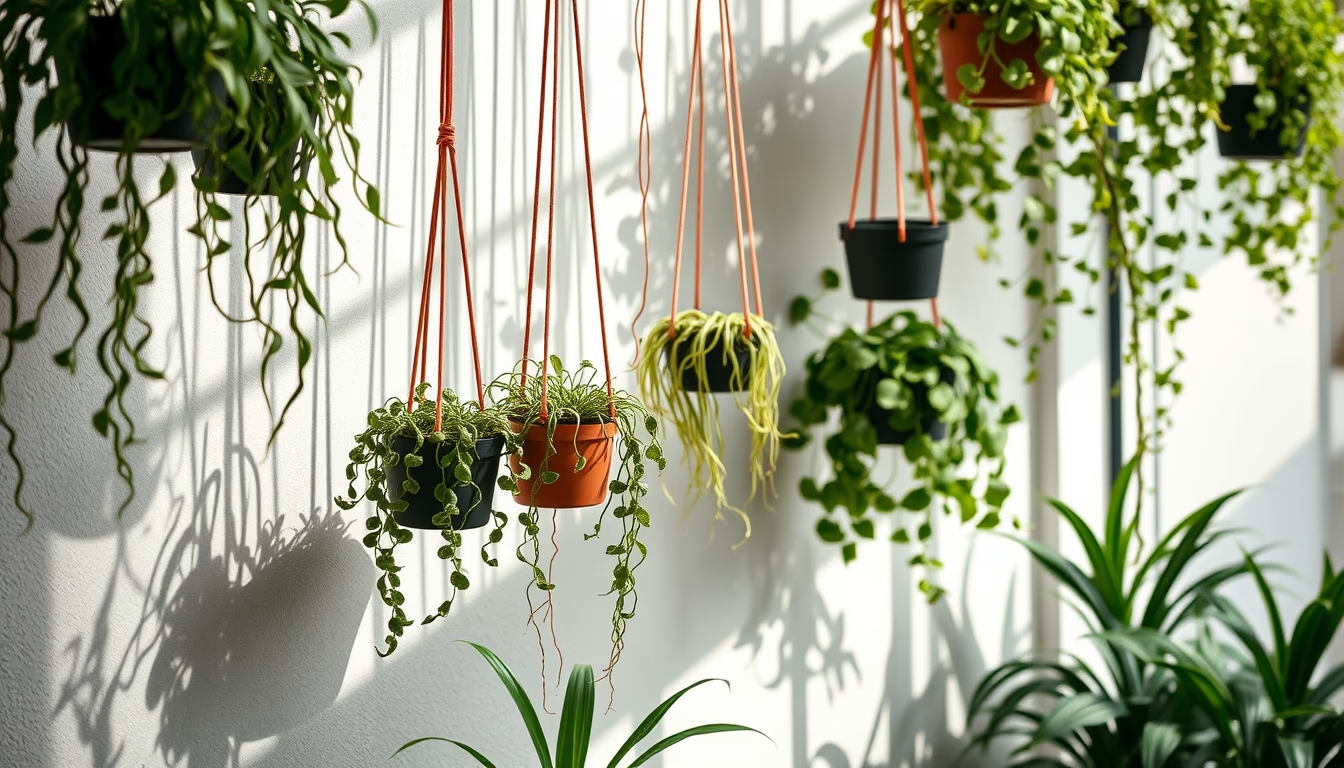
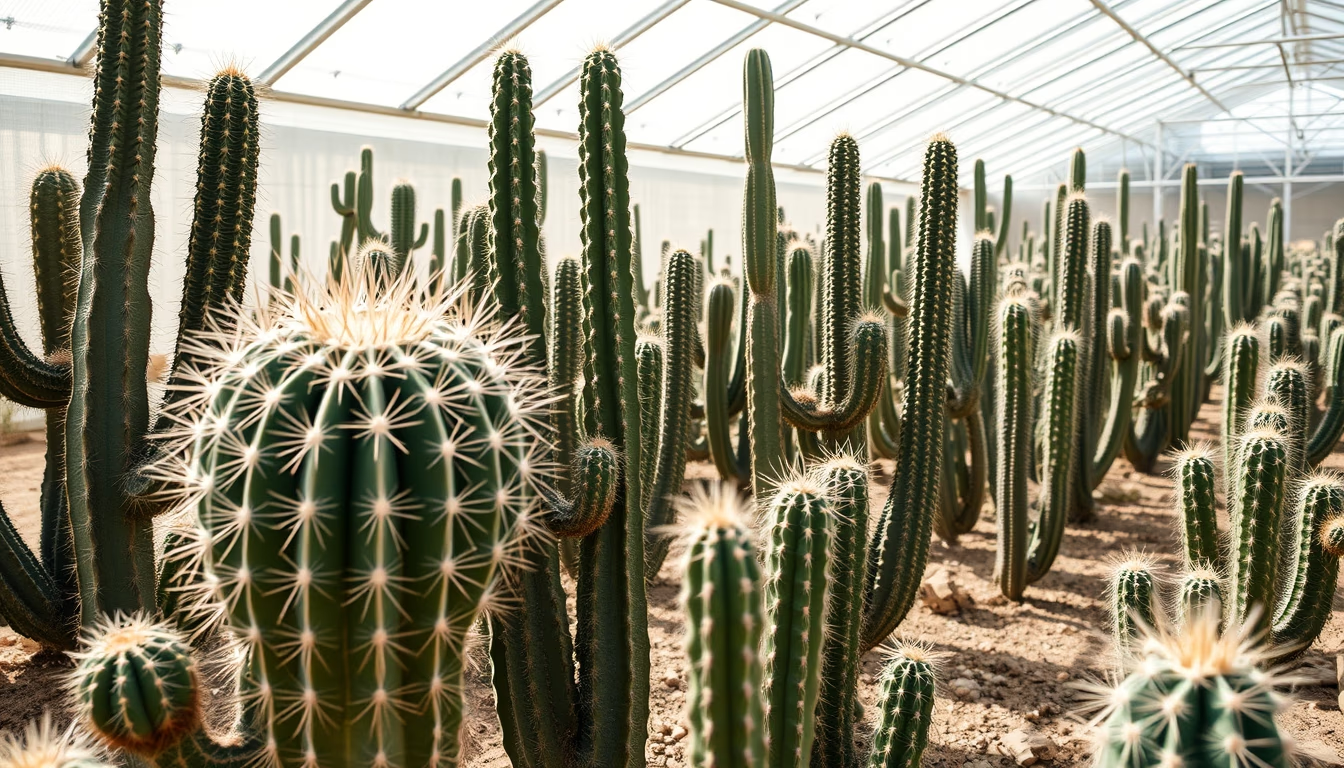
A rare plant nursery is a dedicated facility for cultivating and preserving threatened or geographically restricted plant species, often essential for global biodiversity conservation.
About this subject
A rare plant nursery is far from an ordinary garden. It functions as a living germplasm bank, where species with dwindling natural populations are propagated under controlled conditions. Many of these plants are endemic to fragile microhabitats such as mountain tops, oceanic islands, or serpentine soil areas. Habitat loss, climate change, and illegal trade are the main threats driving these species to the brink of extinction. Specialized nurseries, such as those run by botanical gardens and conservation organizations, use techniques like micropropagation, cryopreserved seeds, and hand pollination to boost population viability.
The role of these nurseries goes beyond simple multiplication. They are research centers that study the reproductive biology, ecological requirements, and interactions with pollinators of each species. A notable example is the work of the National Tropical Botanical Garden in Hawaii, which maintains nurseries for species like Brighamia insignis, a plant that depended on an extinct moth and is now hand-pollinated by climbers. In Brazil, the Rare Plant Nursery of the Rhea Foundation in São Paulo focuses on restoring Atlantic Forest species such as the juçara palm and brazilwood, providing seedlings for reforestation and environmental education programs.
Maintaining a rare plant nursery requires specialized infrastructure: greenhouses with temperature and humidity control, mist irrigation systems, and quarantine to prevent pests. The staff includes botanists, horticulturists, and biotechnicians. Each plant receives an origin code, and genetic data are recorded to avoid inbreeding. Propagation can be slow, taking years to produce viable seedlings. Despite challenges, these nurseries have documented successes, such as the reintroduction of the Saint Helena redwood (Trochetiopsis erythroxylon), which was reduced to a single wild specimen and now has hundreds of replanted individuals thanks to nursery efforts.
For the public, visiting a rare plant nursery is an educational experience. Many offer guided tours, identification courses, and even the possibility to symbolically adopt a species. Awareness of the importance of ex situ conservation is growing, and these nurseries are vital for meeting the targets of the Global Strategy for Plant Conservation. They represent a bridge between science and action, ensuring that the beauty and ecological value of rare plants are not lost forever.
Frequently Asked Questions
What is the difference between a rare plant nursery and a regular nursery?
A regular nursery produces ornamental, fruit, or forestry plants on a large scale for sale. In contrast, a rare plant nursery focuses on conserving threatened species, with low seedling output, genetic tracking, and specialized techniques such as micropropagation and hand pollination to ensure diversity and prevent extinction.
How can I purchase rare plant seedlings for my garden?
The sale of rare plants is restricted to avoid trafficking. The best approach is to seek nurseries authorized by your country's or state's environmental agency, such as IBAMA in Brazil. Many conservation nurseries sell surplus seedlings to enthusiasts, provided the buyer presents documentation and commits to responsible cultivation.
What are the biggest challenges in maintaining a rare plant nursery?
Key challenges include reproducing species with low germination rates, preventing diseases in genetically limited populations, obtaining viable seeds, and the need for expensive infrastructure like climate-controlled greenhouses. Additionally, maintaining detailed genetic records is crucial to avoid inbreeding and ensure plants are suitable for reintroduction.
Direct URL
https://pub-c7d6a6ea828543ac903a74a341ccb2e1.r2.dev/imagens/rare-plant-nursery-aerial-drone-shot-fresh13.avifHow to credit
Include a visible link back to UtilizAí. Copy one of the snippets below:
<a href="https://xn--utiliza-eza.com/en/midia/imagens/rare-plant-nursery-aerial-drone-shot-fresh13">Rare plant nursery</a> by <a href="https://xn--utiliza-eza.com">UtilizAí</a>, licensed under <a href="https://creativecommons.org/licenses/by/4.0/">CC BY 4.0</a>.
[Rare plant nursery](https://xn--utiliza-eza.com/en/midia/imagens/rare-plant-nursery-aerial-drone-shot-fresh13) by [UtilizAí](https://xn--utiliza-eza.com), CC BY 4.0
License: CC-BY-4.0