Rapier renaissance fencing
1344×768 · AVIF · CC BY 4.0
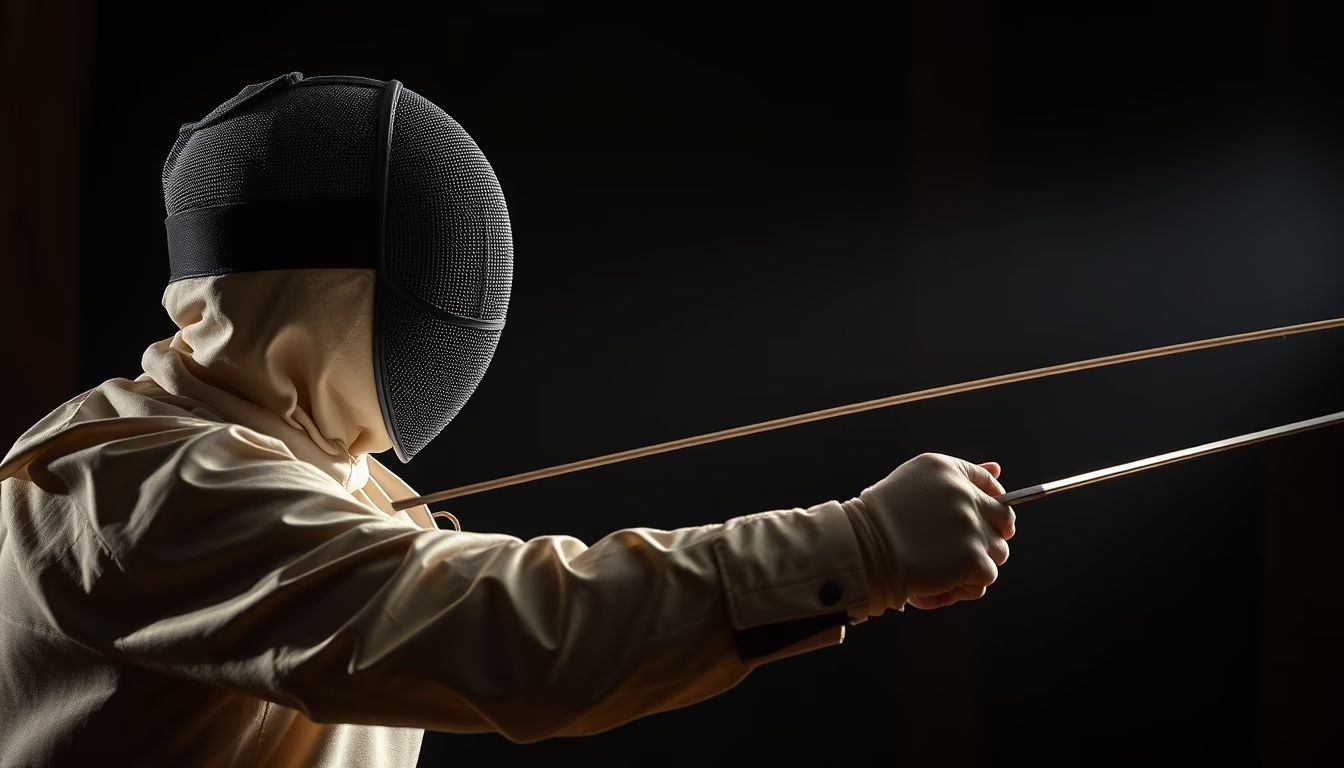
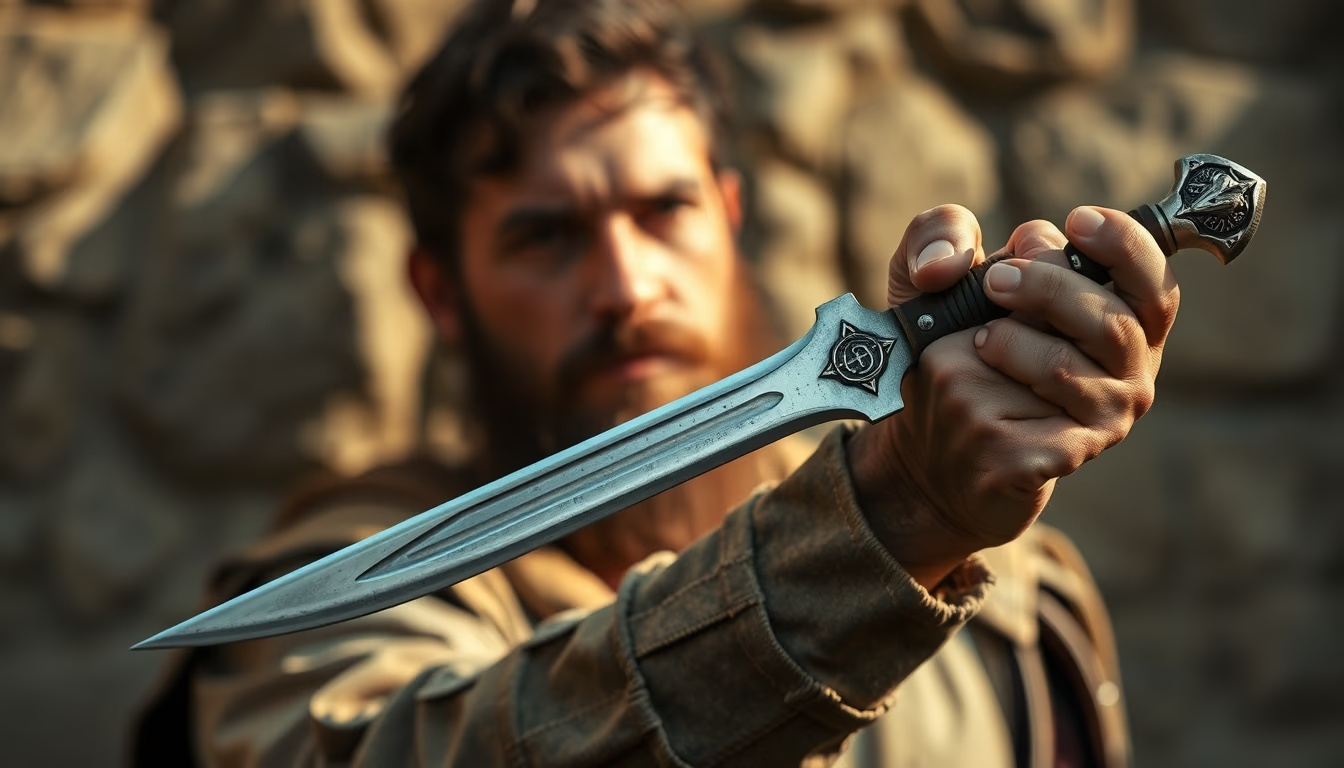
Renaissance rapier fencing combined refined technique and honor duels, marking the transition from medieval weapons to civilian self-defense.
About this subject
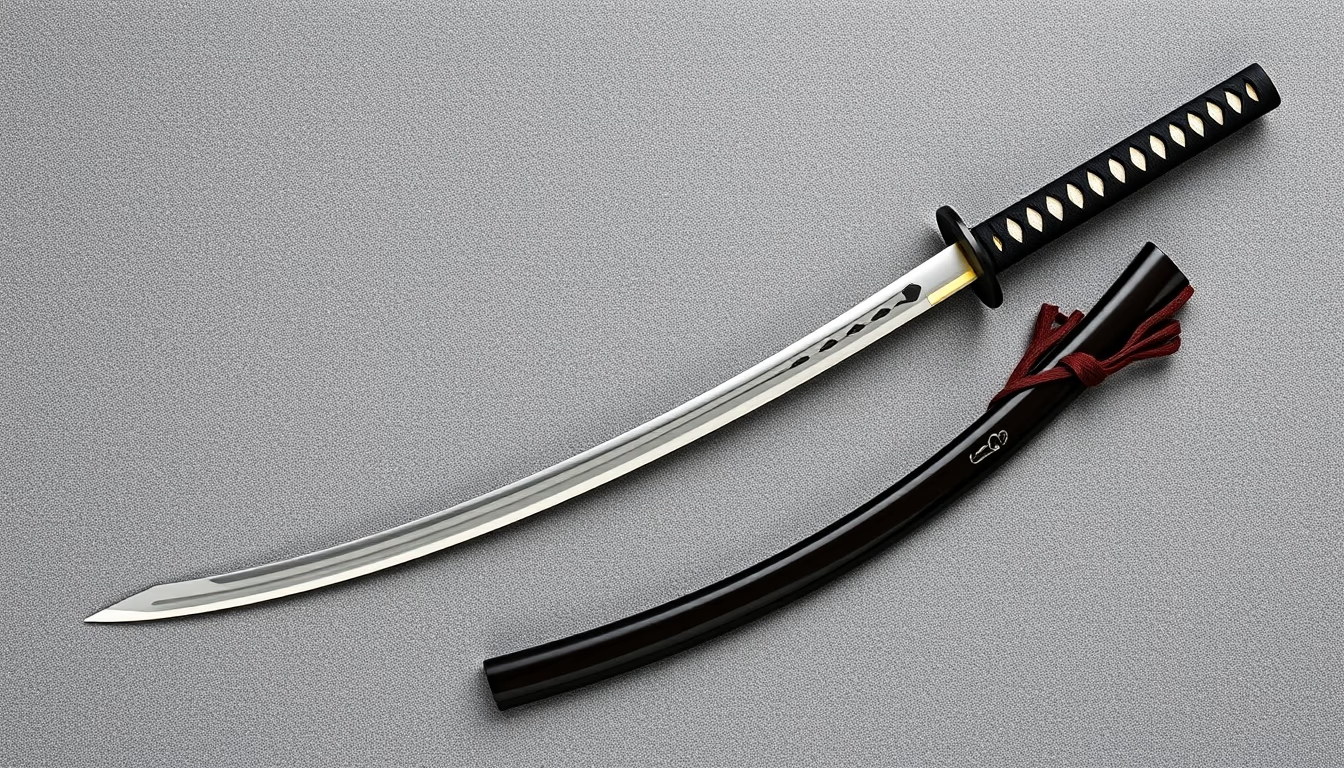
The rapier, a long and slender-bladed sword, emerged in 16th-century Europe as the quintessential civilian weapon. Unlike broad medieval swords designed for cutting through armor, the rapier was light and agile, optimized for precise thrusts. Its use spread among nobility and urban bourgeoisie, who carried it as a status symbol and for self-defense in streets and taverns. Fencing schools flourished in Italy, Spain, and France, with masters like Achille Marozzo and Ridolfo Capo Ferro systematizing techniques in illustrated treatises.
Rapier practice was not merely sport; it reflected honor codes and conflict resolution. Duels often arose from real or imagined insults, following complex rules of challenge and witnesses. Fencing emphasized guard, timing, and measure, with circular movements and disarms. Using the left hand to parry with a dagger, cloak, or even a glove was common, adding layers of strategy.
By the 17th century, the rapier gradually gave way to the shorter, lighter smallsword, but its legacy persists in modern sport fencing and popular culture. Films and novels often romanticize cape-and-sword duels, inspired by Renaissance manuals. Dramatic lighting, such as Rembrandt's chiaroscuro, evokes the tense, theatrical atmosphere of period fencing halls, with shadows accentuating the fencers' dexterity.
Interestingly, the term 'rapier' derives from the Spanish 'espada ropera', meaning 'dress sword' or 'costume sword', indicating its use as a clothing accessory and personal defense tool, not a battlefield weapon. Rapier fencing directly influenced Olympic fencing, especially the foil, which inherited the thrust's priority and the restricted target area of the torso.
Frequently Asked Questions
What is the difference between a rapier and a medieval longsword?
The rapier is a thin, light sword optimized for thrusting, whereas the medieval longsword is broader and heavier, used for cuts against armor. The rapier emerged in the 16th century as a civilian weapon, while the longsword was military.
Where was rapier fencing taught during the Renaissance?
Major fencing schools were in Italy, Spain, and France. Masters like Capo Ferro and Marozzo published treatises teaching techniques, guards, and duel tactics.
Did the rapier influence modern Olympic fencing?
Yes, especially the foil, which derived from training with light rapiers. The thrust's priority and the restricted target area (torso) are direct inheritances from Renaissance techniques.
Direct URL
https://pub-c7d6a6ea828543ac903a74a341ccb2e1.r2.dev/imagens/rapier-renaissance-fencing-rembrandt-lighting-dramatic-shadows-fresh17.avifHow to credit
Include a visible link back to UtilizAí. Copy one of the snippets below:
<a href="https://xn--utiliza-eza.com/en/midia/imagens/rapier-renaissance-fencing-rembrandt-lighting-dramatic-shadows-fresh17">Rapier renaissance fencing</a> by <a href="https://xn--utiliza-eza.com">UtilizAí</a>, licensed under <a href="https://creativecommons.org/licenses/by/4.0/">CC BY 4.0</a>.
[Rapier renaissance fencing](https://xn--utiliza-eza.com/en/midia/imagens/rapier-renaissance-fencing-rembrandt-lighting-dramatic-shadows-fresh17) by [UtilizAí](https://xn--utiliza-eza.com), CC BY 4.0
License: CC-BY-4.0