Rapier renaissance fencing
1344×768 · AVIF · CC BY 4.0
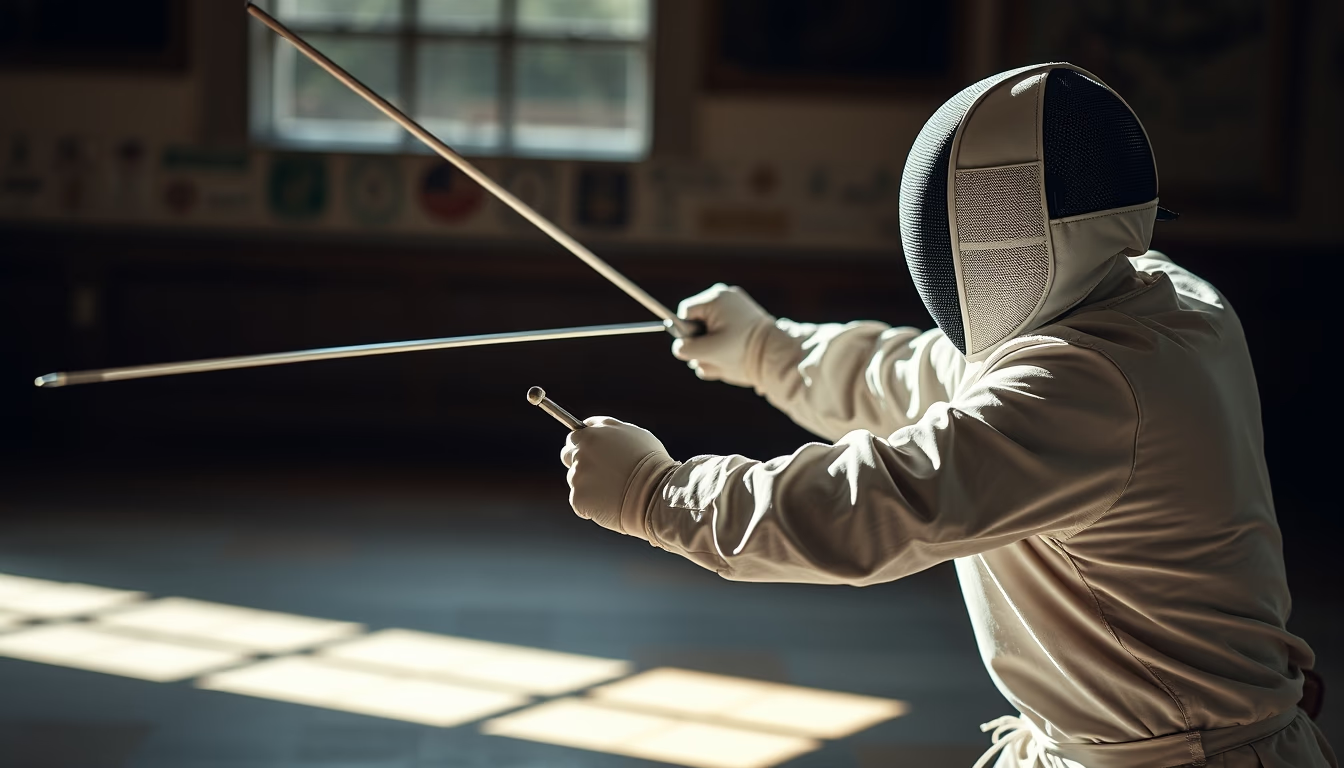
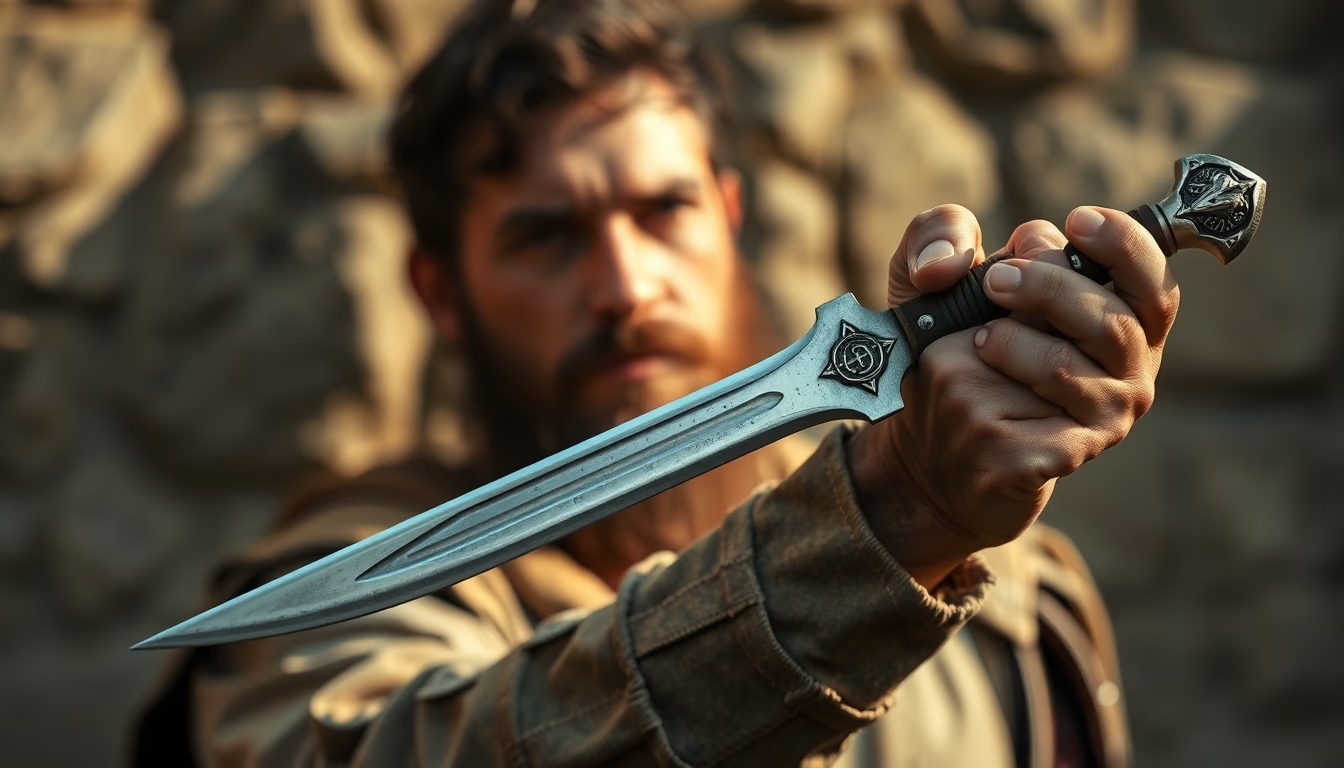
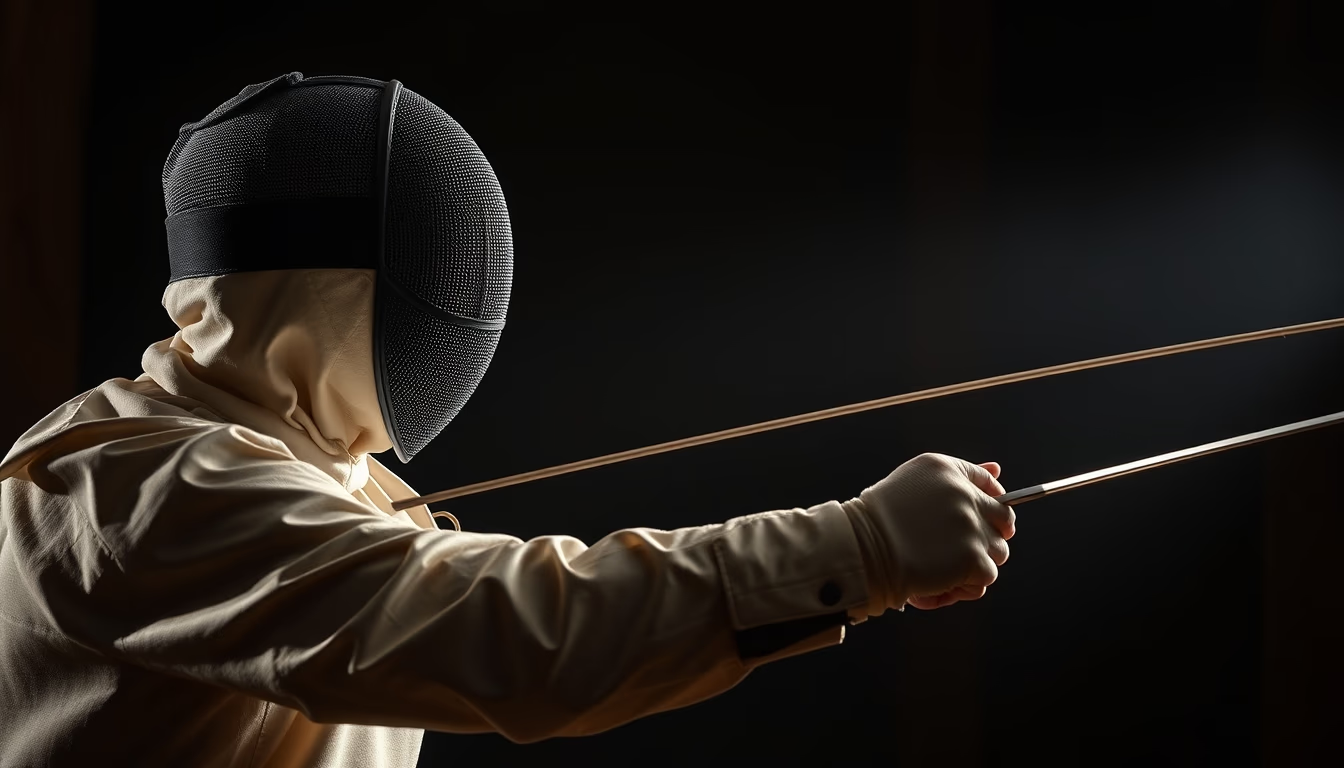
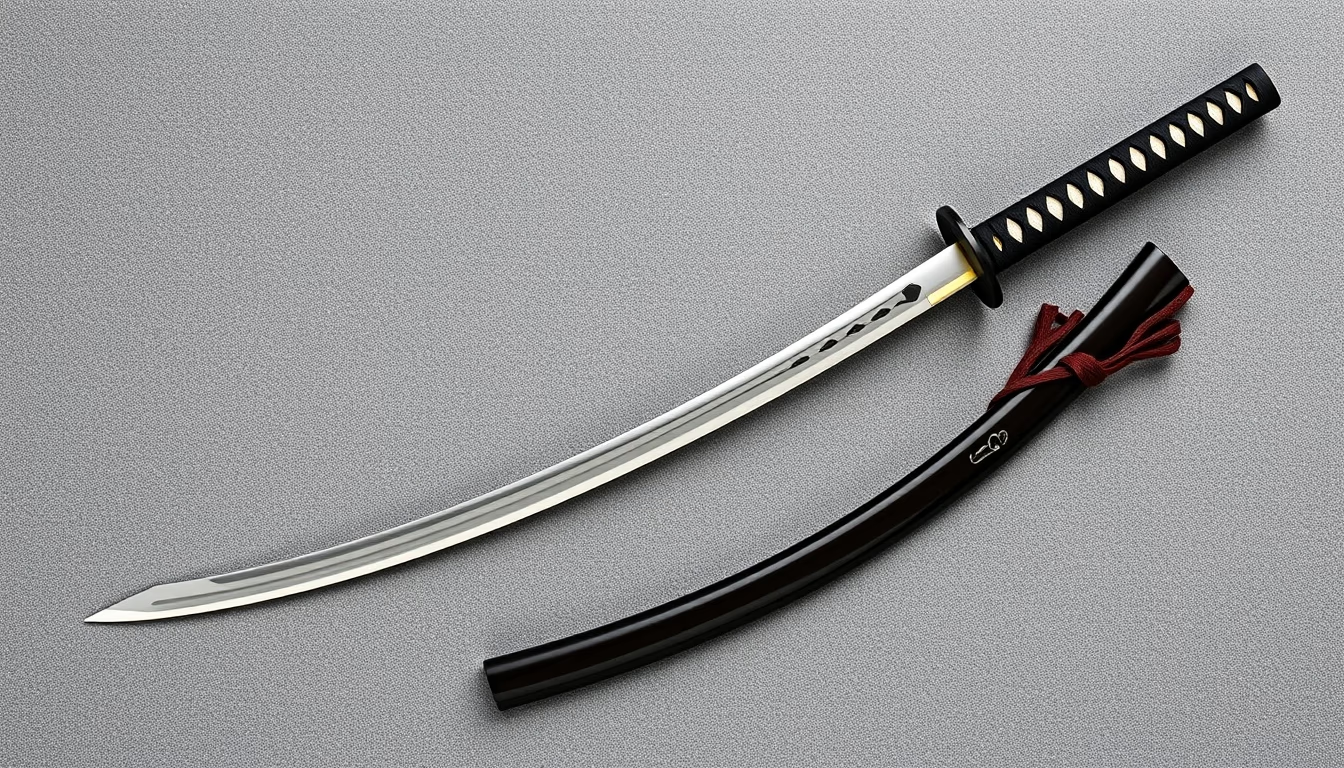
The rapier, a long, slender-bladed sword, was the predominant weapon in duels and Renaissance fencing across Europe from the 16th to 17th centuries.
About this subject
The rapier emerged in Spain and Italy around 1500, evolving from the medieval side-sword. Its narrow, pointed blade, 100 to 130 cm long, favored quick thrusts, while the ornate guard protected the hand. Unlike battlefield swords, the rapier was a civilian weapon for duels and self-defense in the streets. The most famous fencing treatise of the time, by Camillo Agrippa (1553), systematized movements prioritizing the point over the cut, laying the foundation for modern fencing.
In Elizabethan England, the rapier became a status symbol and fashion accessory for gentlemen. The Italian school of fencing, with masters like Salvator Fabris, dominated the continent, while the Spanish developed the Verdadera Destreza style based on geometry and circles. The blade was made of tempered steel, often hexagonal or diamond in cross-section, capable of piercing leather and mail rings.
Rapier popularity declined in the late 17th century, replaced by lighter swords like the smallsword and saber. However, its legacy lives on in historical European martial arts (HEMA) and cinema, featured in swashbuckling films. Modern Olympic fencing directly derives from rapier techniques, adapted to the electric foil.
Frequently Asked Questions
What is the difference between a rapier and a foil?
The rapier is a Renaissance sword with a long blade (100, 130 cm) and elaborate guard, used in duels. The foil is a lighter, flexible training weapon developed in the 18th century, with a square blade and restricted target rules.
Was the rapier used in military battles?
No. The rapier was a civilian weapon for self-defense and duels. Military troops preferred shorter, sturdier swords like the broadsword or hand-and-a-half sword.
Where can I learn historical rapier fencing today?
HEMA (Historical European Martial Arts) groups worldwide practice Renaissance fencing with rapier replicas. Look for local clubs or federations like the HEMA Alliance.
Direct URL
https://pub-c7d6a6ea828543ac903a74a341ccb2e1.r2.dev/imagens/rapier-renaissance-fencing-magazine-editorial-fresh5.avifHow to credit
Include a visible link back to UtilizAí. Copy one of the snippets below:
<a href="https://xn--utiliza-eza.com/en/midia/imagens/rapier-renaissance-fencing-magazine-editorial-fresh5">Rapier renaissance fencing</a> by <a href="https://xn--utiliza-eza.com">UtilizAí</a>, licensed under <a href="https://creativecommons.org/licenses/by/4.0/">CC BY 4.0</a>.
[Rapier renaissance fencing](https://xn--utiliza-eza.com/en/midia/imagens/rapier-renaissance-fencing-magazine-editorial-fresh5) by [UtilizAí](https://xn--utiliza-eza.com), CC BY 4.0
License: CC-BY-4.0