Rapier renaissance fencing
1344×768 · AVIF · CC BY 4.0
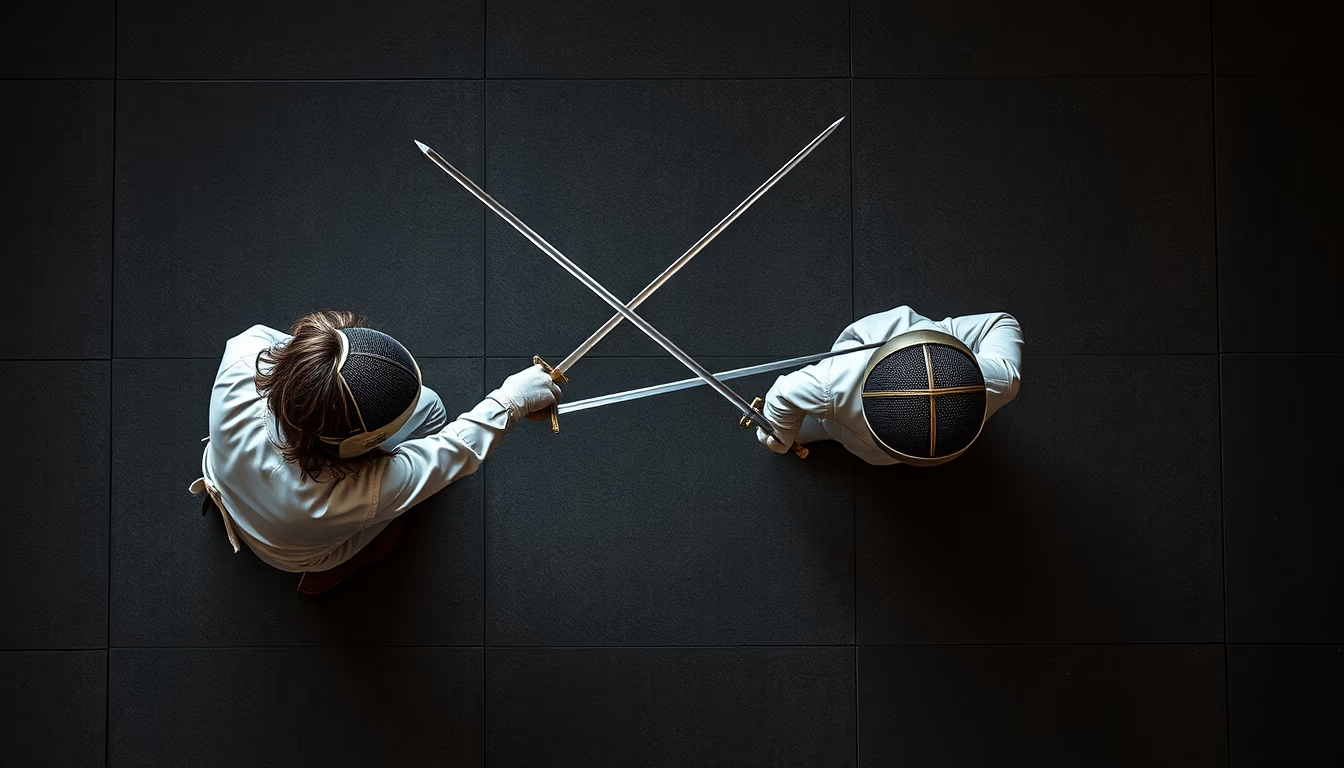
Renaissance rapier fencing was a martial art and combat sport practiced by nobles and bourgeoisie in 16th-century Europe, combining refined technique and elegance.
About this subject
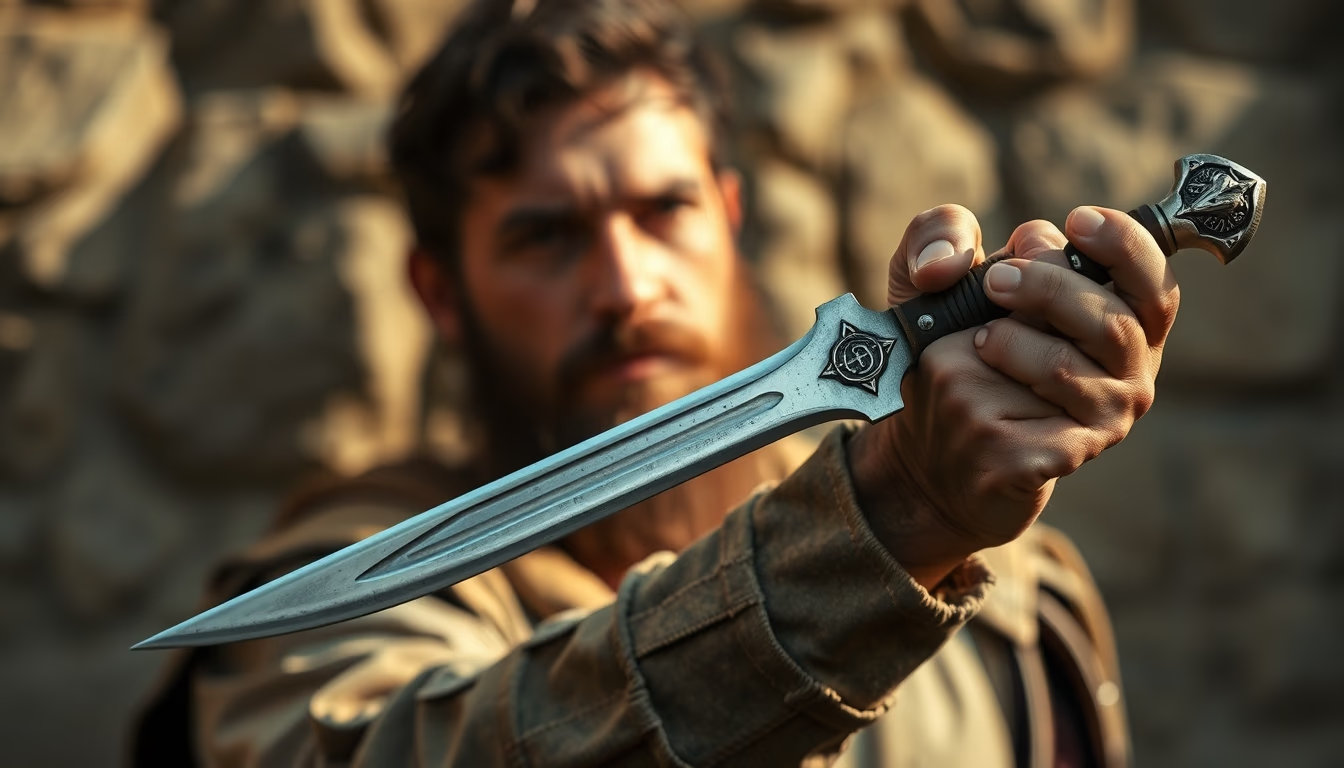
Renaissance rapier fencing flourished between the 16th and 17th centuries, especially in Italy, Spain, and France. The rapier, a long, slender straight-bladed sword, was ideal for precise thrusts, differing from heavier medieval swords. Fencing treatises of the time, such as those by Achille Marozzo, Ridolfo Capo Ferro, and Salvator Fabris, systematized movements, guards, and responses, laying the foundations of modern fencing.
Practice was a symbol of status and aristocratic education, taught in academies and fencing schools that arose in European courts. Honor duels with rapiers were common, regulated by codes of conduct. Besides combat, fencing was considered an art that developed discipline, agility, and strategic thinking.
Interestingly, rapier blades were very flexible, bending on impact without breaking, allowing quick strikes. Fencers used their left hand for protection or carried a dagger (main gauche) to parry attacks. The term 'rapier' comes from the Spanish 'espada ropera,' meaning 'dress sword,' worn as a fashion accessory.
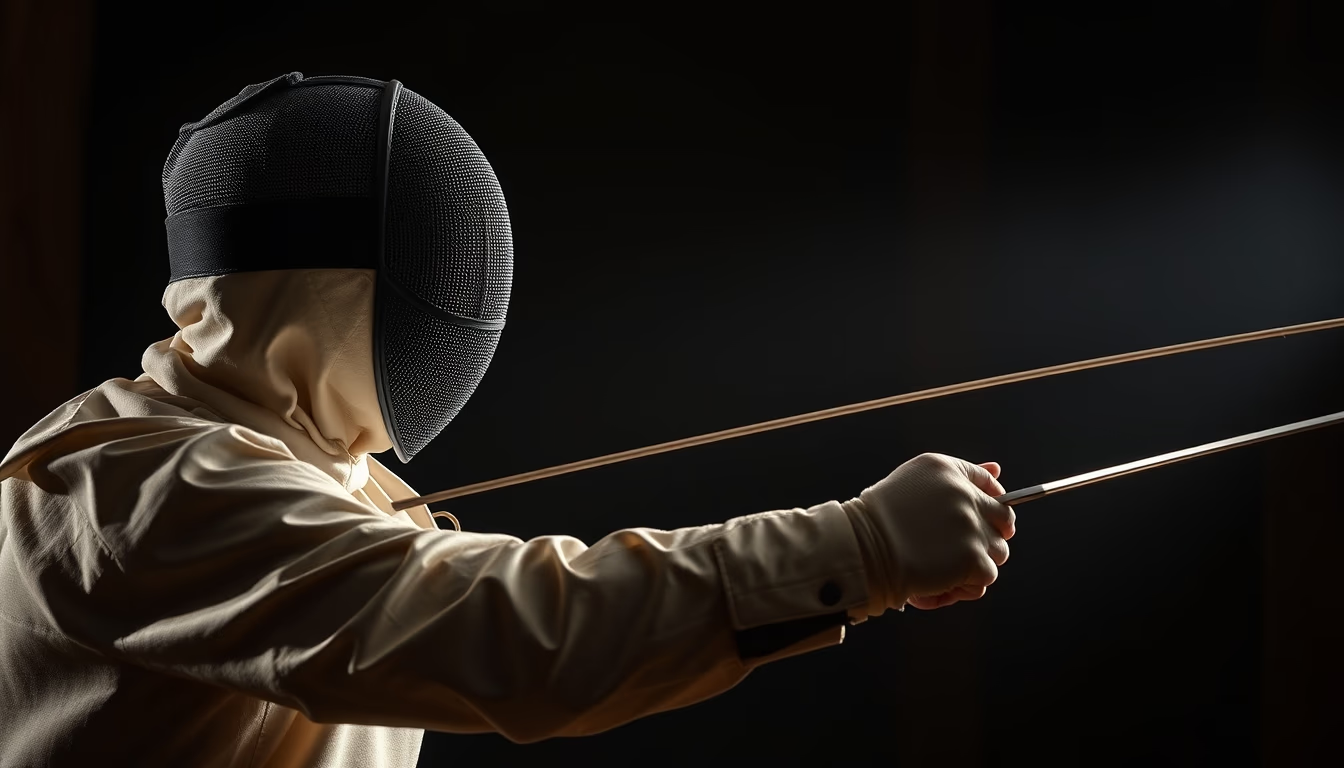
The influence of Renaissance fencing persists today in Olympic fencing, particularly the foil, which directly derives from rapier fundamentals. Historical reconstruction of this art is practiced by reenactment groups worldwide.
Frequently Asked Questions
What is the difference between a rapier and a medieval sword?
The rapier is longer, thinner, and lighter, with a straight flexible blade designed for thrusts. The medieval sword (e.g., longsword) is shorter, wider, and heavier, used for cuts and thrusts.
Where were Renaissance fencing lessons held?
They took place in fencing academies and schools in European courts, as well as private training halls. Masters published illustrated books with techniques.
Did Renaissance fencing influence modern Olympic fencing?
Yes, especially the foil, which derives directly from the rapier's thrusting techniques, with rules prioritizing tip touches and attack priority.
Direct URL
https://pub-c7d6a6ea828543ac903a74a341ccb2e1.r2.dev/imagens/rapier-renaissance-fencing-isometric-flat-lay-fresh14.avifHow to credit
Include a visible link back to UtilizAí. Copy one of the snippets below:
<a href="https://xn--utiliza-eza.com/en/midia/imagens/rapier-renaissance-fencing-isometric-flat-lay-fresh14">Rapier renaissance fencing</a> by <a href="https://xn--utiliza-eza.com">UtilizAí</a>, licensed under <a href="https://creativecommons.org/licenses/by/4.0/">CC BY 4.0</a>.
[Rapier renaissance fencing](https://xn--utiliza-eza.com/en/midia/imagens/rapier-renaissance-fencing-isometric-flat-lay-fresh14) by [UtilizAí](https://xn--utiliza-eza.com), CC BY 4.0
License: CC-BY-4.0