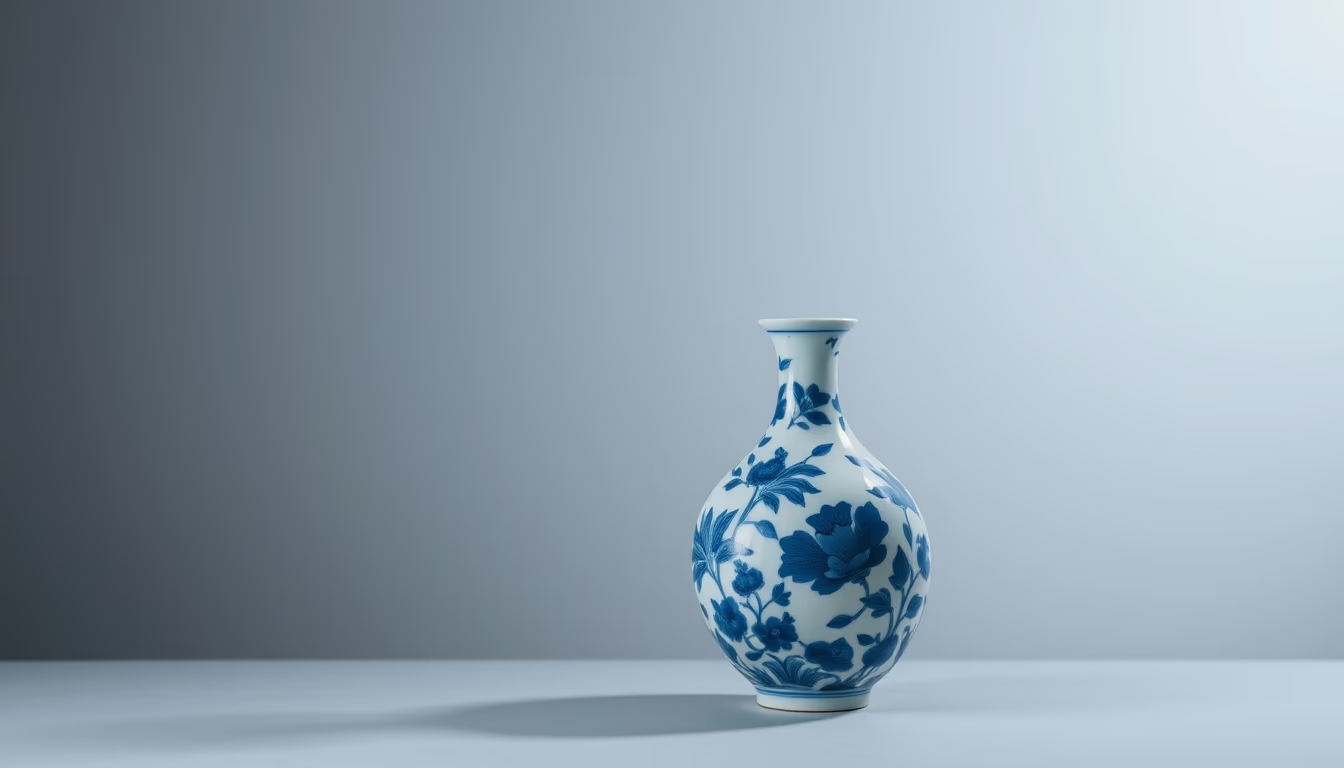
Porcelain blue white vase
1344×768 · AVIF · CC BY 4.0
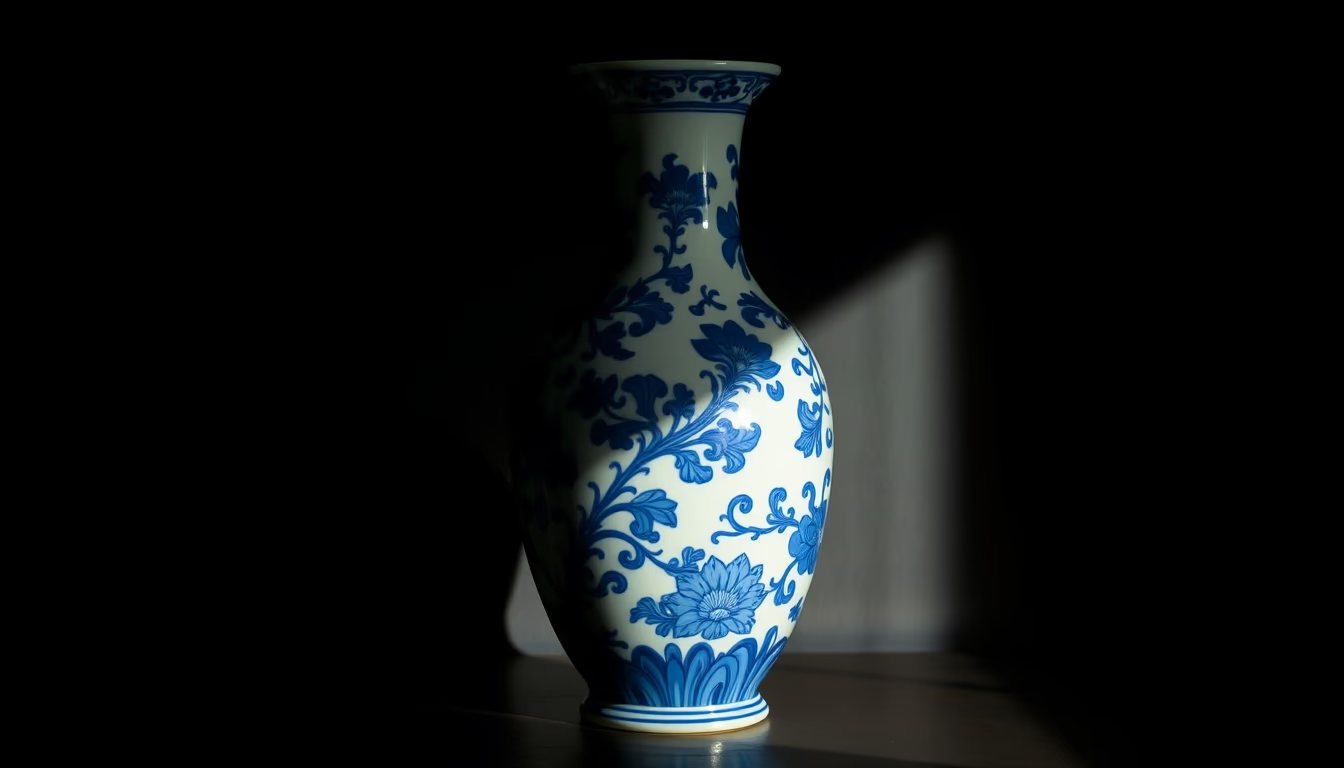
A blue and white porcelain vase, a symbol of global trade between East and West, prized for its technique and beauty.
About this subject
Blue and white porcelain originated in China during the Yuan dynasty (1271-1368), when Jingdezhen artisans combined kaolin clay with cobalt oxide imported from Persia. Vases, jars, and plates decorated with motifs such as dragons, landscapes, and flowers became coveted luxury items in European courts, especially after the establishment of maritime routes by the Portuguese in the 16th century. The technique involves freehand painting on the unfired body, followed by a transparent glaze and high-temperature firing.
As European demand grew, Chinese production adapted to specific orders, creating shapes and decorations that blended Western and Eastern styles. In the 18th century, blue and white porcelain inspired manufactories like Delft in the Netherlands and Meissen in Germany, which attempted to imitate the material. Porcelain was not just a decorative item; it was a status symbol, associated with tea and aristocratic banquets.
Today, blue and white vases are collector's items and key pieces in museums worldwide. They represent one of the earliest examples of globalization, moving economies and influencing global design. Regional variations, such as Imari porcelain in Japan and Canton ware, also gained prominence. The durability and timeless beauty of blue and white porcelain continue to fascinate, being reproduced by contemporary ceramists who keep this age-old tradition alive.
Frequently Asked Questions
How is blue and white porcelain made?
It is made from kaolin clay, painted with cobalt oxide, glazed, and fired at over 1300°C. The blue color emerges during firing.
Why was blue and white porcelain so valuable in Europe?
It was rare, durable, and decorative. It arrived via maritime trade routes and was associated with status, wealth, and tea culture, inspiring local imitations.
Where can I see famous blue and white porcelain vases?
Museums such as the Palace Museum in Beijing, the Rijksmuseum in Amsterdam, and the Victoria and Albert Museum in London hold notable collections.
Direct URL
https://pub-c7d6a6ea828543ac903a74a341ccb2e1.r2.dev/imagens/porcelain-blue-white-vase-rembrandt-lighting-dramatic-shadows-fresh2.avifHow to credit
Include a visible link back to UtilizAí. Copy one of the snippets below:
<a href="https://xn--utiliza-eza.com/en/midia/imagens/porcelain-blue-white-vase-rembrandt-lighting-dramatic-shadows-fresh2">Porcelain blue white vase</a> by <a href="https://xn--utiliza-eza.com">UtilizAí</a>, licensed under <a href="https://creativecommons.org/licenses/by/4.0/">CC BY 4.0</a>.
[Porcelain blue white vase](https://xn--utiliza-eza.com/en/midia/imagens/porcelain-blue-white-vase-rembrandt-lighting-dramatic-shadows-fresh2) by [UtilizAí](https://xn--utiliza-eza.com), CC BY 4.0
License: CC-BY-4.0