Plitvice lakes croatia
1344×768 · AVIF · CC BY 4.0
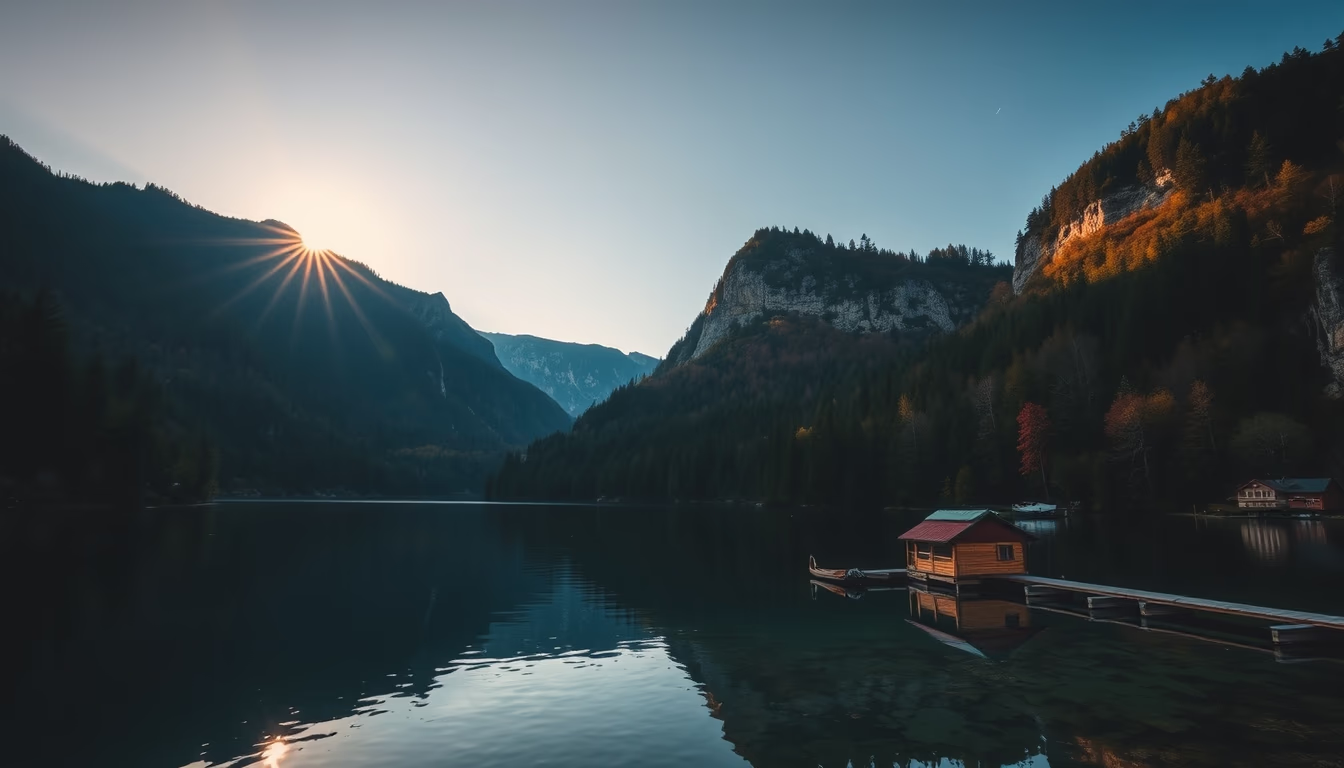
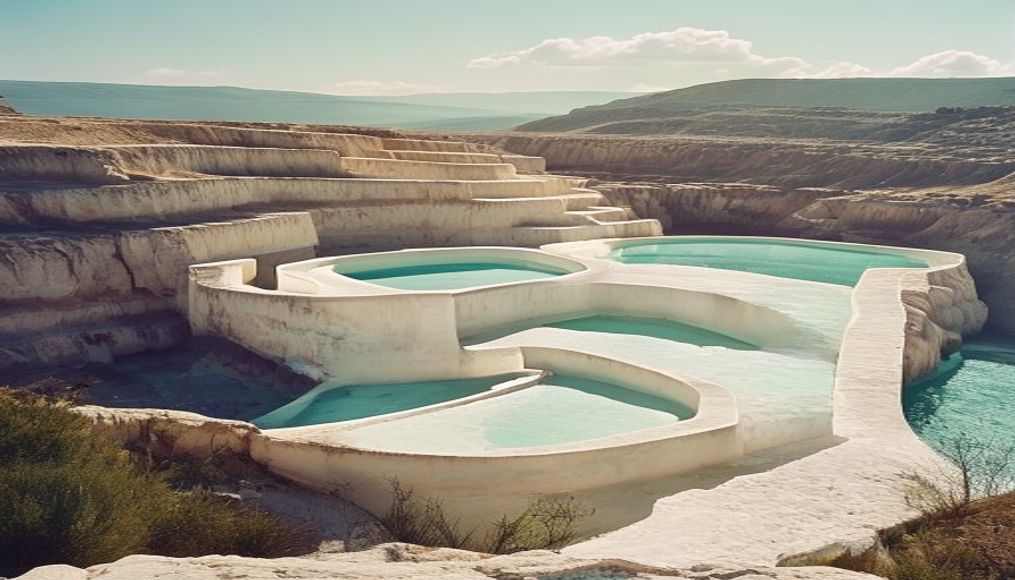
The Plitvice Lakes in Croatia form a stunning national park with 16 interconnected lakes and waterfalls over karst formations.
About this subject
Plitvice Lakes National Park, located in the mountainous region of central Croatia near the border with Bosnia and Herzegovina, is one of Europe's most iconic natural destinations. Established in 1949, it was one of the country's first national parks and was inscribed as a UNESCO World Heritage site in 1979. Its main attraction is a system of 16 karst lakes, fed by underground springs and rivers, connected by a series of waterfalls and cascades. The lakes are divided into two groups: the Upper Lakes, which are higher and surrounded by dense beech and fir forests, and the Lower Lakes, smaller and bordered by dolomite cliffs. The water, rich in calcium carbonate, creates travertine deposits that form natural barriers, giving the water a characteristic turquoise-green color. The area hosts over 1,200 plant species, including rare orchids, and fauna such as brown bears, wolves, and otters. The park is accessible via wooden walkways and electric boats, ensuring low environmental impact. A curiosity: the formation of travertine barriers is so dynamic that the lowest lake, Lake Novakovića Brod, has shifted its position by several meters over decades. Annual visitation exceeds 1 million tourists, peaking in the European summer. To avoid crowds, spring and autumn are recommended, when vegetation colors are more vibrant and water levels are more balanced.
Frequently Asked Questions
How many lakes make up the Plitvice Lakes National Park?
There are 16 interconnected lakes, divided into the Upper Lakes (12) and Lower Lakes (4).
How did the waterfalls and travertine barriers form at Plitvice?
Calcium carbonate-rich water deposits travertine on moss and bacteria, creating natural barriers that grow and change the landscape over time.
What is the best time to visit the Plitvice Lakes?
Spring (April to June) and autumn (September to October) offer fewer crowds, vibrant colors, and balanced water levels. Winter can be icy but with snowy scenery.
Direct URL
https://pub-c7d6a6ea828543ac903a74a341ccb2e1.r2.dev/imagens/plitvice-lakes-croatia-fine-art-photography-p4.avifHow to credit
Include a visible link back to UtilizAí. Copy one of the snippets below:
<a href="https://xn--utiliza-eza.com/en/midia/imagens/plitvice-lakes-croatia-fine-art-photography-p4">Plitvice lakes croatia</a> by <a href="https://xn--utiliza-eza.com">UtilizAí</a>, licensed under <a href="https://creativecommons.org/licenses/by/4.0/">CC BY 4.0</a>.
[Plitvice lakes croatia](https://xn--utiliza-eza.com/en/midia/imagens/plitvice-lakes-croatia-fine-art-photography-p4) by [UtilizAí](https://xn--utiliza-eza.com), CC BY 4.0
License: CC-BY-4.0