Plaster mold sculpture
1344×768 · AVIF · CC BY 4.0
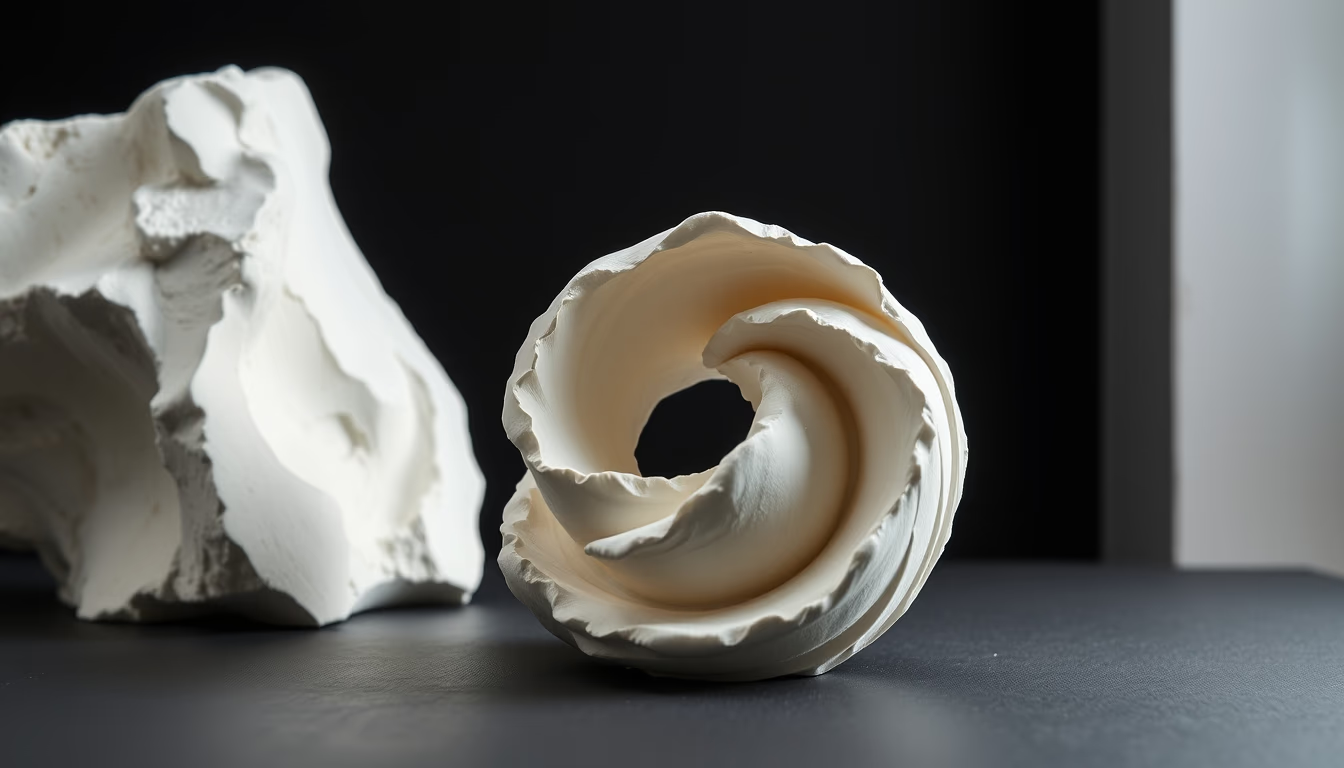
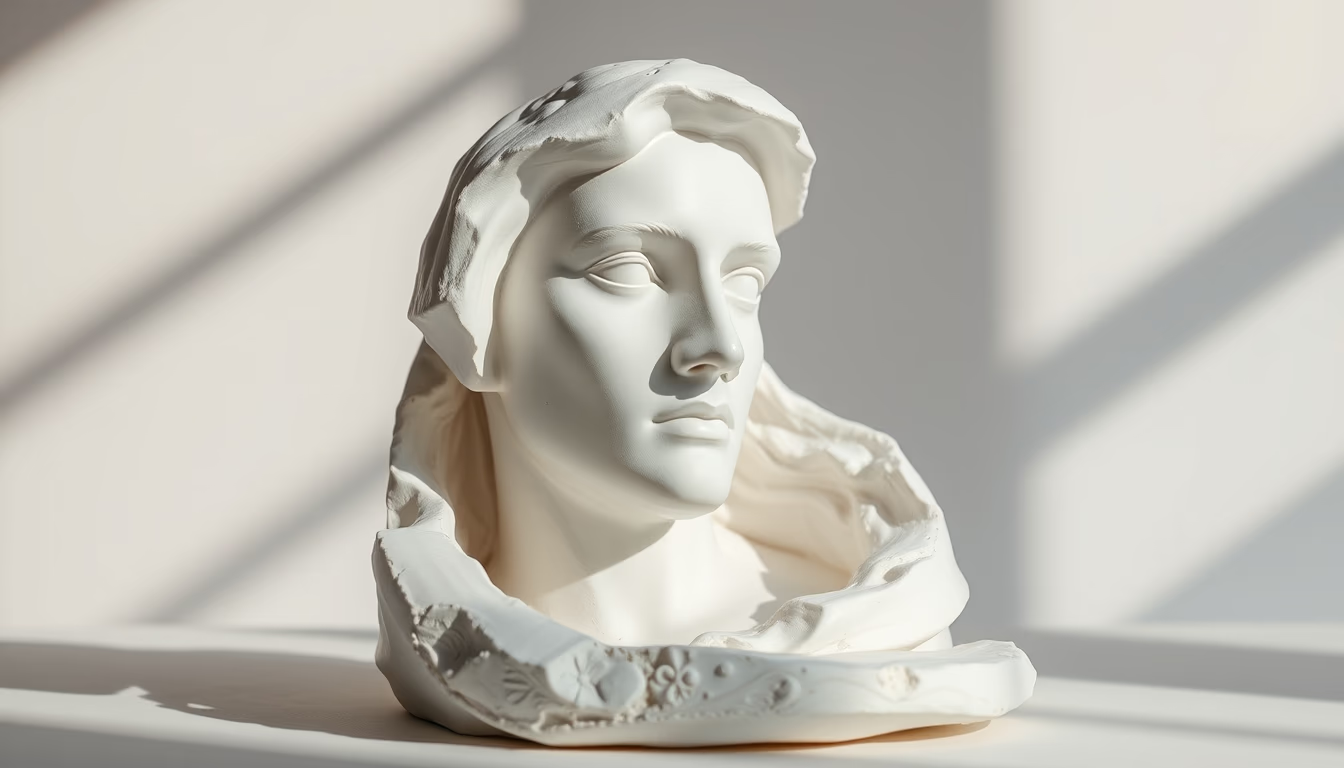
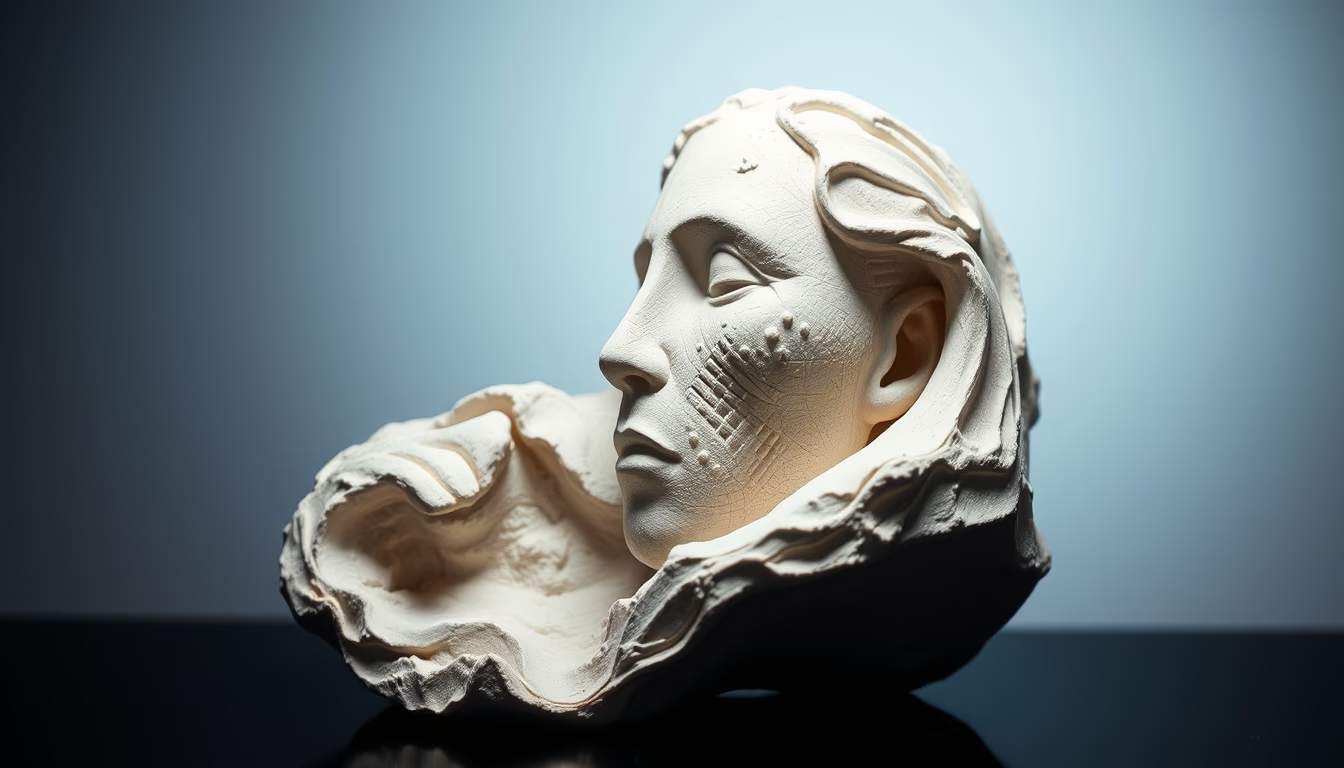
Plaster mold for sculpture: an ancient technique allowing precise reproduction of three-dimensional forms, used from the Renaissance to modern industry.
About this subject
The plaster mold is an essential tool in sculpture, allowing exact reproduction of an original artwork. The technique involves pouring liquid plaster over a model (usually clay or wax) to create a negative, which is then filled with the final material, such as bronze, resin, or more plaster. This process, known as molding, was perfected in ancient Greece and widely used during the Renaissance to multiply marble and bronze sculptures without losing detail.
In Brazil, plaster molding arrived with the French artistic mission in the 19th century, being fundamental for training sculptors like Rodolfo Bernardelli and Victor Brecheret. To this day, conservation and restoration studios use plaster molds to reproduce damaged parts of historical statues or create replicas for museums. Plaster is preferred for its low shrinkage, fast drying time, and low cost, although care is needed to avoid air bubbles.
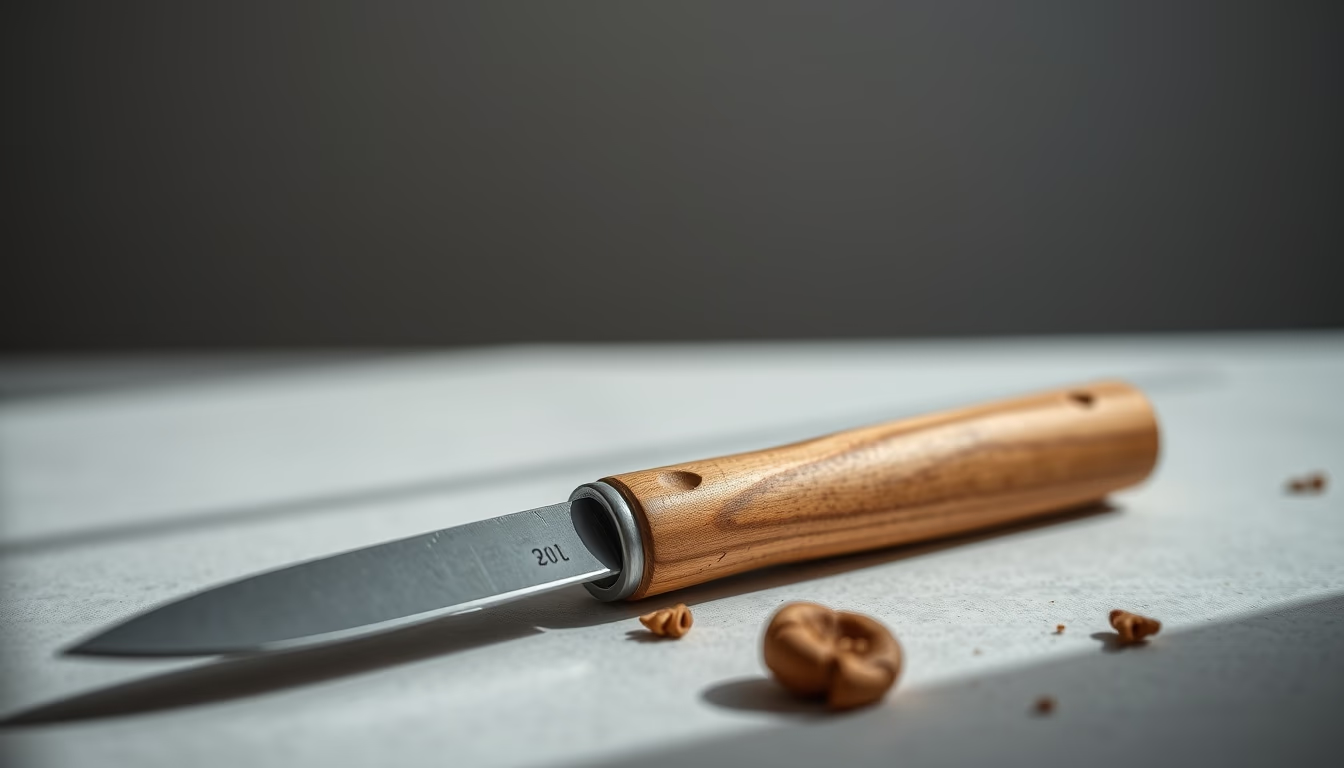
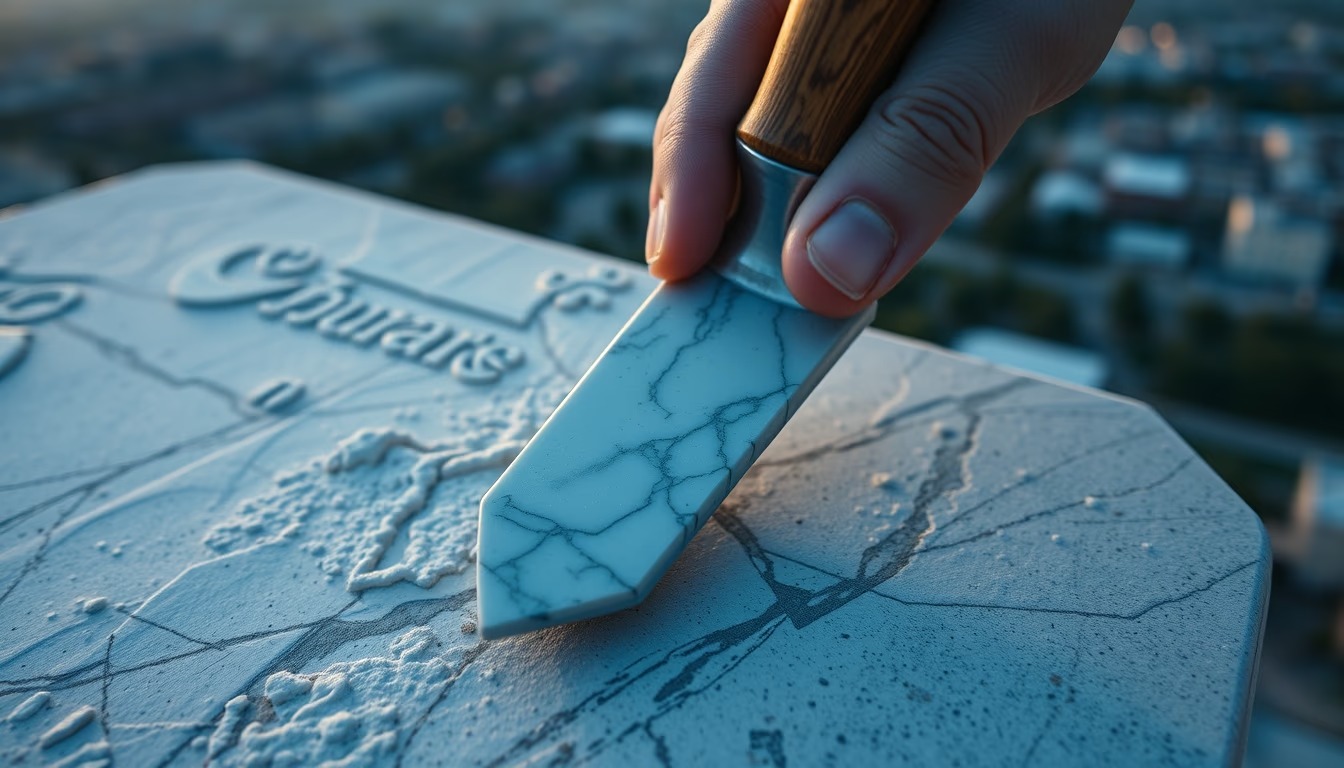
A technical curiosity: before applying plaster, the original model is coated with a release agent (such as Vaseline or soap) to prevent surfaces from sticking. For complex sculptures, the mold is divided into several pieces (piece molds) that fit together like a puzzle. After drying, the mold can be reused dozens of times if stored in a dry place. Tools like spatulas and scrapers help remove burrs and finish the surface.
Despite the popularity of silicone and 3D printing, plaster molds are still valued by contemporary sculptors seeking a handmade touch and the possibility of creating limited editions. Beyond visual arts, the technique is used in dentistry (dental impressions), orthopedics (casts for fractures), and the manufacture of prosthetics and decorative objects.
Frequently Asked Questions
What is the difference between a plaster mold and a silicone mold?
Plaster molds are rigid, cheap, and suitable for reproductions in plaster, cement, or resin, but can damage delicate models. Silicone molds are flexible, allow complex shapes, and do not stick as much, but are more expensive and require a support structure.
How many times can a plaster mold be reused?
Depending on care and material poured, a well-maintained plaster mold can last 10 to 50 reproductions with plaster. For bronze or resin, the lifespan is shorter due to heat and pressure.
Can I make a plaster mold at home?
Yes, with simple materials like plaster powder, Vaseline, and a clay model or everyday objects. It is a common technique in art classes and even for making handmade decorative items.
Direct URL
https://pub-c7d6a6ea828543ac903a74a341ccb2e1.r2.dev/imagens/plaster-mold-sculpture-studio-still-life-fresh5.avifHow to credit
Include a visible link back to UtilizAí. Copy one of the snippets below:
<a href="https://xn--utiliza-eza.com/en/midia/imagens/plaster-mold-sculpture-studio-still-life-fresh5">Plaster mold sculpture</a> by <a href="https://xn--utiliza-eza.com">UtilizAí</a>, licensed under <a href="https://creativecommons.org/licenses/by/4.0/">CC BY 4.0</a>.
[Plaster mold sculpture](https://xn--utiliza-eza.com/en/midia/imagens/plaster-mold-sculpture-studio-still-life-fresh5) by [UtilizAí](https://xn--utiliza-eza.com), CC BY 4.0
License: CC-BY-4.0