Kiln pottery firing
1344×768 · AVIF · CC BY 4.0
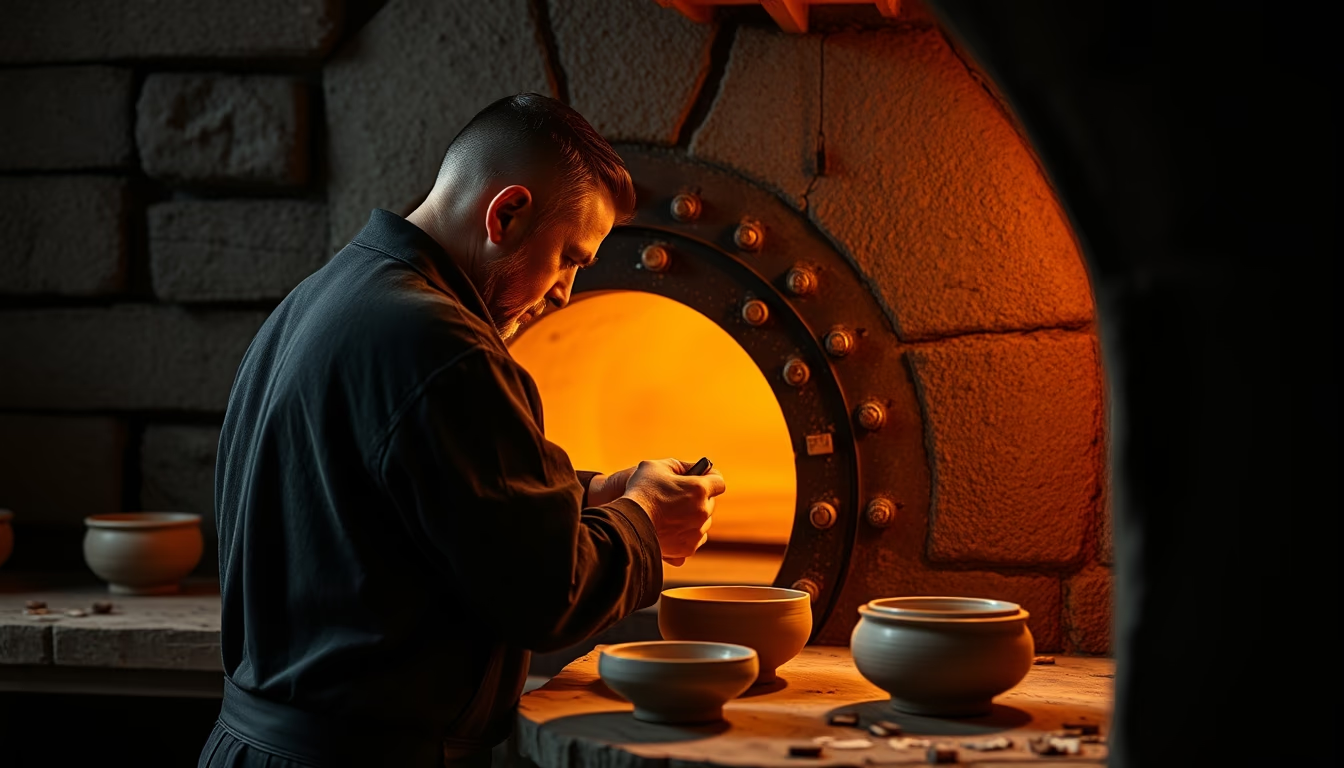
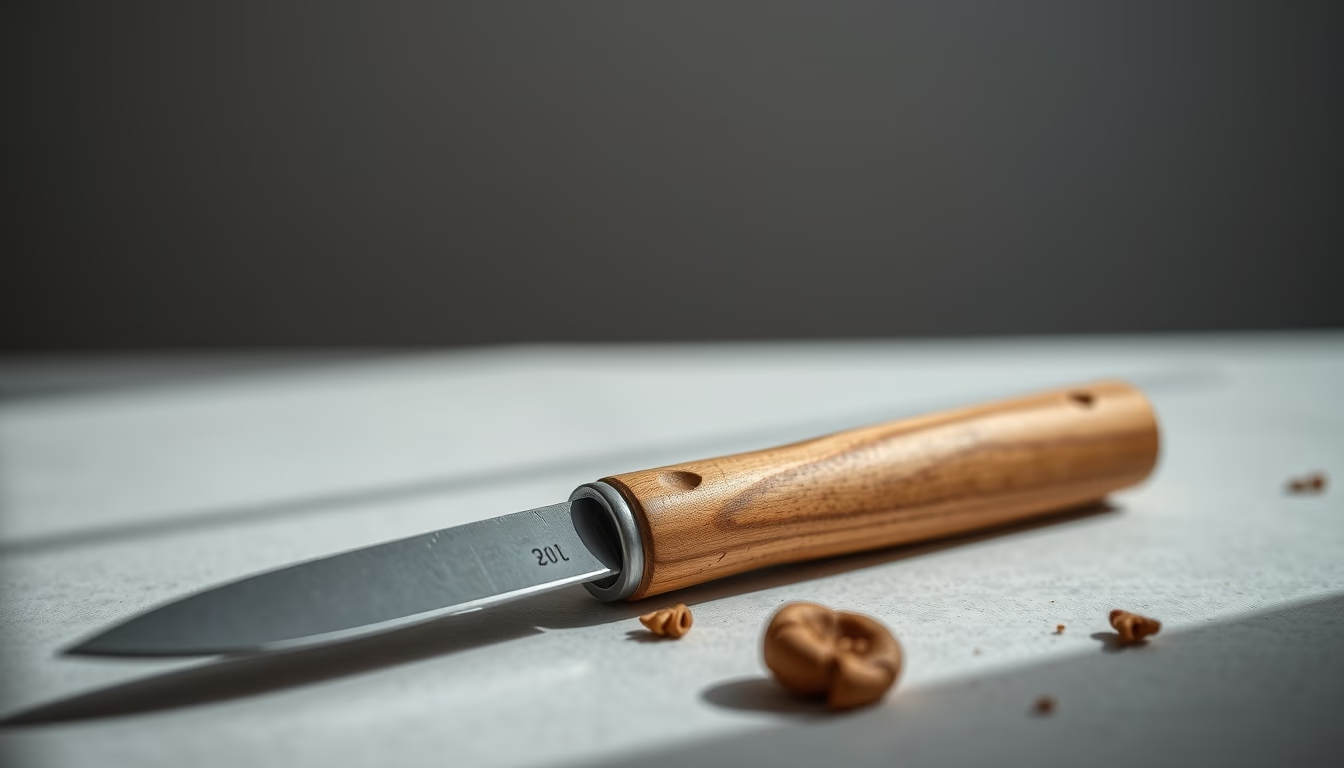
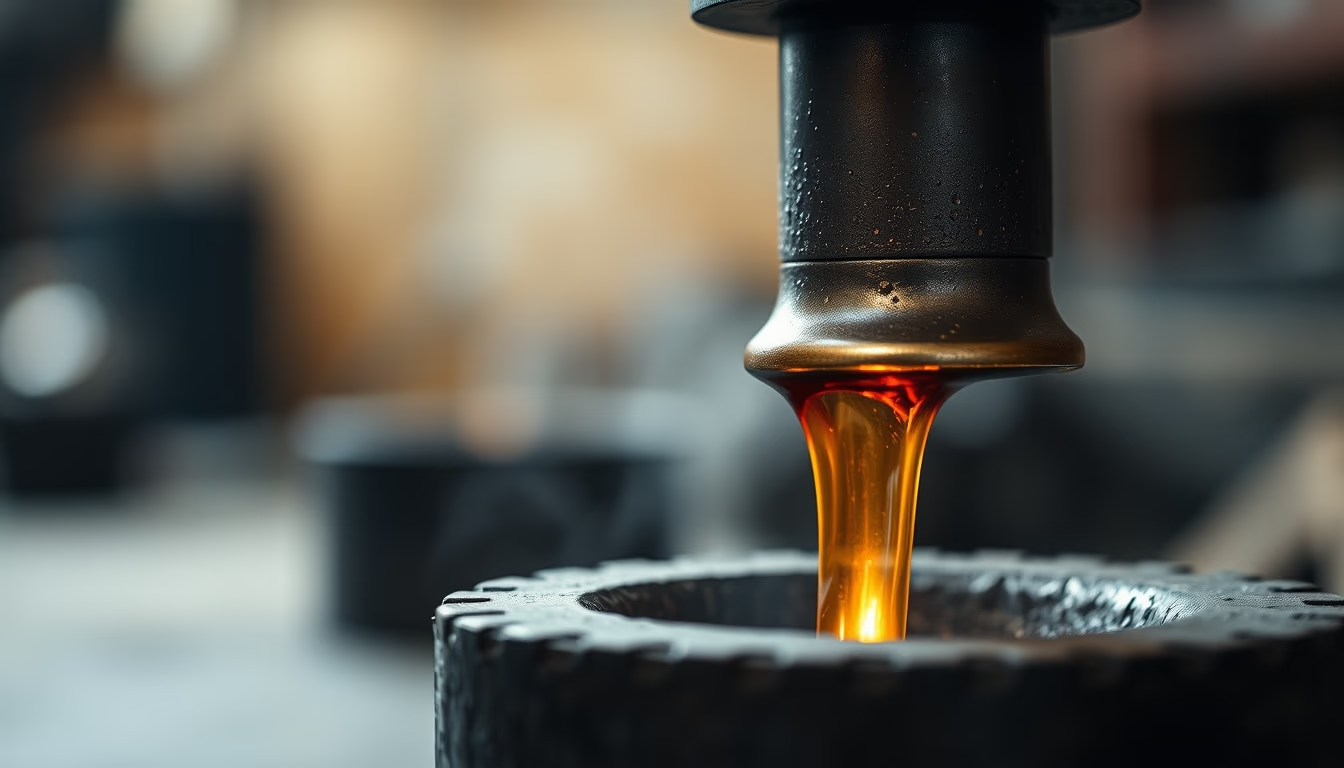
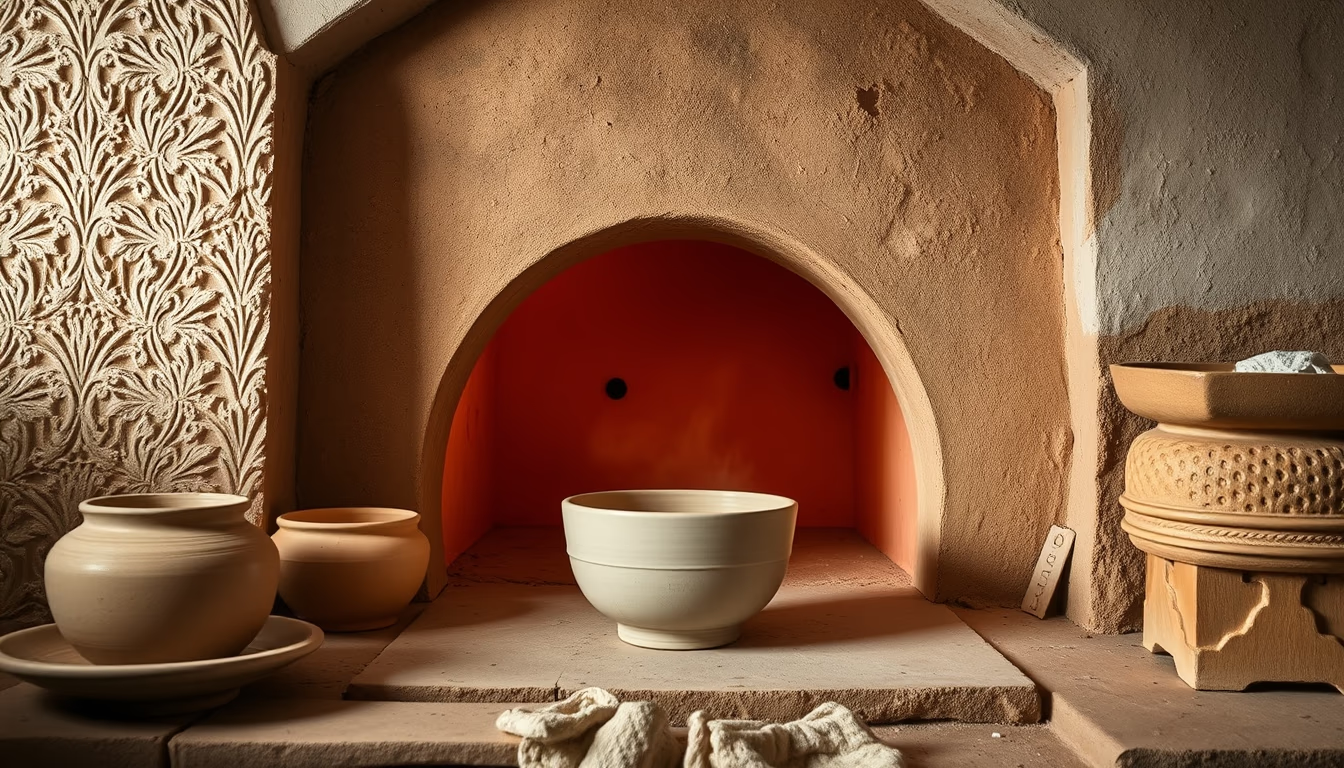
Kiln pottery firing is a crucial step that transforms clay into durable pieces, involving temperatures ranging from 600°C to over 1300°C.
About this subject
Kiln pottery firing is an ancient process dating back to at least 24,000 BCE, with early Venus figurines found in Europe. A kiln is a thermally insulated chamber designed to heat clay to high temperatures, inducing chemical reactions that partially vitrify the material, making it waterproof and durable. Various kiln types exist: wood-fired, gas, electric, and microwave, each offering distinct atmospheres (oxidizing, reducing, or neutral) that affect glaze colors and textures. Maturation temperatures depend on clay body: stoneware and porcelain fire between 1200°C and 1300°C, while earthenware requires lower ranges, 900°C to 1100°C. Critical stages occur during firing: water evaporation, organic burnout, quartz inversion, and mullite formation. Precise control of the firing cycle is crucial to avoid defects like cracks or blisters. Historical techniques include reduction firing used in Chinese ceramics to produce celadon glazes. In Brazil, pottery from Santa Catarina and the Jequitinhonha Valley uses traditional wood-fired kilns, preserving cultural heritage. Firing not only ensures durability but also is the moment when glazes develop colors and decorative effects, such as copper reds achieved in a reducing atmosphere.
Frequently Asked Questions
What is the ideal temperature for firing pottery?
The ideal temperature depends on the clay and glaze. Earthenware fires between 900°C and 1100°C, stoneware and porcelain between 1200°C and 1300°C. The temperature must be held for a specific period to achieve full maturation.
What happens to clay during firing?
During firing, clay undergoes physical and chemical transformations: water evaporation, organic burnout, quartz inversion, and mullite formation, resulting in a hard, porous or vitrified material.
How does kiln atmosphere affect glaze color?
Oxidizing atmosphere (excess oxygen) produces brighter colors. Reducing atmosphere (oxygen deficiency) creates earthy tones and effects like copper red and celadon blue. Metal oxides react differently under each condition.
Direct URL
https://pub-c7d6a6ea828543ac903a74a341ccb2e1.r2.dev/imagens/kiln-pottery-firing-fine-art-photography-fresh18.avifHow to credit
Include a visible link back to UtilizAí. Copy one of the snippets below:
<a href="https://xn--utiliza-eza.com/en/midia/imagens/kiln-pottery-firing-fine-art-photography-fresh18">Kiln pottery firing</a> by <a href="https://xn--utiliza-eza.com">UtilizAí</a>, licensed under <a href="https://creativecommons.org/licenses/by/4.0/">CC BY 4.0</a>.
[Kiln pottery firing](https://xn--utiliza-eza.com/en/midia/imagens/kiln-pottery-firing-fine-art-photography-fresh18) by [UtilizAí](https://xn--utiliza-eza.com), CC BY 4.0
License: CC-BY-4.0