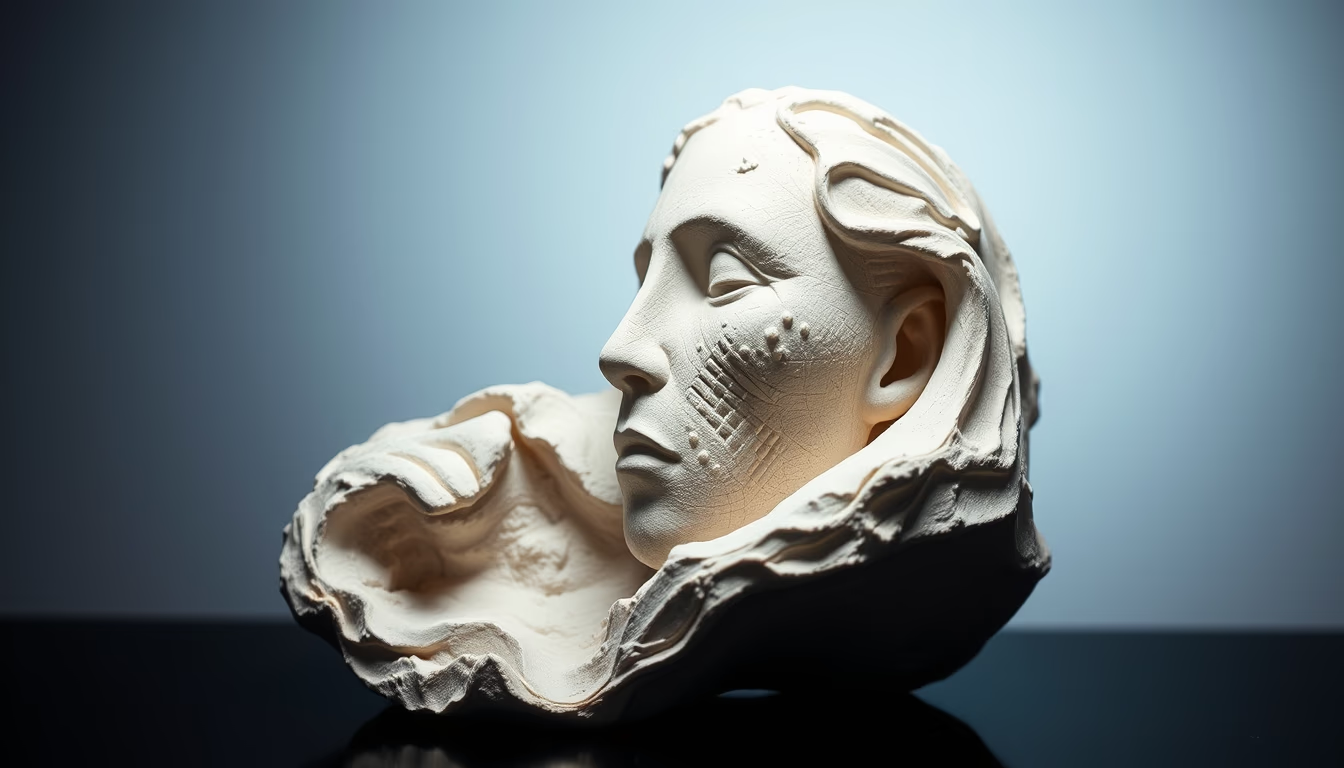
Plaster mold sculpture
1344×768 · AVIF · CC BY 4.0
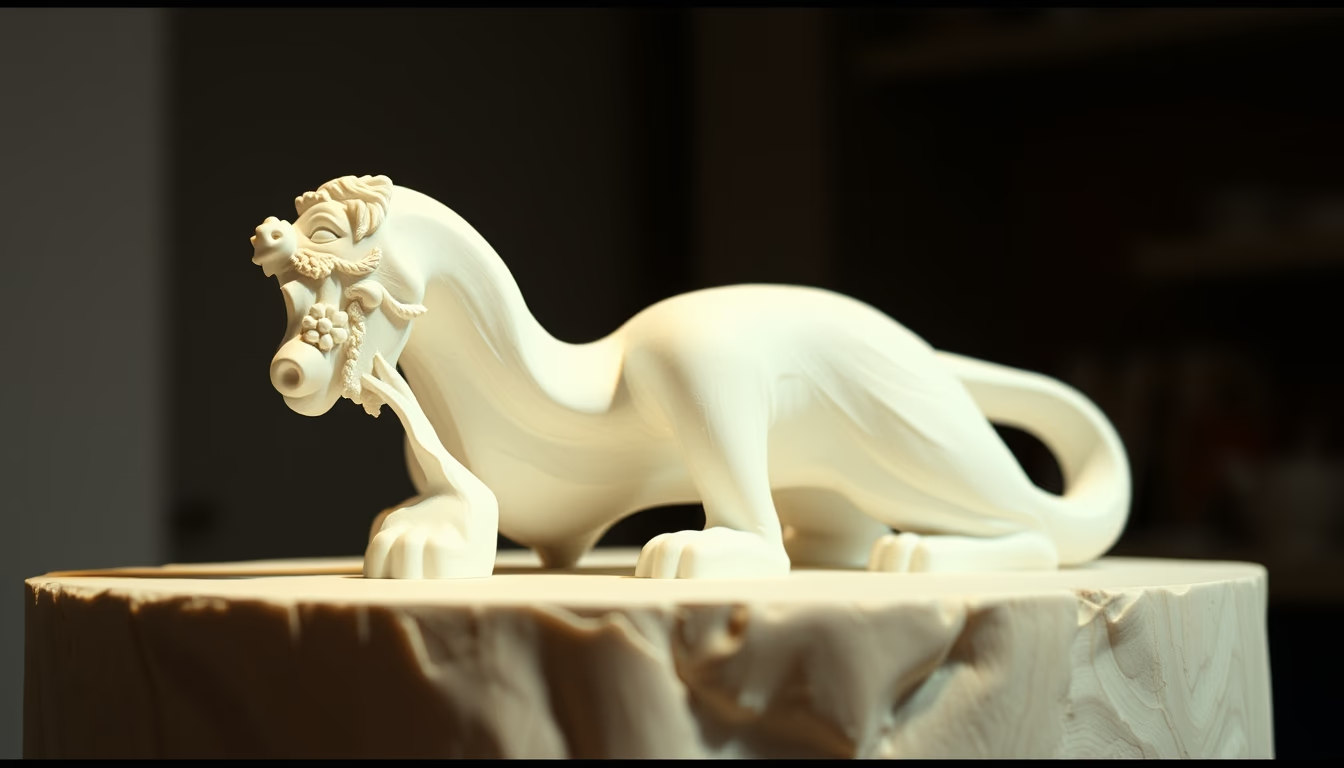
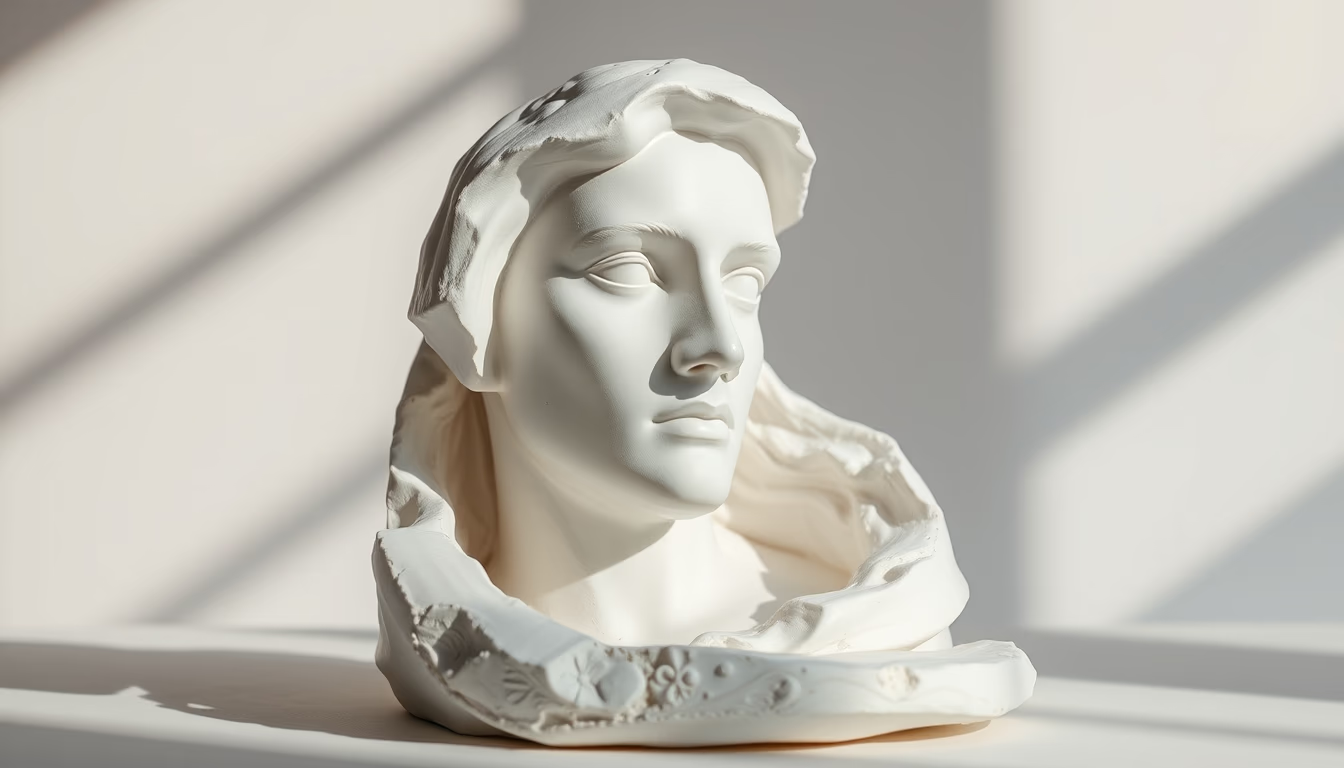
Plaster mold sculpture technique used by artists to create accurate reproductions of original models.
About this subject
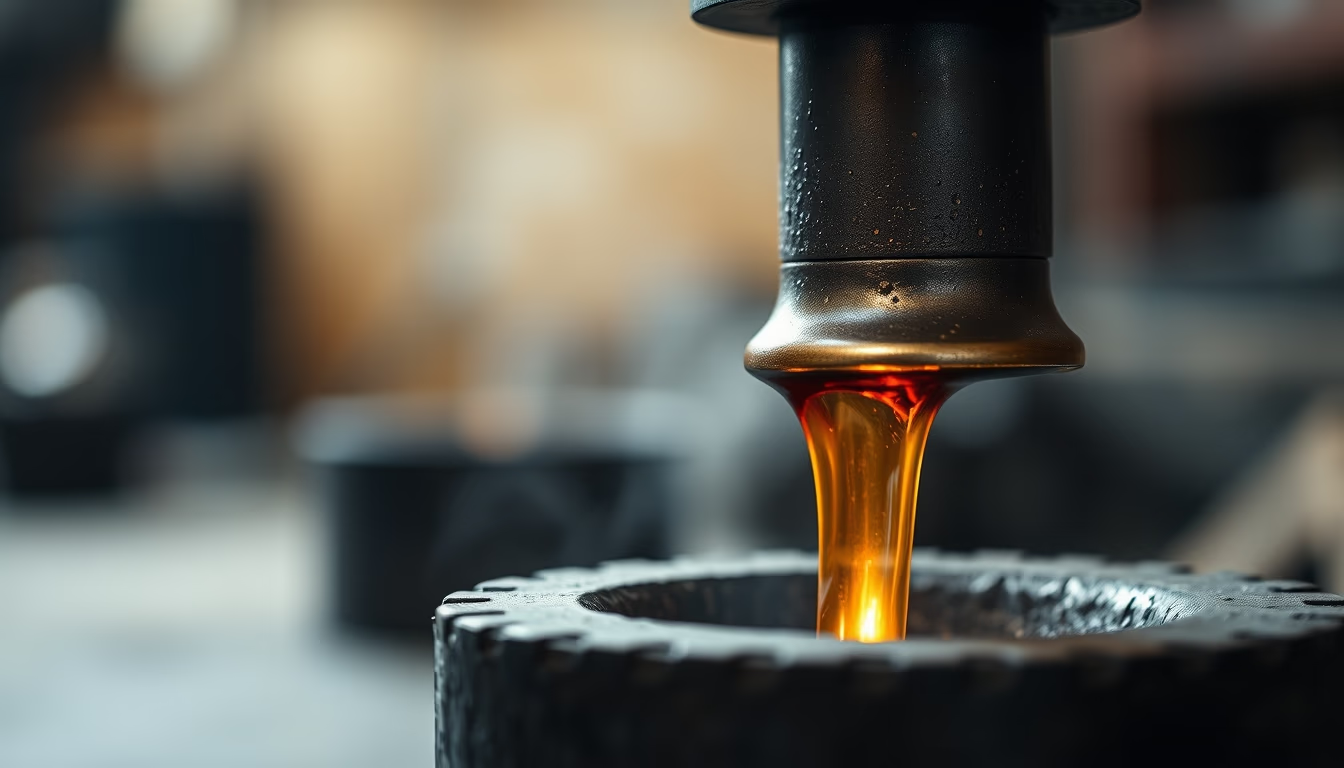
Plaster mold sculpture is a crafting technique that faithfully reproduces an original model. The process involves pouring liquid plaster over a model (usually made of clay, wax, or other material) to create a negative mold. Once hardened, the mold is removed and can be used to cast multiple copies in plaster, resin, or even bronze.
Historically, the use of plaster molds dates back to Ancient Egypt and Classical Greece, but it was during the Renaissance that the technique became refined, with artists like Donatello and Michelangelo using it to prepare preliminary models or to reproduce works. In the 19th century, mass production of decorative sculptures and plaster statues popularized the method in studios and art schools.
An interesting fact: plaster hardens quickly, requiring skill to avoid bubbles and imperfections. The lost mold technique, where the mold is broken to retrieve the final piece, is common for one-of-a-kind sculptures. Reusable plaster molds are made in parts (two or more pieces) to allow continuous reproduction.
In contemporary art, artists like Rachel Whiteread use plaster molds to capture negative spaces, inverting traditional sculpture perception. Additionally, the technique is essential in art education, teaching proportion, texture, and production processes.
Frequently Asked Questions
What is the difference between a plaster mold and a silicone mold?
Plaster molds are rigid and cheap, but can damage delicate models. Silicone is flexible and captures fine details, commonly used for resin or wax reproductions.
Can you sculpt directly into plaster?
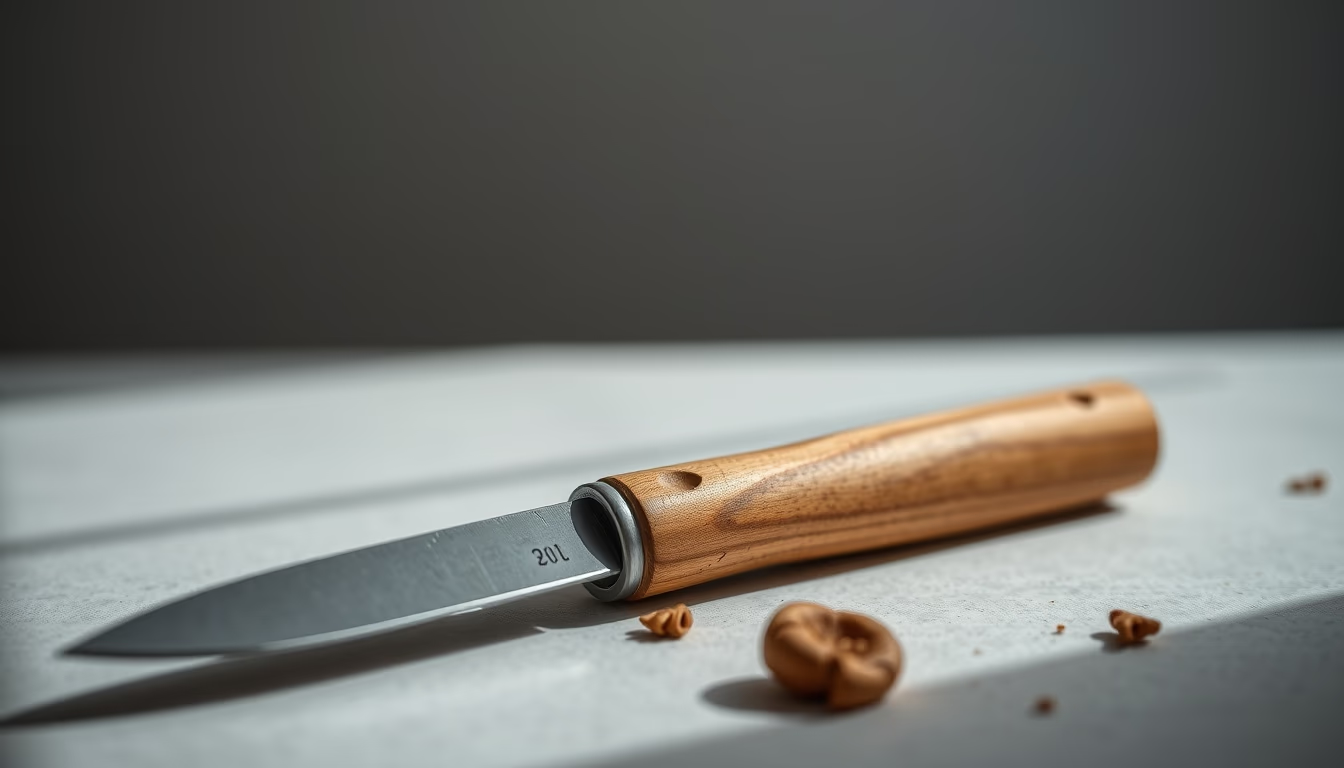
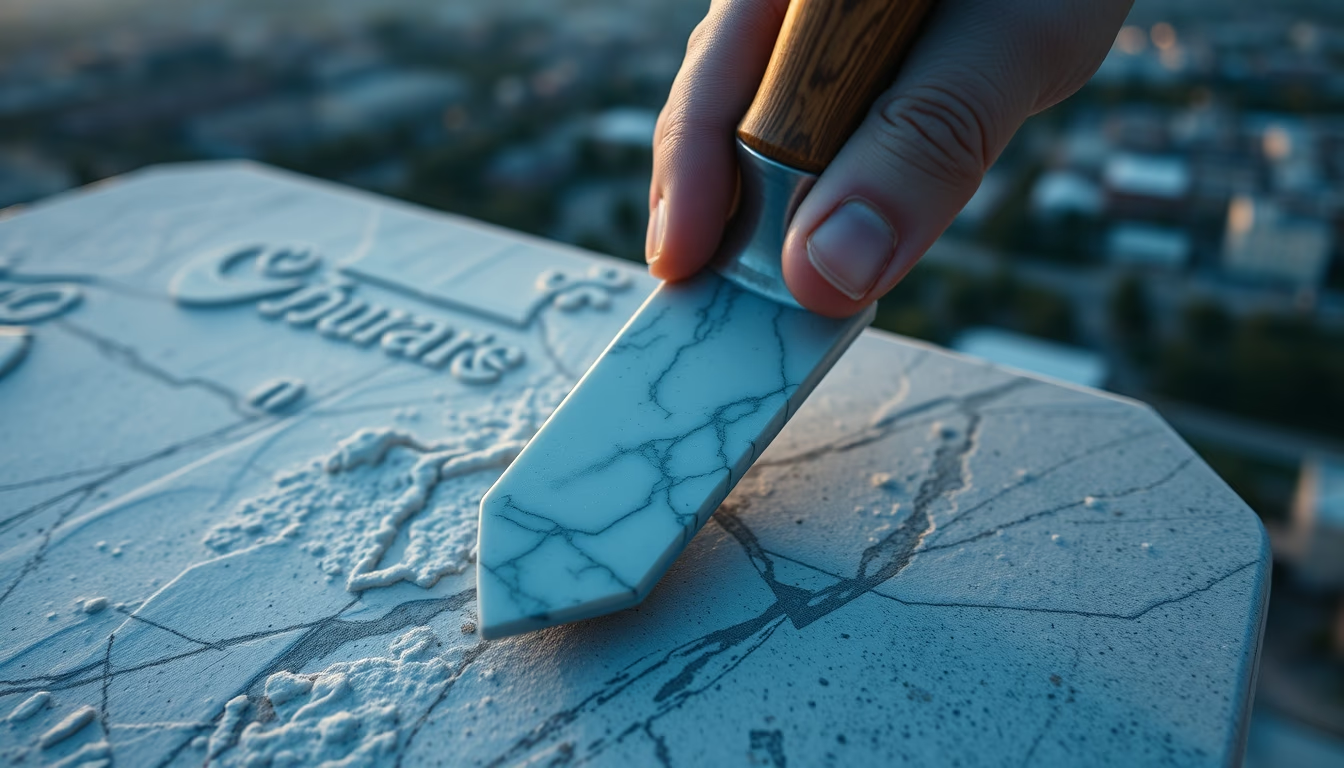
Yes, dry plaster can be carved, but it is more often used for casting due to its hardness, allowing finishing with sandpaper and chisels.
Why do artists still use plaster molds today?
Plaster is affordable, quick, and versatile, ideal for prototyping and teaching. Contemporary artists also explore its aesthetic qualities like porosity and visual weight.
Direct URL
https://pub-c7d6a6ea828543ac903a74a341ccb2e1.r2.dev/imagens/plaster-mold-sculpture-lo-fi-disposable-camera-fresh4.avifHow to credit
Include a visible link back to UtilizAí. Copy one of the snippets below:
<a href="https://xn--utiliza-eza.com/en/midia/imagens/plaster-mold-sculpture-lo-fi-disposable-camera-fresh4">Plaster mold sculpture</a> by <a href="https://xn--utiliza-eza.com">UtilizAí</a>, licensed under <a href="https://creativecommons.org/licenses/by/4.0/">CC BY 4.0</a>.
[Plaster mold sculpture](https://xn--utiliza-eza.com/en/midia/imagens/plaster-mold-sculpture-lo-fi-disposable-camera-fresh4) by [UtilizAí](https://xn--utiliza-eza.com), CC BY 4.0
License: CC-BY-4.0