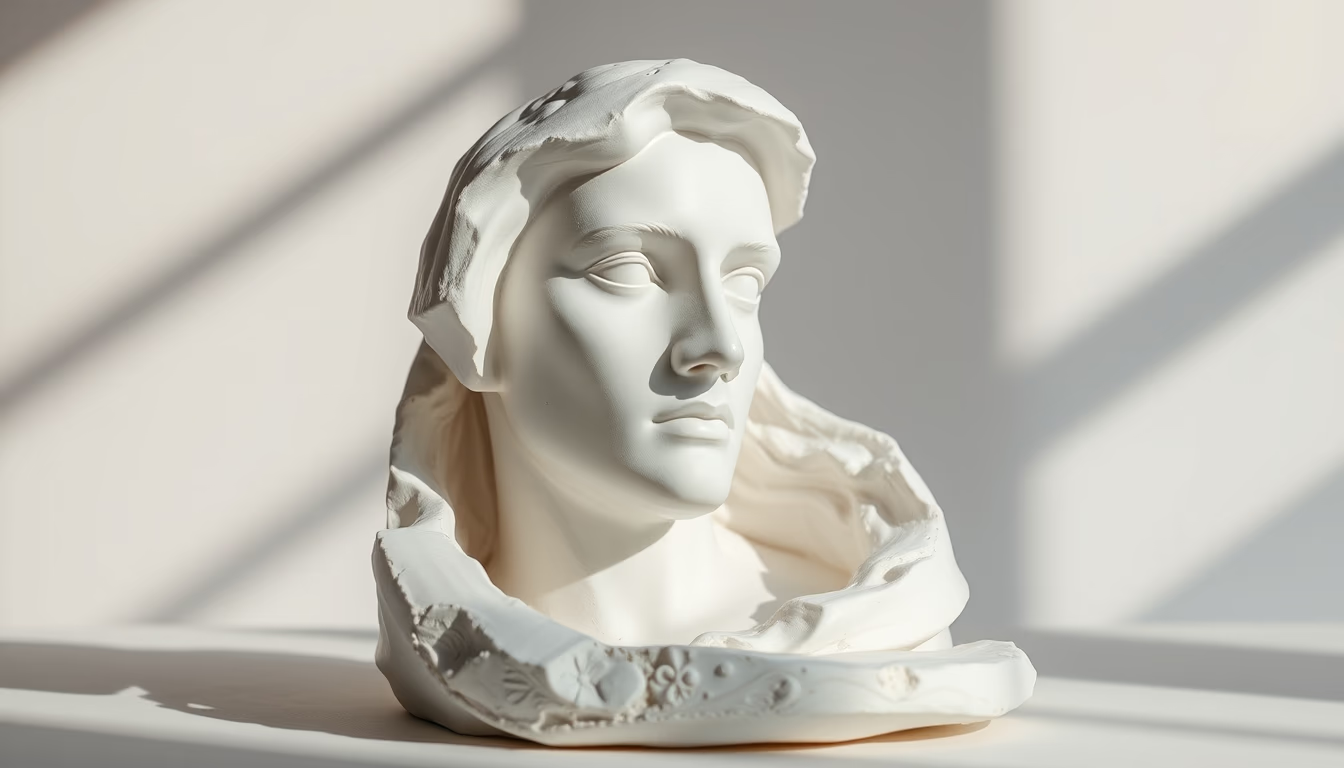
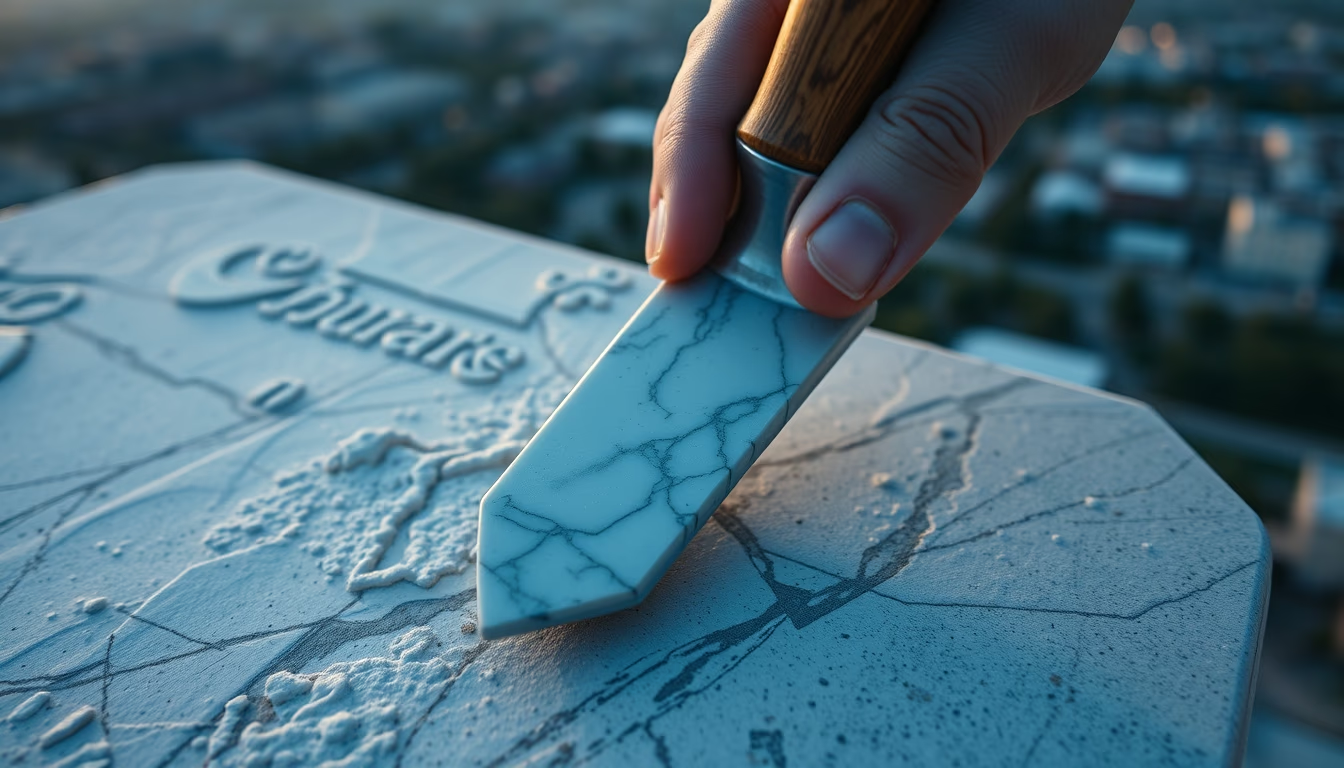
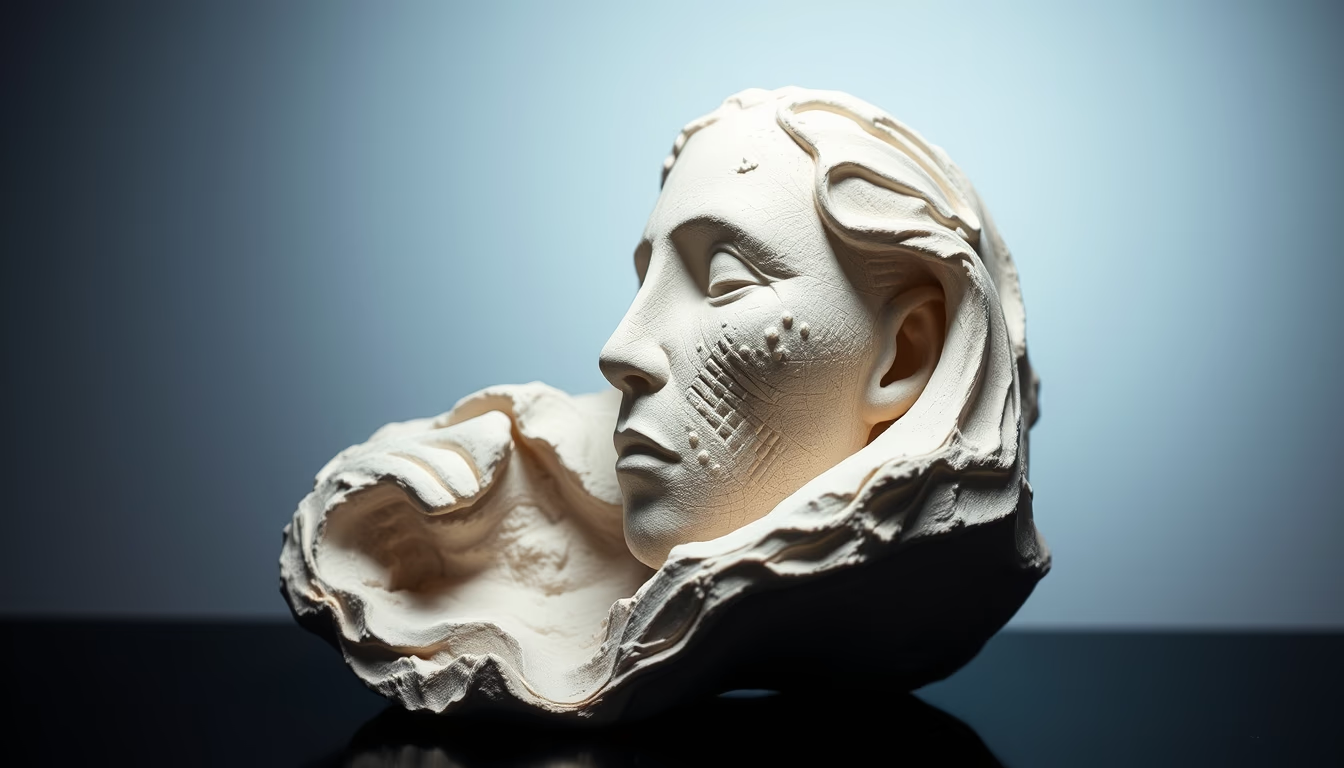
Plaster mold sculpture
1344×768 · AVIF · CC BY 4.0
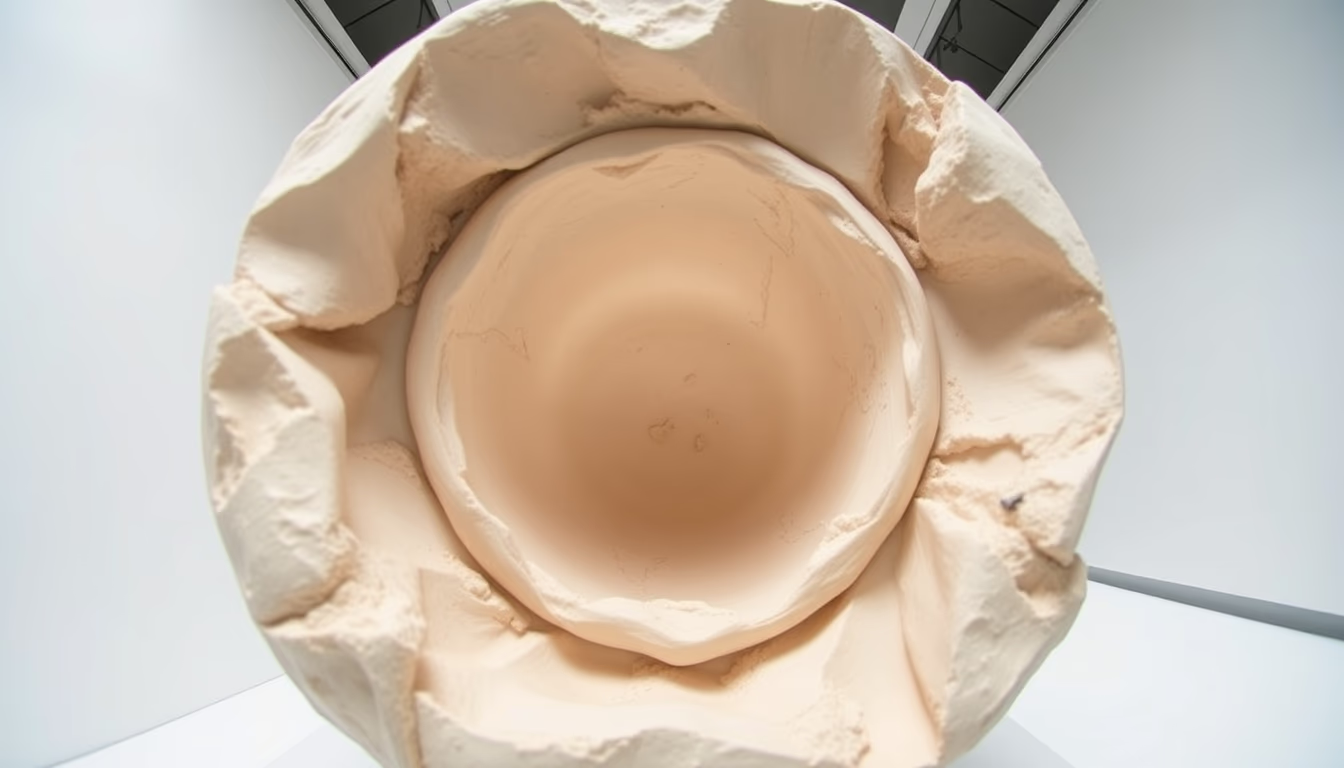
Plaster molds are essential in sculpture for reproducing forms, used since antiquity.
About this subject
Plaster mold is an ancient technique that allows faithful reproduction of sculptures and reliefs. Made from gypsum (calcium sulfate hemihydrate) mixed with water, the material hardens quickly, capturing minute details. Egyptians already used plaster molds for statues and amulets, and the Greeks perfected the method for copying bronzes. In classical sculpture, plaster molds served as an intermediate stage between the original clay model and metal casting, such as in the lost wax process. Even today, artists and restorers rely on plaster for its precision and low cost.
The process begins with applying a thin layer of liquid plaster over the original model, protected by a release agent. After drying, the mold is removed and can be used to cast other materials like cement, resin, or wax. There are one piece molds for simple forms and multi piece molds that allow reproducing complex sculptures without damaging the mold. A common variation is the lost plaster mold, where the mold is broken to free the copy, discarding the original mold.
Plaster mold importance extends beyond art. In industry, it is used for rapid prototyping in design and architecture, as well as in manufacturing ceramic pieces (slip casting) and dental products. In museums, plaster replicas replace fragile originals for research and exhibitions. In Brazil, gypsum is abundant in states like Pernambuco and Piauí, and folk artisans use plaster molds to create decorative figures and nativity scenes, keeping the tradition alive. Although brittle, plaster offers reproduction quality unmatched for its cost, being preferred by many contemporary sculptors for studies and limited editions.
Frequently Asked Questions
How does the plaster mold technique work?
First, a layer of liquid plaster is applied over the original model, which has been coated with a release agent. After hardening, the mold is removed and can be filled with casting material like resin or cement. Plaster captures fine details and is relatively inexpensive.
What is the difference between plaster mold and silicone mold?
Plaster molds are rigid and brittle, ideal for simple shapes or single reproductions. Silicone molds are flexible and allow extracting copies of complex pieces with undercuts, but are more expensive. Plaster is still widely used for its low cost and speed.
Is plaster durable enough for final sculptures?
No, plaster is not very mechanically strong and can chip or wear over time. Therefore, it is mainly used for molds, study models, or exhibition replicas. Final sculptures are usually cast in bronze, resin, or other durable materials.
Direct URL
https://pub-c7d6a6ea828543ac903a74a341ccb2e1.r2.dev/imagens/plaster-mold-sculpture-fish-eye-wide-angle-fresh8.avifHow to credit
Include a visible link back to UtilizAí. Copy one of the snippets below:
<a href="https://xn--utiliza-eza.com/en/midia/imagens/plaster-mold-sculpture-fish-eye-wide-angle-fresh8">Plaster mold sculpture</a> by <a href="https://xn--utiliza-eza.com">UtilizAí</a>, licensed under <a href="https://creativecommons.org/licenses/by/4.0/">CC BY 4.0</a>.
[Plaster mold sculpture](https://xn--utiliza-eza.com/en/midia/imagens/plaster-mold-sculpture-fish-eye-wide-angle-fresh8) by [UtilizAí](https://xn--utiliza-eza.com), CC BY 4.0
License: CC-BY-4.0