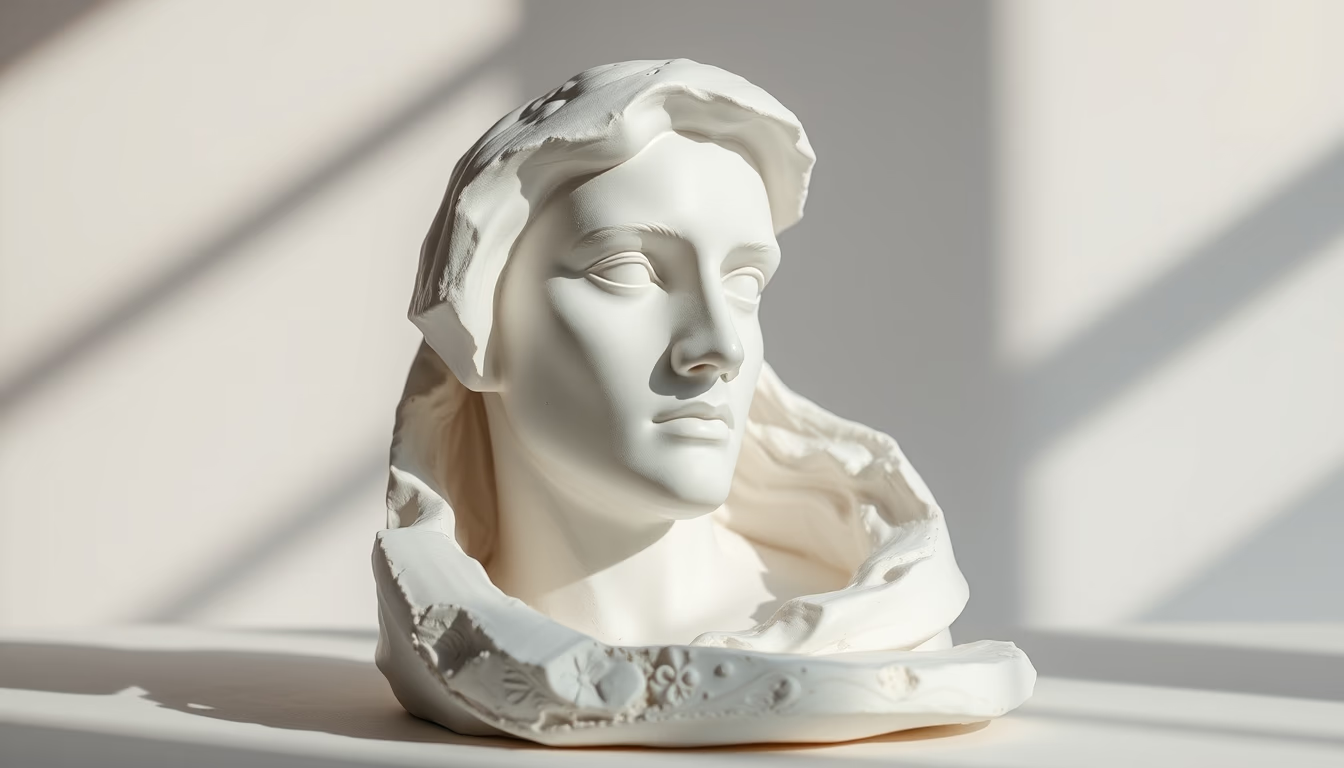
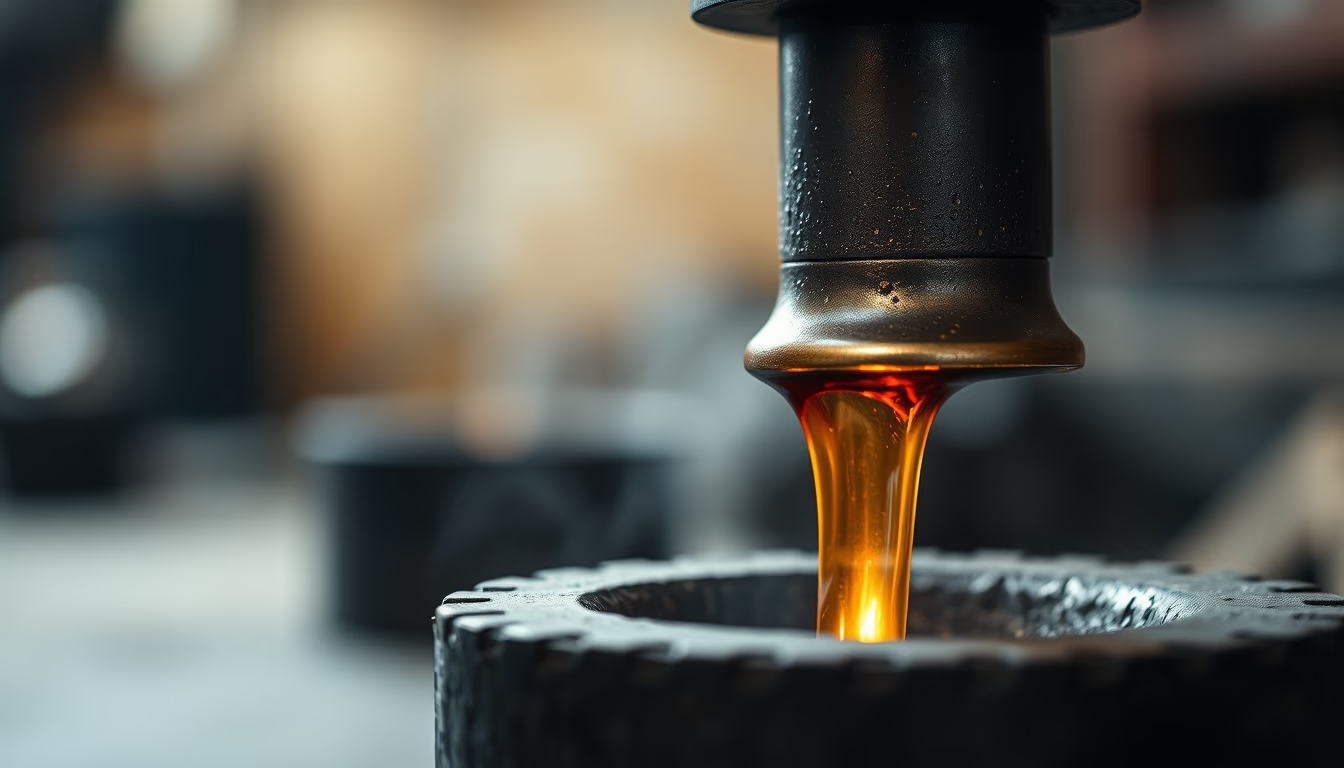
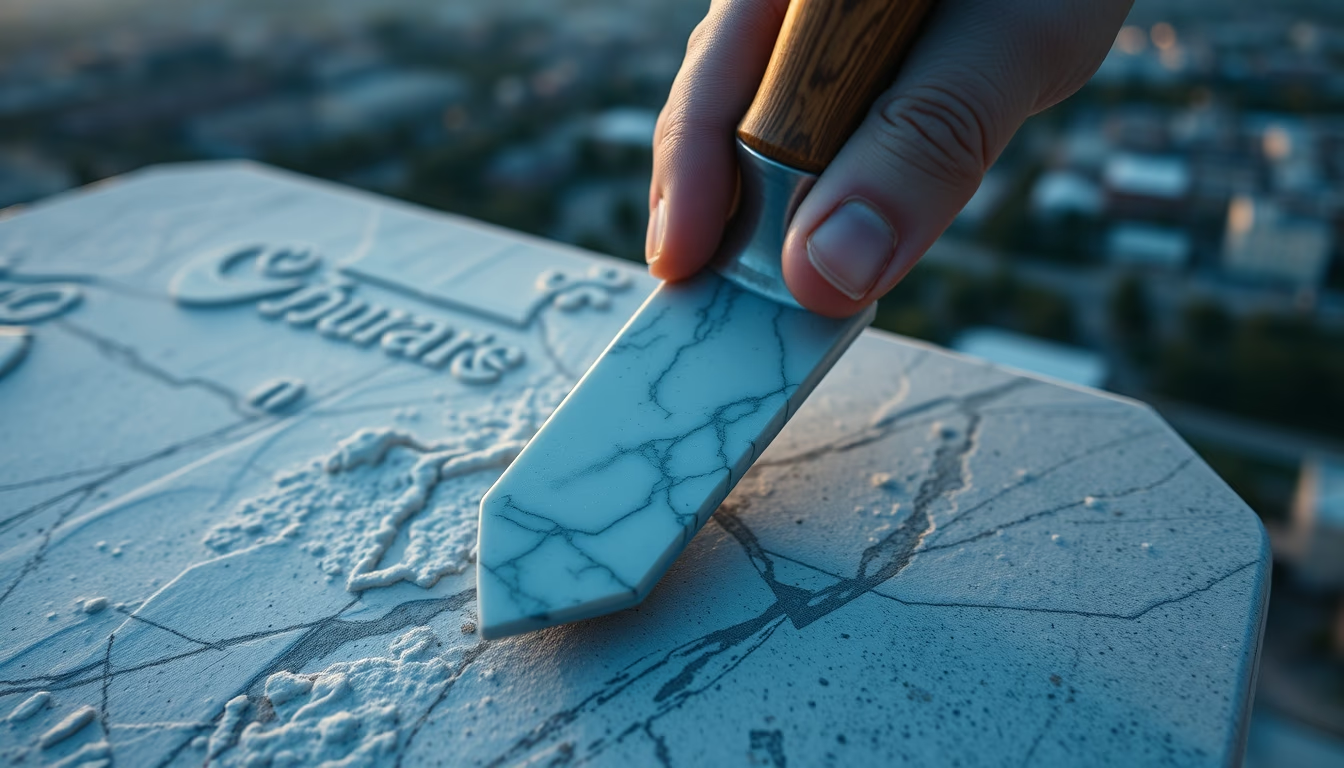
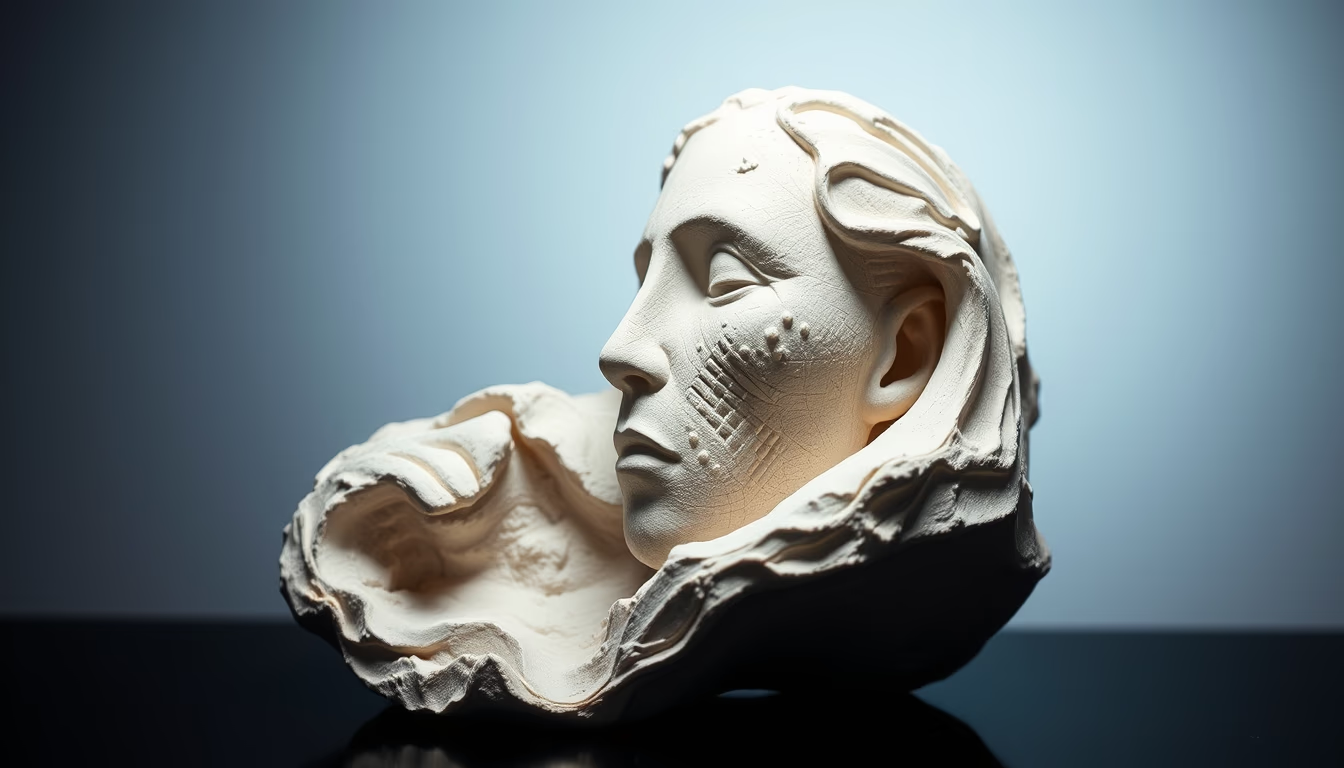
Plaster mold sculpture
1344×768 · AVIF · CC BY 4.0
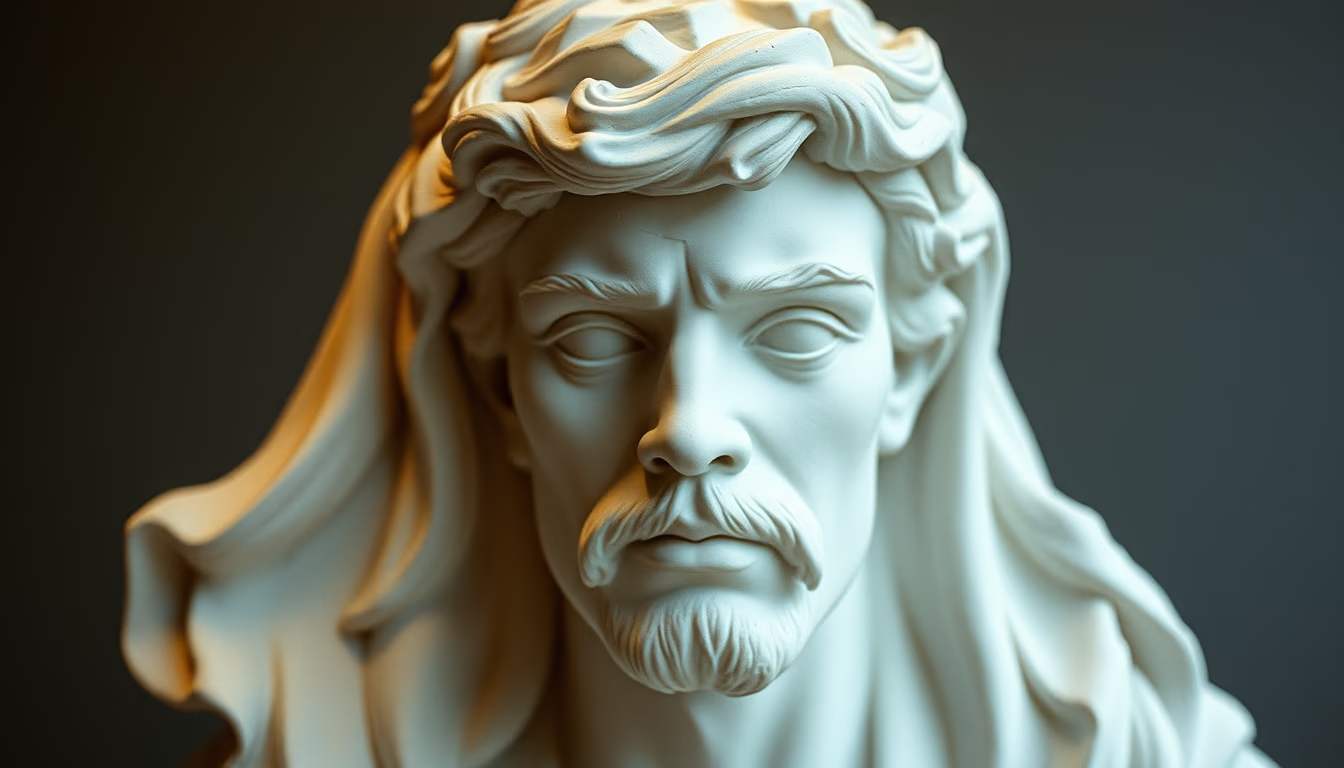
A técnica de molde de gesso é fundamental para a reprodução de esculturas, permitindo cópias fiéis de obras originais desde a Antiguidade.
Sobre o tema
A moldagem em gesso é uma técnica centenária que consiste em criar um molde a partir de um modelo original, geralmente em argila ou cera, para então verter gesso líquido e obter uma cópia exata. Esse processo foi amplamente utilizado por artistas da Grécia e Roma antigas, que produziam réplicas de estátuas de bronze e mármore. Durante o Renascimento, mestres como Michelangelo e Donatello empregaram moldes de gesso para estudar proporções e criar versões de suas obras.
O gesso, ou sulfato de cálcio hemidratado, é um material de baixo custo e fácil manuseio, que permite capturar detalhes minuciosos. Existem dois tipos principais de moldes: o de peça única, usado para formas simples, e o de múltiplas peças, necessário para esculturas complexas com reentrâncias. Após a secagem, o molde pode ser reutilizado para produzir várias cópias, o que tornou a técnica essencial para a disseminação de obras de arte em museus e escolas.
Além do campo artístico, a moldagem em gesso é empregada na odontologia para criar modelos dentários, na medicina para imobilizações ortopédicas e na arquitetura para reproduzir ornamentos. No Brasil, essa técnica foi difundida por artistas como Victor Brecheret e Aleijadinho, que utilizaram o gesso em maquetes e estudos preparatórios. Atualmente, a digitalização 3D vem complementando o método tradicional, mas o molde de gesso ainda é valorizado por sua acessibilidade e precisão tátil.
Perguntas frequentes
Qual a diferença entre molde de gesso e molde de silicone?
O molde de gesso é rígido e barato, ideal para peças simples e poucas cópias. Já o molde de silicone é flexível e permite capturar detalhes mais complexos, além de ser reutilizável para muitas reproduções, mas tem custo mais elevado.
Posso usar qualquer tipo de gesso para fazer moldes?
O mais indicado é o gesso Paris, que tem granulometria fina e secagem rápida. Gessos de construção podem conter impurezas e não proporcionar o mesmo acabamento.
Como evitar bolhas de ar no molde de gesso?
Para evitar bolhas, bata levemente na forma após verter o gesso ou use uma mesa vibratória. Também é eficaz aplicar uma camada fina de gesso com pincel antes de preencher o molde.
URL direta
https://pub-c7d6a6ea828543ac903a74a341ccb2e1.r2.dev/imagens/plaster-mold-sculpture-film-grain-authentic-fresh3.avifComo creditar
Inclua um link visível de volta pro UtilizAí. Copie um dos snippets abaixo:
<a href="https://xn--utiliza-eza.com/midia/imagens/plaster-mold-sculpture-film-grain-authentic-fresh3">Plaster mold sculpture</a> by <a href="https://xn--utiliza-eza.com">UtilizAí</a>, licensed under <a href="https://creativecommons.org/licenses/by/4.0/">CC BY 4.0</a>.
[Plaster mold sculpture](https://xn--utiliza-eza.com/midia/imagens/plaster-mold-sculpture-film-grain-authentic-fresh3) by [UtilizAí](https://xn--utiliza-eza.com), CC BY 4.0
Licença: CC-BY-4.0