Plaster mold sculpture
1344×768 · AVIF · CC BY 4.0
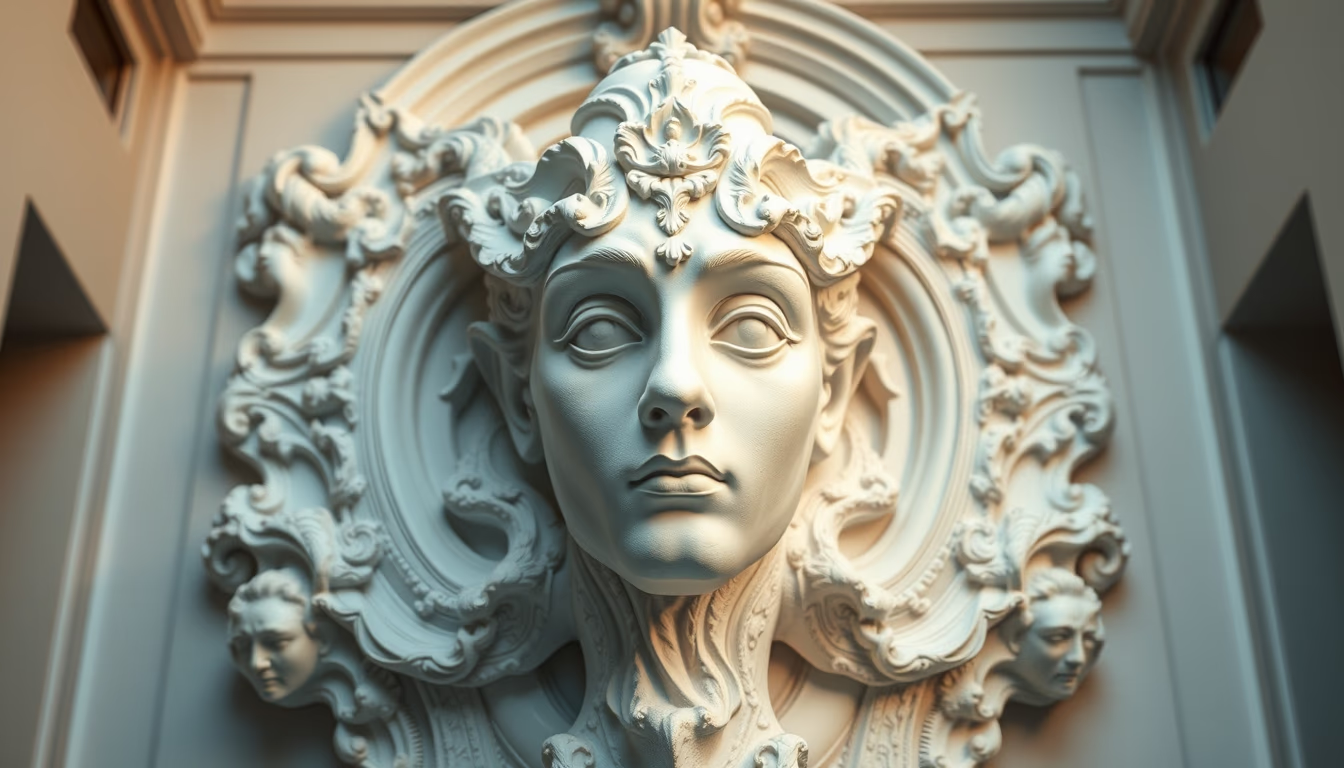
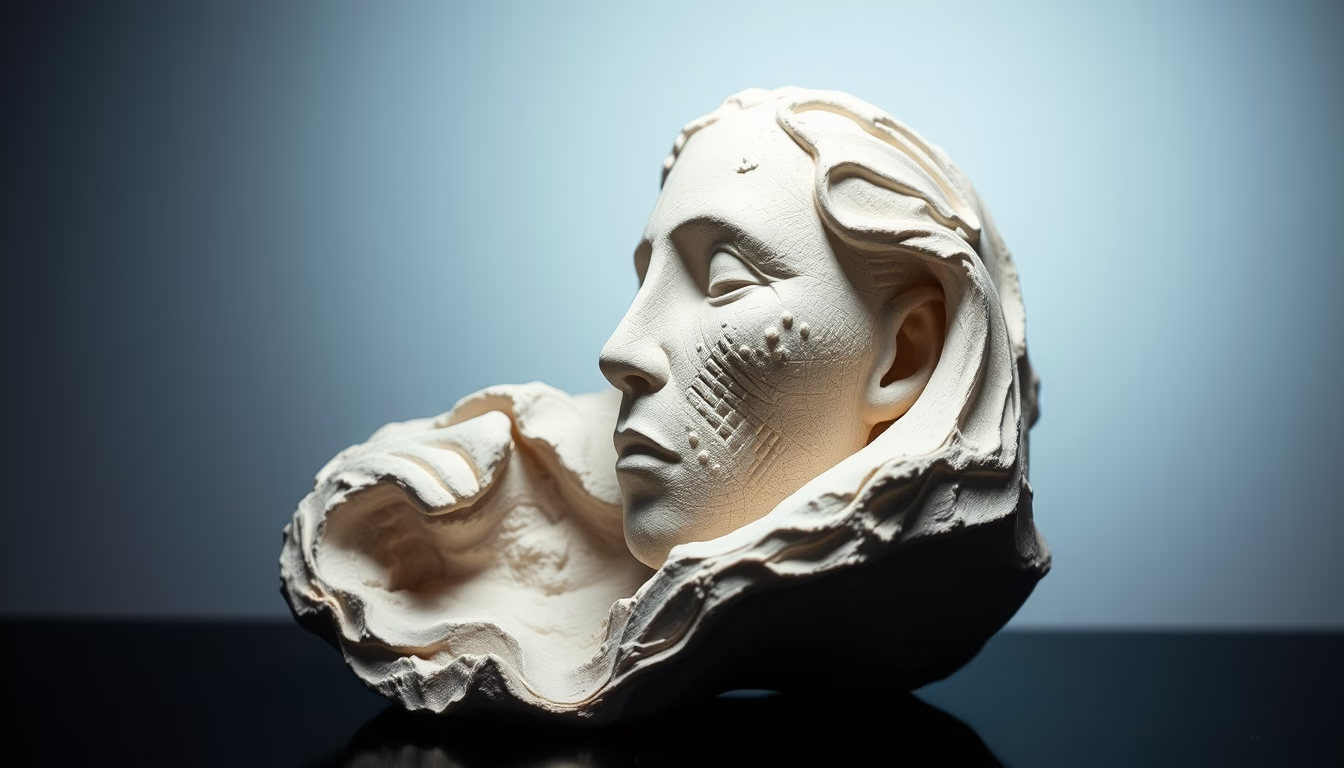
Molde de gesso usado na criação de esculturas arquitetônicas, técnica milenar que combina artesanato e precisão.
Sobre o tema
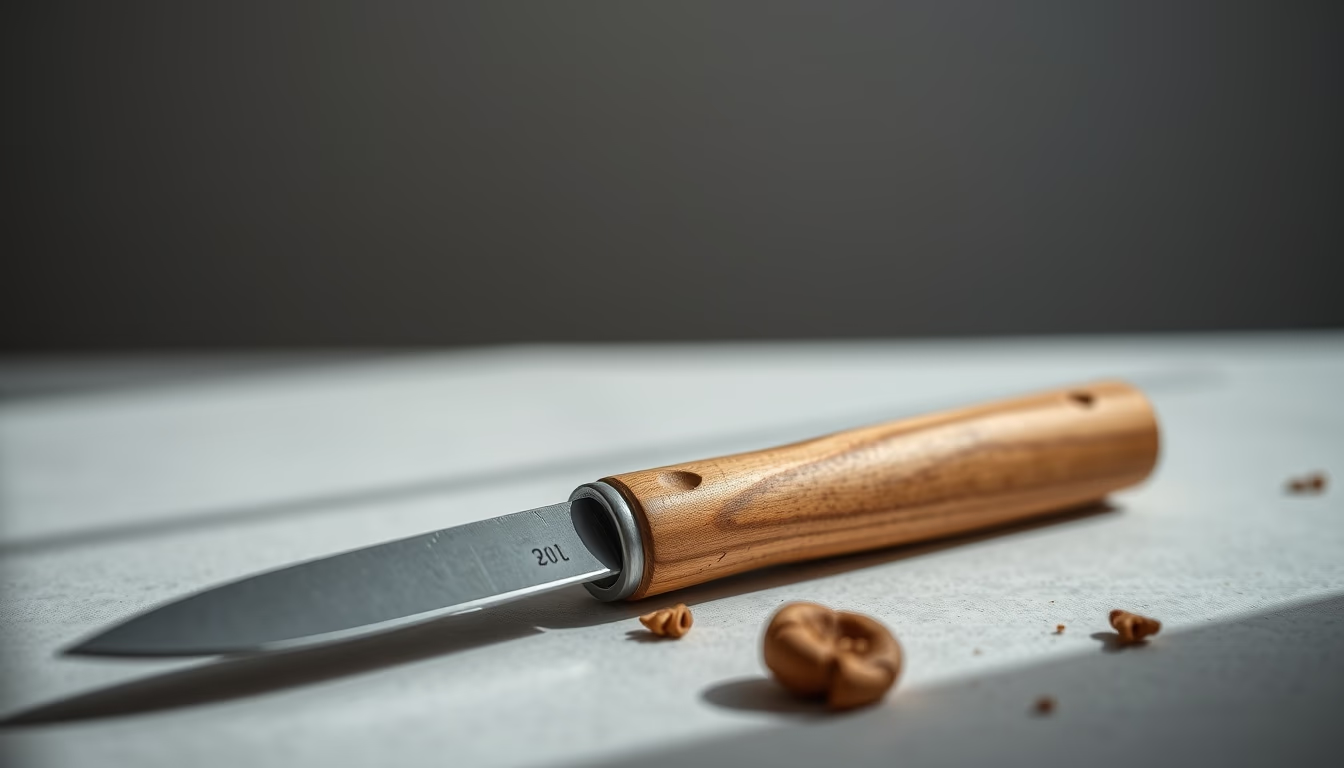
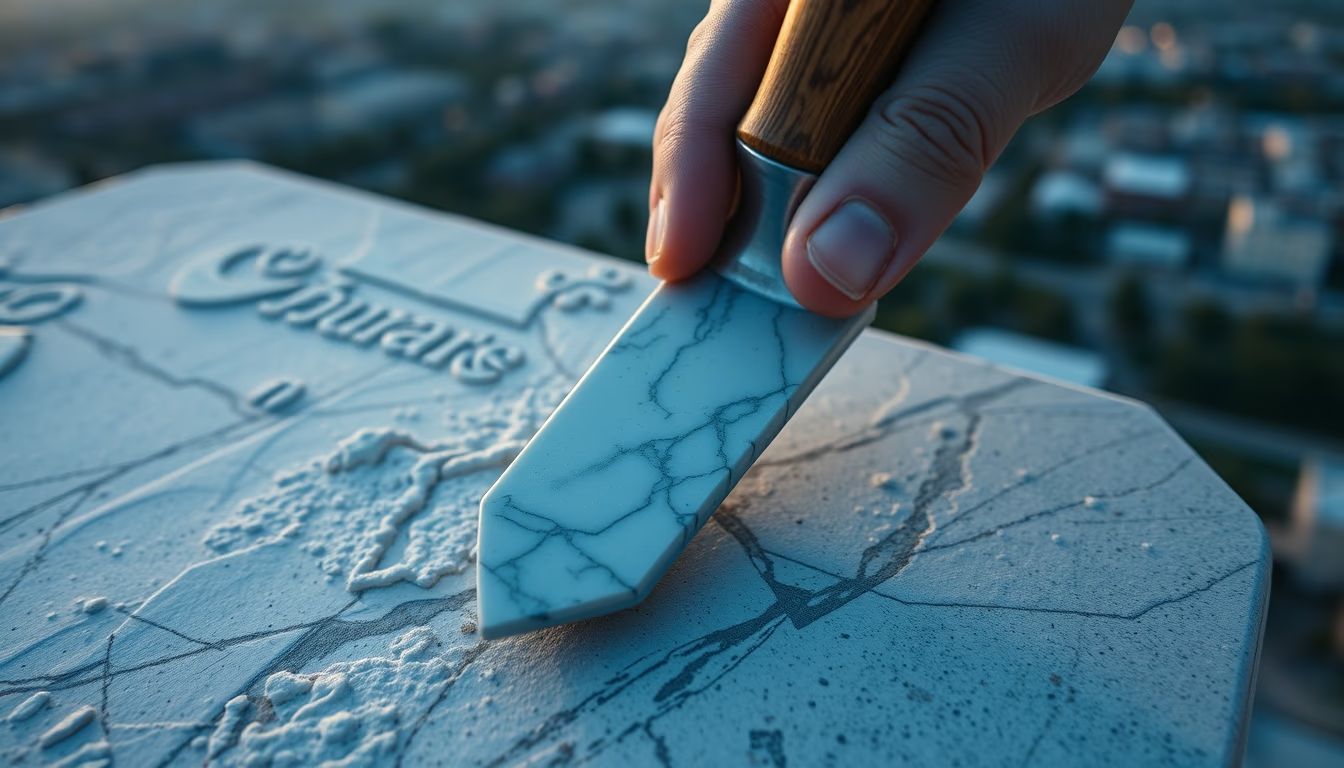
O molde de gesso é uma ferramenta fundamental na escultura e na arquitetura, permitindo a reprodução de formas complexas com fidelidade. Essa técnica remonta a civilizações antigas, como os egípcios e gregos, que utilizavam moldes para produzir estátuas e ornamentos. No contexto arquitetônico, os moldes de gesso são frequentemente empregados para criar elementos decorativos como cornijas, rosetas e capitéis, garantindo uniformidade em projetos de larga escala.
O processo de fabricação envolve a modelagem de um original em argila ou outro material, sobre o qual se vaza o gesso líquido. Após a pega, o molde é aberto e pode ser usado para fundir cópias em gesso, resina ou até metal. A versatilidade do gesso permite capturar detalhes minuciosos, sendo essencial na preservação de patrimônios históricos por meio de réplicas.
Curiosamente, o uso de moldes de gesso não se limita ao campo artístico. Na medicina, moldes são usados para imobilizar fraturas, enquanto na odontologia, servem para criar próteses dentárias. Na arquitetura contemporânea, a técnica é combinada com digitalização 3D para produzir moldes precisos, unindo tradição e tecnologia.
No Brasil, o gesso é largamente utilizado na construção civil, especialmente em forros e sancas, devido ao baixo custo e facilidade de manuseio. Artistas como Aleijadinho empregaram técnicas similares em obras sacras, embora seus moldes fossem feitos de madeira e pedra-sabão. A herança dos moldes de gesso perdura como um elo entre o artesanato histórico e a produção industrial moderna.
Perguntas frequentes
Como é feito um molde de gesso?
Primeiro, modela-se o original em argila. Depois, aplica-se gesso líquido sobre ele. Após endurecer, o molde é aberto e pode ser usado para fundir cópias.
Qual a principal vantagem do molde de gesso na arquitetura?
Permite reproduzir elementos decorativos idênticos em larga escala, garantindo uniformidade e precisão em projetos complexos.
O molde de gesso ainda é usado hoje em dia?
Sim, é amplamente utilizado na construção civil, na conservação de patrimônios e combinado com tecnologias como digitalização 3D.
URL direta
https://pub-c7d6a6ea828543ac903a74a341ccb2e1.r2.dev/imagens/plaster-mold-sculpture-architectural-photography-fresh2.avifComo creditar
Inclua um link visível de volta pro UtilizAí. Copie um dos snippets abaixo:
<a href="https://xn--utiliza-eza.com/midia/imagens/plaster-mold-sculpture-architectural-photography-fresh2">Plaster mold sculpture</a> by <a href="https://xn--utiliza-eza.com">UtilizAí</a>, licensed under <a href="https://creativecommons.org/licenses/by/4.0/">CC BY 4.0</a>.
[Plaster mold sculpture](https://xn--utiliza-eza.com/midia/imagens/plaster-mold-sculpture-architectural-photography-fresh2) by [UtilizAí](https://xn--utiliza-eza.com), CC BY 4.0
Licença: CC-BY-4.0