Plant cell wall closeup
1344×768 · AVIF · CC BY 4.0
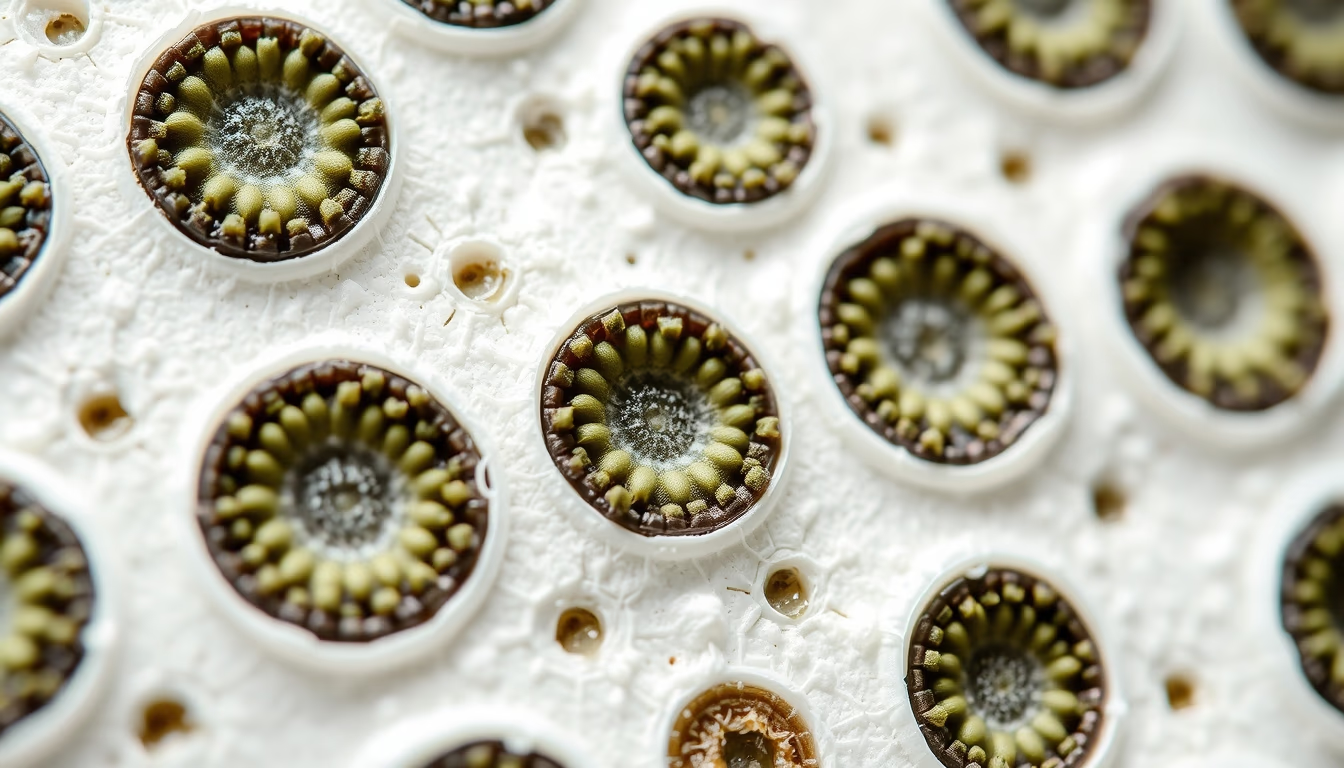
The plant cell wall is a complex structure composed of cellulose, hemicellulose, and pectin that provides rigidity and protection to plant cells.
About this subject
The plant cell wall is an extracellular structure that surrounds the plasma membrane of plant cells, algae, and some fungi. It is mainly composed of cellulose, hemicellulose, and pectin, along with structural proteins and enzymes. This composition provides mechanical strength, protection against pathogens, and regulation of cell growth.
There are two main types of cell walls: primary and secondary. The primary wall is thinner and flexible, allowing cell elongation during growth. The secondary wall is deposited inside the primary after growth ceases, becoming thicker and more rigid due to higher cellulose content and the presence of lignin, which confers impermeability and extra strength.
The cell wall performs essential functions: it maintains cell shape, supports the plant against gravity, acts as a barrier against microorganisms, and regulates water and ion entry. Additionally, cell walls are responsible for the texture of plant foods, such as the crunchiness of fruits and the firmness of vegetables.
In biotechnology, knowledge of the cell wall is crucial for producing biofuels from biomass, such as cellulosic ethanol, and for genetic improvement aiming at plants more resistant to abiotic stresses and pathogens. Studies on its composition also inspire the development of new sustainable materials.
Frequently Asked Questions
What distinguishes primary from secondary cell wall?
The primary wall is thinner and flexible, deposited during cell growth, while the secondary wall is thicker and more rigid, deposited after growth, containing more cellulose and lignin.
What is the role of pectin in the cell wall?
Pectin acts as a hydrated gel filling spaces between cellulose fibers, providing porosity and flexibility, and also helping in adhesion between adjacent plant cells.
How does the cell wall contribute to sustainability?
The cell wall is a source of renewable biomass for biofuel production and biodegradable materials, and it plays a role in carbon sequestration throughout the plant's life.
Direct URL
https://pub-c7d6a6ea828543ac903a74a341ccb2e1.r2.dev/imagens/plant-cell-wall-closeup-commercial-product-photography-p2.avifHow to credit
Include a visible link back to UtilizAí. Copy one of the snippets below:
<a href="https://xn--utiliza-eza.com/en/midia/imagens/plant-cell-wall-closeup-commercial-product-photography-p2">Plant cell wall closeup</a> by <a href="https://xn--utiliza-eza.com">UtilizAí</a>, licensed under <a href="https://creativecommons.org/licenses/by/4.0/">CC BY 4.0</a>.
[Plant cell wall closeup](https://xn--utiliza-eza.com/en/midia/imagens/plant-cell-wall-closeup-commercial-product-photography-p2) by [UtilizAí](https://xn--utiliza-eza.com), CC BY 4.0
License: CC-BY-4.0