Persian rug weaving
1344×768 · AVIF · CC BY 4.0
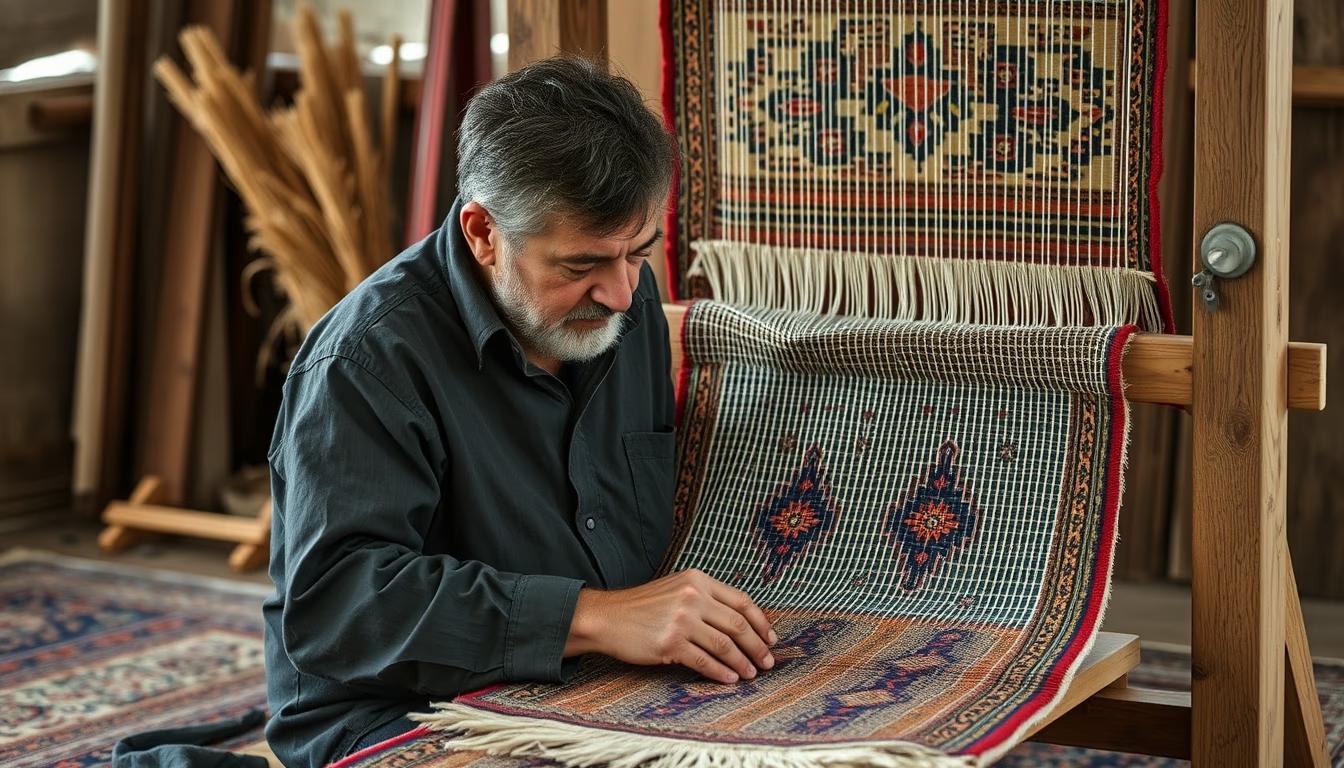
O intricado processo de tecelagem de tapetes persas combina nós à mão, corantes naturais e séculos de tradição cultural, formando verdadeiras obras de arte têxteis.
Sobre o tema
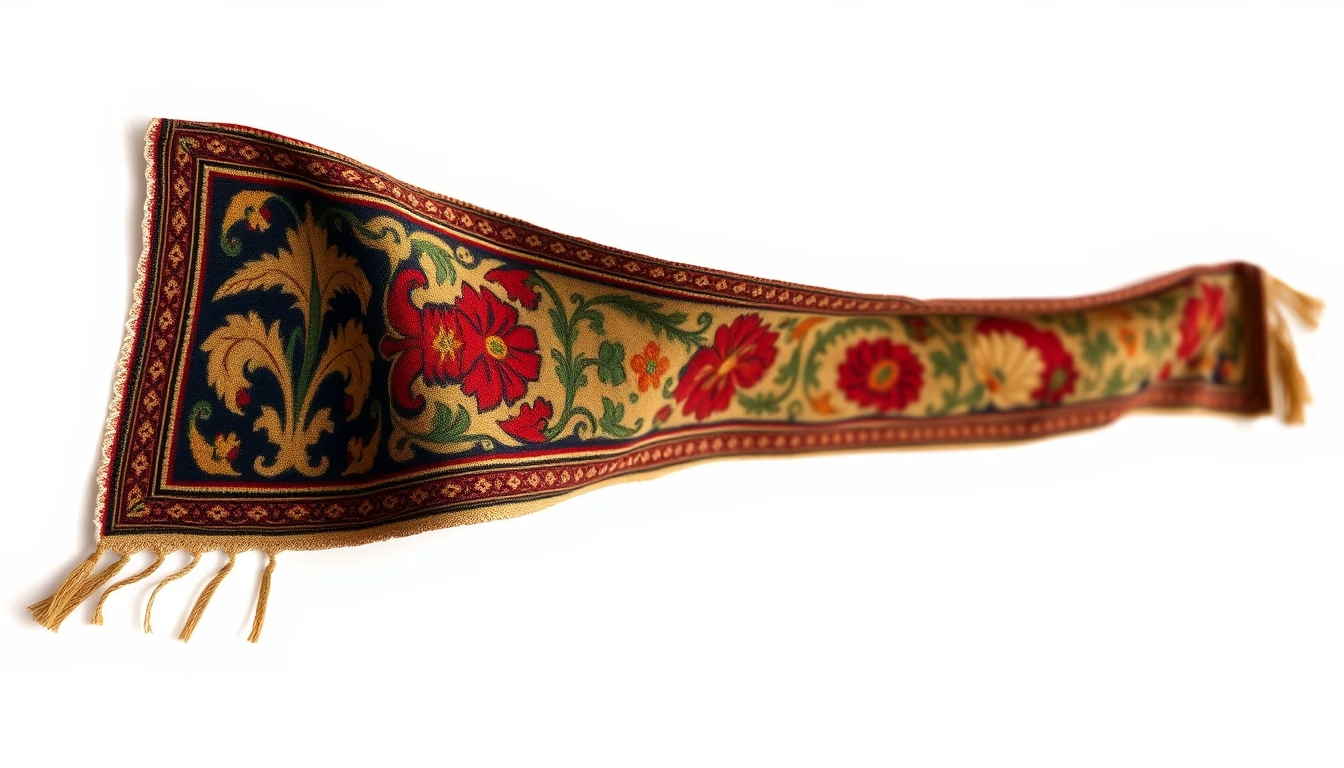
Os tapetes persas são um dos mais antigos e refinados exemplos de arte têxtil do mundo, com origens que remontam a mais de 2.500 anos. A tecelagem é feita manualmente em tear, utilizando lã de cordeiro, seda ou algodão como base e pelos tingidos com corantes naturais extraídos de plantas, insetos e minerais. Cada tapete é uma narrativa visual: os padrões geométricos, florais e de medalhões carregam simbolismos ligados à natureza, à espiritualidade e à história da Pérsia (atual Irã).
A técnica de nós é o coração da arte. Existem dois tipos principais: o nó turco (ou Ghiordes) e o nó persa (ou Senneh). O nó persa é mais assimétrico e permite curvas mais fluidas, sendo característico de regiões como Isfahan e Qom. Já o nó turco, simétrico, é típico de Tabriz e Hamadan. A densidade de nós, medida em nós por polegada quadrada (KPSI), define o nível de detalhamento e o valor do tapete. Tapetes finos podem ter mais de 800 nós, enquanto peças nômades têm nós mais grossos.
Em 2010, a UNESCO inscreveu a tecelagem de tapetes persas na Lista Representativa do Patrimônio Cultural Imaterial da Humanidade. As técnicas são transmitidas oralmente de geração em geração, muitas vezes dentro de famílias. As cidades de Kashan, Isfahan, Tabriz, Shiraz e Qom são reconhecidas por seus estilos distintos. Elaborar um tapete de 2x3 metros pode levar de seis meses a dois anos, dependendo da complexidade. Os tapetes persas não são meros objetos de decoração; são arte, história e identidade de um povo.
Perguntas frequentes
O que torna os tapetes persas tão valiosos?
A valorização se deve ao uso de materiais nobres, corantes naturais, alta densidade de nós e ao trabalho artesanal que pode levar anos. Cada peça é única e carrega séculos de tradição cultural.
Quanto tempo leva para tecer um tapete persa?
Depende do tamanho e da complexidade. Um tapete de 2x3 metros pode levar de seis meses a dois anos, com tecelões trabalhando várias horas por dia.
Quais são os padrões mais famosos nos tapetes persas?
Os padrões incluem medalhões centrais, caça, jardim, floral, geométrico e os tradicionais desenhos de árvore da vida. Cada região tem seu estilo característico, como os florais de Isfahan ou os geométricos de Shiraz.
URL direta
https://pub-c7d6a6ea828543ac903a74a341ccb2e1.r2.dev/imagens/persian-rug-weaving-documentary-nature-style-fresh18.avifComo creditar
Inclua um link visível de volta pro UtilizAí. Copie um dos snippets abaixo:
<a href="https://xn--utiliza-eza.com/midia/imagens/persian-rug-weaving-documentary-nature-style-fresh18">Persian rug weaving</a> by <a href="https://xn--utiliza-eza.com">UtilizAí</a>, licensed under <a href="https://creativecommons.org/licenses/by/4.0/">CC BY 4.0</a>.
[Persian rug weaving](https://xn--utiliza-eza.com/midia/imagens/persian-rug-weaving-documentary-nature-style-fresh18) by [UtilizAí](https://xn--utiliza-eza.com), CC BY 4.0
Licença: CC-BY-4.0