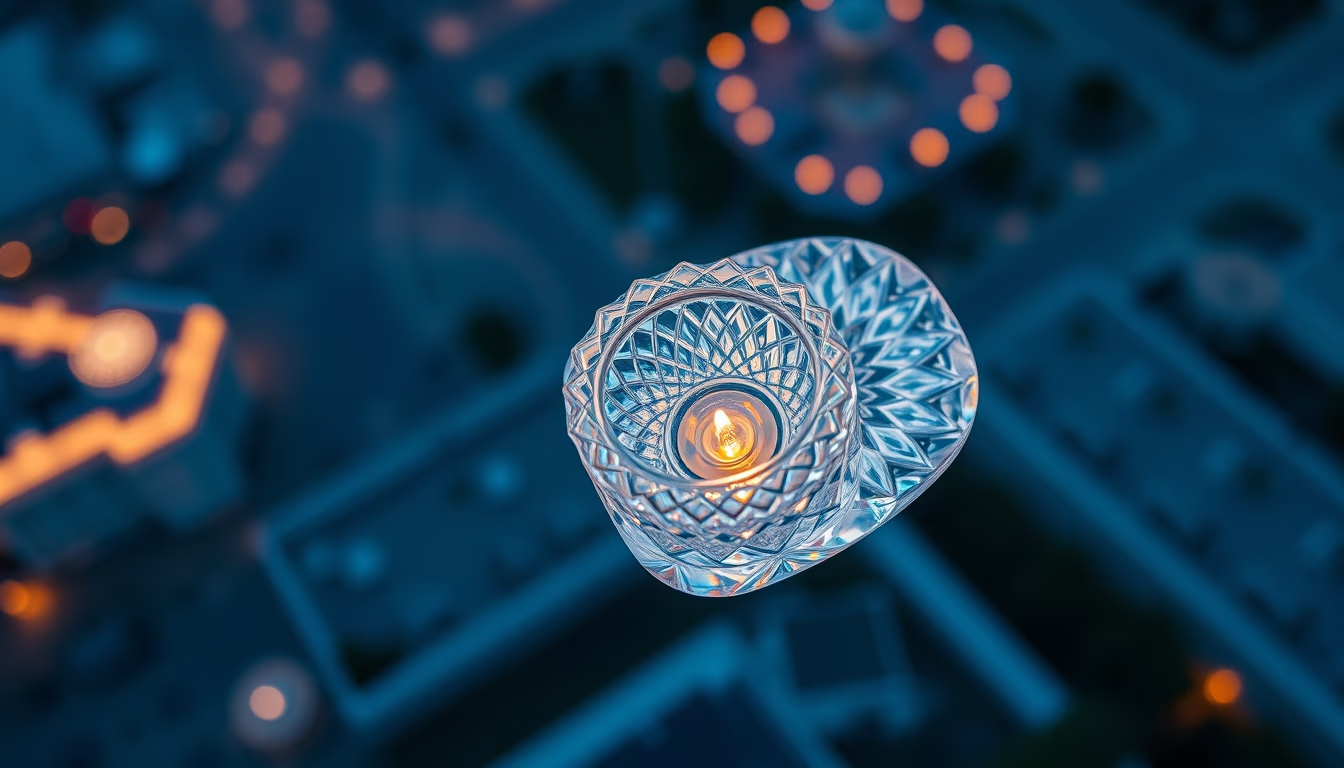
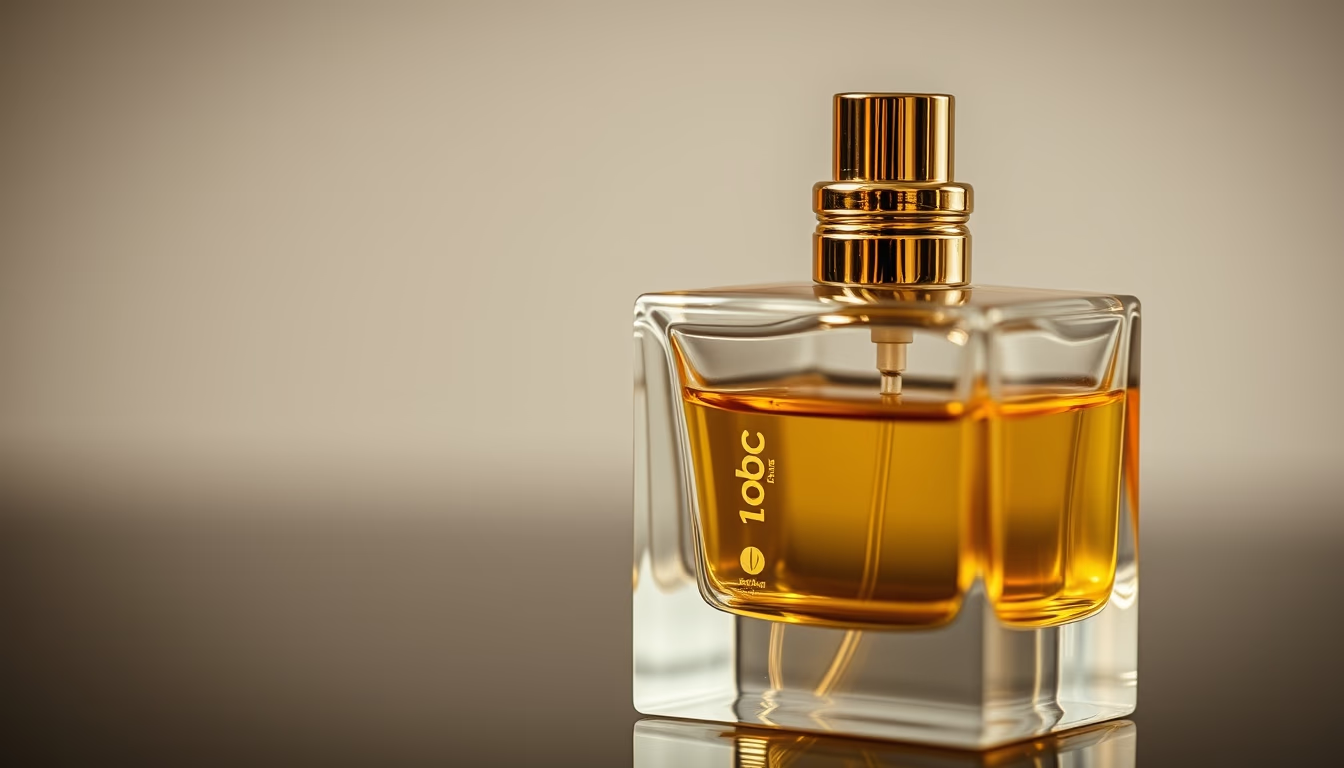
Persian perfume vial
1344×768 · AVIF · CC BY 4.0
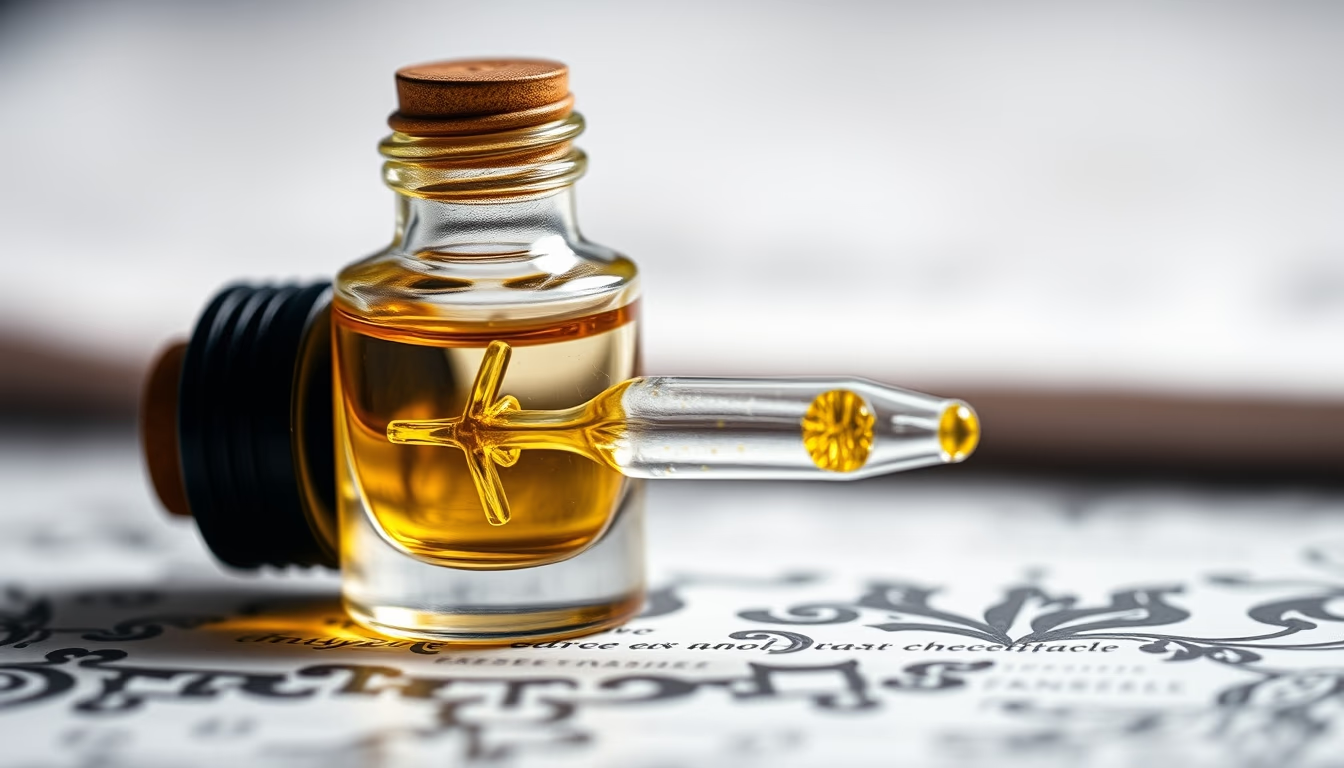
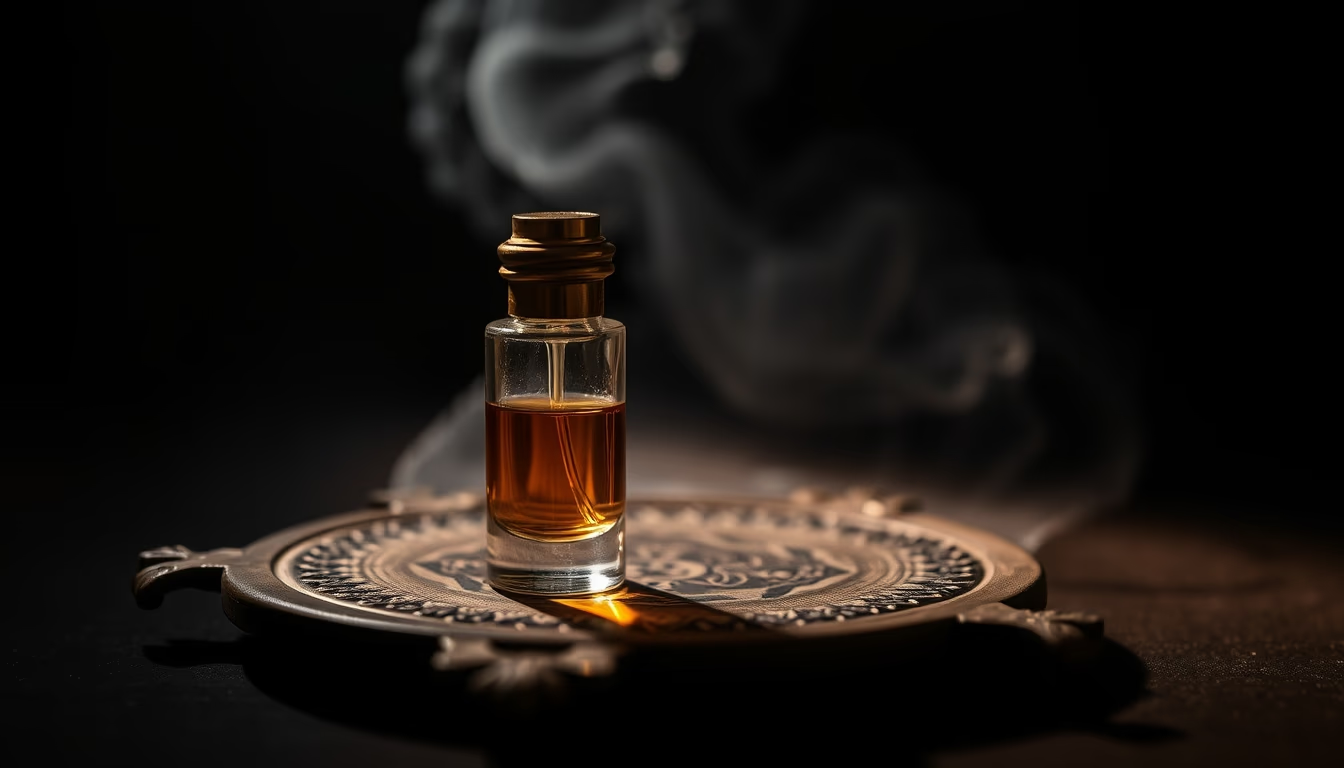
The Persian perfume vial is a handcrafted work of art that reflects centuries of glassmaking and design tradition in Iran.
About this subject
Persian perfume vials have a history dating back to the Achaemenid Empire (550, 330 BC), when glass was shaped to hold aromatic oils and ointments. The technique of glassblowing, developed around the 1st century BC, was quickly adopted in Persia and refined with influences from the Silk Road. These vials were not mere containers: they symbolized status, wealth, and divine connection, as perfume was used in religious rituals and courts.
The craftsmanship of Persian vials combines glass, metal, and carving. Artisans use molds and hand tools to create shapes like amphorae, drops, and faceted bodies. Details in silver, gold, and precious stones were inlaid, while glass was colored with metallic oxides (cobalt, copper) for shades of blue, green, and amber. Each piece required hours of work, with techniques passed from father to son, especially in cities like Isfahan and Shiraz.
In Persian culture, perfume is linked to poetry, hospitality, and paradisiacal gardens. The poem "The Rose Garden" by Saadi and descriptions by Omar Khayyam evoke scents of roses, jasmine, and musk. The vial thus becomes a microcosm of Iranian art and spirituality. Today, collectors and museums treasure these objects, which continue to be produced in contemporary versions, keeping the tradition alive.
Regional diversity is also notable: vials from northern Iran tend to be more slender, while those from the south feature vibrant colors. International recognition came through exhibitions and Iranian craftsmanship, classified by UNESCO as intangible heritage in some categories.
Frequently Asked Questions
What materials are used in making Persian perfume vials?
Hand-blown glass, often combined with inlays of silver, gold, copper, and precious stones. The glass is colored with metallic oxides such as cobalt (blue) and copper (green).
How are Persian vials produced by hand?
Glass is heated to high temperatures, blown into molds, and shaped manually. After cooling, metal details and engravings are applied using traditional tools.
What is the cultural importance of perfume in ancient Iran?
Perfumes were used in Zoroastrian religious rituals, at royal courts, and in celebrations. Classical Persian poetry often associates scents with gardens and paradise, reinforcing the spiritual value of perfume.
Direct URL
https://pub-c7d6a6ea828543ac903a74a341ccb2e1.r2.dev/imagens/persian-perfume-vial-macro-closeup-fresh16.avifHow to credit
Include a visible link back to UtilizAí. Copy one of the snippets below:
<a href="https://xn--utiliza-eza.com/en/midia/imagens/persian-perfume-vial-macro-closeup-fresh16">Persian perfume vial</a> by <a href="https://xn--utiliza-eza.com">UtilizAí</a>, licensed under <a href="https://creativecommons.org/licenses/by/4.0/">CC BY 4.0</a>.
[Persian perfume vial](https://xn--utiliza-eza.com/en/midia/imagens/persian-perfume-vial-macro-closeup-fresh16) by [UtilizAí](https://xn--utiliza-eza.com), CC BY 4.0
License: CC-BY-4.0