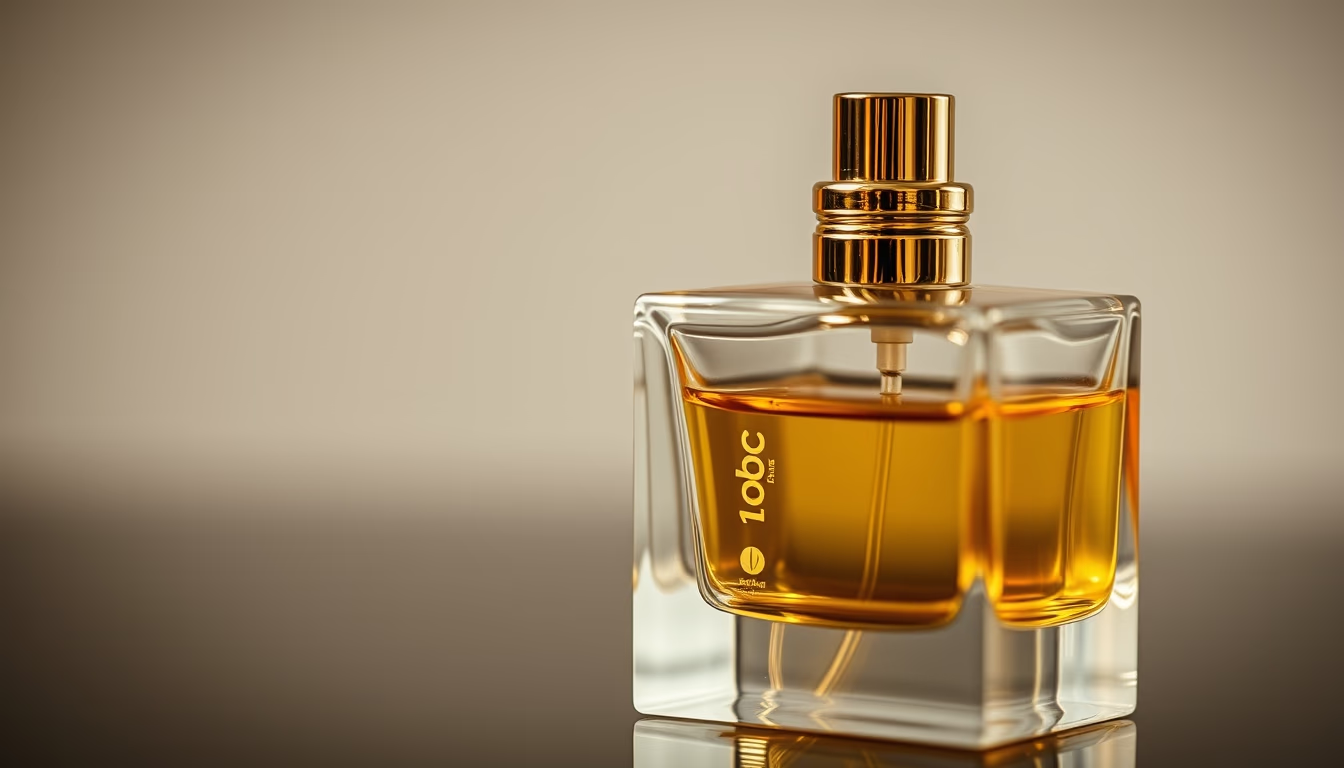
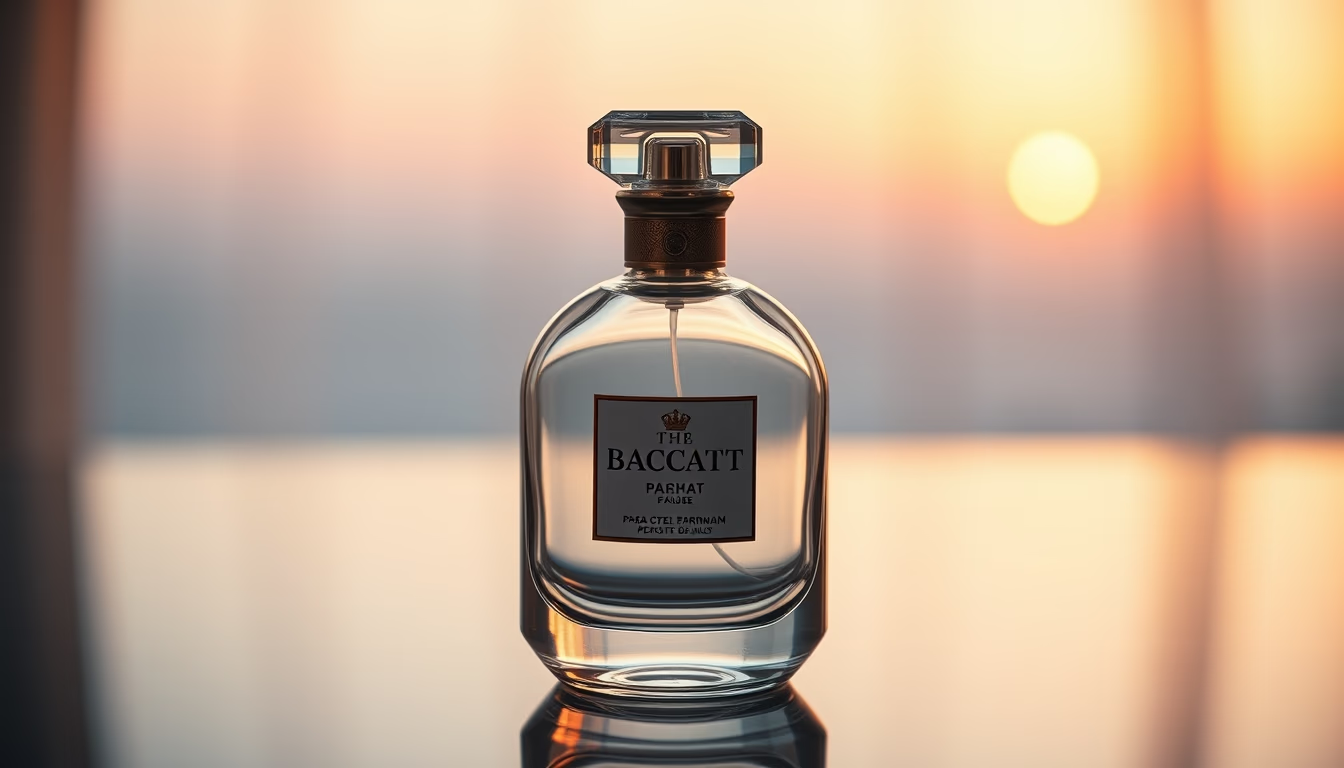
Persian perfume vial
1344×768 · AVIF · CC BY 4.0
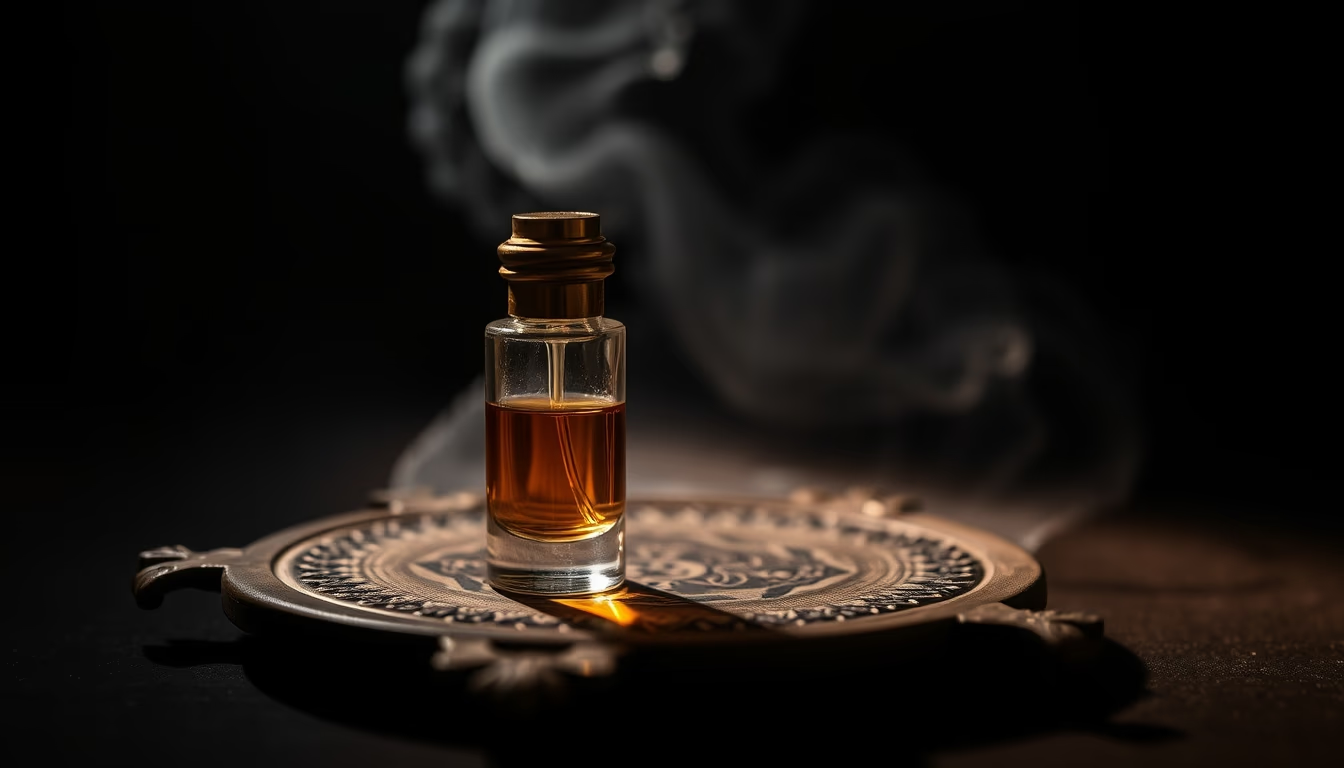
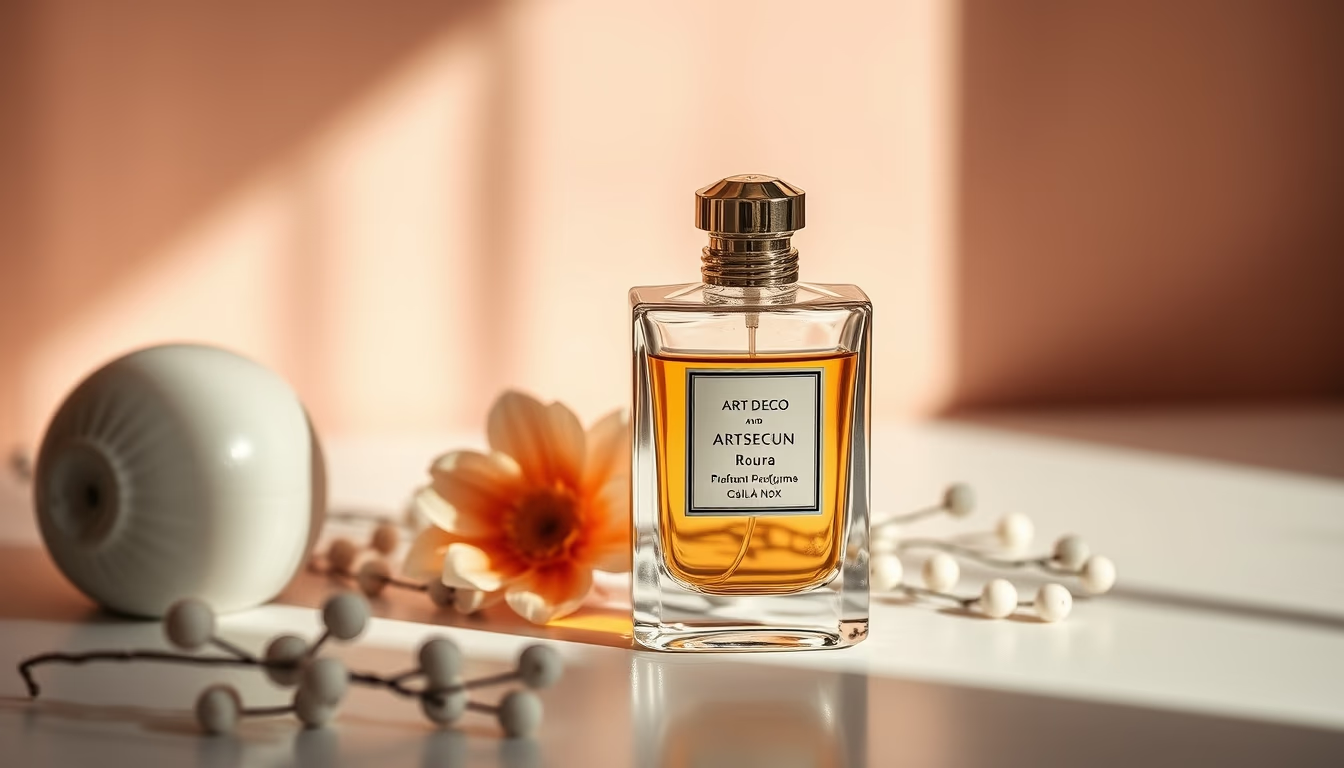
A Persian perfume vial exemplifies the rich tradition of handcrafted glass and perfumery in Iran, blending Islamic aesthetics and ancient techniques.
About this subject
Persian perfumery dates back to antiquity, with records of fragrance use in Zoroastrian rituals and daily life. The vials, often made of blown glass, were decorated with intricate geometric and floral patterns, reflecting the sophistication of Islamic art. Persian glass reached its peak during the Safavid and Qajar periods, when techniques such as blown, enameled, and gilded glass were perfected. Artisans from cities like Isfahan and Shiraz produced pieces that combined functionality and beauty, often featuring bulbous shapes, long necks, and relief decoration.
The Persian tradition of perfumery is deeply tied to Islamic culture, which values hygiene and hospitality. Essential oils extracted from roses, jasmine, saffron, and musk were used in religious ceremonies and courtly life. The vials not only stored these precious essences but also served as status symbols and refined art. Many ancient examples display calligraphic inscriptions or nature-inspired motifs, showcasing the skill of master glassmakers.
Interestingly, Persian Islamic glass influenced European production, especially during the Middle Ages, when trade routes like the Silk Road brought these pieces to the West. Today, historical examples can be seen in museums such as the National Museum of Iran and the Victoria and Albert Museum in London. Contemporary production keeps traditional techniques alive, adapting them to modern designs while preserving the essence of Persian art.
Frequently Asked Questions
How were traditional Persian perfume vials made?
They were primarily made by glassblowing, a technique involving heating glass to high temperatures and shaping it with air. Artisans used molds and tools to create bulbous forms and elongated necks, decorating with enamel, gilding, or relief.
What materials were used in Persian perfume vials?
Glass was the main material, often colored with metallic oxides. Other materials included ceramic, metal (such as silver and copper), and semiprecious stones for inlays. Persian Islamic glass is known for its transparency and luster.
What is the importance of perfumery in Persian culture?
Perfumery is an ancient tradition in Iran, tied to religious rituals, medicine, and hospitality. Fragrances like rose and saffron are cultural symbols. The vials are not just containers but artworks representing Persian identity and sophistication.
Direct URL
https://pub-c7d6a6ea828543ac903a74a341ccb2e1.r2.dev/imagens/persian-perfume-vial-fine-art-photography-fresh18.avifHow to credit
Include a visible link back to UtilizAí. Copy one of the snippets below:
<a href="https://xn--utiliza-eza.com/en/midia/imagens/persian-perfume-vial-fine-art-photography-fresh18">Persian perfume vial</a> by <a href="https://xn--utiliza-eza.com">UtilizAí</a>, licensed under <a href="https://creativecommons.org/licenses/by/4.0/">CC BY 4.0</a>.
[Persian perfume vial](https://xn--utiliza-eza.com/en/midia/imagens/persian-perfume-vial-fine-art-photography-fresh18) by [UtilizAí](https://xn--utiliza-eza.com), CC BY 4.0
License: CC-BY-4.0