Persian perfume vial
1344×768 · AVIF · CC BY 4.0
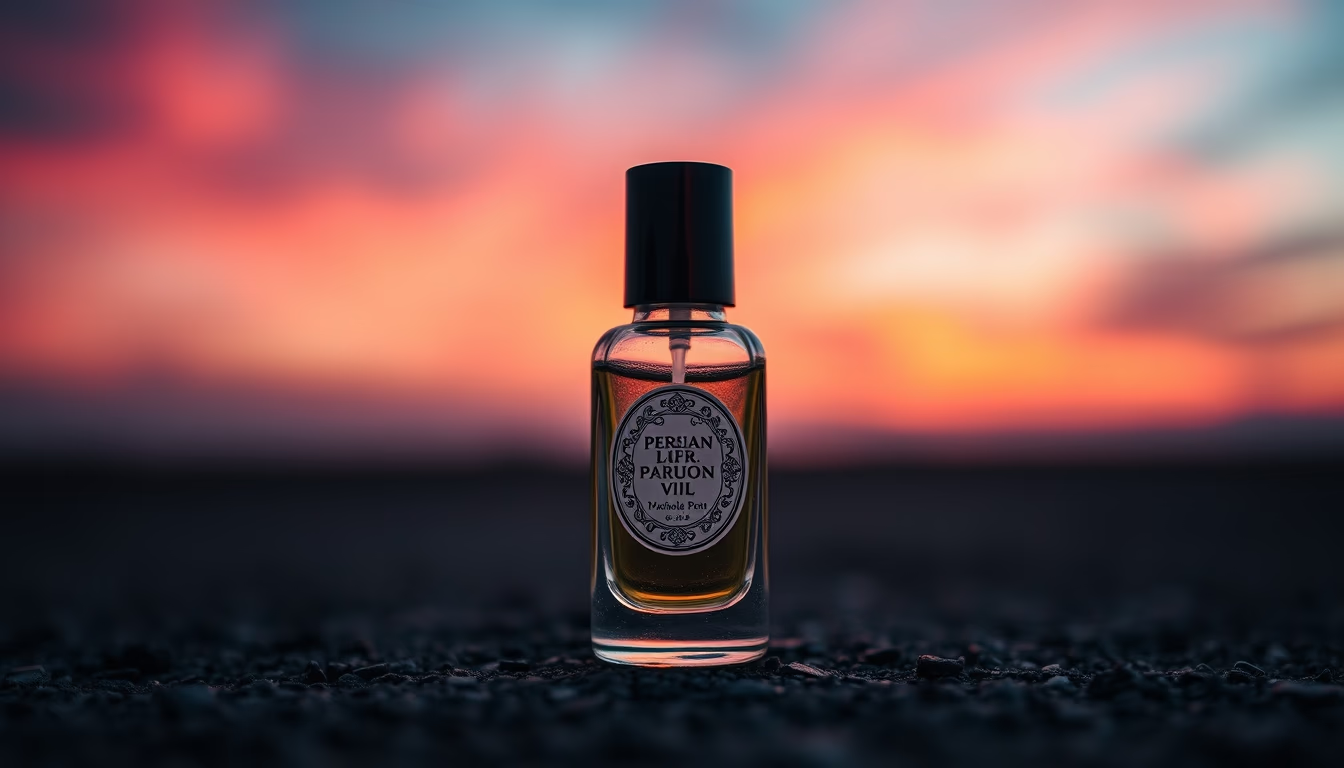
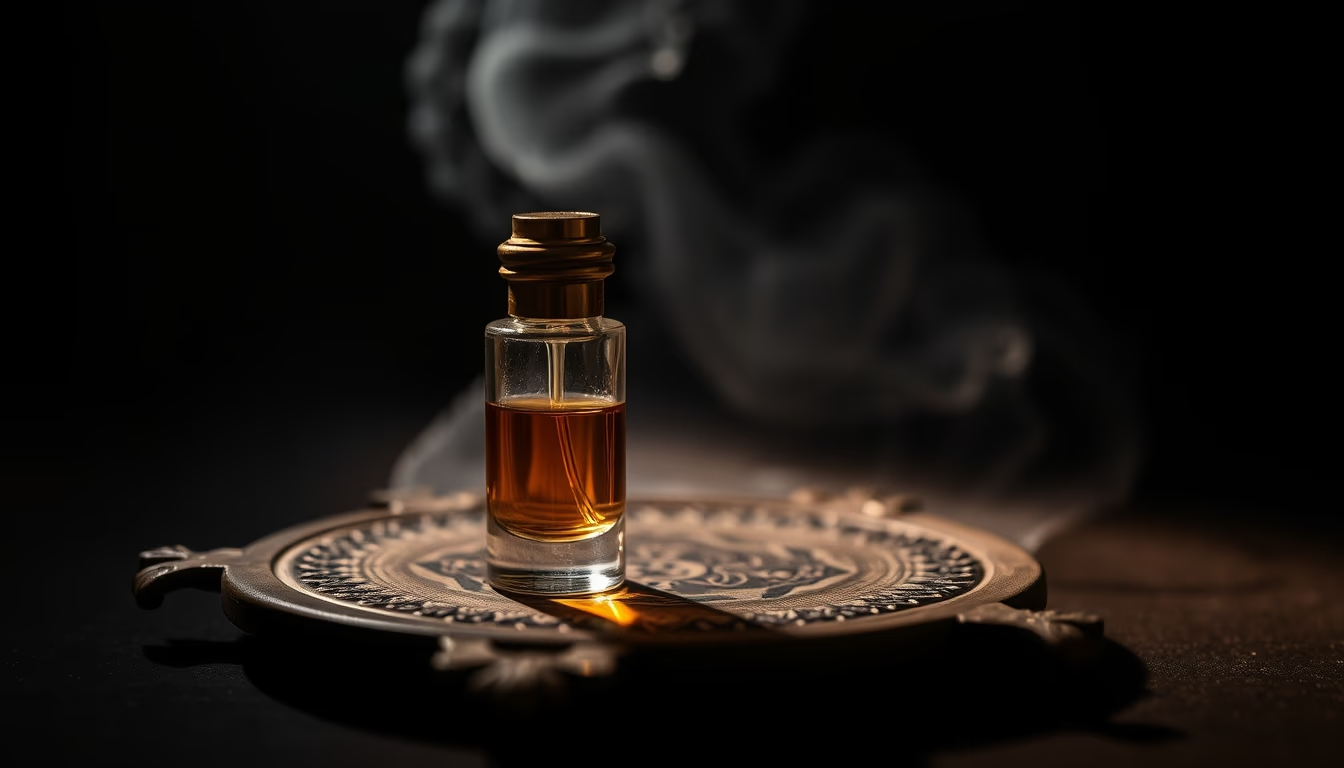
Persian perfume vial, a handcrafted piece reflecting centuries of tradition in glass and metal, used to preserve precious essences.
About this subject
Persian perfume vials are small works of art that combine functionality and aesthetics. Originating in ancient Persia (modern-day Iran), these containers were made from materials like blown glass, metal (bronze, silver), and even glazed pottery. Glass production in the region dates back to the second millennium BCE, but it peaked during the Sassanian Empire (224-651 CE), with vials decorated with reliefs, filigree, and inlays. Each piece was designed to protect scented oils from light and air, preserving their potency for years.
The cultural importance of perfume in Iran is immense. Fragrances are tied to hospitality, spirituality, and traditional medicine. Musk, rose, and saffron were common essences, and vials often had zoomorphic or geometric shapes, symbolizing protection and beauty. Trade along the Silk Road spread these artifacts, influencing metalwork and glassware in other cultures, such as Ottoman and Indian.
Curiosities: some Persian vials feature long, thin spouts for drop-by-drop application, avoiding waste. The technique of colored blown glass (e.g., cobalt blue) was mastered by artisans in cities like Isfahan and Shiraz. Today, modern replicas keep this tradition alive, but antique vials are coveted by collectors and displayed in museums such as the National Museum of Iran and the Metropolitan Museum of Art.
Frequently Asked Questions
What materials were used in Persian perfume vials?
Blown glass, metal (bronze, silver), and glazed pottery. Colored glass, such as cobalt blue, was common, and metal pieces could have precious stone inlays.
How did Persian vials preserve perfumes?
They were designed with narrow mouths and airtight stoppers to block light and air, preventing evaporation and oxidation of essential oils.
Where can I see ancient Persian perfume vials?
In museums like the National Museum of Iran (Tehran) and the Metropolitan Museum of Art (New York). They also appear in private collections and antique auctions.
Direct URL
https://pub-c7d6a6ea828543ac903a74a341ccb2e1.r2.dev/imagens/persian-perfume-vial-long-exposure-fresh7.avifHow to credit
Include a visible link back to UtilizAí. Copy one of the snippets below:
<a href="https://xn--utiliza-eza.com/en/midia/imagens/persian-perfume-vial-long-exposure-fresh7">Persian perfume vial</a> by <a href="https://xn--utiliza-eza.com">UtilizAí</a>, licensed under <a href="https://creativecommons.org/licenses/by/4.0/">CC BY 4.0</a>.
[Persian perfume vial](https://xn--utiliza-eza.com/en/midia/imagens/persian-perfume-vial-long-exposure-fresh7) by [UtilizAí](https://xn--utiliza-eza.com), CC BY 4.0
License: CC-BY-4.0