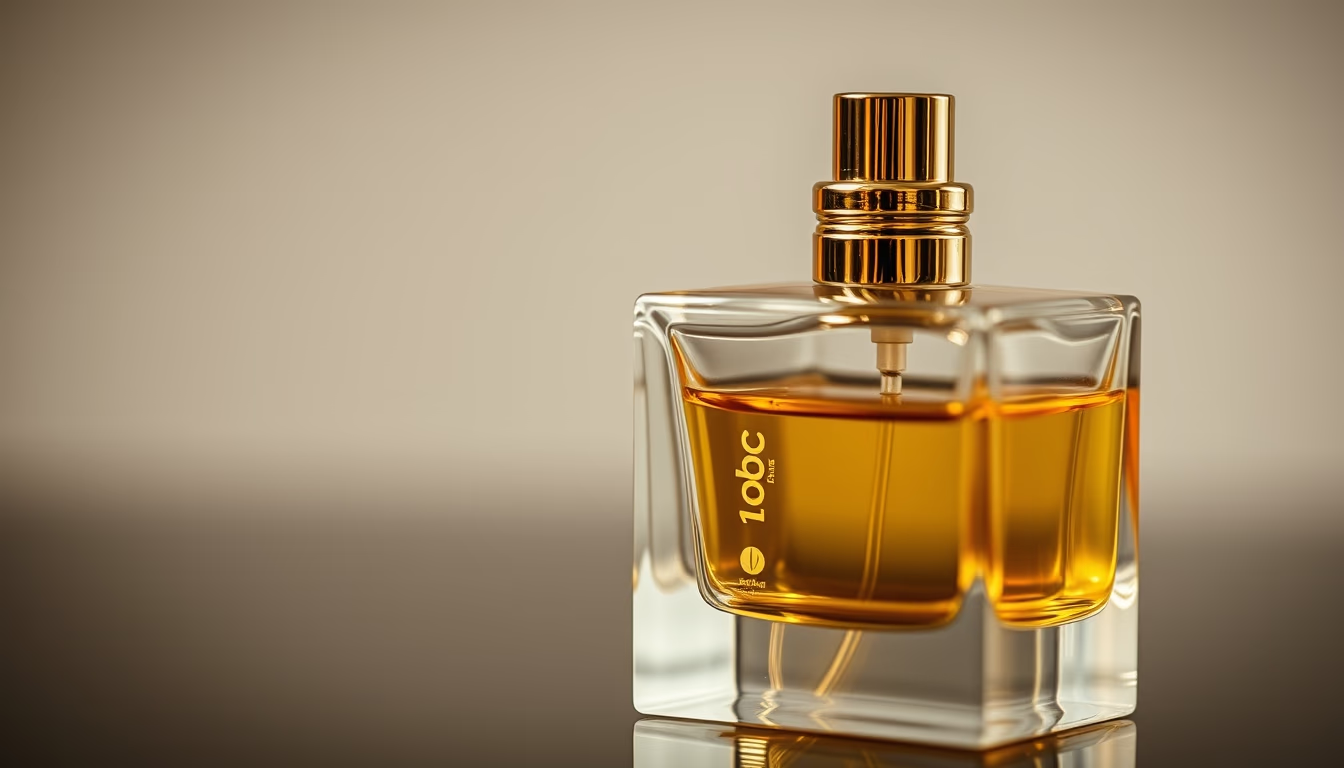
Persian perfume vial
1344×768 · AVIF · CC BY 4.0
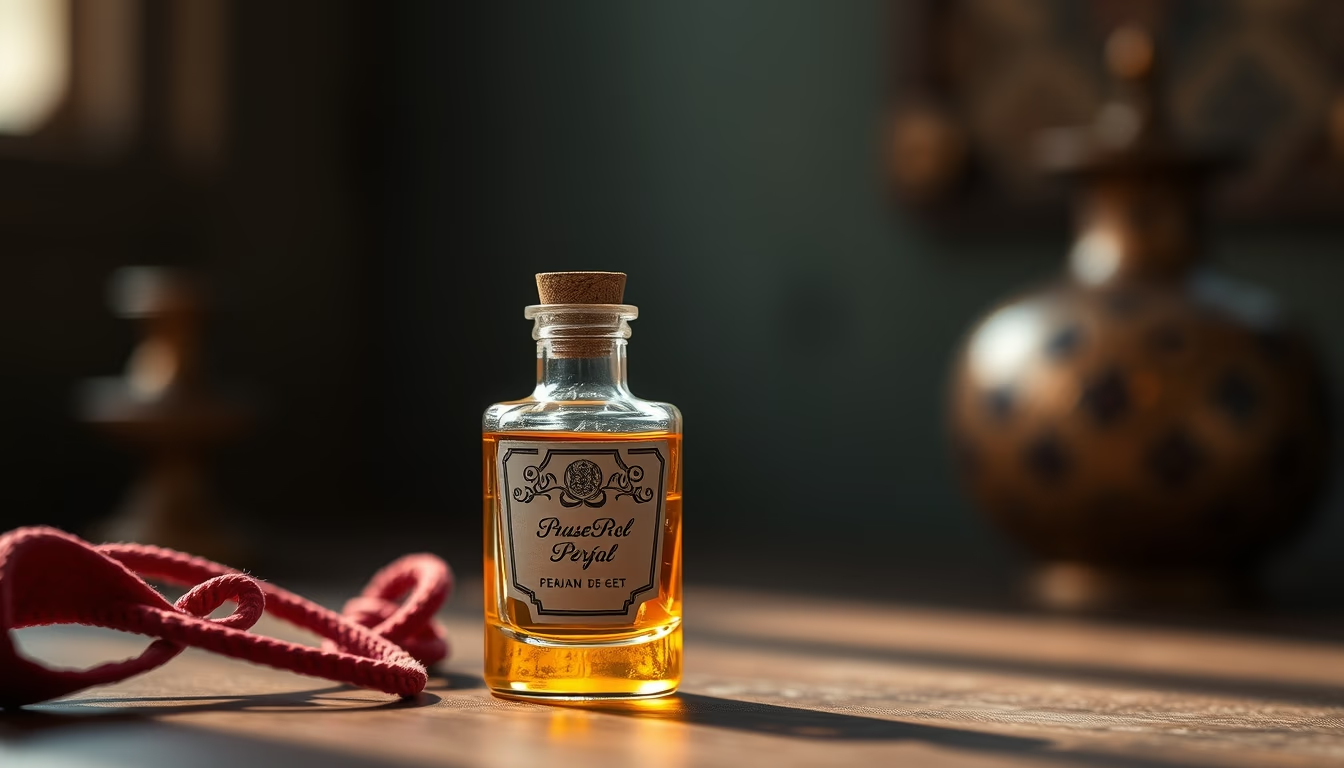
The Persian perfume vial is an artifact blending art and functionality, revealing centuries of perfumery and metalworking tradition in Iran.
About this subject
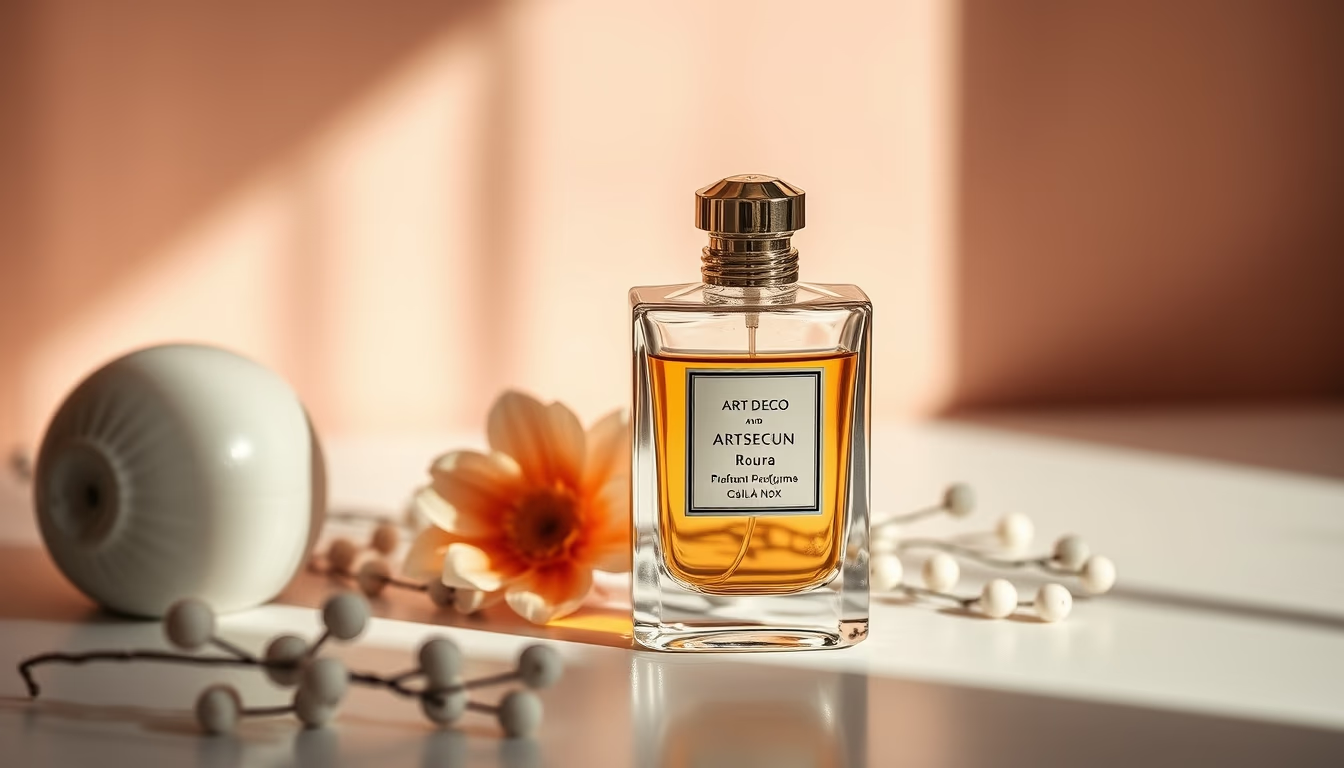
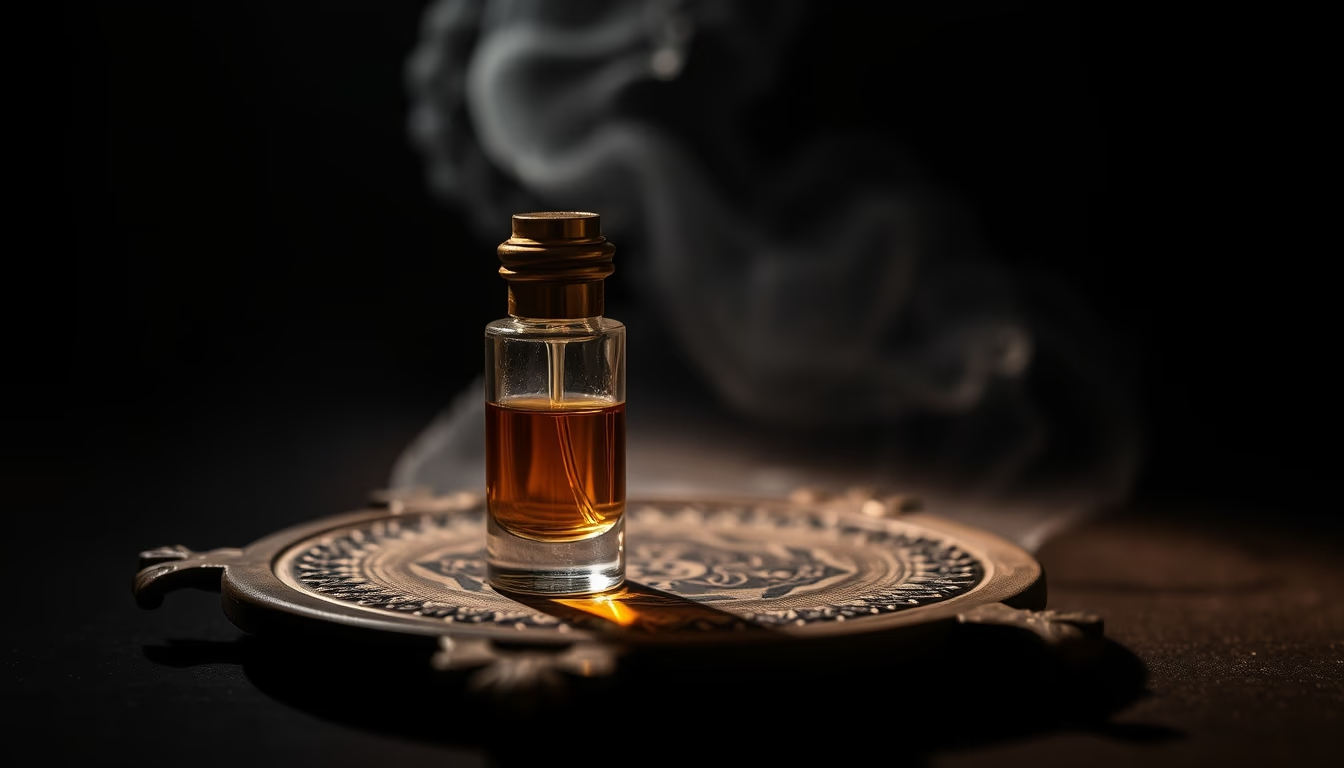
The history of perfume in Iran dates back to ancient Persia, where perfumery was highly prized. Persian perfume vials, often called 'attardan' or 'ghabghab', were crafted from materials such as blown glass, enameled ceramic, silver, or brass. Many historical examples feature intricate filigree work, floral and geometric engravings, and inlays of semi-precious stones. These vials not only stored fragrant oils and essences but also served as status symbols and decorative objects.
Glassmaking techniques in Iran have roots in the Achaemenid period and advanced during the Sassanian Empire. Persian vials often incorporate nature-inspired shapes such as drops, amphorae, or stylized animals. The city of Qom is renowned for its handcrafted glass, while Isfahan and Shiraz are known for metalwork. The perfume itself, often based on rose oil (golab) and musk, was used in religious ceremonies, at court, and in daily life.
Persian influence spread throughout the Islamic world and beyond, reaching Europe via trade routes. Today, ancient Persian perfume vials are collector's items and subjects of archaeological study, while contemporary artisans keep the tradition alive by blending classic forms with modern design. The preservation of these techniques is considered intangible cultural heritage by the Iranian government.
Interestingly, many Persian vials feature a long, thin spout for applying perfume directly to skin or fabric, minimizing waste. The choice of material also affected fragrance preservation: dark glass protected against light, while silver had antimicrobial properties. This attention to detail reflects the sophistication of Persian culture and its enduring legacy in global perfumery.
Frequently Asked Questions
What materials were used for ancient Persian perfume vials?
Persian vials were made from blown glass, enameled ceramic, silver, brass, and occasionally gold. Many featured inlays of stones such as turquoise, lapis lazuli, or carnelian.
What was the cultural significance of perfume in ancient Persia?
Perfume was used in Zoroastrian religious rituals, at the royal court as a status symbol, and in daily life for hygiene and pleasure. Rose and musk were highly prized essences.
How can I identify an authentic Persian perfume vial?
Look for features like metal filigree, nature-inspired shapes (e.g., drops or animals), long thin spouts, and Persian calligraphy inscriptions. Patina and blown-glass technique are also clues.
Direct URL
https://pub-c7d6a6ea828543ac903a74a341ccb2e1.r2.dev/imagens/persian-perfume-vial-documentary-photography-fresh12.avifHow to credit
Include a visible link back to UtilizAí. Copy one of the snippets below:
<a href="https://xn--utiliza-eza.com/en/midia/imagens/persian-perfume-vial-documentary-photography-fresh12">Persian perfume vial</a> by <a href="https://xn--utiliza-eza.com">UtilizAí</a>, licensed under <a href="https://creativecommons.org/licenses/by/4.0/">CC BY 4.0</a>.
[Persian perfume vial](https://xn--utiliza-eza.com/en/midia/imagens/persian-perfume-vial-documentary-photography-fresh12) by [UtilizAí](https://xn--utiliza-eza.com), CC BY 4.0
License: CC-BY-4.0