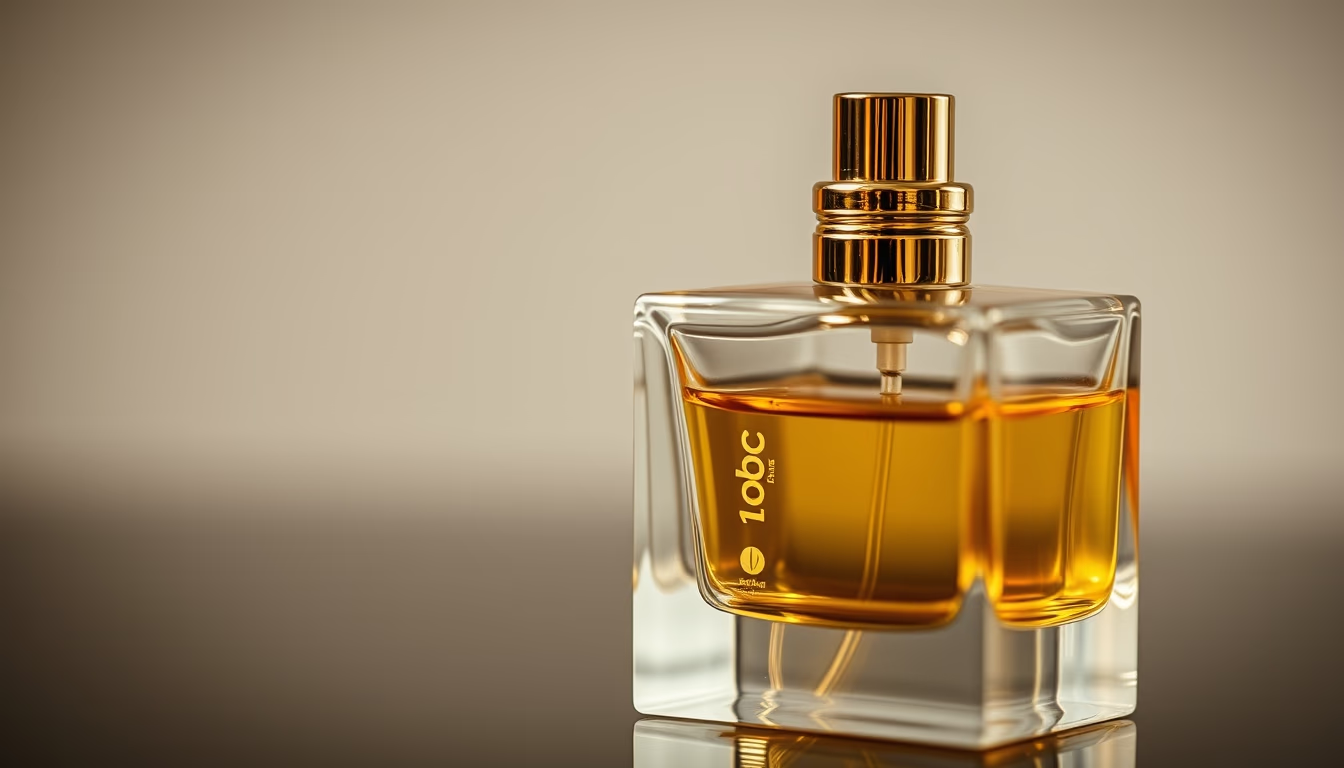
Persian perfume vial
1344×768 · AVIF · CC BY 4.0
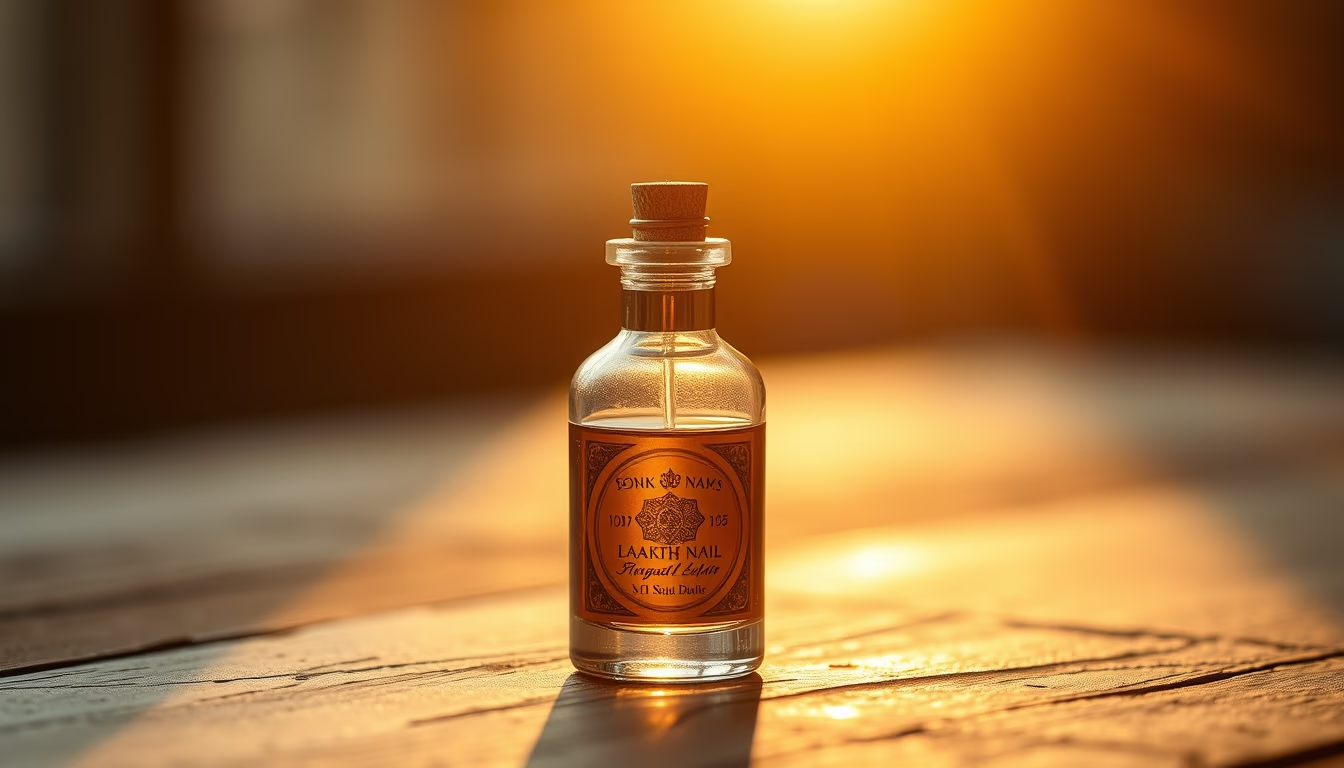
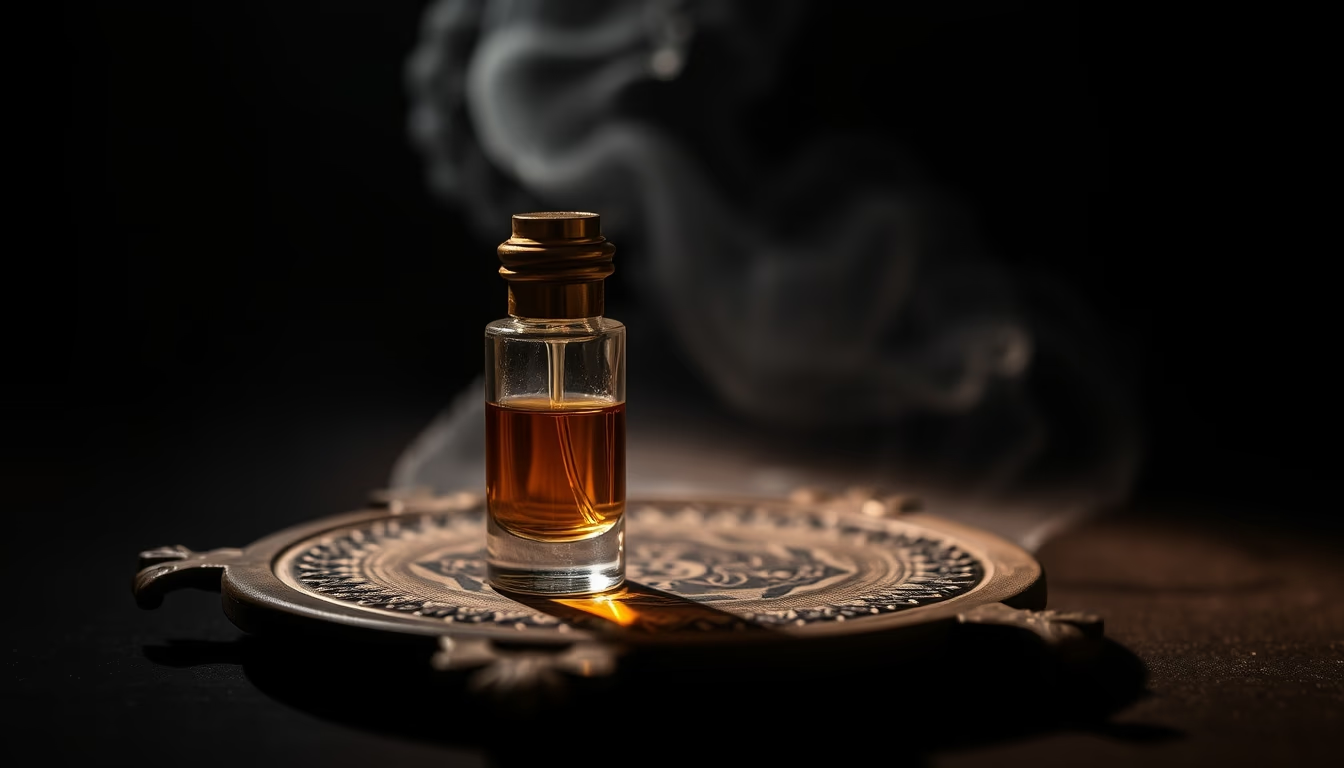
The Persian perfume vial is a functional art piece reflecting centuries of perfumery and craftsmanship tradition in Iran.
About this subject
Persian perfume vials are objects that combine functionality and art, originating in ancient Persia, modern-day Iran. Perfumery in Persia dates back over 2,500 years, with evidence of aromatic oils and ointments found in archaeological sites of the Achaemenid Empire. These vials were often made of hand-blown glass, a technique that flourished in the region since the 1st century BC. Persian artisans developed sophisticated decoration methods, including enameling, gilding, and inlaying with precious stones. Designs range from simple, elegant shapes to ornate pieces with floral, geometric, and calligraphic motifs, inspired by the rich Islamic and Persian cultural heritage.
During the Safavid period (16th-18th centuries), glass and ceramic production reached its peak, and perfume vials became status symbols and luxury items. They were used to store attars (perfumed oils) extracted from roses, jasmine, saffron, and other native plants. Trade of these vials extended throughout the Persian Empire and beyond, influencing designs in India, Turkey, and Europe. Today, many ancient examples are housed in museums such as the National Museum of Iran in Tehran and the Museum of Islamic Art in Qatar.
Contemporary production keeps traditional techniques alive, with artisans in cities like Isfahan and Shiraz creating hand-painted glass and ceramic vials. They are often sold in historic bazaars and are popular among collectors and perfume enthusiasts. The art of creating these vials is recognized by UNESCO as part of intangible cultural heritage in some cases. Beyond their aesthetic beauty, Persian vials are testaments to the technical ingenuity and artistic sensibility of their creators.
Frequently Asked Questions
What is the historical origin of Persian perfume vials?
Persian perfume vials originate from ancient Persia, with evidence dating back to the Achaemenid Empire (c. 550-330 BC). Glassblowing was introduced around the 1st century BC, and production peaked during the Safavid period (16th-18th centuries).
What materials were used to make these vials?
The most common materials are hand-blown glass and ceramic, often decorated with enamel, gilding, inlay of stones such as turquoise and lapis lazuli, and natural pigments for painting.
Where can I find authentic Persian perfume vials today?
Authentic vials can be found in historic bazaars of cities like Isfahan and Shiraz, in Iranian craft stores, or in museums that sell replicas. Many collectors also acquire them at Islamic art auctions.
Direct URL
https://pub-c7d6a6ea828543ac903a74a341ccb2e1.r2.dev/imagens/persian-perfume-vial-cinematic-wide-shot-fresh13.avifHow to credit
Include a visible link back to UtilizAí. Copy one of the snippets below:
<a href="https://xn--utiliza-eza.com/en/midia/imagens/persian-perfume-vial-cinematic-wide-shot-fresh13">Persian perfume vial</a> by <a href="https://xn--utiliza-eza.com">UtilizAí</a>, licensed under <a href="https://creativecommons.org/licenses/by/4.0/">CC BY 4.0</a>.
[Persian perfume vial](https://xn--utiliza-eza.com/en/midia/imagens/persian-perfume-vial-cinematic-wide-shot-fresh13) by [UtilizAí](https://xn--utiliza-eza.com), CC BY 4.0
License: CC-BY-4.0