Persian perfume vial
1344×768 · AVIF · CC BY 4.0
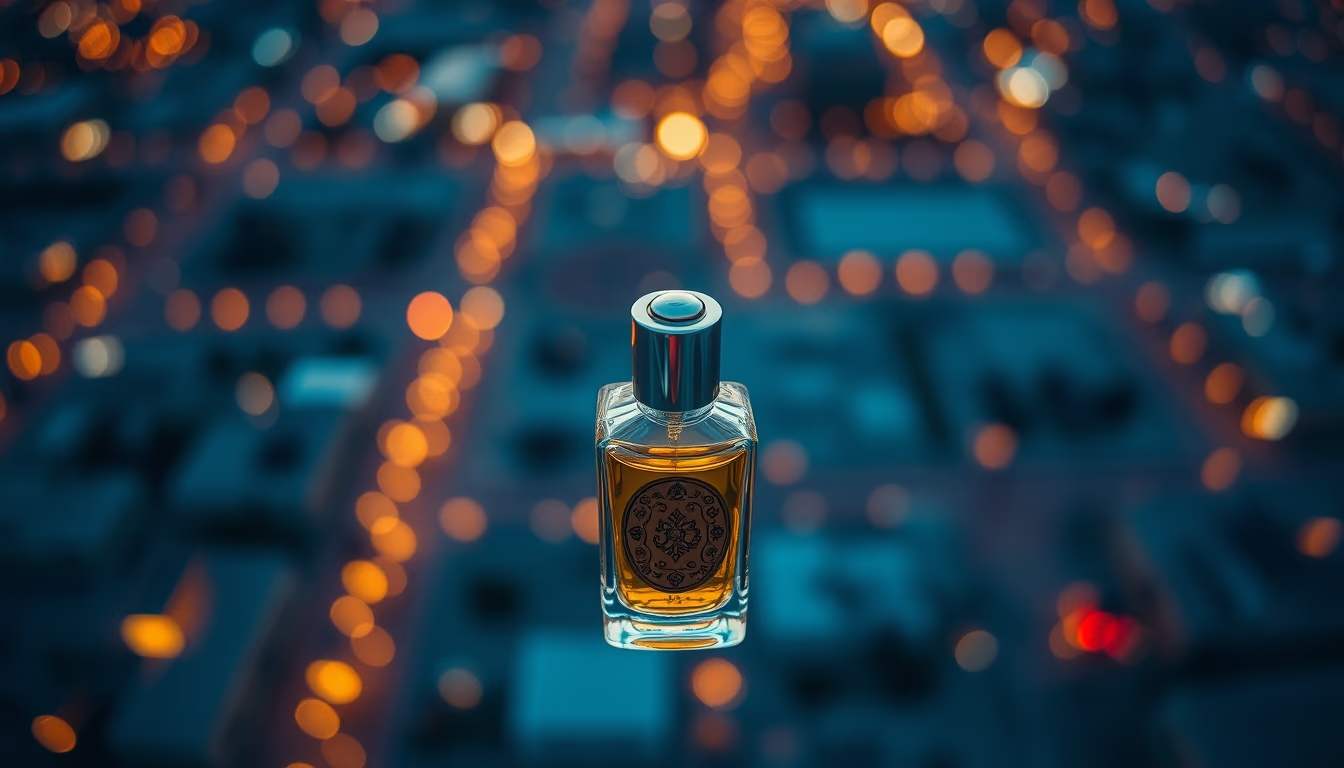
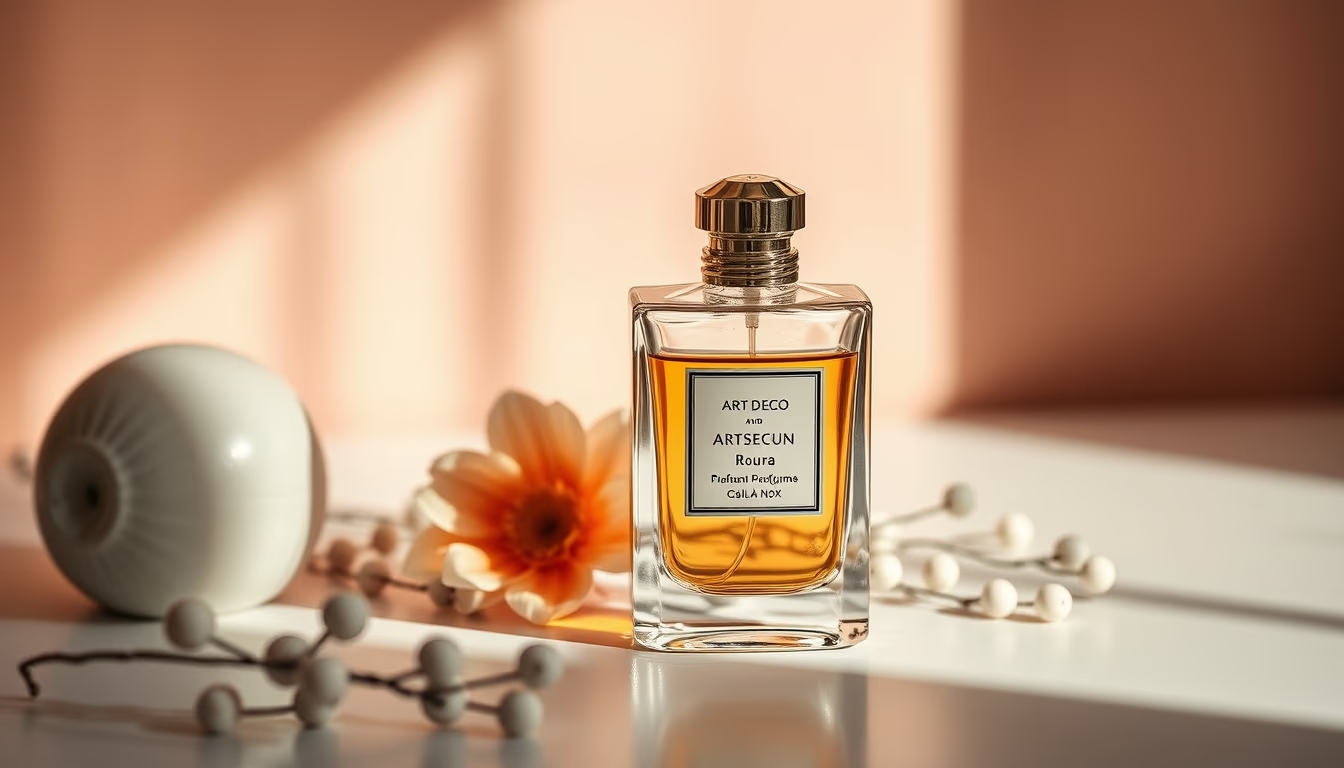
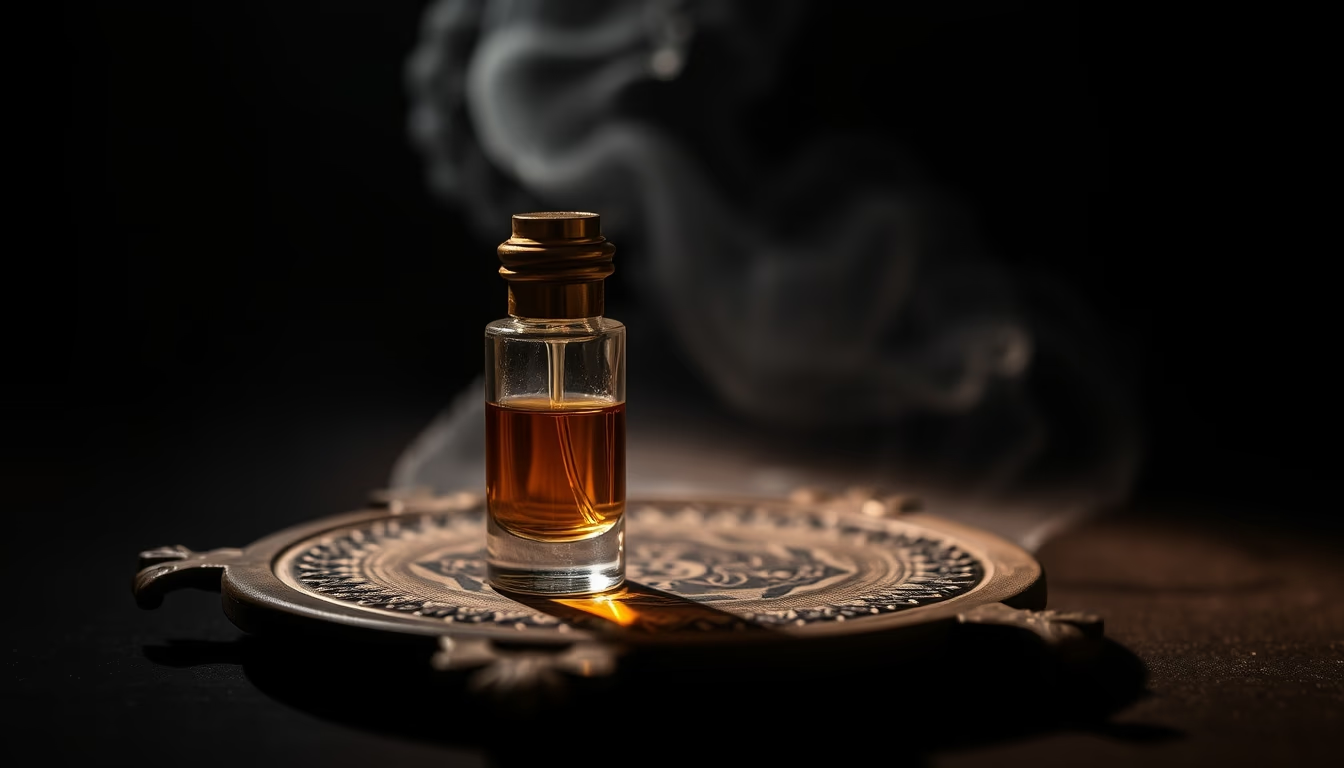
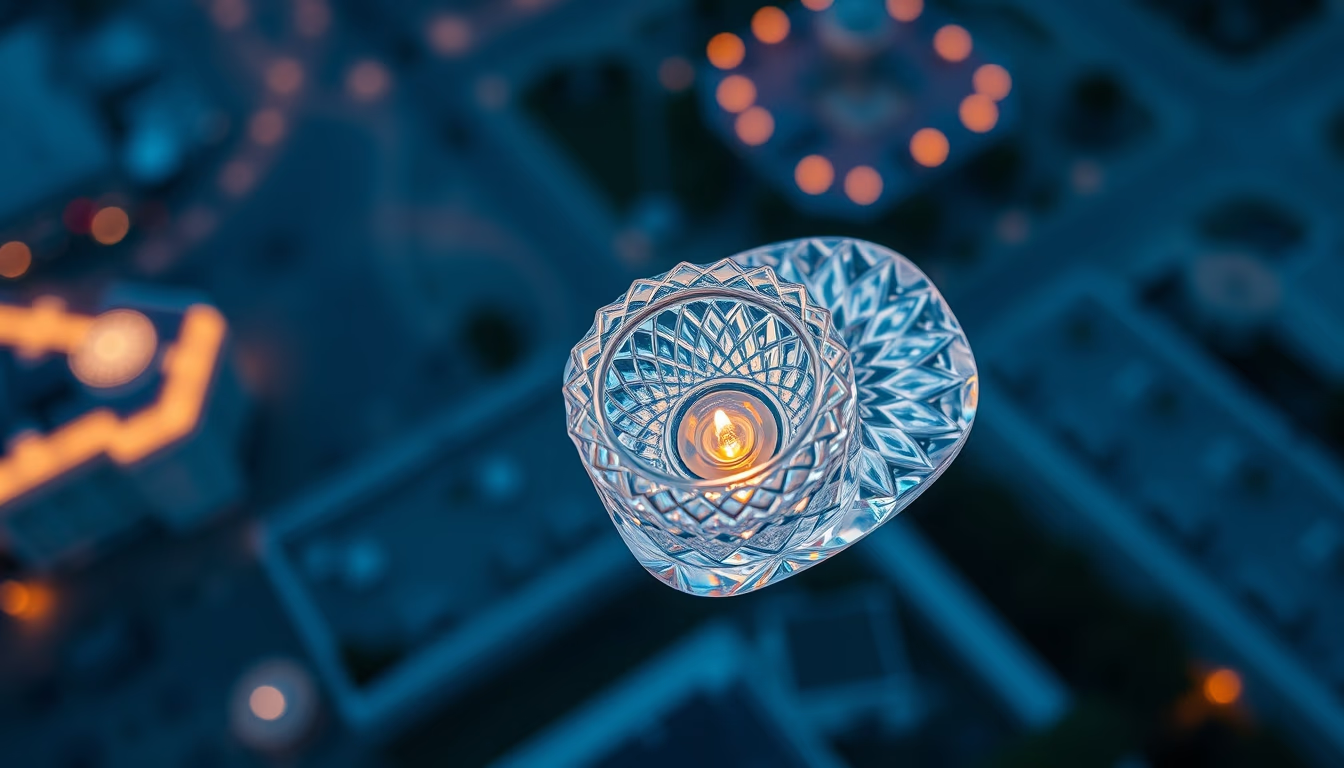
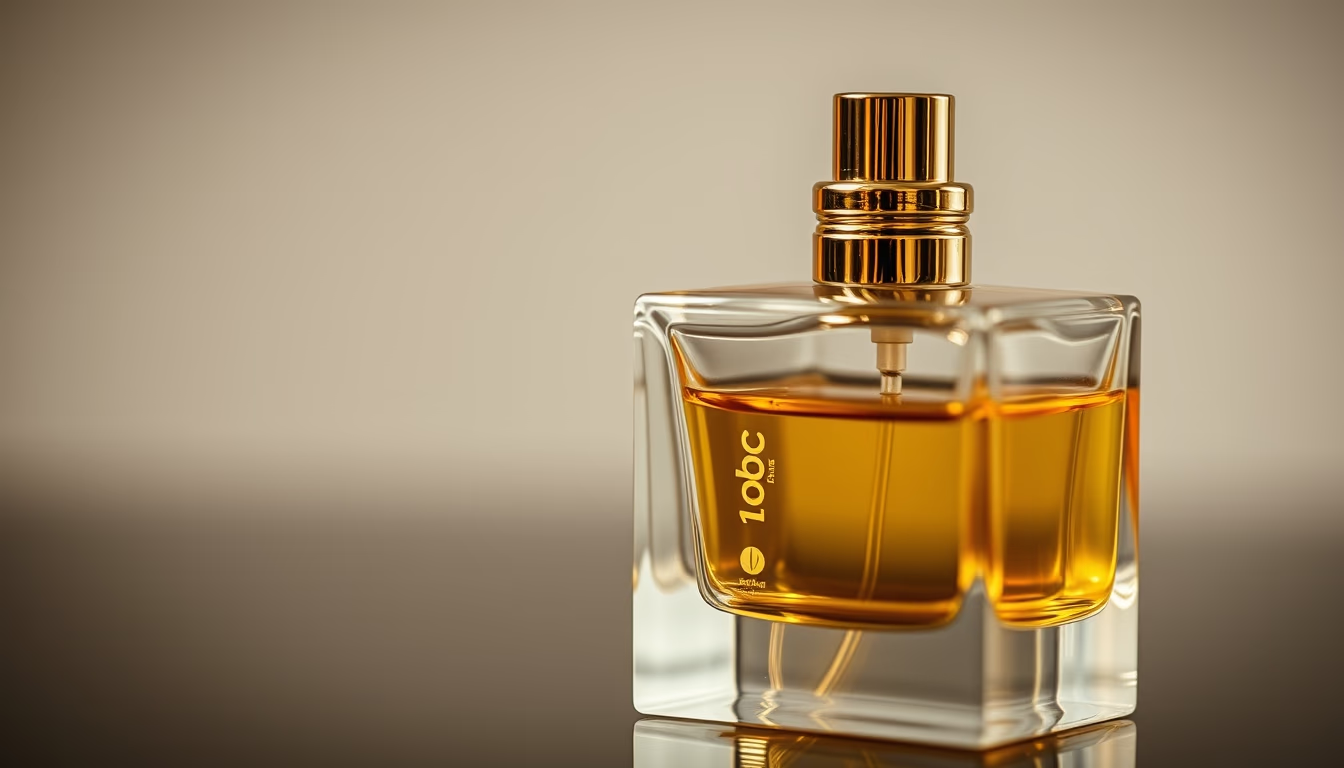
Persian perfume vial: ancient art in cut glass and ornamental design, symbol of the sophistication of ancient Persia.
About this subject
Persian perfume vials are objects that transcend the mere function of storing fragrances. They represent centuries of artisanal tradition, combining techniques of blown glass, cutting, and enameling with influences from Islamic and pre-Islamic art. Ancient Persia, modern-day Iran, was one of the first centers of glass production in the world, with evidence dating back to the second millennium BC. During the Achaemenid Empire (550, 330 BC), the trade of perfumes and ointments flourished, and vials became luxury items, often decorated with animal reliefs, floral motifs, and geometric patterns.
The typical shape of a Persian vial includes a bulbous body, elongated neck, and a flat or slightly rounded base. Many historical examples have been found in archaeological sites such as Persepolis and Susa, indicating their use in religious rituals and daily life of the nobility. The technique of cut glass, which involves carving and polishing the surface to create facets, was perfected in medieval Persia and influenced European production during the Renaissance. Besides glass, materials like alabaster, ceramics, and precious metals were also used.
In contemporary Iranian culture, the production of artisanal perfume vials continues, especially in the cities of Isfahan and Shiraz, where craftsmen maintain traditional methods. Modern designs often incorporate Persian calligraphy and references to classical poetry, such as verses by Hafez and Rumi. The appreciation of these pieces goes beyond aesthetics: they are considered cultural heritage and symbols of hospitality. A Persian vial is not just a container but a work of art that encapsulates the history of a civilization.
Frequently Asked Questions
What is the historical origin of Persian perfume vials?
Glass production in Persia dates back to the second millennium BC, but perfume vials gained prominence during the Achaemenid Empire (550, 330 BC), when the trade of perfumes and ointments expanded and vials became luxury items.
What materials are used in traditional Persian vial making?
Traditionally, blown and cut glass, alabaster, ceramics, and precious metals like silver and gold are used. Enameling and relief techniques are also common.
Where can I find authentic Persian perfume vials today?
Craftsmen in the Iranian cities of Isfahan and Shiraz still produce handmade vials. They can also be found in historic bazaars and specialized Iranian art stores.
Direct URL
https://pub-c7d6a6ea828543ac903a74a341ccb2e1.r2.dev/imagens/persian-perfume-vial-aerial-drone-shot-fresh15.avifHow to credit
Include a visible link back to UtilizAí. Copy one of the snippets below:
<a href="https://xn--utiliza-eza.com/en/midia/imagens/persian-perfume-vial-aerial-drone-shot-fresh15">Persian perfume vial</a> by <a href="https://xn--utiliza-eza.com">UtilizAí</a>, licensed under <a href="https://creativecommons.org/licenses/by/4.0/">CC BY 4.0</a>.
[Persian perfume vial](https://xn--utiliza-eza.com/en/midia/imagens/persian-perfume-vial-aerial-drone-shot-fresh15) by [UtilizAí](https://xn--utiliza-eza.com), CC BY 4.0
License: CC-BY-4.0