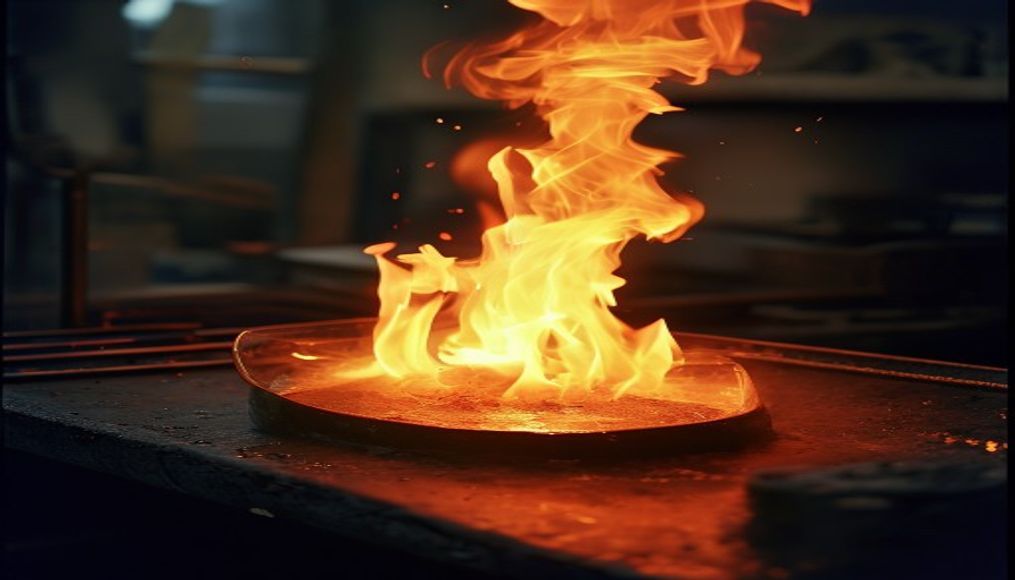
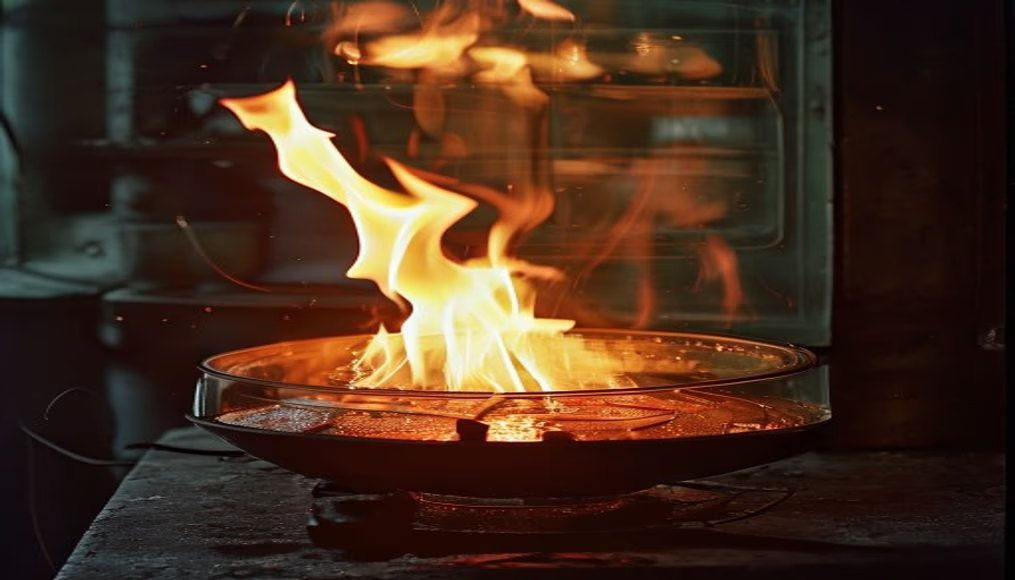
Pcr machine running cycle
1344×768 · AVIF · CC BY 4.0
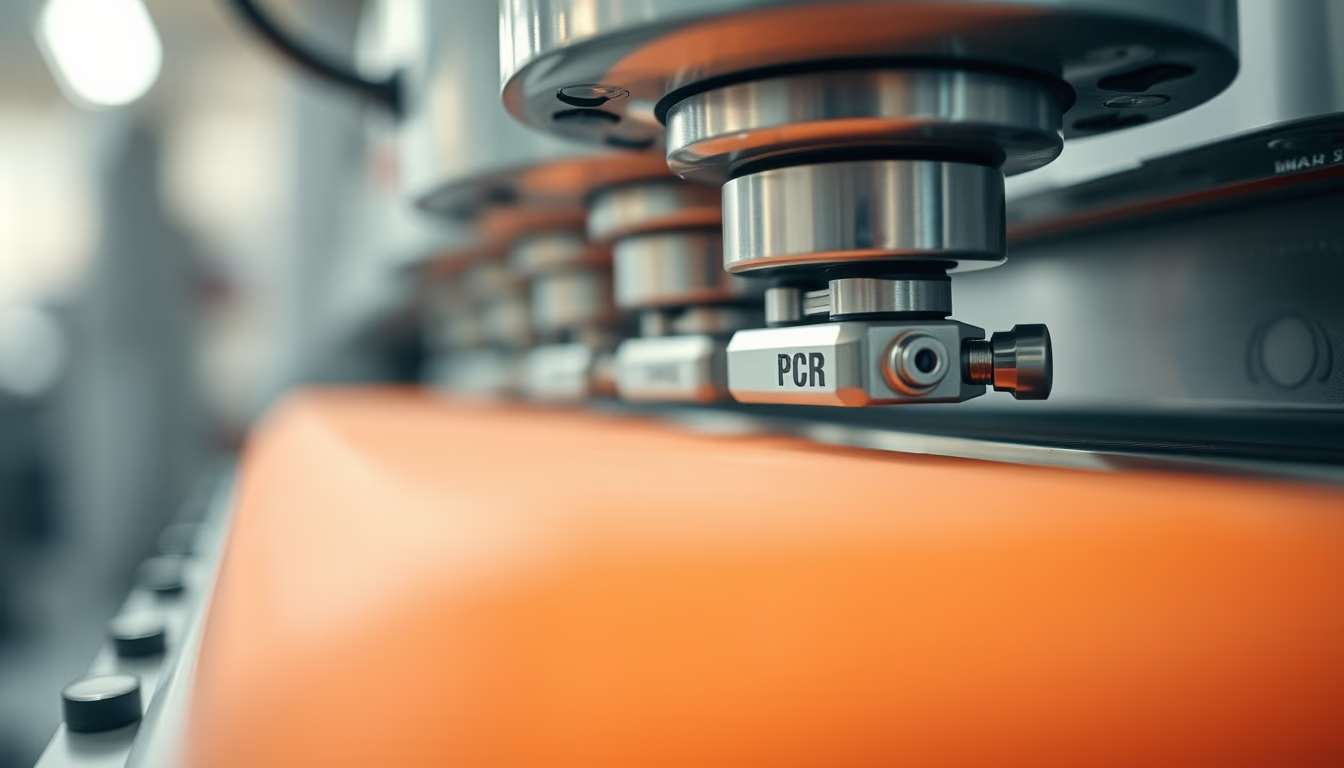
A PCR machine cycling through temperatures to amplify DNA, crucial for diagnostics and research in molecular biology.
About this subject
Polymerase chain reaction (PCR) is a cornerstone technique in molecular biology that amplifies specific DNA sequences. Invented by Kary Mullis in 1983, PCR earned him the Nobel Prize in Chemistry in 1993 and transformed genetics by enabling the production of millions of copies of a target DNA segment from a minuscule sample. The PCR machine, or thermal cycler, performs repeated cycles of controlled temperatures to drive DNA replication by the enzyme DNA polymerase. Each cycle includes denaturation (around 95°C to separate DNA strands), annealing (50-65°C for primer binding), and extension (72°C for new strand synthesis). A typical thermal cycler features a heated block that holds 96- or 384-well plates, along with a heated lid to prevent evaporation. Users program the number of cycles (usually 25-35) to achieve the desired amplification yield.
PCR is essential in many fields: diagnosing infectious diseases (e.g., RT-PCR for COVID-19), detecting genetic mutations, forensic analysis, evolutionary studies, and gene cloning. Its sensitivity allows detection of a single DNA molecule, but this also requires strict contamination controls, such as separate work areas and negative controls. Modern machines offer gradient temperature functions to optimize annealing temperatures and real-time detection capabilities used in quantitative PCR (qPCR), which monitors amplification cycle by cycle.
The invention of PCR was inspired by the natural DNA replication process. Variants like reverse transcription PCR (RT-PCR) for RNA and digital PCR for absolute quantification have expanded its applications. Despite the rise of next-generation sequencing, PCR remains a routine, affordable tool in laboratories worldwide, from small clinics to large research institutions.
Frequently Asked Questions
What is PCR and what is it used for?
PCR (Polymerase Chain Reaction) is a technique that amplifies millions of copies of a specific DNA segment. It is used in diagnostics, genetic research, forensics, and paternity testing.
How does a PCR machine work?
The machine (thermal cycler) cycles through temperatures: denaturation (95°C), annealing (50-65°C), and extension (72°C). The DNA polymerase enzyme synthesizes new strands, doubling the DNA each cycle.
What is the difference between conventional PCR and real-time PCR?
Conventional PCR detects the final product on an agarose gel. Real-time PCR (qPCR) monitors amplification every cycle using fluorescence, allowing precise quantification of the initial DNA.
Direct URL
https://pub-c7d6a6ea828543ac903a74a341ccb2e1.r2.dev/imagens/pcr-machine-running-cycle-macro-closeup-p6.avifHow to credit
Include a visible link back to UtilizAí. Copy one of the snippets below:
<a href="https://xn--utiliza-eza.com/en/midia/imagens/pcr-machine-running-cycle-macro-closeup-p6">Pcr machine running cycle</a> by <a href="https://xn--utiliza-eza.com">UtilizAí</a>, licensed under <a href="https://creativecommons.org/licenses/by/4.0/">CC BY 4.0</a>.
[Pcr machine running cycle](https://xn--utiliza-eza.com/en/midia/imagens/pcr-machine-running-cycle-macro-closeup-p6) by [UtilizAí](https://xn--utiliza-eza.com), CC BY 4.0
License: CC-BY-4.0