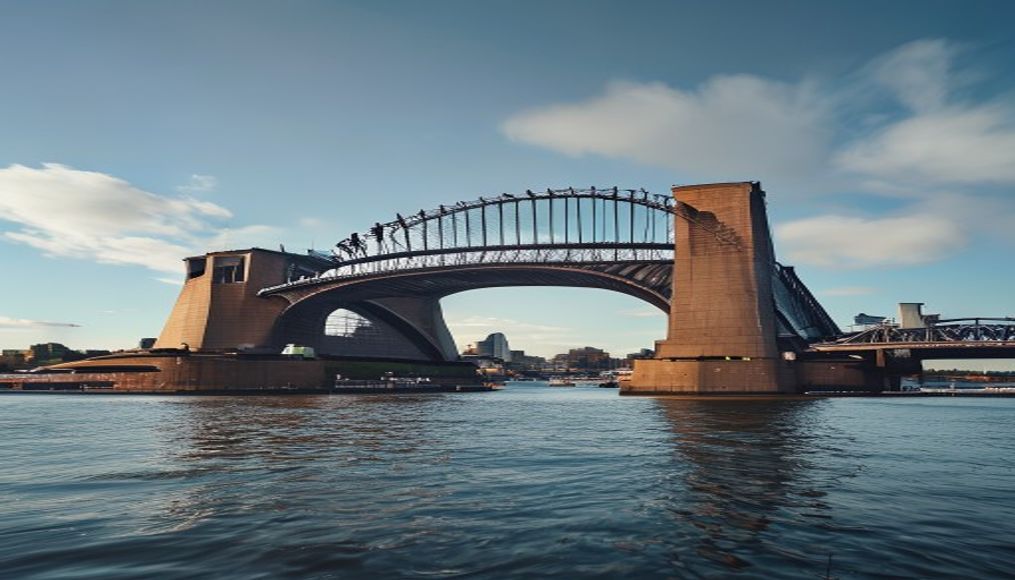
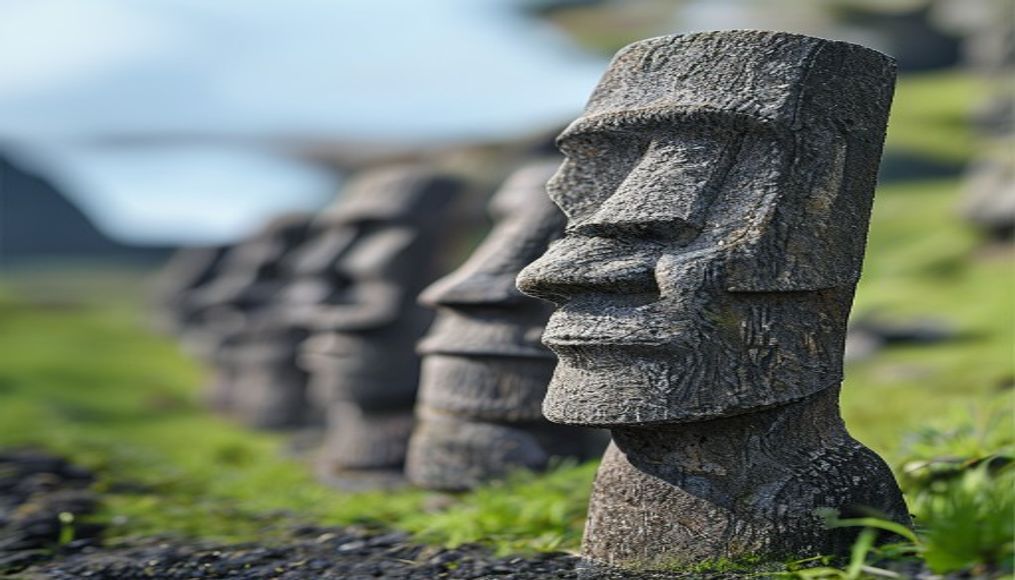
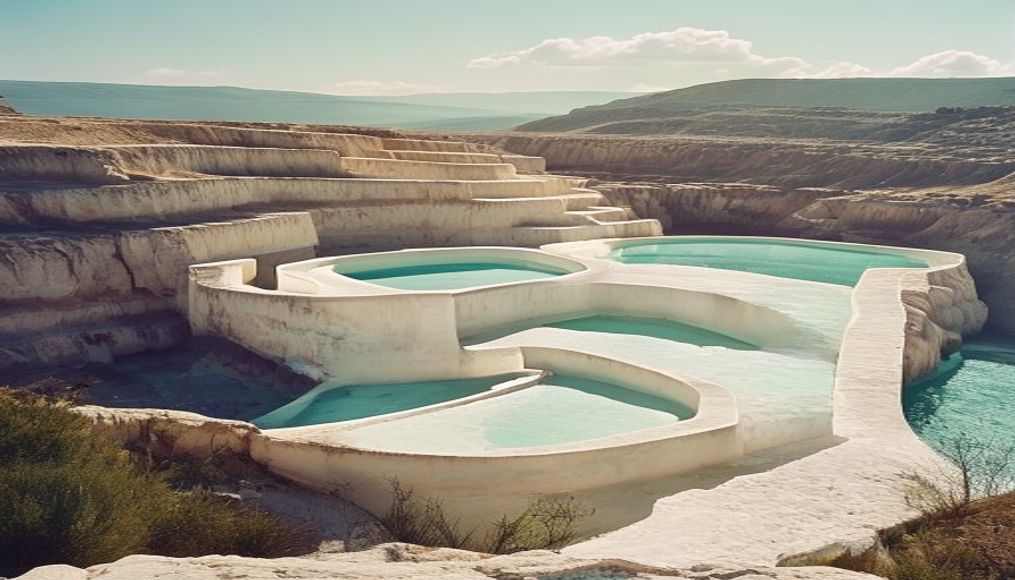
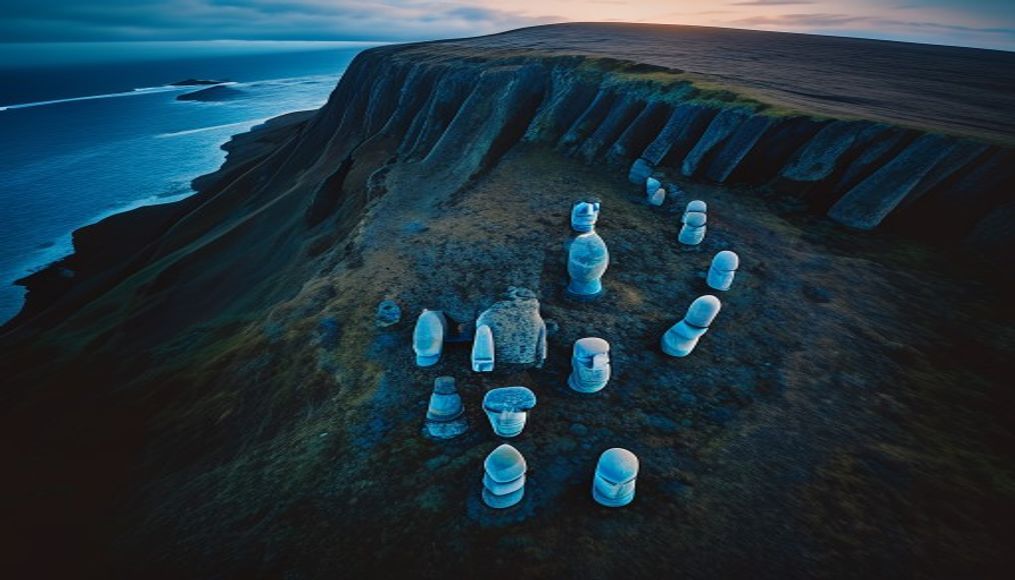
Parthenon marbles
1344×768 · AVIF · CC BY 4.0
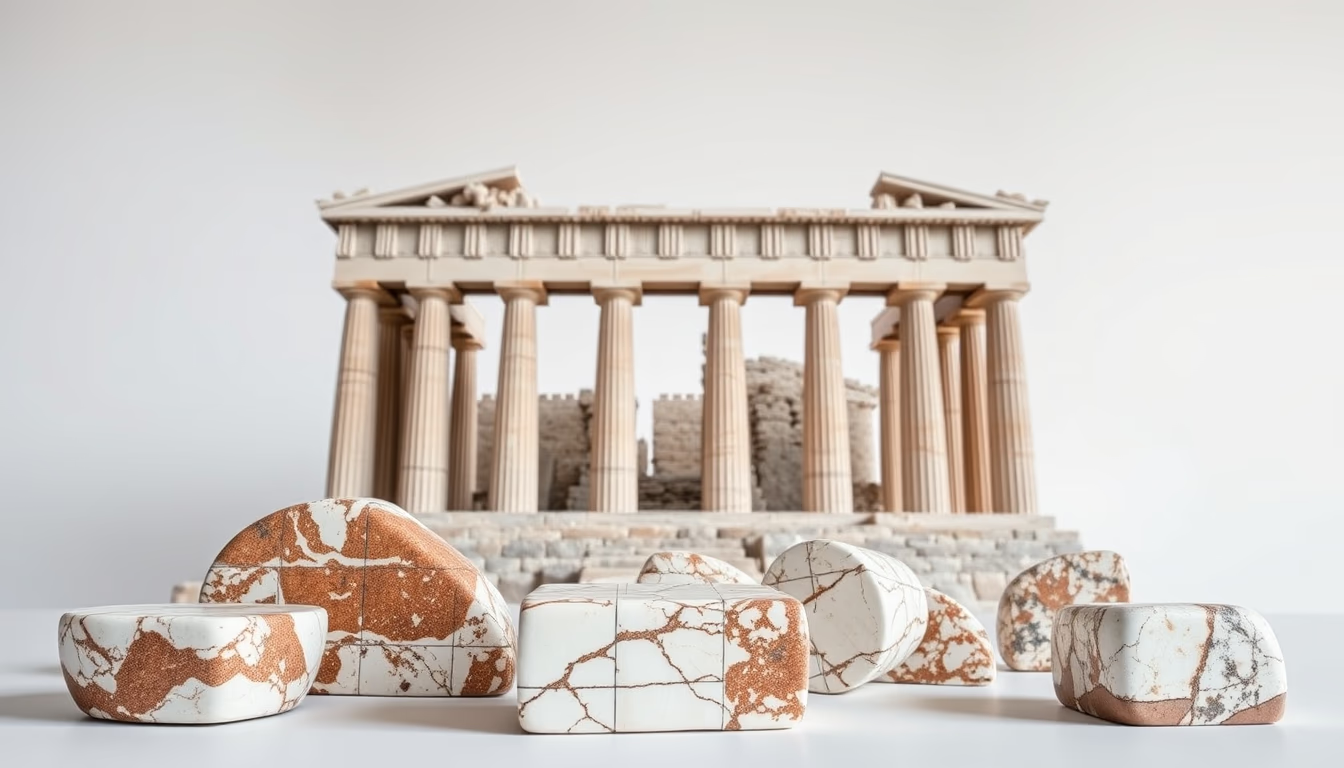
The Parthenon Marbles, also known as the Elgin Marbles, are a collection of Ancient Greek sculptures currently housed in the British Museum in London.
About this subject
The Parthenon Marbles are a collection of sculptures and architectural fragments that originally adorned the Parthenon, the temple dedicated to the goddess Athena on the Acropolis of Athens, built between 447 and 438 BC under the supervision of the sculptor Phidias. The pieces include part of the frieze representing the Panathenaic procession, the metopes depicting mythological battles (Gigantomachy, Centauromachy, Amazonomachy, and the Trojan War), and the pediment figures, such as the birth of Athena and her contest with Poseidon. It is estimated that about 50% of the original frieze is now in the British Museum, while the rest remains in Athens at the Acropolis Museum, opened in 2009.
The removal of the sculptures occurred between 1801 and 1805, when Lord Elgin, the British ambassador to the Ottoman Empire, obtained a controversial permit (firman) to take the pieces. He brought them to England and in 1816 sold them to the British government, which deposited them in the British Museum. Since then, Greece has demanded the return of the works, arguing they were illegally removed and that the Ottoman permit had no legal validity. The repatriation debate has intensified in recent decades, with UNESCO mediating talks, but the British Museum maintains that the sculptures are part of a global heritage and were legally acquired.
Culturally, the Parthenon Marbles are considered the pinnacle of classical Greek art, representing the ideal of beauty, proportion, and mythological narrative. The frieze, over 160 meters long, is one of the most important sources on Athenian religion and society in the 5th century BC. The sculptures also profoundly influenced Western art, especially neoclassicism. Currently, the UK is discussing a possible long-term loan to Athens, while Greece advocates for the reunification of all pieces at the Acropolis Museum, which was built with an empty space specifically designed to receive them.
Frequently Asked Questions
What are the Parthenon Marbles?
They are a collection of sculptures and architectural fragments from the Parthenon in Athens, including friezes, metopes, and pediment figures, dating to the 5th century BC.
Why are the Parthenon Marbles in the British Museum?
They were removed by Lord Elgin between 1801 and 1805 with permission from the Ottoman Empire and sold to the British government in 1816.
Does Greece want the marbles back?
Yes, Greece has demanded their return since independence, arguing the removal was illegal. The debate continues without a definitive resolution.
Direct URL
https://pub-c7d6a6ea828543ac903a74a341ccb2e1.r2.dev/imagens/parthenon-marbles-commercial-product-photography-p8.avifHow to credit
Include a visible link back to UtilizAí. Copy one of the snippets below:
<a href="https://xn--utiliza-eza.com/en/midia/imagens/parthenon-marbles-commercial-product-photography-p8">Parthenon marbles</a> by <a href="https://xn--utiliza-eza.com">UtilizAí</a>, licensed under <a href="https://creativecommons.org/licenses/by/4.0/">CC BY 4.0</a>.
[Parthenon marbles](https://xn--utiliza-eza.com/en/midia/imagens/parthenon-marbles-commercial-product-photography-p8) by [UtilizAí](https://xn--utiliza-eza.com), CC BY 4.0
License: CC-BY-4.0