Organ pipes cathedral
1344×768 · AVIF · CC BY 4.0
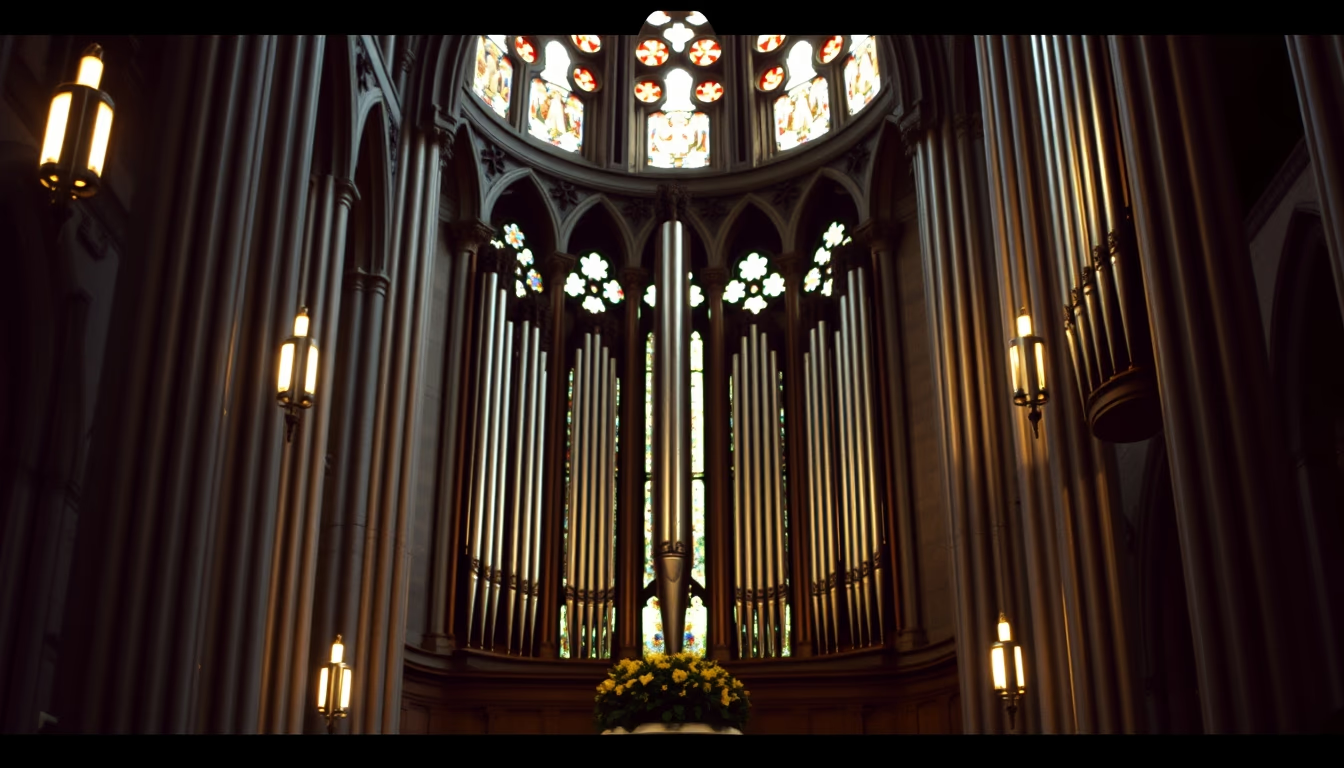
Cathedral organ pipes represent centuries of acoustic engineering and craftsmanship, with structures reaching dozens of meters in height.
About this subject
Cathedral organ pipes are essential components of one of the most complex musical instruments ever built. Each pipe is carefully dimensioned to produce a specific pitch, using materials such as tin, lead, or wood. Building a pipe organ can take years, involving specialized artisans who combine acoustic knowledge with woodworking and metalworking skills.
The acoustics of cathedrals play a crucial role in the organ's sound. Large spaces with vaulted ceilings and stone surfaces create a natural reverberation that enriches the timbre. The organ is often divided into multiple keyboards and pedals, allowing the organist to control different sets of pipes (registers) to vary volume and tone color. This versatility makes the instrument ideal for liturgical accompaniment and concerts.
Historic cathedrals like Notre-Dame in Paris and St. Peter's Basilica in Vatican City house world-famous pipe organs. In Brazil, the São Paulo Cathedral boasts an organ with over 12,000 pipes, one of the largest in Latin America. These instruments not only enhance religious ceremonies but also attract tourists and musicians from around the globe.
Modern pipe organs incorporate technologies such as electrical and digital systems for pipe activation and register combination. However, the essence of the sound still relies on the physical pipes and air flow. Maintenance is constant, as temperature and humidity changes can affect tuning. Organists spend years training to master this instrument, which requires coordination between hands and feet.
Frequently Asked Questions
How do organ pipes produce sound?
Sound is produced when air is forced through a pipe, causing the air to vibrate. Wood or metal pipes have specific shapes that determine the pitch, similar to a flute. Different sizes and openings create varied tones.
Which cathedral has the largest pipe organ?
St. Peter's Basilica in Vatican City has an organ with about 10,000 pipes. However, cathedrals like St. John the Divine (New York) and Cologne Cathedral (Germany) also house huge instruments. In Brazil, São Paulo Cathedral stands out with over 12,000 pipes.
Are all pipe organs the same?
No. Each organ is unique, designed for its specific space. The number of pipes, registers, keyboards, and tonal style vary according to era, builder, and purpose. Baroque organs sound different from Romantic or modern ones.
Direct URL
https://pub-c7d6a6ea828543ac903a74a341ccb2e1.r2.dev/imagens/organ-pipes-cathedral-film-grain-authentic-p4.avifHow to credit
Include a visible link back to UtilizAí. Copy one of the snippets below:
<a href="https://xn--utiliza-eza.com/en/midia/imagens/organ-pipes-cathedral-film-grain-authentic-p4">Organ pipes cathedral</a> by <a href="https://xn--utiliza-eza.com">UtilizAí</a>, licensed under <a href="https://creativecommons.org/licenses/by/4.0/">CC BY 4.0</a>.
[Organ pipes cathedral](https://xn--utiliza-eza.com/en/midia/imagens/organ-pipes-cathedral-film-grain-authentic-p4) by [UtilizAí](https://xn--utiliza-eza.com), CC BY 4.0
License: CC-BY-4.0