Organ pipes cathedral
1344×768 · AVIF · CC BY 4.0
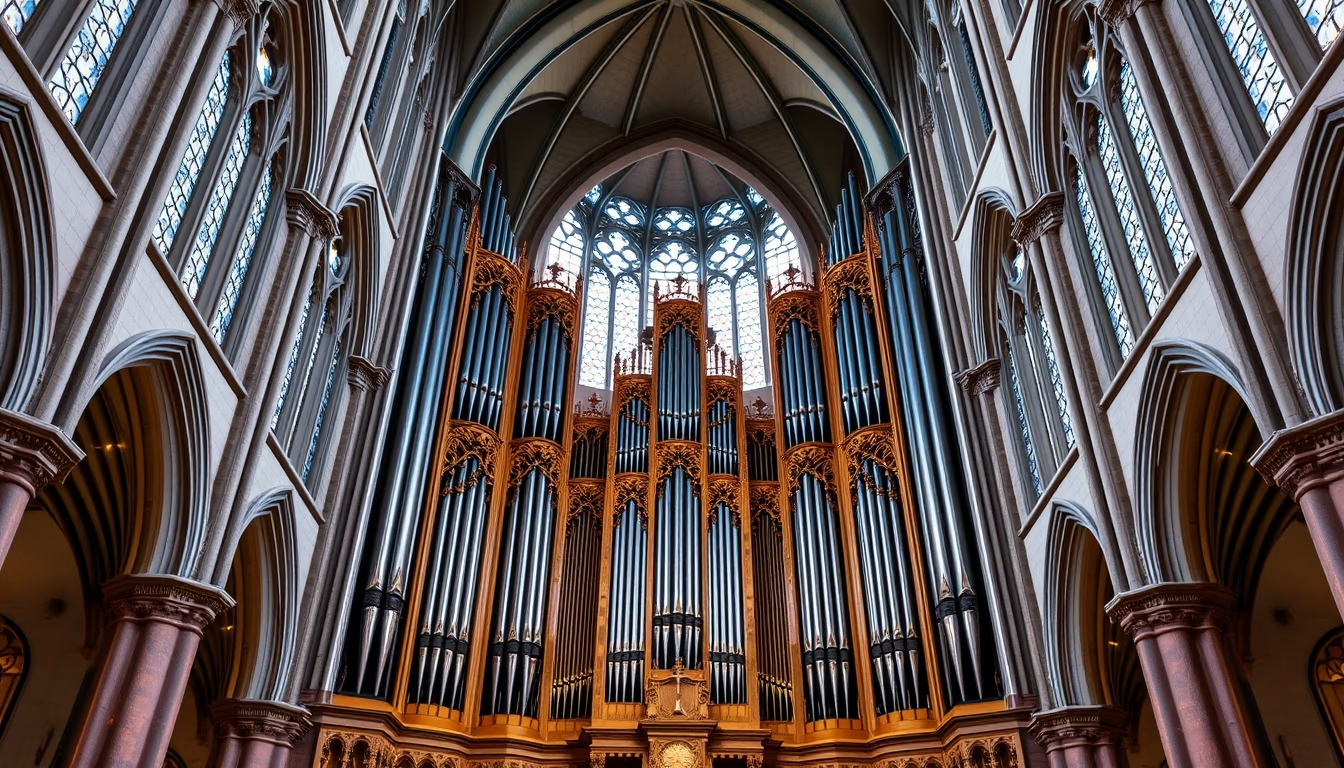
The organ pipes in a cathedral represent one of the most complex musical machines ever built, combining acoustic engineering and sacred art.
About this subject
The pipe organ is a musical instrument that produces sound by forcing air through pipes made of different materials, such as metal and wood. In cathedrals, these instruments often have thousands of pipes organized in rows called registers. Each pipe is tuned to a specific note, and the organist controls the airflow using keyboards and pedals. The largest pipe organ in the world is at Boardwalk Hall, Atlantic City, USA, with over 33,000 pipes, but many European cathedrals boast equally impressive historical instruments.
Pipe organ construction for cathedrals reached its peak between the 17th and 19th centuries, especially in Germany, France, and Italy. The organ at Notre-Dame de Paris Cathedral, for example, has five keyboards, 109 stops, and about 8,000 pipes. These instruments not only accompanied the liturgy but also symbolized the power and wealth of religious institutions. The acoustics of cathedrals, with their long reverberation times, influenced the design of the pipes, favoring deep, sustained sounds.
Today, maintaining a pipe organ is highly specialized. Technicians known as organ builders dedicate themselves to tuning, cleaning, and repairing each pipe, a process that can take months. Despite the advent of electronic organs, pipe instruments remain preferred in major cathedrals due to their harmonic richness and visual grandeur. The pipe organ is also recognized as an Intangible Cultural Heritage of Humanity by UNESCO, acknowledging its tradition and craftsmanship.
Interestingly, the largest pipe organ in Brazil is at Maringá Cathedral, Paraná, with 7,063 pipes. The organ at São Paulo's Sé Cathedral has 4,000 pipes and was built in Germany. These numbers illustrate the diversity and engineering involved in creating each instrument, which is unique in its sonic and visual design.
Frequently Asked Questions
How many pipes does a typical cathedral organ have?
A typical cathedral organ can have between 2,000 and 10,000 pipes, depending on its size and era of construction. Notre-Dame's organ has about 8,000.
What is the difference between a pipe organ and an electronic organ?
A pipe organ produces sound by forcing pressurized air through physical pipes, while an electronic organ uses circuits and speakers. The pipe organ offers harmonic richness and acoustic response that electronics cannot fully replicate.
How is a pipe organ maintained?
Maintenance is done by organ builders who tune each pipe individually, clean dust, and check mechanisms. It can take weeks or months depending on the instrument's size.
Direct URL
https://pub-c7d6a6ea828543ac903a74a341ccb2e1.r2.dev/imagens/organ-pipes-cathedral-architectural-photography-p3.avifHow to credit
Include a visible link back to UtilizAí. Copy one of the snippets below:
<a href="https://xn--utiliza-eza.com/en/midia/imagens/organ-pipes-cathedral-architectural-photography-p3">Organ pipes cathedral</a> by <a href="https://xn--utiliza-eza.com">UtilizAí</a>, licensed under <a href="https://creativecommons.org/licenses/by/4.0/">CC BY 4.0</a>.
[Organ pipes cathedral](https://xn--utiliza-eza.com/en/midia/imagens/organ-pipes-cathedral-architectural-photography-p3) by [UtilizAí](https://xn--utiliza-eza.com), CC BY 4.0
License: CC-BY-4.0