Oil slick rainbow
1344×768 · AVIF · CC BY 4.0
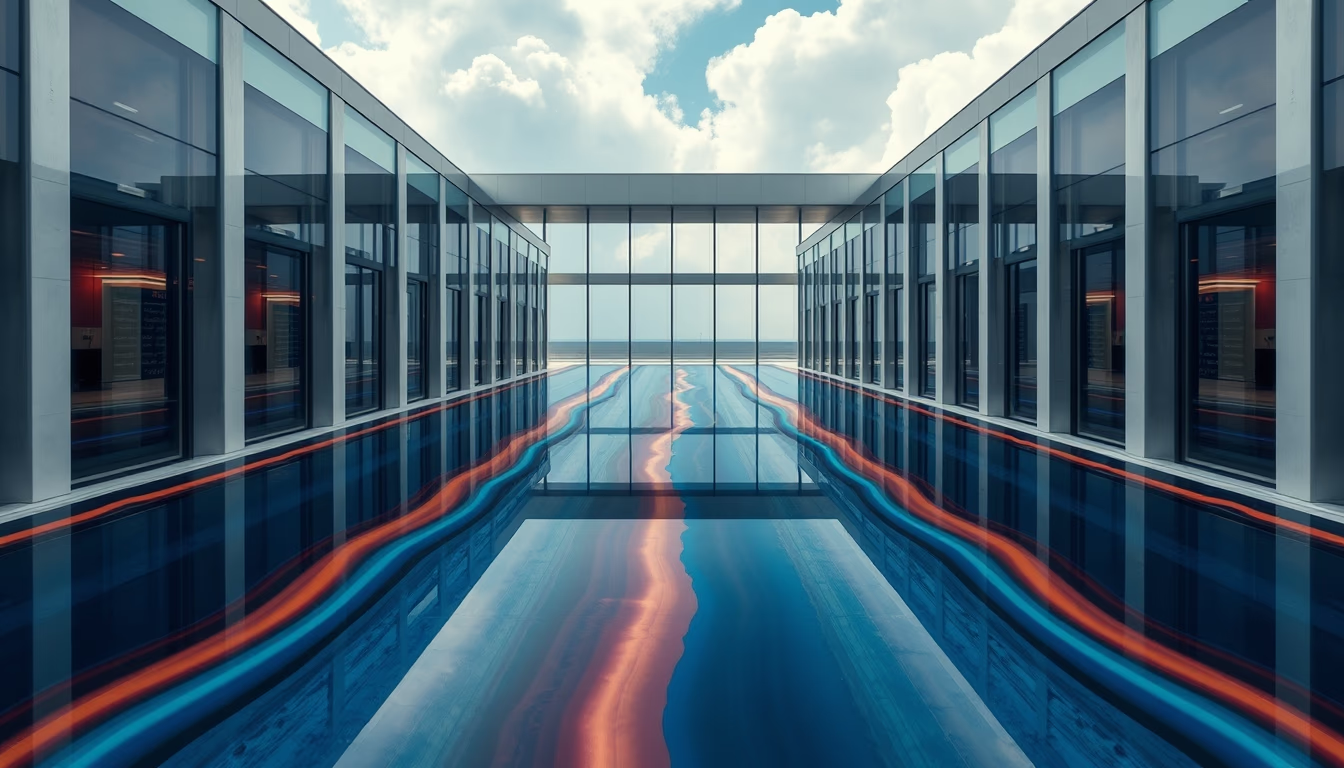
Oil slicks on water create an iridescent rainbow, a physical phenomenon revealing the interaction between pollution and light, often captured in urban abstract photography.
About this subject
The phenomenon known as an oil slick rainbow occurs when a thin layer of oil, usually from vehicle leaks, industrial discharge, or accidental spills, spreads over the water surface. White sunlight hits this film and undergoes interference: part reflects from the top oil surface and part from the bottom. Different thicknesses cancel or reinforce specific wavelengths, generating the vibrant colors we observe, a process analogous to soap bubbles.
In abstract photography, this chromatic pattern is valued for its chaotic and unpredictable beauty. Tones range from deep blue to intense orange, depending on oil thickness and light angle. Architecture photographers often seek these reflections in parking lot puddles, rain-flooded streets, or near docks and ports, where oil accumulates and creates compositions that dialogue with geometric lines of buildings or bridges.
The environmental context cannot be ignored. Oil on water is a pollutant: it blocks oxygen exchange, harms aquatic life, and contaminates groundwater. Yet abstract imagery transforms something harmful into an aesthetic object, prompting reflection on the relationship between urbanization and nature. In 2026, the 'trending-2026' trend points to increased interest in art that confronts ecological issues, using real materials and situations as creative raw materials.
From a technical perspective, capturing this phenomenon requires color-sensitive equipment and diffused lighting. Architectural photography often employs macro lenses to detail oil textures or wide angles to include built structures in the background. The result is an image that straddles the line between documentary and abstraction, inviting viewers to appreciate the science behind the colors and to contemplate the impacts of human activity on the environment.
Frequently Asked Questions
How does the rainbow in oil form?
The rainbow in oil forms through thin-film interference. White light reflects off the top and bottom surfaces of the oil layer, and the reflected waves interfere with each other, canceling or reinforcing certain colors depending on the oil's thickness.
What is the connection between abstract photography and architecture in this context?
Architecture photographers use oil stains in puddles to create contrasts between organic colors and the straight lines of buildings or bridges. The oil reflects the built environment, generating compositions that combine urbanism and nature.
Why can images of oil on water be considered ecological art?
By portraying a pollutant aesthetically, these images invite reflection on the environmental damage caused by spills and discharges. They transform a problem into beauty, stimulating debate on sustainability and human responsibility.
Direct URL
https://pub-c7d6a6ea828543ac903a74a341ccb2e1.r2.dev/imagens/oil-slick-rainbow-architectural-photography-p5.avifHow to credit
Include a visible link back to UtilizAí. Copy one of the snippets below:
<a href="https://xn--utiliza-eza.com/en/midia/imagens/oil-slick-rainbow-architectural-photography-p5">Oil slick rainbow</a> by <a href="https://xn--utiliza-eza.com">UtilizAí</a>, licensed under <a href="https://creativecommons.org/licenses/by/4.0/">CC BY 4.0</a>.
[Oil slick rainbow](https://xn--utiliza-eza.com/en/midia/imagens/oil-slick-rainbow-architectural-photography-p5) by [UtilizAí](https://xn--utiliza-eza.com), CC BY 4.0
License: CC-BY-4.0