Numismatic display
1344×768 · AVIF · CC BY 4.0

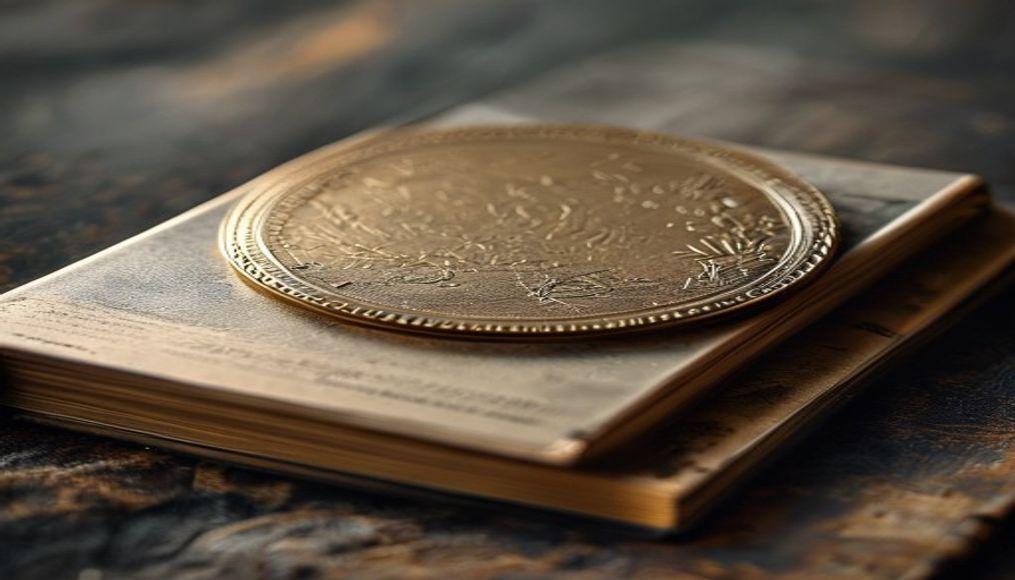
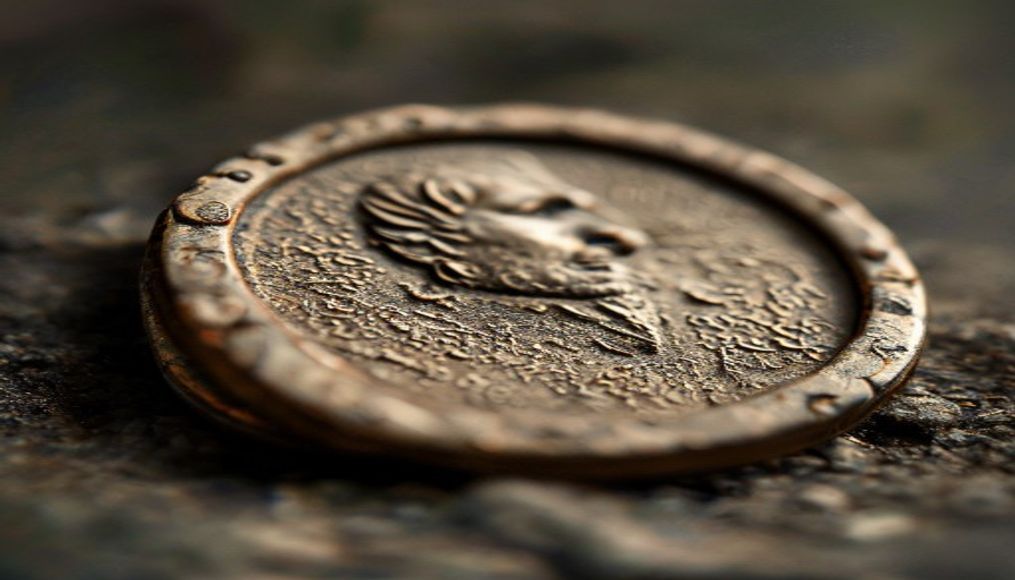
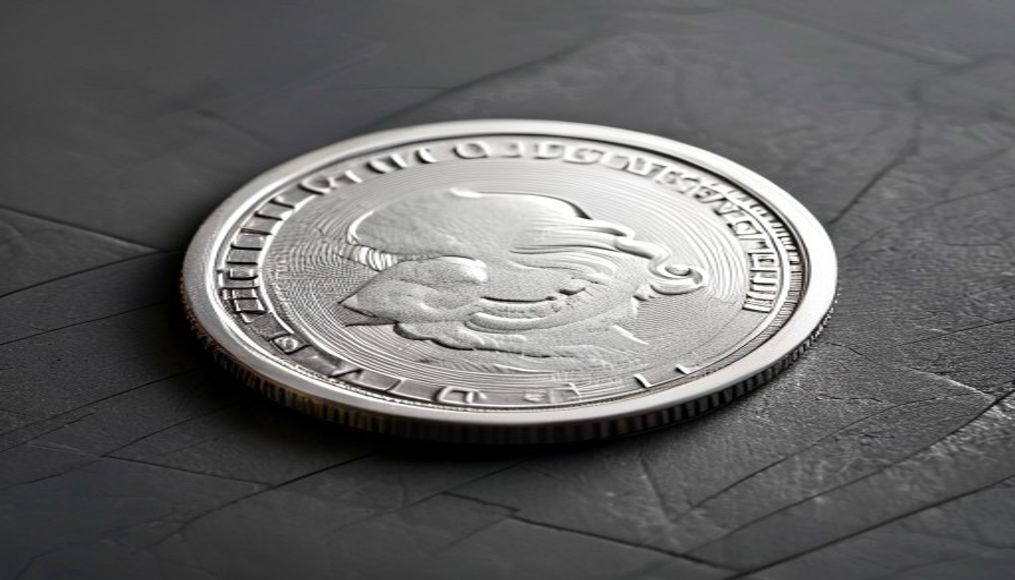
Numismatic display with tilt-shift effect highlighting the arrangement of coins and banknotes, revealing historical and cultural details.
About this subject
Numismatics is the study and collection of coins, banknotes, medals, and related objects. This millennia-old practice attracts historians and collectors alike, as pieces serve as time capsules carrying information about the economy, politics, art, and society of different eras. Numismatic exhibitions, such as the one depicted, organize these items systematically, usually by historical period, country, value, or theme, in display cases that allow close observation.
The tilt-shift effect, a photographic technique simulating reduced depth of field, is often applied to images of displays to create the illusion that coins and banknotes are miniatures. This not only makes the scene visually appealing but also emphasizes details of the pieces, such as minted images, watermarks, and signs of wear. This approach is popular in virtual collections and promotional materials for exhibitions.
Coins, in particular, are physical testimonies of history. The first known coins were minted in the Kingdom of Lydia (modern-day Turkey) in the 7th century BCE, made of electrum, a natural gold-silver alloy. Since then, each civilization has produced its own pieces, reflecting rulers, beliefs, and achievements. Numismatics helps date archaeological sites, understand trade routes, and even identify economic crises through the analysis of metal composition.
Organizing a numismatic display requires care: coins must be handled with gloves to prevent oxidation, and lighting is controlled to avoid damaging materials. Many collectors use classifiers, albums, or acrylic cases, categorizing by country, year, and condition. Museum exhibitions, such as those at the Museu Histórico Nacional in Rio de Janeiro, often include rare pieces like coins from the Brazilian Empire and feature curators who contextualize each item.
Frequently Asked Questions
What is numismatics?
Numismatics is the scientific study and collection of coins, banknotes, medals, and other monetary or commemorative objects. It includes historical and artistic analysis, as well as the conservation and classification of pieces.
Why is numismatics important for history?
Numismatics provides tangible evidence about ancient civilizations, helping to date events, understand economic systems, trade routes, and even political propaganda of rulers through the images and inscriptions on coins.
How does a collector organize a coin collection?
Collectors usually organize coins by country, historical period, denomination, or condition (grade). They use albums, binders, or acrylic boxes with compartments, always handling pieces with gloves to avoid damage.
Direct URL
https://pub-c7d6a6ea828543ac903a74a341ccb2e1.r2.dev/imagens/numismatic-display-tilt-shift-miniature-p2.avifHow to credit
Include a visible link back to UtilizAí. Copy one of the snippets below:
<a href="https://xn--utiliza-eza.com/en/midia/imagens/numismatic-display-tilt-shift-miniature-p2">Numismatic display</a> by <a href="https://xn--utiliza-eza.com">UtilizAí</a>, licensed under <a href="https://creativecommons.org/licenses/by/4.0/">CC BY 4.0</a>.
[Numismatic display](https://xn--utiliza-eza.com/en/midia/imagens/numismatic-display-tilt-shift-miniature-p2) by [UtilizAí](https://xn--utiliza-eza.com), CC BY 4.0
License: CC-BY-4.0