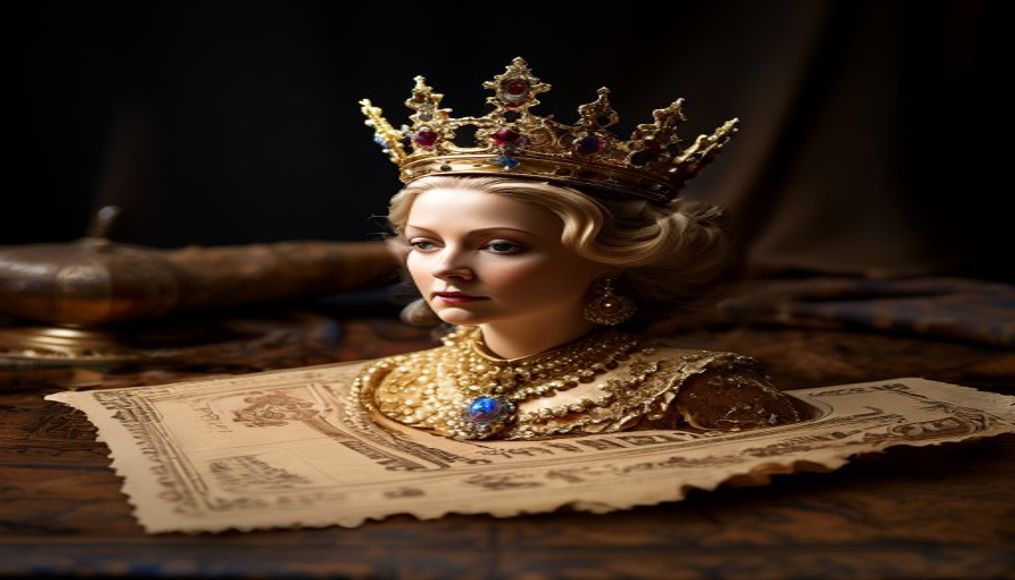
Ancient coin roman
1344×768 · JPG · CC BY 4.0
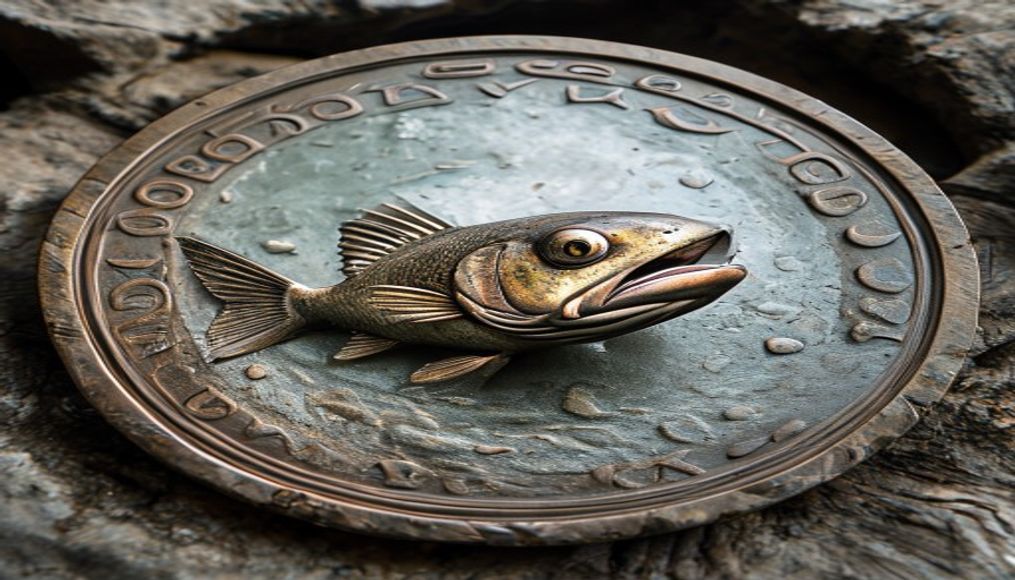
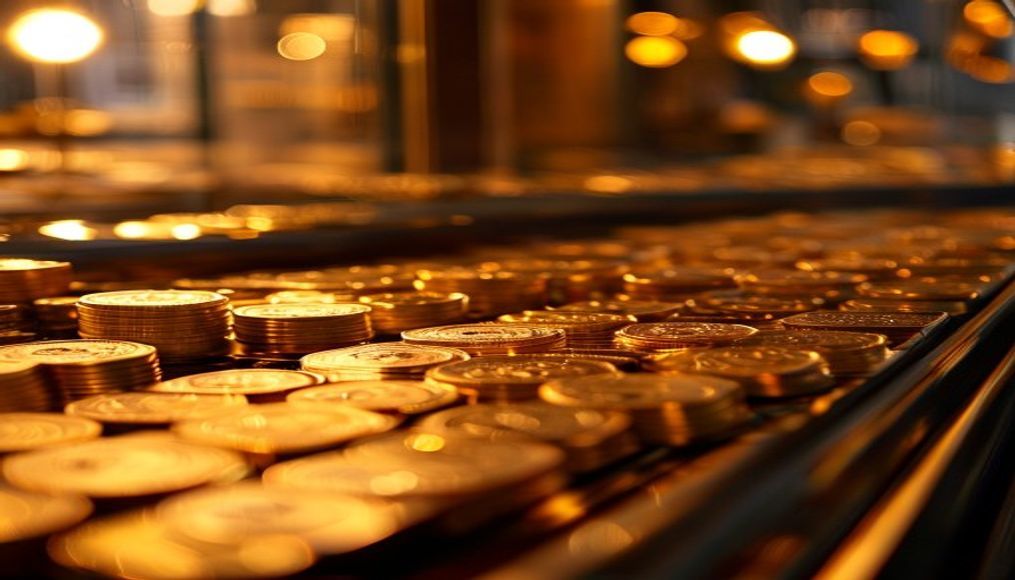
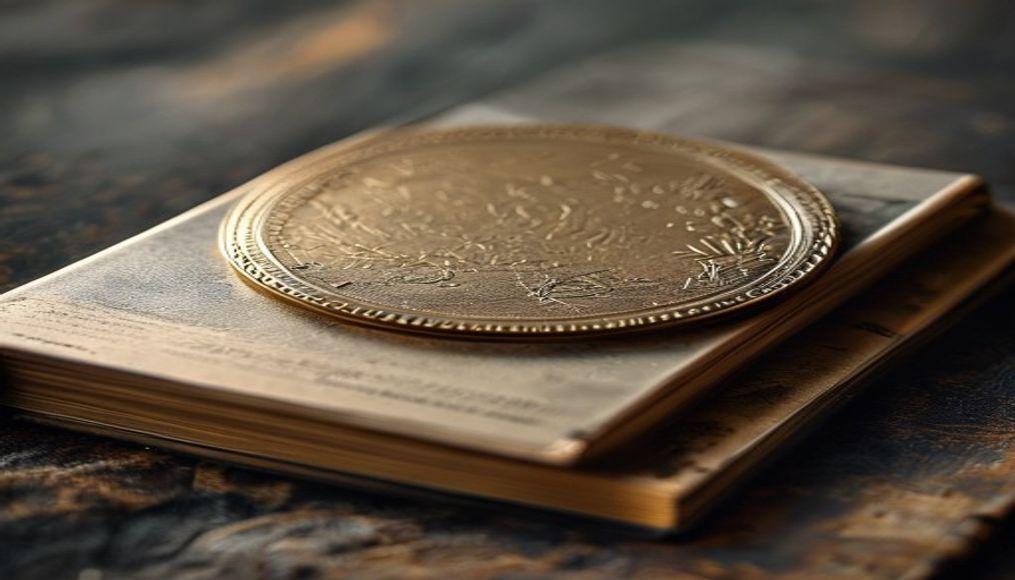
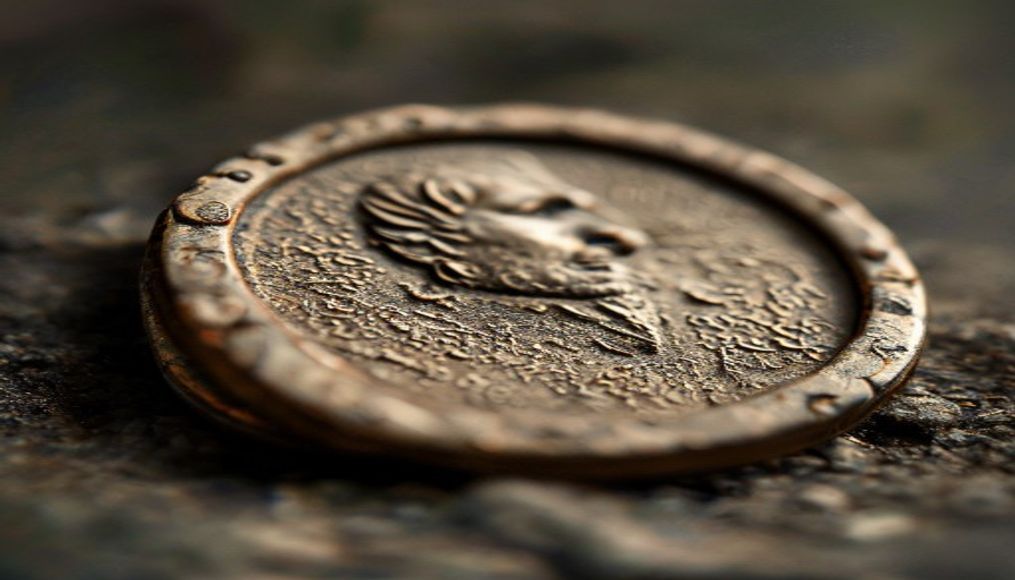
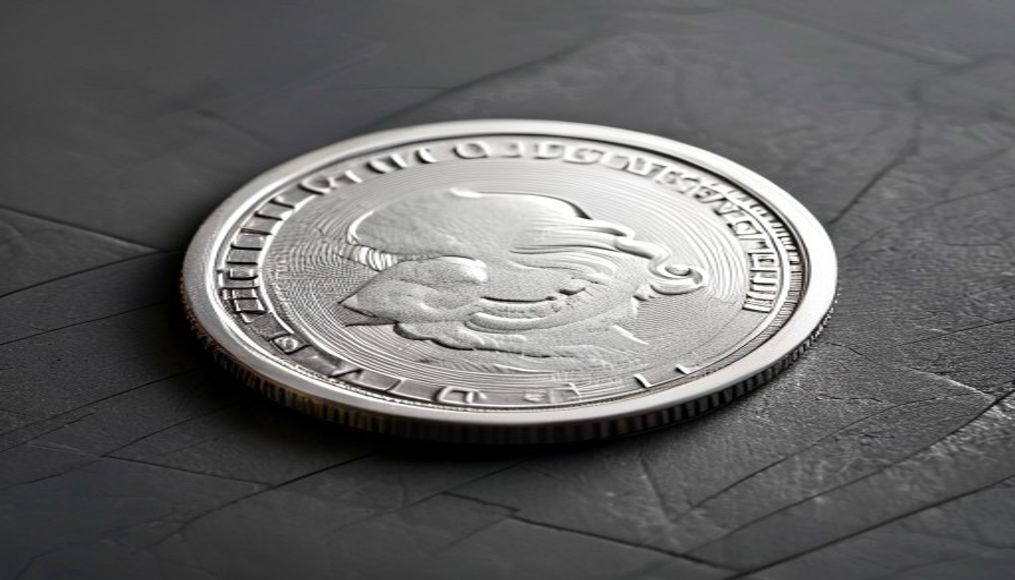
Ancient Roman coins, such as denarii and aurei, are historical artifacts minted from the 3rd century BC to the end of the Roman Empire.
About this subject
Ancient Roman coins are among the most significant artifacts for understanding the economy, politics, and culture of the Roman Empire. Official minting began around 269 BC with the silver denarius, which became the standard currency for centuries. The gold aureus was used for large transactions and as a store of value, while the bronze or brass sestertius circulated widely among the common people. Each coin was meticulously designed, featuring the emperor's portrait or deities on the obverse, and scenes of battles, buildings, or political allegories on the reverse.
The quality and metal content of coins varied by period, reflecting crises or prosperity. For instance, Diocletian's monetary reform in the 3rd century AD introduced the solidus aureus, which remained stable for over a thousand years in the Byzantine Empire. Latin inscriptions, often abbreviated, indicated imperial titles and consular dates, allowing historians to precisely date events.
Today, these coins are highly prized by collectors and archaeologists. Hoards like the Hoxne Hoard in England, containing over 15,000 Roman coins, reveal trade routes and economic patterns. Roman numismatics also helps identify ancient and modern forgeries. Rare coins, such as Brutus's denarius with the inscription "EID MAR" (Ides of March), can fetch millions at auction. Beginners are advised to acquire certified coins and study references like the Roman Imperial Coinage catalog.
Frequently Asked Questions
How to identify an ancient Roman coin?
Look at the portrait: Roman emperors are usually in profile, with a laurel wreath or diadem. On the reverse, look for Latin inscriptions and mythological or military figures. Weight and diameter also help: a typical denarius weighs about 3.5 g and is 18 mm in diameter.
What is the value of a Roman coin?
It varies greatly: common bronze coins can cost between $10 and $100, while silver denarii in good condition can reach thousands of dollars. Rare or gold specimens, such as aurei of specific emperors, can exceed $20,000.
Where were Roman coins minted?
The main mints were in Rome, Lugdunum (modern Lyon), Antioch, and Alexandria. Each province could also issue local bronze coins, recognizable by Greek legends or regional symbols.
Direct URL
https://pub-c7d6a6ea828543ac903a74a341ccb2e1.r2.dev/imagens/ancient-coin-roman-fish-eye-wide-angle-p4.jpgHow to credit
Include a visible link back to UtilizAí. Copy one of the snippets below:
<a href="https://xn--utiliza-eza.com/en/midia/imagens/ancient-coin-roman-fish-eye-wide-angle-p4">Ancient coin roman</a> by <a href="https://xn--utiliza-eza.com">UtilizAí</a>, licensed under <a href="https://creativecommons.org/licenses/by/4.0/">CC BY 4.0</a>.
[Ancient coin roman](https://xn--utiliza-eza.com/en/midia/imagens/ancient-coin-roman-fish-eye-wide-angle-p4) by [UtilizAí](https://xn--utiliza-eza.com), CC BY 4.0
License: CC-BY-4.0