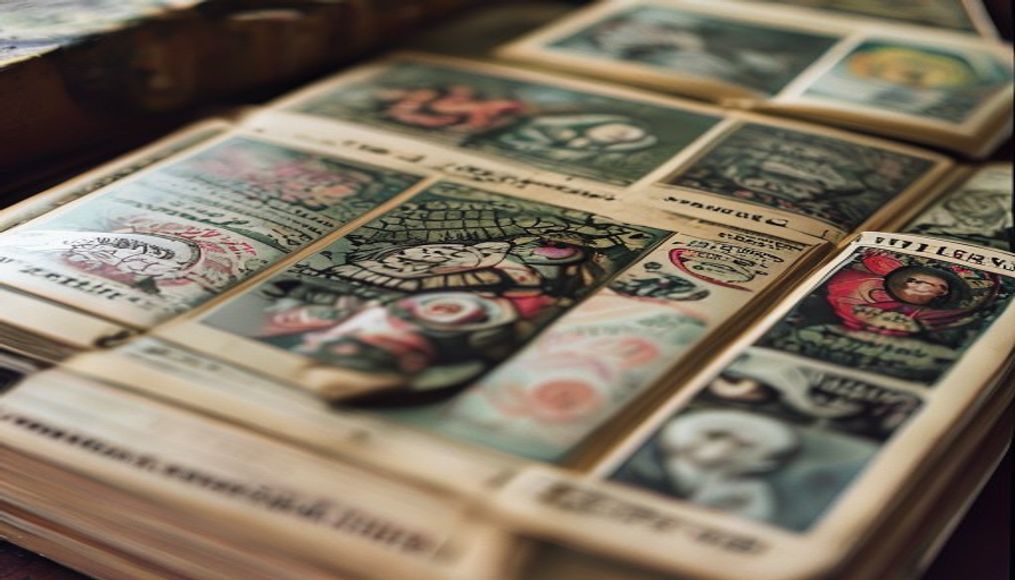
Numismatic display
1344×768 · JPG · CC BY 4.0
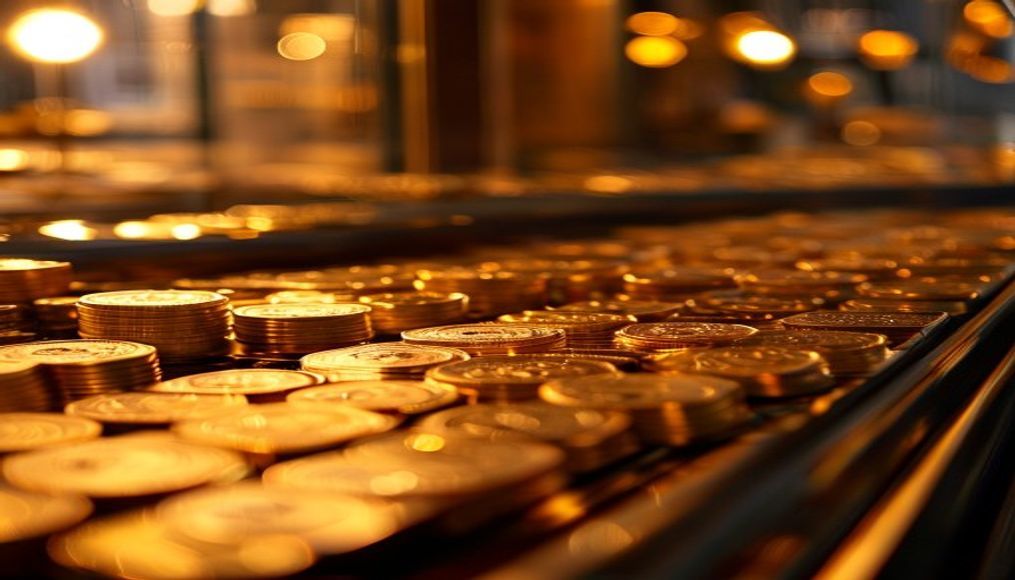
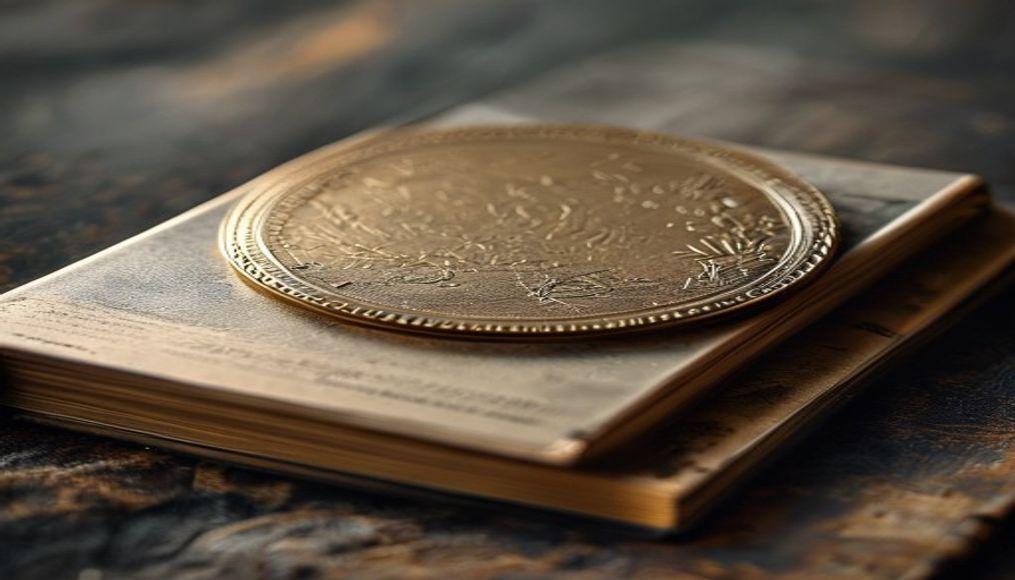
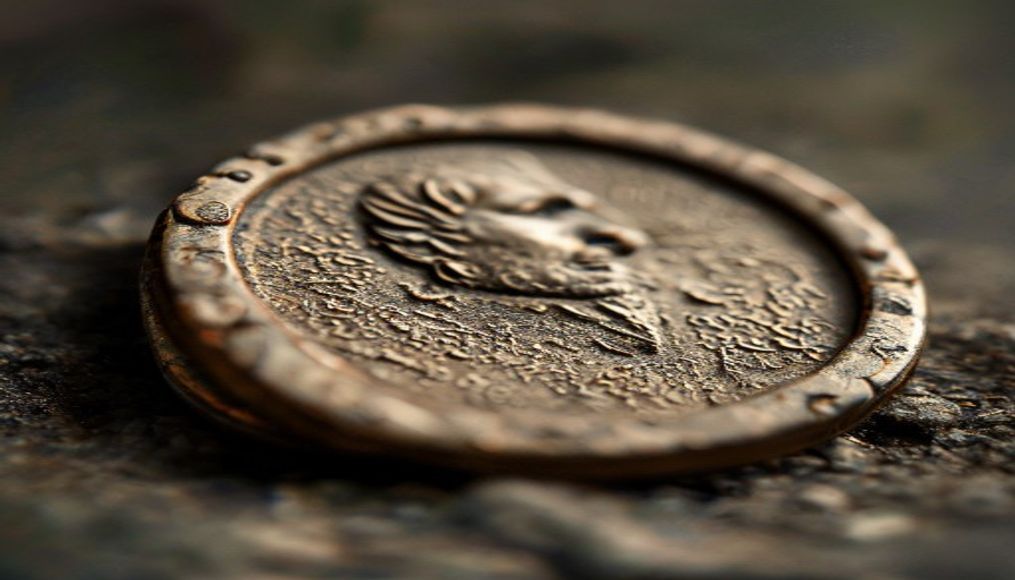
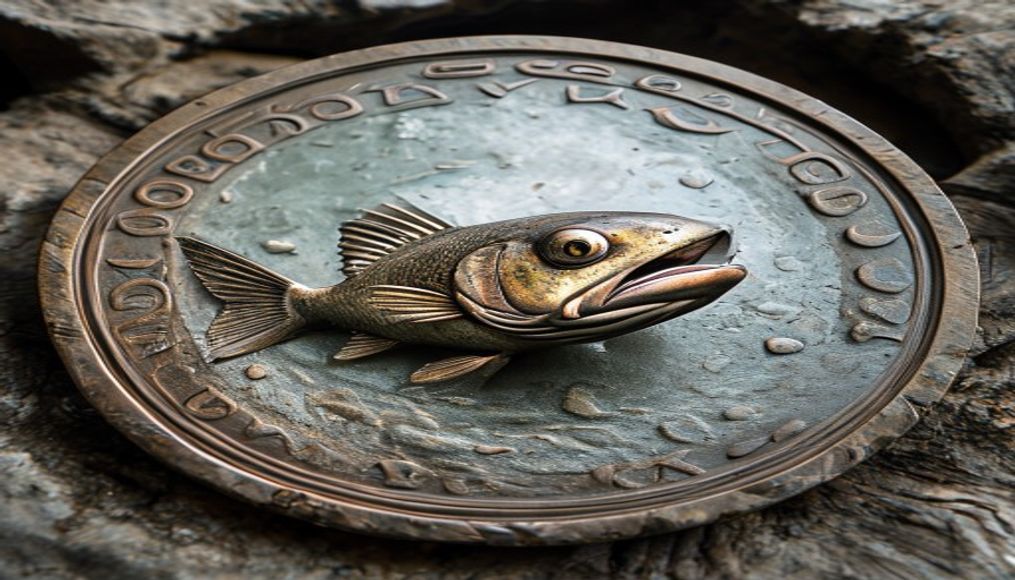
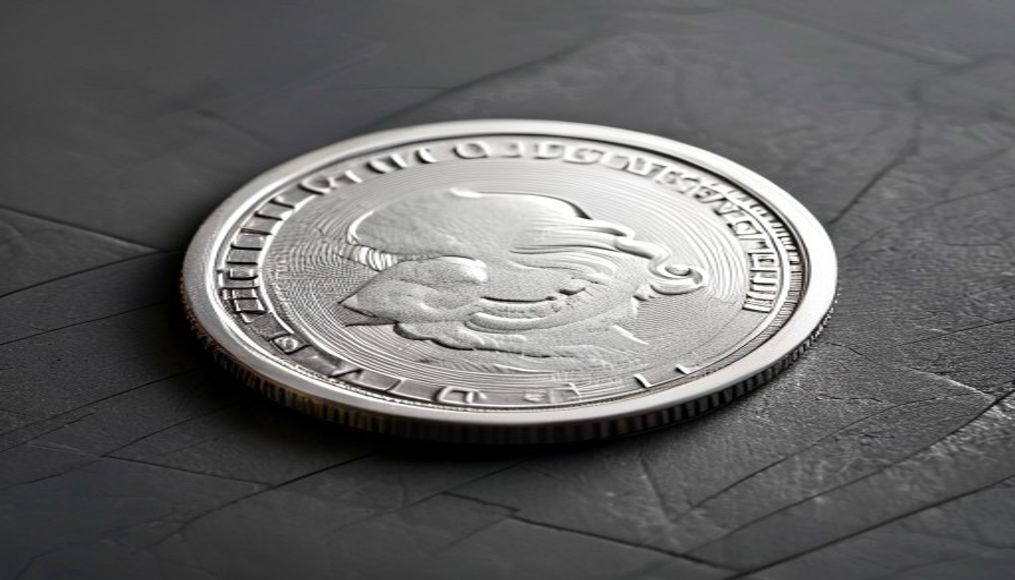
Numismatic displays bring together collections of coins, banknotes and medals, revealing history, economy and art from different eras and cultures.
About this subject
Numismatic displays are organized assemblages of items such as coins, banknotes, medals and tokens, typically found in museums, collector fairs or financial institutions. They allow the public to observe the evolution of monetary systems, from the first Lydian coins (7th century BC) to modern polymer banknotes. Each piece carries information about the issuing authority, local economy, available materials and official iconography, functioning as a three-dimensional historical document.
In Brazil, the Museum of Values of the Central Bank (Brasília) and the Mint Museum (Rio de Janeiro) house significant collections. Temporary exhibitions, such as those held during National Numismatic Week, highlight specific themes: inflation in Brazil, World Cup commemorative coins or imperial-era banknotes. These events attract both specialists and laypeople interested in learning about the political and economic contexts depicted in the pieces.
A well-curated display uses showcases with controlled lighting to prevent UV damage, acrylic supports that do not react chemically with metals, and labels with detailed information. Curators select items that tell a cohesive narrative, such as the transition from the gold standard to fiat money, or the depiction of historical figures on coins from different countries. Some setups include magnifications of details, replica dies and maps showing the circulation of the currency.
For collectors, setting up a personal display at home requires careful storage: albums with acid-free polyester sheets, polypropylene capsules and desiccants for humidity control. Fairs such as Exponum (São Paulo) and the National Numismatic Convention provide space for competitive exhibitions, where judges evaluate rarity, conservation and overall presentation. The practice of displaying collections not only educates the public but also enhances the value of cultural material heritage.
Frequently Asked Questions
What is a numismatic display?
It is an organized arrangement of coins, banknotes, medals and other currency-related items, aimed at educating the public about history, economy and art. It can be permanent in museums or temporary at fairs and events.
How to preserve coins for display?
Coins should be stored in polypropylene capsules or acid-free album pages, in a controlled humidity environment (40-50%) and away from direct sunlight. Avoid abrasive cleaning, as it can damage the patina.
Where to see numismatic displays in Brazil?
Key venues include the Museum of Values of the Central Bank (Brasília), the Mint Museum (Rio de Janeiro) and fairs such as Exponum (São Paulo) and the National Numismatic Convention, held annually in different cities.
Direct URL
https://pub-c7d6a6ea828543ac903a74a341ccb2e1.r2.dev/imagens/numismatic-display-cinematic-wide-shot-p4.jpgHow to credit
Include a visible link back to UtilizAí. Copy one of the snippets below:
<a href="https://xn--utiliza-eza.com/en/midia/imagens/numismatic-display-cinematic-wide-shot-p4">Numismatic display</a> by <a href="https://xn--utiliza-eza.com">UtilizAí</a>, licensed under <a href="https://creativecommons.org/licenses/by/4.0/">CC BY 4.0</a>.
[Numismatic display](https://xn--utiliza-eza.com/en/midia/imagens/numismatic-display-cinematic-wide-shot-p4) by [UtilizAí](https://xn--utiliza-eza.com), CC BY 4.0
License: CC-BY-4.0