Normandy beach memorial
1344×768 · AVIF · CC BY 4.0
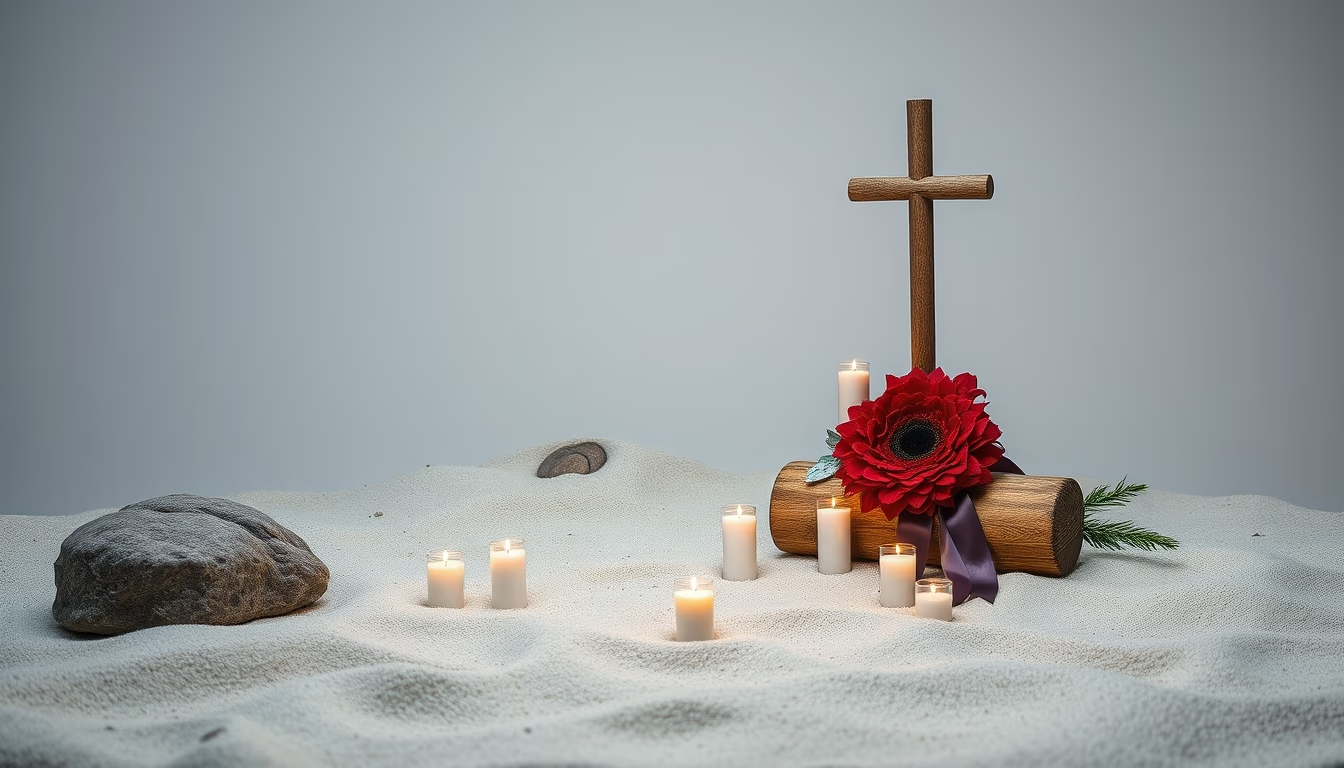
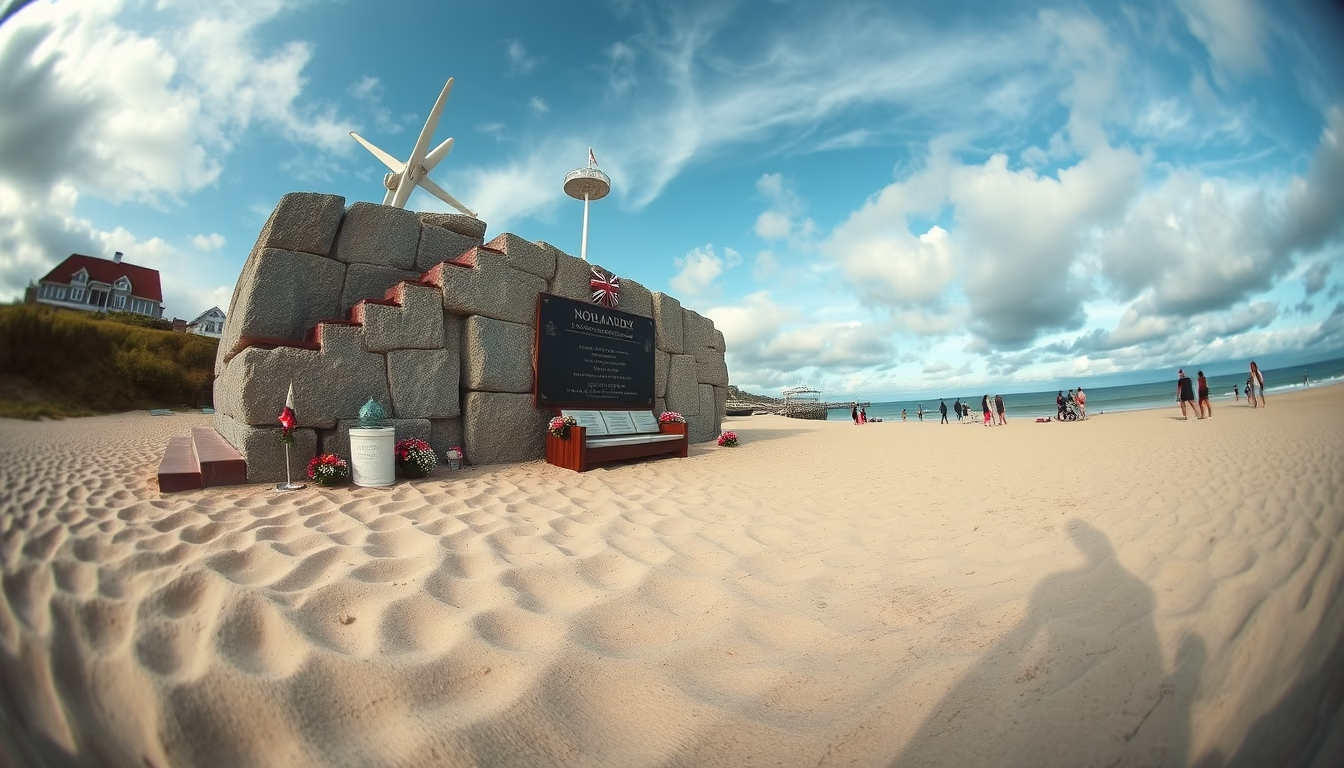
Memoriais da Normandia homenageiam os soldados que lutaram no Dia D, em 6 de junho de 1944, durante a Segunda Guerra Mundial.
Sobre o tema
Os memoriais da Normandia, espalhados ao longo da costa francesa, constituem um dos mais significativos conjuntos de monumentos históricos do século XX. Eles marcam os locais dos desembarques do Dia D, a invasão aliada que iniciou a libertação da Europa Ocidental da ocupação nazista. Entre os mais emblemáticos está o Cemitério Americano de Colleville-sur-Mer, que abriga os túmulos de 9.387 soldados norte-americanos, dispostos em uma paisagem impecavelmente cuidada com vista para a Praia de Omaha. Outro ponto central é o Memorial de Caen, um museu dedicado à história do conflito que atrai milhões de visitantes anualmente.
A construção desses memoriais começou logo após a guerra, mas ganhou novo impulso a partir dos anos 1980 com a criação de centros interpretativos como o Utah Beach Landing Museum e o Juno Beach Centre, este último mantido pelo Canadá. Cada memorial reflete a perspectiva de uma nação aliada: o Memorial Britânico de Ver-sur-Mer, inaugurado em 2021, lista os nomes de 22.442 soldados britânicos que morreram na Batalha da Normandia. A arquitetura varia do minimalista ao imponente, com destaque para o Memorial Pegasus, que celebra a captura da Ponte Pegasus por tropas britânicas aerotransportadas.
Visitar esses locais proporciona uma imersão profunda na história militar e nas consequências humanas do conflito. As praias ainda preservam vestígios dos bunkers alemães e dos portos artificiais Mulberry. Além dos cemitérios e monumentos, existem memoriais menores dedicados a unidades específicas, como o Monumento aos Rangers em Pointe du Hoc, onde soldados americanos escalaram falésias sob fogo inimigo. A preservação desses sítios é mantida por comissões internacionais, garantindo que as gerações futuras possam entender o preço da liberdade.
Curiosamente, a região também abriga memoriais que homenageiam civis franceses mortos durante a invasão. O Memorial dos Civis em Saint-Lô recorda os cerca de 20.000 civis normandos que perderam a vida nos bombardeios aliados. Essa abordagem inclusiva torna o conjunto memorialístico da Normandia um espaço de reconciliação e aprendizado, onde a memória coletiva transcende nacionalidades.
Perguntas frequentes
Qual é o memorial mais visitado na Normandia?
O Cemitério Americano de Colleville-sur-Mer é o mais visitado, com cerca de 1 milhão de pessoas por ano. Também o Memorial de Caen recebe grande fluxo de turistas.
Quantos soldados morreram no Dia D?
Estima-se que cerca de 4.414 soldados aliados morreram no Dia D, 6 de junho de 1944, sendo 2.499 americanos, 1.641 britânicos e 274 canadenses.
Onde está localizado o memorial canadense na Normandia?
O Juno Beach Centre, memorial e museu canadense, está localizado em Courseulles-sur-Mer, na Praia de Juno, onde as forças canadenses desembarcaram.
URL direta
https://pub-c7d6a6ea828543ac903a74a341ccb2e1.r2.dev/imagens/normandy-beach-memorial-studio-still-life-fresh14.avifComo creditar
Inclua um link visível de volta pro UtilizAí. Copie um dos snippets abaixo:
<a href="https://xn--utiliza-eza.com/midia/imagens/normandy-beach-memorial-studio-still-life-fresh14">Normandy beach memorial</a> by <a href="https://xn--utiliza-eza.com">UtilizAí</a>, licensed under <a href="https://creativecommons.org/licenses/by/4.0/">CC BY 4.0</a>.
[Normandy beach memorial](https://xn--utiliza-eza.com/midia/imagens/normandy-beach-memorial-studio-still-life-fresh14) by [UtilizAí](https://xn--utiliza-eza.com), CC BY 4.0
Licença: CC-BY-4.0