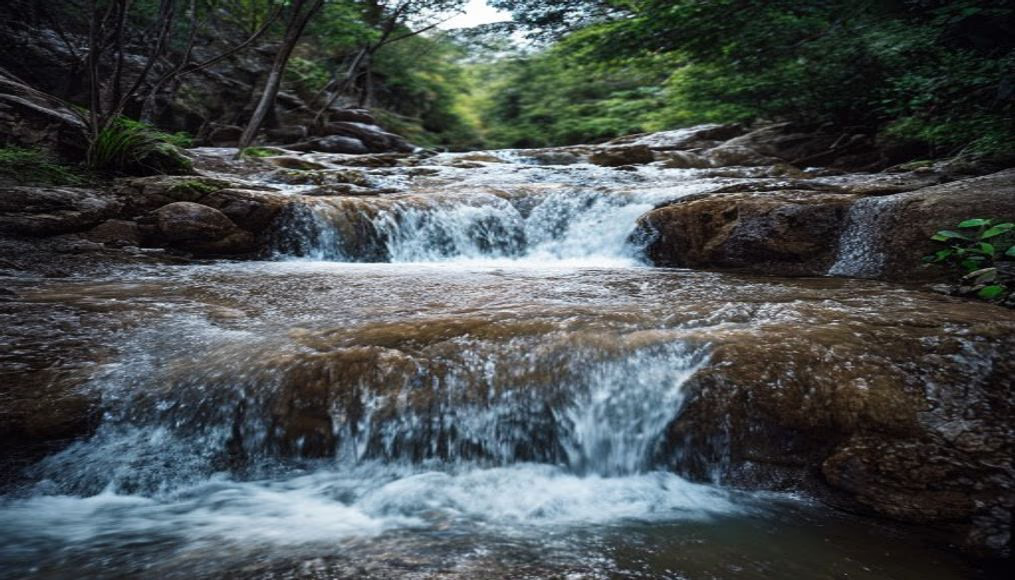
Niagara falls long exposure
1344×768 · AVIF · CC BY 4.0
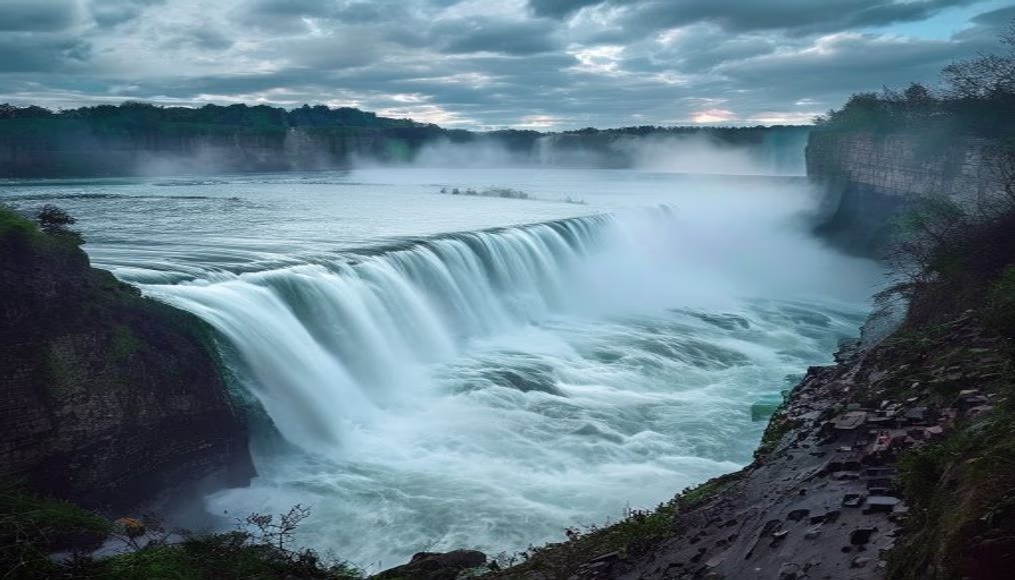
Niagara Falls, na fronteira entre EUA e Canadá, é um dos destinos turísticos mais visitados do mundo, famoso por suas quedas d'água imponentes e pela técnica de longa exposição que captura seu movimento.
Sobre o tema
Niagara Falls é um conjunto de três quedas d'água localizado na fronteira entre o estado de Nova York (Estados Unidos) e a província de Ontário (Canadá). As quedas são formadas pelo rio Niagara, que drena o Lago Erie em direção ao Lago Ontário. As três cataratas são: as Cataratas Americanas, as Cataratas Bridal Veil e as Cataratas Canadenses (conhecidas como Horseshoe Falls). A vazão total ultrapassa 2.800 m³/s, o que as torna uma das quedas d'água mais volumosas da América do Norte.
A formação geológica das Cataratas do Niágara remonta ao final da última era glacial, há cerca de 12.000 anos. O recuo das geleiras expôs o leito rochoso de xisto e dolomita, que a erosão hídrica foi esculpindo até criar o desnível atual de aproximadamente 50 metros. Estima-se que as quedas recuam cerca de um metro por século devido à erosão. Para preservar o espetáculo natural, medidas de controle foram implementadas, como a redistribuição do fluxo de água entre as cataratas.
Culturalmente, as cataratas sempre exerceram fascínio. Foram tema de pinturas da Escola do Rio Hudson e de inúmeros filmes. Além disso, o local é um centro de geração de energia hidrelétrica desde o final do século XIX, com usinas que aproveitam a vazão do rio. O turismo é a principal atividade econômica da região, atraindo milhões de visitantes anualmente que exploram mirantes, passeios de barco (Maid of the Mist) e cavernas próximas.
Para fotógrafos, Niagara Falls oferece oportunidades únicas. A longa exposição é especialmente popular ao anoitecer, quando as luzes coloridas iluminam as quedas e a água assume um efeito sedoso. O contraste entre a rocha escura e o fluxo branco leitoso cria composições dramáticas. A técnica exige tripé e velocidades lentas do obturador, geralmente entre 1 e 30 segundos, dependendo da luz disponível e do efeito desejado.
Perguntas frequentes
Qual é a melhor época do ano para visitar as Cataratas do Niágara?
A melhor época é durante a primavera e o outono (abril a junho e setembro a outubro), quando o clima é ameno e há menos multidões. No verão, o movimento é intenso; no inverno, as quedas podem congelar parcialmente, criando cenários únicos.
Como funciona a técnica de longa exposição para fotografar cachoeiras?
A longa exposição usa um tripé e uma velocidade lenta do obturador (geralmente de 1 a 30 segundos) para capturar o movimento da água, resultando em um efeito suave e leitoso. Reduzir o ISO e usar um filtro ND (densidade neutra) ajuda a evitar superexposição em plena luz do dia.
As Cataratas do Niágara são alimentadas por qual rio?
As cataratas são formadas pelo rio Niagara, que conecta o Lago Erie ao Lago Ontário. O rio tem cerca de 56 km de comprimento e sua vazão é controlada para fins de geração de energia e preservação das quedas.
URL direta
https://pub-c7d6a6ea828543ac903a74a341ccb2e1.r2.dev/imagens/niagara-falls-long-exposure-street-photography-v11.avifComo creditar
Inclua um link visível de volta pro UtilizAí. Copie um dos snippets abaixo:
<a href="https://xn--utiliza-eza.com/midia/imagens/niagara-falls-long-exposure-street-photography-v11">Niagara falls long exposure</a> by <a href="https://xn--utiliza-eza.com">UtilizAí</a>, licensed under <a href="https://creativecommons.org/licenses/by/4.0/">CC BY 4.0</a>.
[Niagara falls long exposure](https://xn--utiliza-eza.com/midia/imagens/niagara-falls-long-exposure-street-photography-v11) by [UtilizAí](https://xn--utiliza-eza.com), CC BY 4.0
Licença: CC-BY-4.0