Mount fuji japan reflection
1344×768 · AVIF · CC BY 4.0
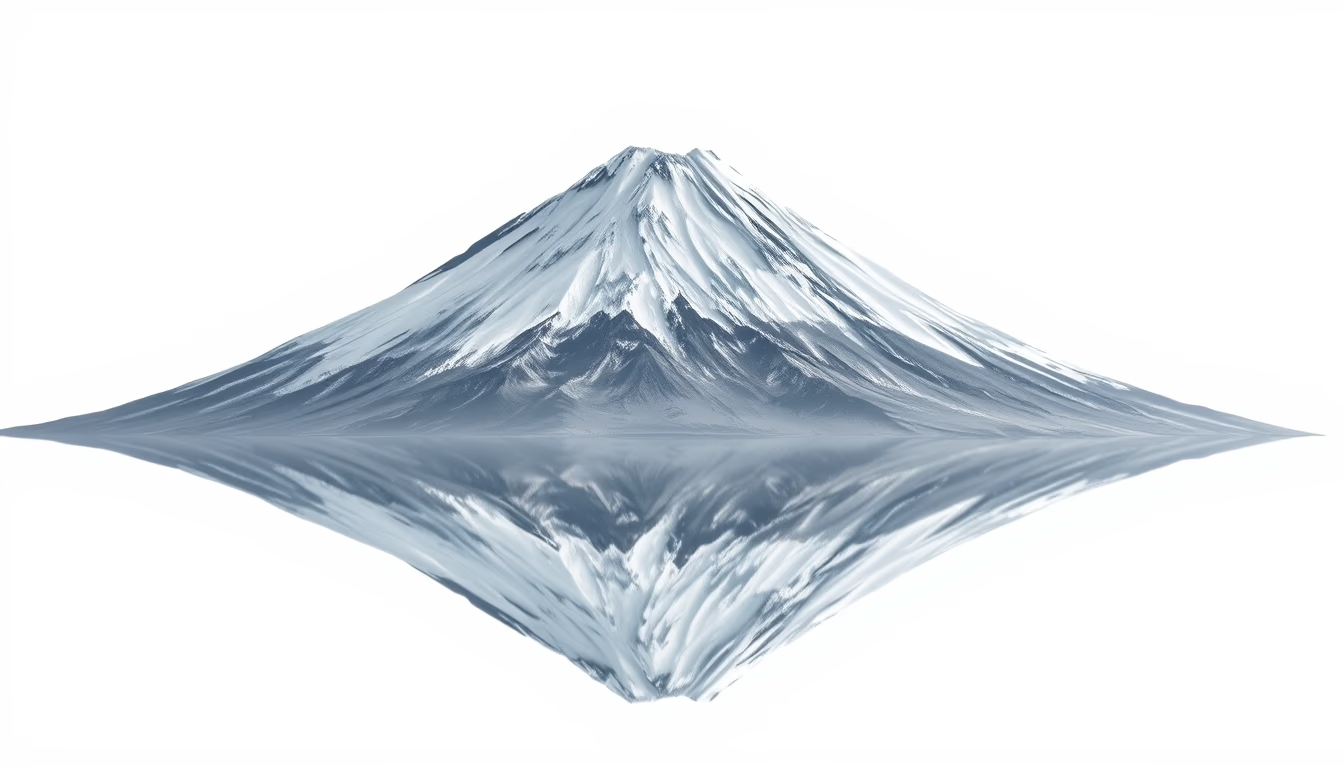
Mount Fuji, Japan's highest peak and a UNESCO World Heritage site, is often captured with its perfect reflection in the lakes of the Fuji Five Lakes region.
About this subject
Mount Fuji, standing at 3,776 meters, is an active stratovolcano located on Honshu Island, about 100 km southwest of Tokyo. Its iconic symmetrical cone and snow-capped peak have made it a globally recognized symbol of Japan. In 2013, the Fujisan site was inscribed as a UNESCO World Heritage cultural property, recognizing its profound influence on Japanese art, religion, and culture. The Fuji Five Lakes region, formed by ancient volcanic flows, provides prime viewpoints for observing the mountain, especially at dawn when its reflection in the calm water is most vivid.
Fuji is both a religious pilgrimage site and a major tourist destination. The Yoshida Trail, open during the climbing season from July to August, attracts thousands of hikers each year. The mountain has inspired countless works of art, notably the ukiyo-e woodblock prints by Katsushika Hokusai, such as "The Great Wave off Kanagawa," where Fuji appears in the background. The volcano's last eruption was in 1707, which blanketed Edo (now Tokyo) with ash. Its perfectly shaped cone results from layers of lava and ash built over millennia.
For photographers, the best time to capture Fuji's reflection is during winter and spring, when the air is crisp and snow caps the summit. Lakes such as Kawaguchi and Motosu are popular for mirror-like reflections, particularly on windless days. The image of Mount Fuji with its reflection is not merely a postcard scene; it reflects the deep connection between Japan's natural beauty and cultural heritage.
Frequently Asked Questions
What makes Mount Fuji a UNESCO World Heritage site?
Mount Fuji was inscribed as a UNESCO World Heritage Cultural site in 2013 due to its artistic and religious significance, including its shrines, pilgrimage routes, and influence on artworks like Hokusai's prints.
What is the best time to see Mount Fuji's reflection in the lakes?
The reflection is clearest during winter and spring (December to May), when the air is dry and the summit is snow-covered. Lakes Kawaguchi and Motosu offer the best views.
Is Mount Fuji still an active volcano?
Yes, Mount Fuji is an active stratovolcano, but its last eruption was in 1707. It is constantly monitored, and the threat level to nearby areas is considered low.
Direct URL
https://pub-c7d6a6ea828543ac903a74a341ccb2e1.r2.dev/imagens/mount-fuji-japan-reflection-commercial-product-photography-p4.avifHow to credit
Include a visible link back to UtilizAí. Copy one of the snippets below:
<a href="https://xn--utiliza-eza.com/en/midia/imagens/mount-fuji-japan-reflection-commercial-product-photography-p4">Mount fuji japan reflection</a> by <a href="https://xn--utiliza-eza.com">UtilizAí</a>, licensed under <a href="https://creativecommons.org/licenses/by/4.0/">CC BY 4.0</a>.
[Mount fuji japan reflection](https://xn--utiliza-eza.com/en/midia/imagens/mount-fuji-japan-reflection-commercial-product-photography-p4) by [UtilizAí](https://xn--utiliza-eza.com), CC BY 4.0
License: CC-BY-4.0