Moon detail crater closeup
1344×768 · AVIF · CC BY 4.0
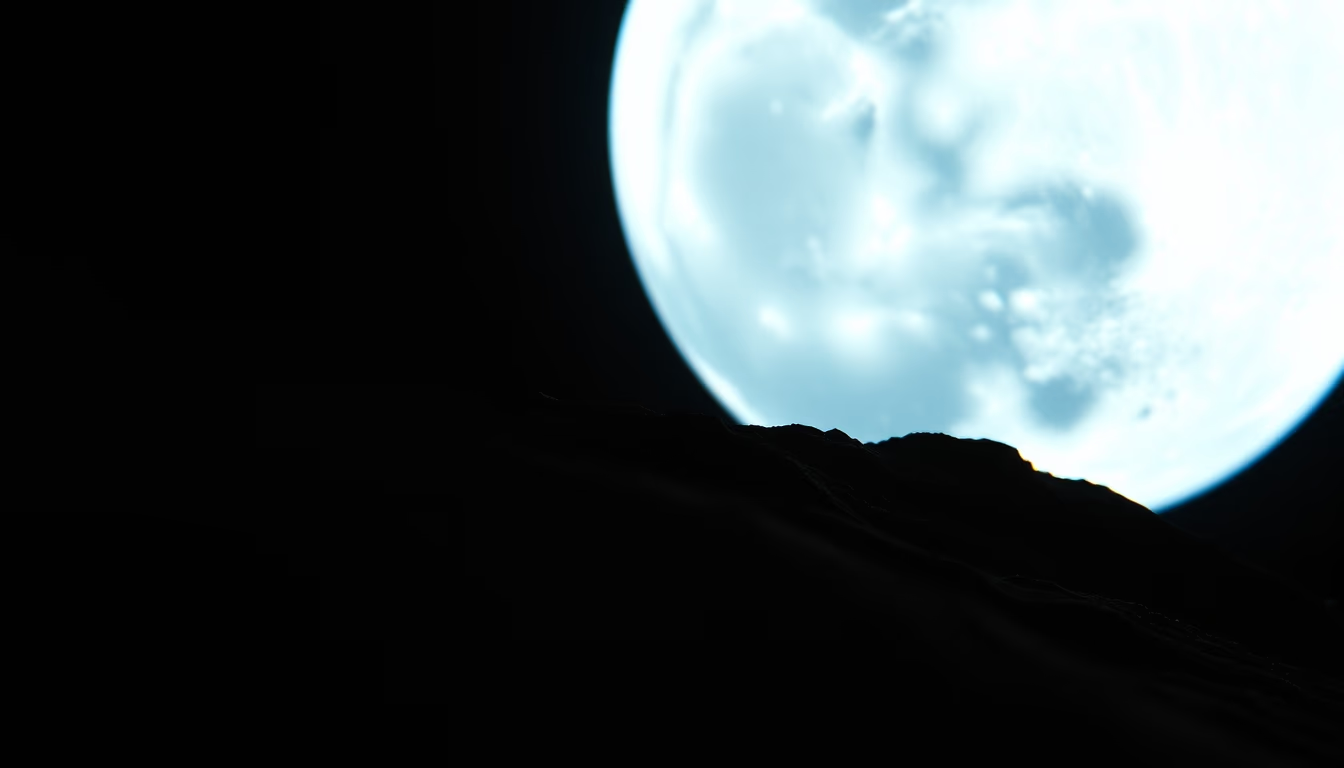
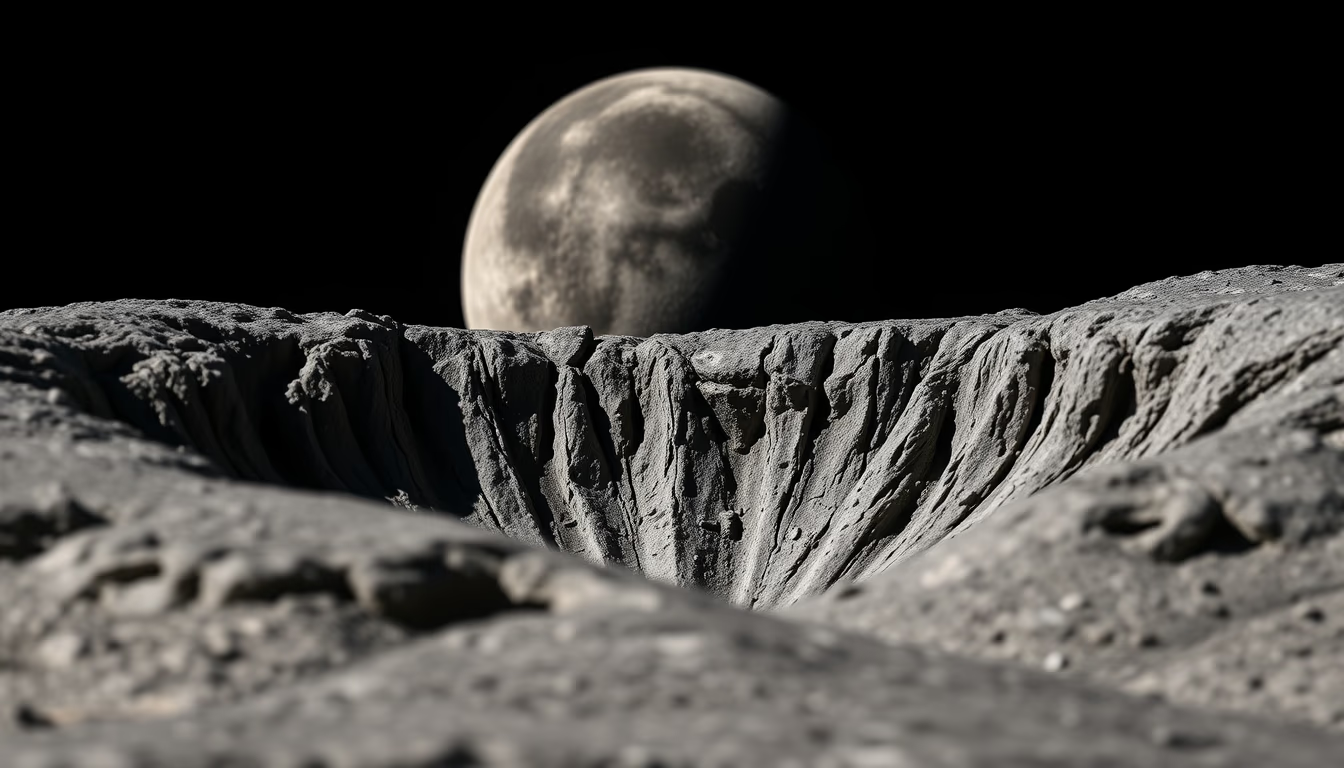
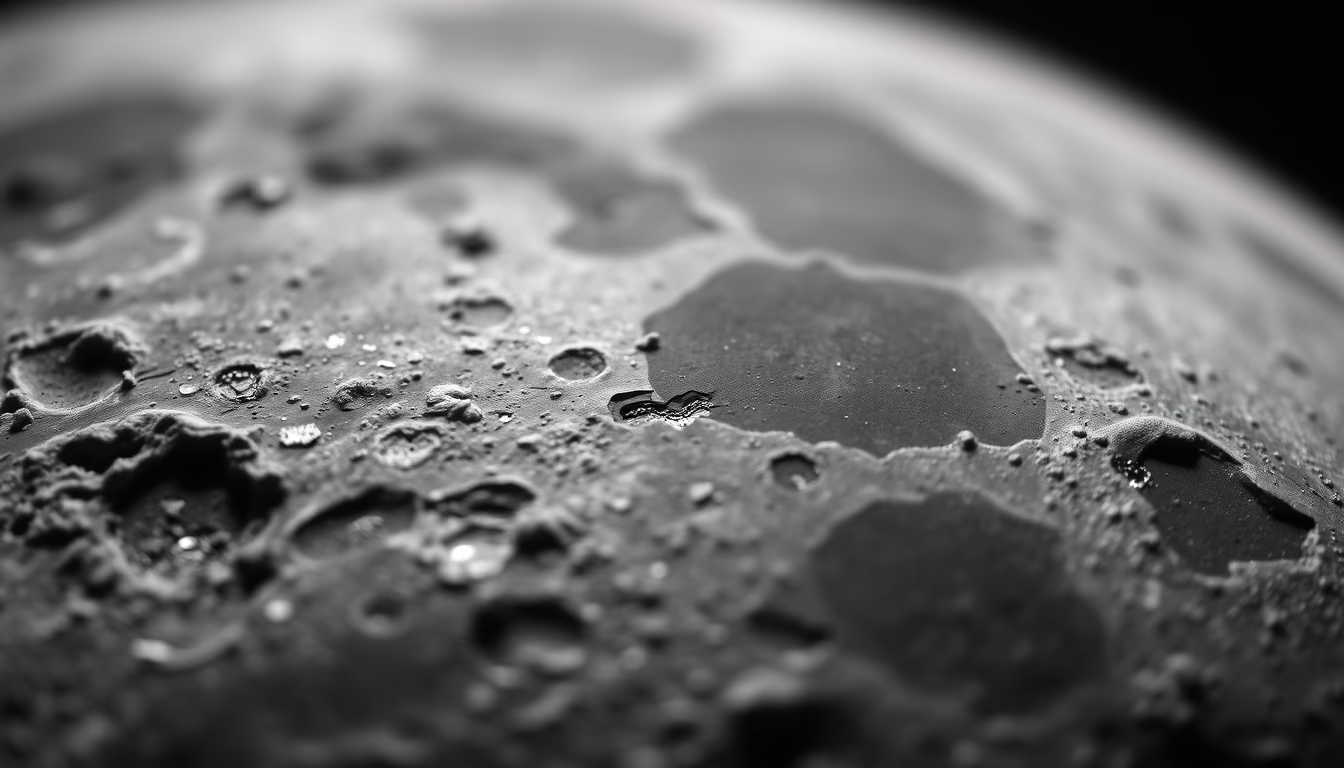
Close-up detail of the Moon reveals ancient craters, impact scars that tell the violent history of our natural satellite.
About this subject
The Moon, Earth's only natural satellite, has a surface scarred by thousands of impact craters. These circular formations result from asteroid and comet collisions over billions of years. Unlike Earth, the Moon has no atmosphere or significant geological activity to erode or erase these marks, so its impact record is exceptionally well preserved.
Lunar craters vary in size, from microscopic microcraters to immense basins such as the South Pole-Aitken Basin, about 2,500 km in diameter. Younger craters like Tycho (85 km across) display bright ray systems, ejected material that spread across the surface. Older craters like Ptolemaeus have worn rims and floors filled with solidified lava (maria).
Studying lunar craters has helped scientists understand the history of the Solar System. The impact rate over time allowed planetary surfaces to be dated through crater counting. Apollo and Luna missions brought back samples confirming impact event ages, such as the formation of Mare Imbrium about 3.8 billion years ago.
Interestingly, some craters near the lunar south pole may contain water ice in their permanently shadowed regions. For this reason, they are targets for future crewed missions, such as NASA's Artemis program, which plans to land in this region by the mid-2020s.
Frequently Asked Questions
Why does the Moon have so many craters?
The Moon has no atmosphere to disintegrate meteoroids, and lacks geological activity or erosion to erase impact marks. Thus, impacts of all sizes remain preserved on the surface for billions of years.
What is the largest crater on the Moon?
The largest impact basin is the South Pole-Aitken Basin, about 2,500 km in diameter and 13 km deep. It is located on the far side of the Moon.
Can lunar craters contain water ice?
Yes, craters at the lunar south pole, such as Shackleton, have permanently shadowed regions where temperatures never exceed -170°C, allowing water ice to accumulate over billions of years.
Direct URL
https://pub-c7d6a6ea828543ac903a74a341ccb2e1.r2.dev/imagens/moon-detail-crater-closeup-lo-fi-disposable-camera-p0.avifHow to credit
Include a visible link back to UtilizAí. Copy one of the snippets below:
<a href="https://xn--utiliza-eza.com/en/midia/imagens/moon-detail-crater-closeup-lo-fi-disposable-camera-p0">Moon detail crater closeup</a> by <a href="https://xn--utiliza-eza.com">UtilizAí</a>, licensed under <a href="https://creativecommons.org/licenses/by/4.0/">CC BY 4.0</a>.
[Moon detail crater closeup](https://xn--utiliza-eza.com/en/midia/imagens/moon-detail-crater-closeup-lo-fi-disposable-camera-p0) by [UtilizAí](https://xn--utiliza-eza.com), CC BY 4.0
License: CC-BY-4.0