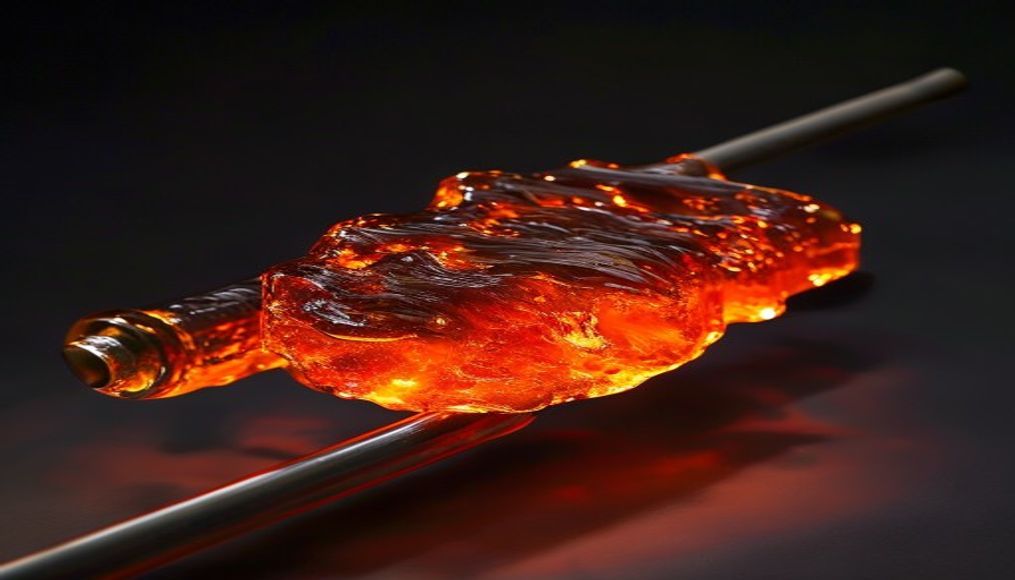
Molten glass on rod
1344×768 · AVIF · CC BY 4.0
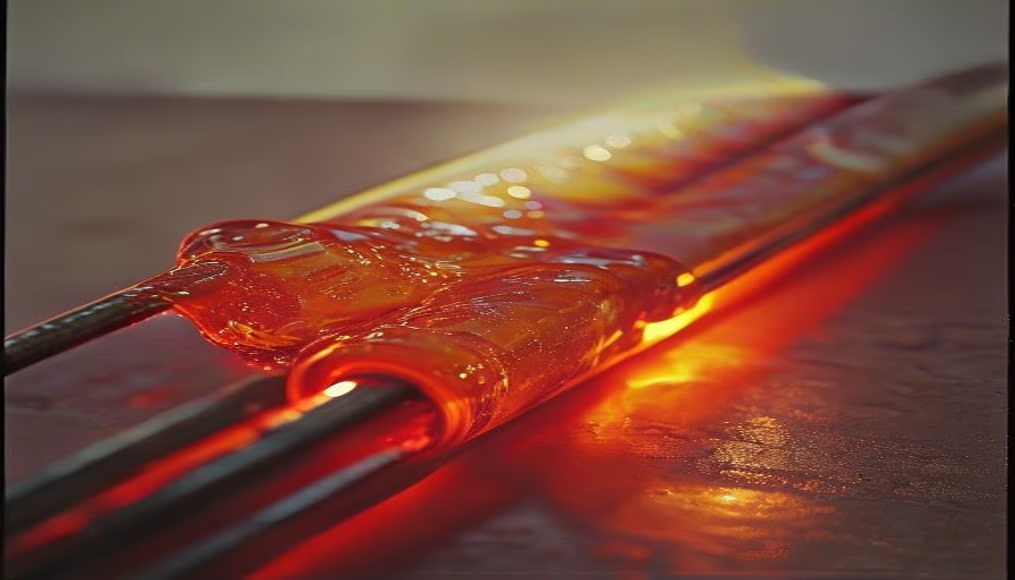
Molten glass on a rod is the starting point of artisanal glassblowing, an ancient technique that turns sand into translucent sculptures.
About this subject
Glassblowing, also known as blown glass, is a technique dating back to the 1st century BCE, likely originating in Syria or Phoenicia. The process begins by gathering molten glass, a pasty mass at about 1100°C, on the end of a metal tube called a blowpipe. The artisan constantly rotates the rod to prevent the glass from dripping, while blowing air through the other end to create a bubble that will be shaped with tools like tweezers, shears, and wet wooden molds. Molten glass is highly viscous, allowing bubbles and threads to be incorporated for decorative effects.
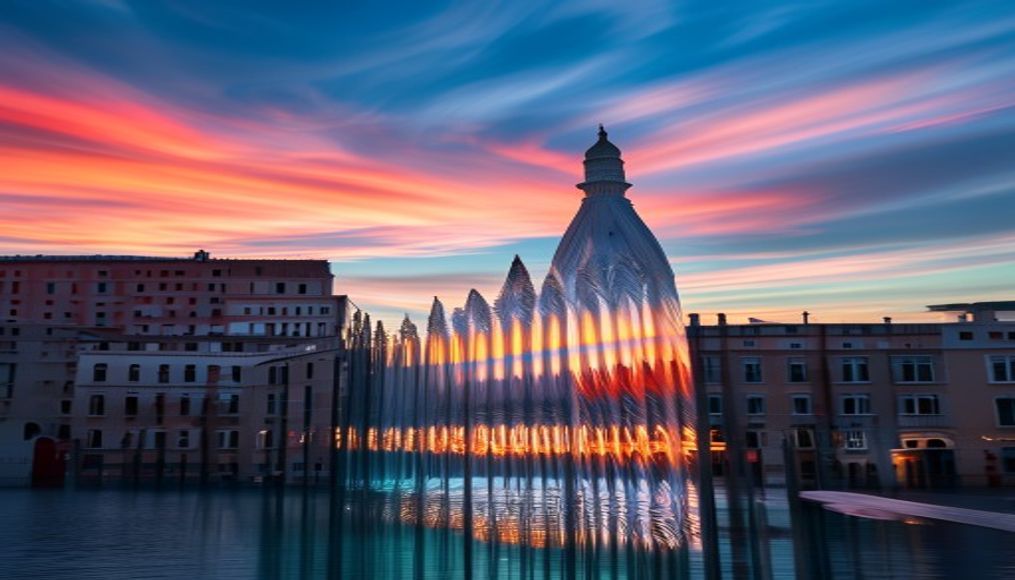
The technique spread throughout Europe from the Roman Empire, reaching its peak in Venice during the Middle Ages, especially on the island of Murano, where artisans developed complex colors and patterns such as filigrana and millefiori. Today, glassblowing is practiced worldwide, from small workshops to the studios of renowned artists like Dale Chihuly. The process requires great skill and coordination, as the glass cools rapidly, usually in less than two minutes, forcing the artisan to work with precision and speed.
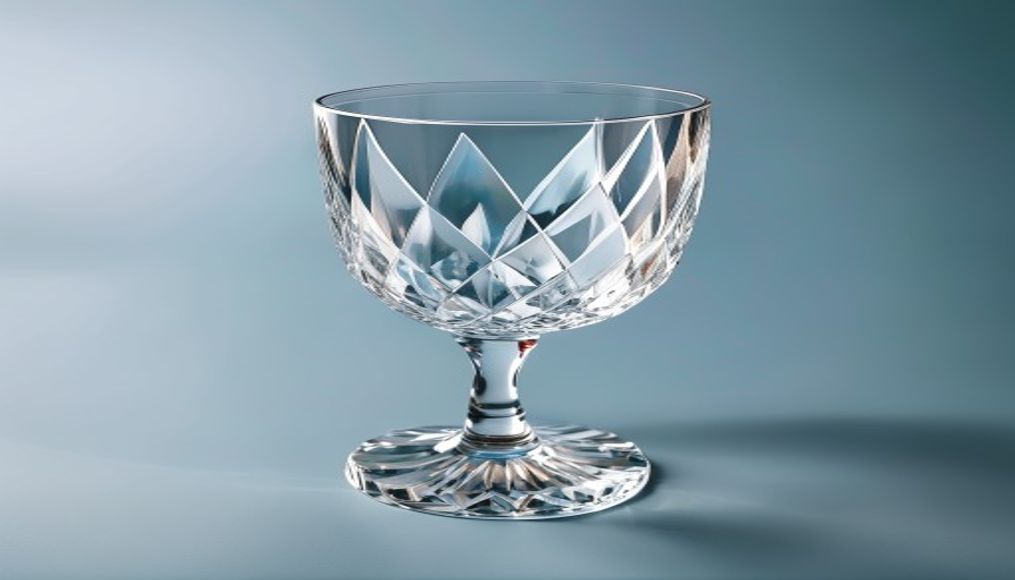
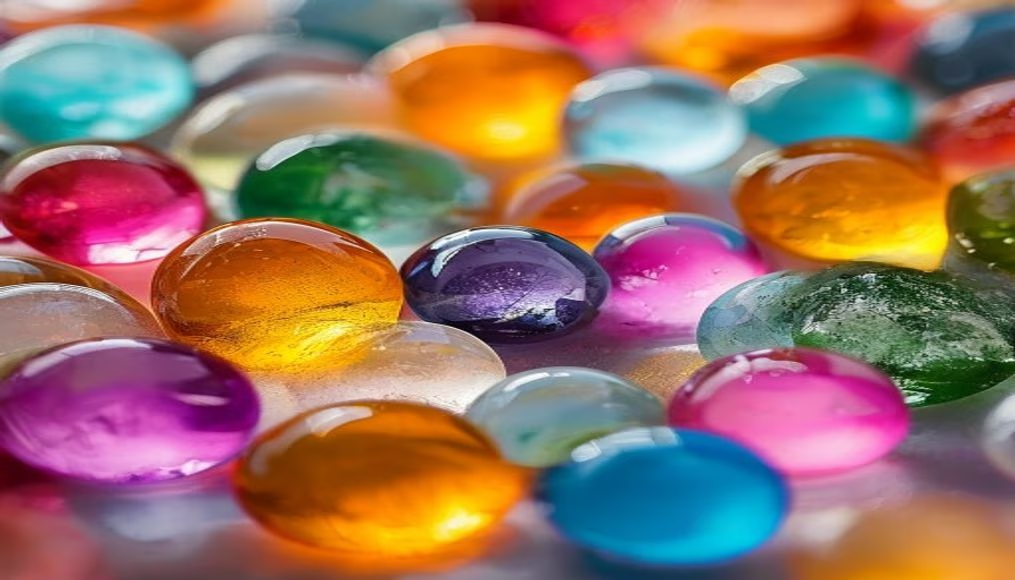
Besides blowing, molten glass on a rod can also be used for techniques like pulling glass into rods (cane) or wrapping colored threads. The temperature and chemical composition of the glass, which includes silica (sand), soda ash, and limestone, determine its workability and transparency. The addition of metal oxides, such as cobalt for blue or chromium for green, imparts characteristic colors. Molten glass is a thermodynamically complex material, and slight variations in temperature or movement can ruin the piece.
Frequently Asked Questions
What is the temperature of molten glass in artisanal glassblowing?
The glass reaches about 1100°C in the furnace to be worked. At this temperature, it is viscous enough to be blown and shaped.
Why is Murano so famous for blown glass?
Murano, Italy, has been renowned since the Middle Ages for its exclusive blown glass techniques, such as filigrana and millefiori. Murano artisans developed secret recipes for colors and patterns that made their products famous across Europe.
How long does it take for blown glass to cool?
Blown glass cools rapidly, typically less than two minutes, requiring the artisan to work quickly. After shaping, the piece is placed in an annealing oven at about 500°C to cool gradually and prevent cracking.
Direct URL
https://pub-c7d6a6ea828543ac903a74a341ccb2e1.r2.dev/imagens/molten-glass-on-rod-lo-fi-disposable-camera-p3.avifHow to credit
Include a visible link back to UtilizAí. Copy one of the snippets below:
<a href="https://xn--utiliza-eza.com/en/midia/imagens/molten-glass-on-rod-lo-fi-disposable-camera-p3">Molten glass on rod</a> by <a href="https://xn--utiliza-eza.com">UtilizAí</a>, licensed under <a href="https://creativecommons.org/licenses/by/4.0/">CC BY 4.0</a>.
[Molten glass on rod](https://xn--utiliza-eza.com/en/midia/imagens/molten-glass-on-rod-lo-fi-disposable-camera-p3) by [UtilizAí](https://xn--utiliza-eza.com), CC BY 4.0
License: CC-BY-4.0